

You love bold flavors but need a reliable gluten free base, and that tension is exactly where garbanzo flour shines, so keep going to see which ones will make your baking sing. You’ll find options that suit quick socca, dense fritters, and light egg free cakes, with differences in grind, texture, and protein that actually change results. I’ll walk you through trusted brands like Bob’s Red Mill, Sadaf, and Food to Live, explain why stone ground or finely milled matters, and point out which sizes and certs are best for daily use or big batches.
| Bob’s Red Mill Chickpea Flour (16oz 4-Pack) |
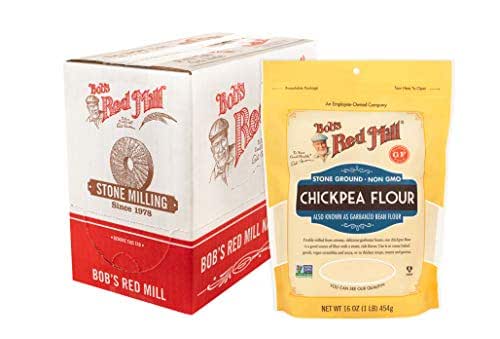
| Best Bulk Buy | Flour Type: Chickpea (garbanzo) flour | Packaging Size: 16 oz (pack of 4) | Dietary Suitability: Vegan / Keto-friendly | VIEW LATEST PRICE | Read Our Analysis |
| Sadaf Chickpea (Gram) Flour 16 oz |

| Fine Grind Favorite | Flour Type: Chickpea (gram/besan) flour | Packaging Size: 16 oz (1 lb) resealable bag | Dietary Suitability: Vegan-friendly (used in vegan applications) | VIEW LATEST PRICE | Read Our Analysis |
| Bob’s Red Mill Garbanzo Bean Flour – 16 oz. |
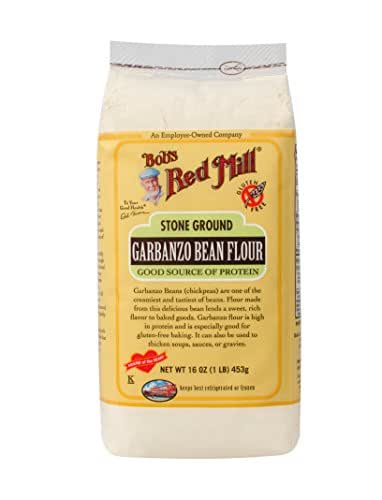
| Best Gluten-Free Pick | Flour Type: Garbanzo (chickpea) flour | Packaging Size: 16 oz (1 lb) | Dietary Suitability: Vegan / Vegetarian | VIEW LATEST PRICE | Read Our Analysis |
| Food to Live Organic Garbanzo (Chickpea) Flour 4 lb |

| Best Organic Choice | Flour Type: Garbanzo (chickpea) flour | Packaging Size: 4 lb | Dietary Suitability: Vegan | VIEW LATEST PRICE | Read Our Analysis |
| Food to Live Garbanzo (Chickpea) Flour 1 lb |

| Nutrient Boost Pick | Flour Type: Garbanzo (chickpea) flour | Packaging Size: 1 lb | Dietary Suitability: Vegan | VIEW LATEST PRICE | Read Our Analysis |
More Details on Our Top Picks
Bob’s Red Mill Chickpea Flour (16oz 4-Pack)
In case you want a reliable, all-purpose garbanzo flour that fits many diets and kitchen styles, Bob’s Red Mill Chickpea Flour is a smart pick. You’ll find it comes in a four pack of 16 ounce bags, non GMO, vegan, keto friendly, and kosher. It’s milled from whole garbanzo beans so it keeps a nutty flavor and smooth texture. You can use it for socca, pakoras, hummus, crackers, pizza crusts, pancakes, soups, sauces, and crispy batters. It’s batch tested for gluten in a separate facility, so you can cook with confidence and creativity.
- Flour Type:Chickpea (garbanzo) flour
- Packaging Size:16 oz (pack of 4)
- Dietary Suitability:Vegan / Keto-friendly
- Gluten Status:Processed in separate gluten-free facility; ELISA batch tested
- Common Culinary Uses:Baking, batters (pakoras, socca), thickening, coatings
- Source/Processing Note:Freshly milled from whole garbanzo beans; preserves nutty flavor
- Additional Feature:100% employee-owned
- Additional Feature:Keto-friendly labeling
- Additional Feature:Batch ELISA gluten-tested
Sadaf Chickpea (Gram) Flour 16 oz
Should you want a reliable, finely ground chickpea flour that works for both savory and sweet recipes, Sadaf Chickpea (Gram) Flour 16 oz is an excellent choice for home cooks and bakers. You’ll find the fine grind gives smooth batters and tender baked goods, and it blends easily into doughs, sauces, and soups. Use it for falafel, socca, or as an egg substitute in vegan cakes. The resealable 1 lb bag keeps it fresh, and it’s packed in the USA from quality chickpeas. Please be aware that it’s made on shared equipment with wheat, tree nuts, soy, and sesame.
- Flour Type:Chickpea (gram/besan) flour
- Packaging Size:16 oz (1 lb) resealable bag
- Dietary Suitability:Vegan-friendly (used in vegan applications)
- Gluten Status:Packed on shared equipment with wheat (not dedicated gluten-free)
- Common Culinary Uses:Falafel, socca, farinata, baking, thickening, egg substitute
- Source/Processing Note:Finely ground for smooth, consistent texture; high-quality chickpeas
- Additional Feature:Resealable packaging
- Additional Feature:Finely ground texture
- Additional Feature:Packed in USA
Bob’s Red Mill Garbanzo Bean Flour – 16 oz.
In case you want a reliable, gluten free flour that works for savory dishes and baking, Bob’s Red Mill Garbanzo Bean Flour is a smart pick for home cooks and folks with dietary needs. You’ll like that it’s stone ground on slow turning quartz millstones, which keeps texture bright and flavor nutty. It’s made in a dedicated gluten free facility and R5 ELISA tested, so you can trust it for celiac or sensitivity. It’s kosher pareve, vegan, and vegetarian. Use it to thicken, bind, or enhance fiber and iron in pancakes, fritters, flatbreads, and sauces.
- Flour Type:Garbanzo (chickpea) flour
- Packaging Size:16 oz (1 lb)
- Dietary Suitability:Vegan / Vegetarian
- Gluten Status:Manufactured in dedicated gluten-free facility; R5-ELISA tested gluten free
- Common Culinary Uses:Baking, general gluten-free uses (flatbreads, batters, thickening)
- Source/Processing Note:Stone ground on slow-turning quartz millstones
- Additional Feature:Stone-ground milling
- Additional Feature:Slow-turning quartz stones
- Additional Feature:Kosher Pareve certified
Food to Live Organic Garbanzo (Chickpea) Flour 4 lb
Should you want a reliable, healthy pantry staple that fits vegan, kosher, and organic diets, Food to Live Organic Garbanzo Flour is a smart pick for home cooks who care about quality. You’ll like that it’s stone ground in the USA and comes in a hearty 4 pound bag, so you won’t run out mid-recipe. It’s high in protein and fiber, low glycemic, and free from contaminants. Use it for baking, batters, flatbreads, and sauces. Store it properly and it stays fresh for months. You’ll feel confident using this versatile flour in everyday cooking and special meals.
- Flour Type:Garbanzo (chickpea) flour
- Packaging Size:4 lb
- Dietary Suitability:Vegan
- Gluten Status:Organic; stone ground (implied gluten-free but not explicitly ELISA tested)
- Common Culinary Uses:Baking, batters, thickening, flatbreads, general cooking
- Source/Processing Note:Organic, stone ground; product of USA
- Additional Feature:Organic certified
- Additional Feature:Low glycemic index
- Additional Feature:Large 4 lb bulk
Food to Live Garbanzo (Chickpea) Flour 1 lb
Whenever you want a simple way to improve protein and fiber in everyday recipes, Food to Live Garbanzo Flour is a great choice for home bakers and cooks who care about nutrition and flavor. You’ll find this finely milled, raw chickpea flour easy to work with. It’s made in the USA and comes in a handy 1 lb package that fits pantry shelves. It’s vegan, kosher, and free of cholesterol and trans fat, with no added sugars. Use it for breads, pancakes, savory flatbreads, frittatas, soups, and gravies. It elevates folate, potassium, magnesium, phosphorus, B vitamins, and copper.
- Flour Type:Garbanzo (chickpea) flour
- Packaging Size:1 lb
- Dietary Suitability:Vegan
- Gluten Status:Made in USA (gluten-free suitability implied as chickpea flour; no ELISA note)
- Common Culinary Uses:Baking (breads, pancakes, muffins), savory dishes, thickening
- Source/Processing Note:Finely milled; made in USA
- Additional Feature:No added sugars
- Additional Feature:Rich micronutrient profile
- Additional Feature:Cholesterol & trans-fat free
Factors to Consider When Choosing Garbanzo Flours
When you pick a garbanzo flour, consider initially about whether it has gluten-free certification and whether it was milled in a shared facility, because that matters for safety and allergies. Also check the grind texture and the protein and fiber numbers so your recipes turn out the way you want. Finally, decide whether you prefer organic or conventional and balance that with any cross-contact risk you could face.
Gluten-Free Certification
Even though chickpea flour starts out naturally gluten free, you still want to know how it’s handled so you can feel confident serving it to someone with celiac disease or gluten sensitivity. Look for products made in a dedicated gluten free facility and labeled clearly gluten free. That reduces cross contact during milling and packaging and gives you peace of mind.
Also verify third party or lab testing, such as R5 ELISA, to confirm gluten is under the 20 ppm threshold many regulators require. Check allergen statements too, because packed on shared equipment with wheat flags risk even during the ingredient itself is safe. Prefer flours that show certification logos, batch testing details, and clear manufacturing controls so you can trust consistency and safety.
Grind Texture
You’ll often notice that grind texture changes how a recipe feels and behaves, so it’s one of the initial things to ponder about whenever choosing a garbanzo flour. Should you want silky cakes, pancakes, or smooth sauces, pick a finely ground flour. It hydrates fast, so batters mix quickly and rest times stay short. Finer flour also soaks up more liquid per weight, so you might reduce water slightly to keep batter thin enough.
On the other hand, a coarser or stone ground flour keeps more bite. Use it for fritters, flatbreads, or rustic loaves whenever you desire structure and a bit of graininess. For coatings, coarser grinds add crispness while fine grinds give light, airy results.
Organic Versus Conventional
Provided that you care about what goes into the soil and onto your food, choosing between organic and conventional garbanzo flour matters. In case you want fewer synthetic pesticides and fertilizers near your crops, organic is the clear choice because it follows strict rules and third party certification like USDA Organic. That label gives you confidence that the farmer avoided those inputs. On the other hand, conventional garbanzo flour usually costs less and is easier to find, so it can fit a tight budget or last minute baking plans. Nutritionally they’re very similar, so pick based on values, availability, and price. Also consider long term soil health and local farming practices, since those relate to the environmental benefits you might care about.
Protein And Fiber Content
You cared about how the garbanzo crops were grown, and now you’ll want to look at what’s inside the bag. You’ll find garbanzo flour usually packs 5 to 8 grams of fiber per 30 to 40 gram serving. That fiber helps you feel full and keeps blood sugar steadier. At the same time you get about 5 to 7 grams of plant protein per serving, so it’s helpful for vegetarian and vegan meals.
Because garbanzo flour has more protein and fiber than refined wheat flour, it changes how dough behaves. It soaks up more liquid and can make baked goods denser, so you’ll need to tweak hydration and leavening. Check labels too, since grind and variety slightly affect protein and fiber amounts.
Allergen Cross-Contact Risk
While you’re shopping for garbanzo flour, consider beyond the ingredient list and look for clues about cross-contact with allergens. Check packaging for statements like packed on shared equipment with wheat, tree nuts, soy, or sesame because processing can mix traces. Prefer flours made in dedicated gluten-free or nut-free facilities and look for batch testing, such as ELISA for gluten, whenever you need strict avoidance. Keep in mind origin claims like made in USA don’t guarantee segregation; you must seek explicit allergen-control language. Resealable single-ingredient packs help reduce in-home risk, yet shared utensils and storage can reintroduce allergens, so adjust household habits. Should you have a severe allergy, call the manufacturer and ask for their allergen-control protocols and third-party testing records.
Packaging And Storage
Allergen labeling can tell you a lot about a flour’s safety, and the next thing to check is how the product arrives and how you’ll keep it. Choose resealable or airtight packaging like zip-top bags, tins, or jars. That limits oxygen and helps preserve flavor and shelf life. Store garbanzo flour in a cool, dry place away from sunlight. Room temperature works for short-term use, but refrigeration or freezing will extend freshness. In the fridge, open or unopened flour stays good for several months. Freezing can preserve quality up to a year. Thaw only the portion you need to avoid moisture. Label packages with purchase or opening dates and use oldest stock foremost. Keep flour away from strong smells and humidity to avoid clumping and odor transfer.
Culinary Versatility
Reflect on how you want to use garbanzo flour and it will guide your choice. Should you need an egg replacer, choose a fine, protein-rich flour that sets into a firm, custard-like texture whenever heated. Whenever you bake quick breads or pancakes, pick a flour with higher protein and soluble fiber so batters hold moisture, rise better, and yield a tender crumb. For everyday mixing, use garbanzo flour at 10 to 30 percent of total flours to add a pleasant nutty note without overpowering flavors. Whenever making flatbreads, socca, or farinata, you can use it alone. For thickening soups and sauces, stir it in slowly and cook to smooth glossiness. For fritters, combine it with carbonated liquid or leavening to make a light, crisp crust.
Dietary Label Claims
Assuming you’re shopping for garbanzo flour, start through reading the label like a friend explaining what’s inside and why it matters. Look for gluten-free should you need it, and check whether the package names the testing or facility, since that helps provided that you or a loved one has celiac. Organic tells you the chickpeas were grown without synthetic pesticides or GM seeds and was verified via a certifier. Non‑GMO reassures you about genetic modification but not other farming choices. Vegan or plant-based confirms no animal inputs in the flour or processing, which matters in case you avoid animal products. Nutrition claims like high in protein or good source of fiber must meet set thresholds per serving, so scan serving sizes to see the real benefit.
