

A cut on the kitchen counter, a scrape after a fall, and a surgical wound each call for different dressing features. Your decision should match the wound’s size, fluid level, depth, and the care plan you are following, with a compact first-aid option and a more specialized choice both considered.
An Overview Of The Picks

BAND-AID Cushion-Care Gauze Pads 3 x 3 in

North American Rescue Z-Folded Wound Packing Gauze

Dimora Collagen Wound Dressing 2 x 2 in

Dimora Type I Collagen Sponge 2 x 2 in

Dimora Type I Collagen Sponge 4 x 4 in

Jointown Xeroform Petrolatum Gauze 4 x 4 in
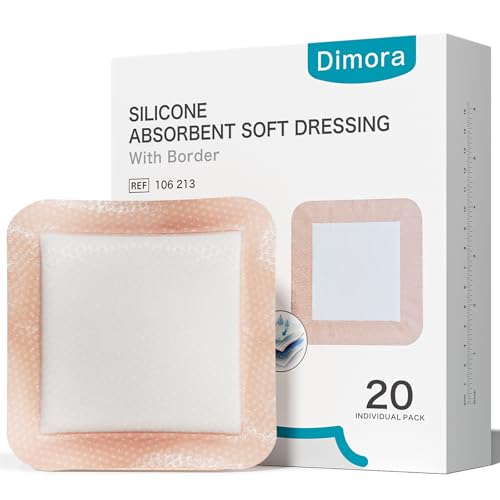
Dimora Silicone Absorbent Dressing 6 x 6 in
Taking A Closer Look At The Options
The BAND-AID Cushion-Care pads cover the basic needs of a home first-aid kit without adding unnecessary components. Each 3-by-3-inch pad has eight soft layers, and the quilted construction creates channels that draw fluid away from the wound while adding cushioning over a sensitive area.
These sterile, non-adhesive pads suit minor cuts, scrapes, and burns where the dressing will need separate securing. For most kitchen cabinets and bathroom kits, that simple format is easier to organize than a specialized sponge or roll, though a user with substantial fluid output may need a more absorbent option.
Notable Upsides
- Eight layers provide noticeable cushioning over a tender injury
- Deep pockets help move fluid away from the wound area
- Individual sterile wrappers keep unused pads organized
- The square 3-inch format suits many common minor wounds
Things To Consider
- The pads do not adhere, so tape or another securing method is required
- Ten pads may be modest for a household that changes dressings frequently
Quick Facts
Made For
This option fits households needing a simple, soft gauze pad for minor cuts, scrapes, and burns.
A Better Fit Elsewhere
North American Rescue Z-Folded Wound Packing Gauze serves people who need a compact roll for field kits and direct pressure rather than a loose sterile pad.
Unlike the loose BAND-AID pad, the North American Rescue gauze is a 3-inch-wide, 5-yard roll arranged in a Z fold. That configuration allows the material to be removed in a controlled sequence, which matters in a compact trauma kit, hiking pack, or vehicle emergency kit.
The white, single-ply gauze can serve as packing material, a backing layer for other wound products, or basic bandaging when paired with compression. People trained in first-aid techniques get a more versatile tool here, while the X-ray-detectable line helps medical personnel locate it during imaging.
What Stands Out
- Z-fold packaging supports controlled removal and continuous use
- The vacuum-sealed package takes up little kit space
- Three-inch width suits packing and compression applications
- Embedded X-ray-detectable line supports medical imaging
Trade Offs
- Single-ply construction is less bulky than a layered household pad
- Effective wound packing depends on appropriate training and practice
Feature Snapshot
Right Fit For
Trained first-aid providers and outdoor kit builders benefit most from this compact packing format.
Another Choice May Suit
The BAND-AID Cushion-Care pads better serve a household that wants a soft, individually wrapped cushion over a small minor injury.
Moving from a basic pad to a collagen dressing changes the material placed against the wound. The Dimora 2-by-2-inch dressing uses a bovine Type I collagen sponge with a porous structure that absorbs exudate, meaning wound fluid, while the low-profile shape fits more easily into a compact dressing kit.
The material can be cut or stacked for different wound depths, and its non-adherent design helps it conform without attaching to gloves or instruments. You may find this five-piece pack less economical for frequent changes than the ten-piece version, but the smaller format works well for selective, managed wound care.
Strengths Worth Knowing
- Type I collagen provides a soft contact layer for the wound bed
- The sponge can absorb fluid and conform to uneven areas
- Easy cutting and stacking make the format adaptable
Soft Spots
- Only five dressings are included in the package
- The 2-inch size may need trimming for a wider area
- It is a specialized contact dressing rather than ordinary gauze
Built With In Mind
Home-care users managing smaller wounds benefit from a cuttable collagen sponge that can be adapted to the wound area.
Where A Sibling Pick Shines
Dimora Type I Collagen Sponge 4 x 4 in fits people who want broader coverage without trimming the dressing to size.
The ten-piece Dimora Type I Collagen Sponge adds a useful layer of capacity over the five-piece version while retaining the same 2-by-2-inch footprint. Its porous bovine collagen structure manages wound fluid and can be cut, shaped, or stacked as the dressing plan changes.
This format is aimed at chronic and acute wounds, including ulcers, pressure injuries, surgical wounds, traumatic wounds, and donor sites. Compared with BAND-AID’s cotton-style cushion, it has a different purpose, offering an absorbent collagen contact layer for people following a more structured wound-care routine.
The Upside
- Ten dressings support more planned changes
- Porous collagen can absorb substantial fluid
- The non-adherent sponge can be shaped for wound depth
- Stacking suits deeper cavities
- Biodegradable material disappears as it breaks down
Points To Note
- It requires a more specialized care routine than plain gauze
- Two-inch coverage may be insufficient for larger wounds
Technical Highlights
Who It Suits Best
People following a structured wound-care plan benefit from the combination of a cuttable sponge, high absorption, and ten-piece supply.
Consider Something Else When
Jointown Xeroform Petrolatum Gauze suits people whose dressing plan calls for a petrolatum-coated mesh layer instead of a collagen sponge.
The largest of the three Dimora collagen dressings covers four times the area of the 2-inch version. That makes it a more natural fit for a broader wound bed, a larger cavity, or a care plan requiring more substantial contact coverage without piecing together multiple small sponges.
The same bovine Type I collagen material provides high fluid absorption, while the non-adherent sponge can be cut and stacked as needed. Its five-piece count is lower than the ten-piece 2-inch package, so people making frequent changes may prefer that smaller format for its greater supply.
A Favorable Mix
- Four-inch coverage suits larger wound areas
- High absorption manages fluid-heavy dressings
- Easy trimming and stacking support customized placement
- Biodegradable construction reduces removal steps
Possible Compromises
- Five dressings may run out sooner than a ten-piece pack
- The broad square may be excessive for a small wound
- Several dressings may occupy more storage space
The Right Fit
People dressing broader wound areas benefit from the 4-by-4-inch coverage and cuttable collagen construction.
Look Elsewhere When
Dimora Type I Collagen Sponge 2 x 2 in works better for small areas and people who prioritize having more individual dressings on hand.
A petrolatum dressing serves a different purpose from a plain absorbent pad or collagen sponge. The Jointown Xeroform uses soft mesh gauze with a petrolatum coating that helps limit adhesion to the wound while maintaining a moist protective environment.
Its 4-by-4-inch size fits common burn, laceration, abrasion, skin-graft, and surgical-incision dressing needs. Each dressing arrives in a sterile sealed packet, and the 25-piece pack makes it easier to keep a workroom, travel bag, or home medical cabinet stocked.
What It Does Well
- The coating helps the mesh avoid sticking during dressing changes
- Soft mesh accommodates several everyday wound needs
- Individual sterile packets support clean storage
- Twenty-five dressings provide a useful stock for regular changes
Less Ideal Details
- The petrolatum-coated mesh differs from a highly absorbent sponge
- The 4-inch square may be oversized for a small wound
Key Product Details
Who Should Grab It
People managing burns, grafts, incisions, or other areas suited to a petrolatum-coated mesh benefit from this format.
Reach For A Different Pick When
The BAND-AID Cushion-Care pads serve people prioritizing a dry cushion over a petrolatum-coated contact layer.
The Dimora Silicone Absorbent Dressing combines a large 6-by-6-inch adhesive pad with an absorbent core designed for heavier exudate. The product details describe a SAP-composite, meaning superabsorbent polymer, core that converts fluid into gel and can absorb up to 20 times its own weight.
Unlike the loose BAND-AID pad, this option stays in place with an adhesive border, making it useful for larger postoperative areas or pressure sore dressings. Its internal cut design allows outward extension as the core swells, although the wide footprint may feel excessive around a small injury.
Reasons It Performs
- The 6-inch square covers a generous wound area
- The absorbent core manages heavy fluid output
- An adhesive border reduces the need for separate tape
- Elastic expansion helps the dressing conform as fluid accumulates
- Twenty dressings support repeated changes
Details To Watch
- The broad adhesive footprint may not suit small wounds
- Twenty pieces are fewer than the Jointown pack contains
Feature Facts
Best Suited To
People covering larger postoperative or pressure sore areas benefit from the adhesive border and expandable absorbent core.
Not Your Match When
North American Rescue Z-Folded Wound Packing Gauze suits kit builders who prefer a narrow roll for packing rather than a fixed adhesive pad.
What Matters Before You Buy Wound Gauze
Start with the dressing’s job. A layered sterile pad provides cushioning and absorption for a small injury, while Z-folded packing gauze serves a portable field kit. Collagen sponges, petrolatum mesh, and adhesive absorbent pads each occupy a more specific role, so the wound’s size and fluid level matter more than a general label.
Match The Size To The Area
A 3-by-3-inch pad fits many minor household injuries, while 4-by-4-inch and 6-by-6-inch formats cover broader areas. Measure the visible wound bed and leave the surrounding skin exposed for adhesive borders. A dressing that is too small may lose coverage during movement, while an oversized adhesive pad can wrinkle or pull on healthy skin.
Consider Fluid And Dressing Changes
A layered pad or collagen sponge can manage light to substantial fluid, depending on the material and wound condition. Petrolatum mesh prioritizes a non-adherent contact layer, while the Dimora silicone dressing adds an adhesive border and expandable core. Check the expected drainage level and the number of changes required by the care plan before settling on a pack size.
Think About Storage And Handling
Loose pads need separate tape or wrapping, packing gauze benefits from controlled dispensing, and adhesive dressings need protected packaging. The 25-piece Jointown pack and 20-piece Dimora silicone pack suit stocked cabinets, while compact vacuum packaging helps a North American Rescue roll fit into travel or vehicle kits. Choose the format that matches the space you actually have.
Specialized Care Calls For A Specific Material
Collagen dressings offer a soft, absorbent contact layer and can be cut or stacked for deeper spaces. Petrolatum-coated mesh focuses on reducing adhesion, and Z-folded rolls support packing and compression applications. These differences make the product more suitable for a defined care plan than for every wound.
Gauze Details That Often Get Missed
Common Shopping Slip Ups
The easiest mistake is choosing by package size rather than dressing construction. A large count does not solve a poor fit, and an absorbent pad may not suit a wound that needs a non-adherent petrolatum layer. Check the dimensions, attachment method, and material before buying multiple packs.
Where The Extra Money Goes
A more specialized dressing may use collagen, an absorbent polymer core, or a petrolatum coating instead of basic layered gauze. That added construction can help with fluid management, contact, or secure coverage. The upgrade is worth it when the dressing matches your care plan, not simply because it uses a newer material.
Frequently Asked Questions for Gauze For Open Wound
What type of gauze is easiest for minor cuts and scrapes?
A soft, non-adhesive sterile pad works well for many minor cuts and scrapes. It should be secured with tape or another appropriate layer, and its size should comfortably cover the affected area.
Is Z-folded gauze better than regular gauze pads?
Z-folded gauze is better suited to packing, compression, and portable field kits. Flat pads are more convenient for straightforward coverage of small household injuries.
Are collagen wound dressings suitable for deep wounds?
Collagen sponges can be cut and stacked for deeper cavities, subject to the wound-care plan. Their material and absorbency make them more specialized than basic gauze pads.
Does a petrolatum coating help with dressing changes?
A petrolatum coating is designed to reduce adhesion between the mesh and the wound. That makes this format useful for burns, grafts, incisions, and other areas where contact matters.
What should I check before choosing an adhesive wound dressing?
Check the dressing dimensions, adhesive border, fluid capacity, and expected movement around the area. A 6-by-6-inch pad may waste space around a small wound, while a narrow strip may not provide enough coverage.
Wrap Up
Your best gauze choice depends on the job it needs to do. Basic sterile pads cover common minor injuries, Z-folded rolls suit portable kits, collagen sponges support structured wound care, petrolatum mesh reduces sticking, and adhesive absorbent pads cover larger fluid-heavy areas. Match the material, dimensions, and attachment method to the wound and the care plan you are following.
