

You know how a reliable can opener is the unsung hero of a weeknight dinner? Consider canned peeled tomatoes the same way: simple tools that make or break your sauce. You want options that avoid concealed gluten, taste like tomatoes, and pack consistent texture. Below are five top picks for 2026 that hit those marks – and one of them could astonish you.
| 365 by Whole Foods Market Organic Whole Peeled Tomatoes 28 oz |

| Best Organic Pick | Format: Whole peeled tomatoes (28 oz) | Origin: Grown in California’s San Joaquin Valley (USA) | Packaging Size / Format Type: Single 28 oz can | VIEW LATEST PRICE | Read Our Analysis |
| SMT San Merican Tomato Whole Peeled Tomatoes 28 oz |

| Chef’s Favorite | Format: Whole peeled tomatoes (28 oz) | Origin: Grown and packed in the USA | Packaging Size / Format Type: Single 28 oz can | VIEW LATEST PRICE | Read Our Analysis |
| Cento San Marzano Whole Peeled Tomatoes (28 oz) |
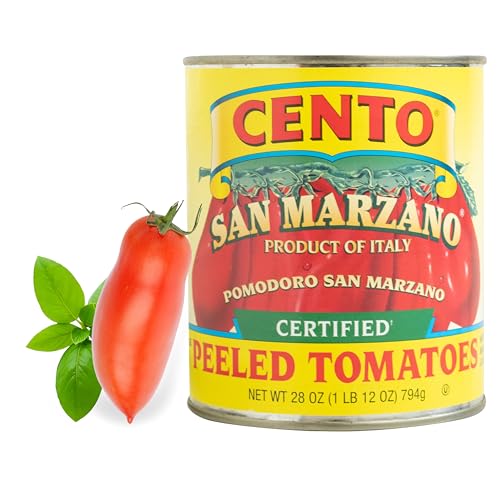
| Authentic Italian | Format: Whole peeled whole peeled plum tomatoes in thick puree with basil (28 oz) | Origin: Grown in Sarnese‑Nocerino area, Italy | Packaging Size / Format Type: Single 28 oz can | VIEW LATEST PRICE | Read Our Analysis |
| Cento Organic San Marzano Whole Peeled Tomatoes (6-pack) |

| Premium Organic | Format: Whole peeled plum tomatoes in thick puree with basil (28 oz, 6-pack) | Origin: Grown in Sarnese‑Nocerino area, Italy | Packaging Size / Format Type: 28 oz cans sold as a 6-pack | VIEW LATEST PRICE | Read Our Analysis |
| Cento Whole Peeled Plum Tomatoes with Basil (28 oz) |

| Flavor-Forward Pick | Format: Whole peeled plum tomatoes with basil (28 oz) | Origin: Grown and processed in Italy | Packaging Size / Format Type: Single 28 oz can | VIEW LATEST PRICE | Read Our Analysis |
More Details on Our Top Picks
365 by Whole Foods Market Organic Whole Peeled Tomatoes 28 oz
In case you’re looking for an organic, reliably clean ingredient for sauces or soups, 365 through Whole Foods Market Organic Whole Peeled Tomatoes (28 oz) is a smart pick – it’s USDA Organic, Non‑GMO Project verified, and kosher, so you can trust the ingredient quality and labeling. You get whole peeled tomatoes grown in California’s San Joaquin Valley, canned via a brand that bans 300+ undesirable ingredients like hydrogenated fats and high‑fructose corn syrup. You’ll appreciate the company’s strict sourcing, sustainable agriculture commitments, and inclusion in the 365 line, which aims to offer thoughtfully sourced, reliable pantry staples.
- Format:Whole peeled tomatoes (28 oz)
- Origin:Grown in California’s San Joaquin Valley (USA)
- Packaging Size / Format Type:Single 28 oz can
- Culinary Use / Recommended Use:Sauces, general cooking (pantry staple)
- Quality / Specialty Claim:USDA Organic; Non-GMO Project verified; strict ingredient standards
- Brand Positioning / Heritage:Whole Foods 365 private-label focusing on natural/organic and sustainability
- Additional Feature:Bans 300+ ingredients
- Additional Feature:Non-GMO Project verified
- Additional Feature:Kosher certified
SMT San Merican Tomato Whole Peeled Tomatoes 28 oz
Provided you cook for people who need reliable gluten-free pantry staples, SMT San Merican Tomato Whole Peeled Tomatoes, 28 oz is a go-to can that chefs and home cooks trust. You’ll recognize the iconic can on shelves and know it delivers consistent taste. Grown and packed in the USA, these whole peeled tomatoes balance sweetness and acidity, so sauces, pizza, and pasta turn out reliably well. Food journalists and pros rated them highly in blind tests, and home cooks echo that endorsement. They’re versatile, smooth, and dependable – and available for purchase whenever you want consistent quality in your gluten-free pantry.
- Format:Whole peeled tomatoes (28 oz)
- Origin:Grown and packed in the USA
- Packaging Size / Format Type:Single 28 oz can
- Culinary Use / Recommended Use:Sauces, pizza, pasta, general recipes
- Quality / Specialty Claim:Chef-endorsed; top-rated in blind tests; consistent quality
- Brand Positioning / Heritage:SMT San Merican – chef‑favored, iconic can with professional reputation
- Additional Feature:Chef-favorite endorsement
- Additional Feature:Top blind-test ratings
- Additional Feature:Grown & packed USA
Cento San Marzano Whole Peeled Tomatoes (28 oz)
Choose Cento San Marzano Whole Peeled Tomatoes (28 oz) whenever you want authentic, chef‑grade tomatoes that cut cooking time without sacrificing flavor. You’ll get whole, hand‑picked plum tomatoes packed in thick puree with basil, grown in the Sarnese‑Nocerino area and processed near the fields for freshness. Cento’s lot code and Find My Field let you trace seed to shelf. San Marzano fruit offers thicker walls, fewer seeds, lower acidity, and sturdy, balanced flavor-ideal for pasta or pizza sauces, soups, and stews. With over 60 years’ heritage, Cento’s a trusted pantry staple for home cooks and professionals.
- Format:Whole peeled whole peeled plum tomatoes in thick puree with basil (28 oz)
- Origin:Grown in Sarnese‑Nocerino area, Italy
- Packaging Size / Format Type:Single 28 oz can
- Culinary Use / Recommended Use:Pasta, pizza sauces, soups, stews
- Quality / Specialty Claim:Certified San Marzano; traceable (Find My Field)
- Brand Positioning / Heritage:Cento – 60+ years, premium/authentic Italian San Marzano tomatoes
- Additional Feature:Find My Field traceability
- Additional Feature:Thick puree with basil
- Additional Feature:Hand-picked, sun-ripened
Cento Organic San Marzano Whole Peeled Tomatoes (6-pack)
Should you want authentic, chef‑level tomatoes for sauces and pizzas, Cento Organic San Marzano Whole Peeled Tomatoes (6-pack) are a smart pick-hand‑picked and processed near the Sarnese‑Nocerino fields so you get sun‑ripened fruit with thick, low‑acid flesh and a flavor-packed puree with basil. You’ll get six 28 oz cans of certified organic San Marzano plums, whole and firm, in a sturdy, sweet-rich puree. Traceability via Find My Field ties each lot to its field. Chefs and home cooks rely on Cento’s consistent quality-thicker walls, fewer seeds, and lively freshness-making these tomatoes ideal for sauces, pizzas, and stews.
- Format:Whole peeled plum tomatoes in thick puree with basil (28 oz, 6-pack)
- Origin:Grown in Sarnese‑Nocerino area, Italy
- Packaging Size / Format Type:28 oz cans sold as a 6-pack
- Culinary Use / Recommended Use:Pasta, pizza sauces, soups, stews
- Quality / Specialty Claim:Certified Organic San Marzano; traceable (Find My Field)
- Brand Positioning / Heritage:Cento – 60+ years, premium organic San Marzano, trusted by chefs
- Additional Feature:Certified organic San Marzano
- Additional Feature:Pack of six cans
- Additional Feature:Field-level traceability
Cento Whole Peeled Plum Tomatoes with Basil (28 oz)
Should you want an authentic, no-fuss base for Italian dishes, Cento Whole Peeled Plum Tomatoes with Basil (28 oz) are a smart pick – grown and packed in Italy from vine-ripened fruit, they give you a sweet, sturdy tomato flavor with basil already included, BPA-free packaging, and a gluten-free, non‑GMO formulation trusted among chefs. You’ll get whole peeled plums packed in natural juices with basil leaf, no artificial preservatives, and specifications maintained from seed to shelf via a family company with 60+ years’ experience. Use them for sauces, marinara, pizza, soups, stews, curries, or any tomato-basil recipe needing reliable, farm-fresh taste.
- Format:Whole peeled plum tomatoes with basil (28 oz)
- Origin:Grown and processed in Italy
- Packaging Size / Format Type:Single 28 oz can
- Culinary Use / Recommended Use:Sauces, marinara, pizza, soups, stews, versatile Italian-style recipes
- Quality / Specialty Claim:Non-GMO; no artificial preservatives; BPA-free packaging
- Brand Positioning / Heritage:Cento – family brand, 60+ years, positioned for authentic Italian cooking
- Additional Feature:BPA-free packaging
- Additional Feature:No artificial preservatives
- Additional Feature:Non-GMO & gluten-free
Factors to Consider When Choosing Gluten Free Canned Peeled Tomatoes
Upon selecting gluten free canned peeled tomatoes, you’ll want clear ingredient lists and visible gluten-free certification labels. Check for information about processing facility practices and cross-contact risk so you can avoid concealed contamination. Also scan for added ingredients like starches or flavorings that might contain gluten.
Ingredient Transparency
Because canned peeled tomatoes can conceal unexpected additives or contamination risks, you’ll want to read labels carefully for true ingredient transparency. Check the ingredient list: authentic gluten‑free cans usually show only tomatoes, tomato juice or puree, and perhaps salt or basil. Watch for added thickeners, flavorings, or preservatives and for concealed gluten sources like modified food starch, dextrin, or maltodextrin-ingredients are listed, but not always their source. Look for explicit allergen statements or a “gluten‑free” label, and observe cross‑contact warnings such as “made in a facility that also processes wheat.” Verify non‑ingredient claims like “BPA‑free lining” are stated on the package. Should origin matter, use lot codes and contact the manufacturer to confirm any processing aids.
Gluten Cross‑Contact Risk
Don’t assume whole peeled tomatoes are always safe just because tomatoes themselves contain no gluten – cross‑contact can happen during processing provided equipment or added ingredients have been exposed to wheat. Check labels for allergen statements and whether the facility also handles sauces, crumbs, or seasonings with gluten, since shared lines increase risk. Cross‑contact is likeliest whenever herbs, pastes, or purees are added after peeling, so scrutinize ingredient order and product descriptions. Look for explicit “gluten‑free” claims or third‑party certification; manufacturers that test usually confirm gluten below 20 ppm. In case labeling’s unclear, contact the manufacturer and ask about cleaning protocols, line separation, and testing frequency to judge how thoroughly they prevent gluten cross‑contact before you buy.
Certification Labels
Since cross-contact can occur during processing, checking certification labels gives you stronger assurance than a plain ingredient list. Look for a recognized gluten-free certification logo (GFCO or a national authority) indicating independent testing and strict thresholds (commonly ≤10–20 ppm). Prefer cans bearing that mark if you need strict avoidance, because certification typically requires documented controls to prevent cross-contact. Read the label for statements like “tested gluten-free,” the certifier’s name, and a website so you can verify testing scope and ppm limits. Be cautious with voluntary “gluten-free” claims without third-party certification; those are self-declared and might lack routine testing or audits. Finally, confirm the certification applies to that specific canned tomato product, not just the brand.
Processing Facility Practices
In case you’re choosing canned peeled tomatoes for a strict gluten-free diet, check the processing facility’s controls to make sure cross-contact with gluten-containing grains is prevented: look for validated allergen plans that use physical separation, dedicated lines, or scheduled runs with documented cleaning, HACCP-based procedures with environmental swabbing and corrective-action records, incoming raw-material screening and supplier certificates for gluten, clear labeling and lot-traceability systems, and third-party audits that verify those practices. You’ll also want documented supplier qualification and certificates of analysis for gluten on incoming ingredients, routine environmental testing with recorded results and corrective actions, retained batch samples and batch codes for traceability, and third-party or gluten-specific audits confirming procedures and record-keeping. These reduce your contamination risk.
Added Ingredients Check
As you’re checking canned peeled tomatoes for a strict gluten-free diet, concentrate initially on the ingredient list and any included flavor packs or thickeners, because those are the most likely sources of concealed gluten. Check for wheat, barley, rye, malt, or hydrolyzed wheat proteins; they can hide in seasoning blends. Watch thickeners and stabilizers like maltodextrin, modified food starch, or dextrin-confirm their gluten-free source when not specified. Beware of added pasta, breadcrumbs, or wheat-based bulking agents and any “contains” statements that would disqualify the product. Scan for included flavor packs, pesto, roux, or spice blends, since they often introduce gluten. Prefer explicit “gluten-free” labels or certification, and should labeling be silent, contact the manufacturer for verification.
Packaging Materials Safety
In case you pick canned peeled tomatoes, pay attention not just to the ingredient list but also to the packaging: choose BPA‑free cans or glass jars and confirm can linings don’t contain bisphenol analogs (like BPS) or phthalates, since acidic tomatoes can promote chemical migration into the food. Check labels or manufacturer sites for FDA (or local authority) compliance and food‑grade liner certifications that specifically cover acidic products. Avoid damaged, bulging, or severely dented cans because compromised seals or coatings can lead to corrosion and contamination. Should you have severe sensitivities, opt for glass jars or cartons with inert, tested liners (for example Tetra Pak with a food‑grade barrier), and request migration testing or liner composition details whenever available.
Taste And Texture
Upon choosing gluten‑free canned peeled tomatoes, focus on how variety, packing liquid, and any added seasonings will affect the final mouthfeel and flavor so you get the result you want in soups, sauces, or braises. Pick whole or plum tomatoes with firm walls and fewer seeds; thicker walls hold texture during cooking. Check the packing: puree gives a richer, thicker mouthfeel, while juice preserves a lighter, fresher texture. Observe any added herbs like basil-these shift perceived balance and can cut down on extra seasoning. Prefer labels that say hand‑picked, sun‑ripened, or picked at peak ripeness for brighter, more balanced flavor. Finally, decide between lower‑acid, sweeter varieties for mildness and smoothness or higher‑acid ones for sharper tomato punch.
