

A simple tube of tomato paste can be your kitchen’s compass, pointing every sauce in the right direction. You want reliable flavor without gluten worries, and an easy way to portion and store what you don’t use. I’ll walk you through five top choices for 2026-brands that balance taste, safety, and convenience-so you can pick the one that fits your pantry and peace of mind.
| 365 by Whole Foods Market Tomato Paste Double Concentrated 5 Ounce |

| Clean Ingredients | Format: Resealable tube (5 oz) | Concentration: Double concentrated | Gluten Status: Gluten free (implied by ingredient restrictions/No artificials) | VIEW LATEST PRICE | Read Our Analysis |
| CONTADINA Tomato Paste 12 Pack 6 oz Can |
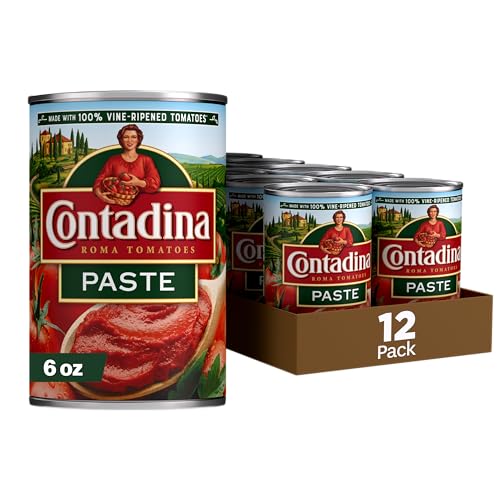
| Family Pack | Format: Individual cans (12 × 6 oz) | Concentration: Tomato paste (standard concentration) | Gluten Status: Gluten free (no artificial colors/flavors; suitable for general use) | VIEW LATEST PRICE | Read Our Analysis |
| Mutti Double Concentrated Tomato Paste Tubes (4-Pack) |

| Premium Flavor | Format: Resealable tubes (4 × 4.5 oz) | Concentration: Double concentrated | Gluten Status: Gluten free (explicitly gluten free) | VIEW LATEST PRICE | Read Our Analysis |
| Amazon Grocery Tomato Paste (6 oz) |

| Reliable Everyday | Format: Can (6 oz) | Concentration: Tomato paste (standard concentration) | Gluten Status: Gluten free (standard tomato paste formulation) | VIEW LATEST PRICE | Read Our Analysis |
| Cento Double Concentrated Tomato Paste Tube (4.56oz) |

| Chef’s Choice | Format: Resealable tube (4.56 oz) | Concentration: Double concentrated | Gluten Status: Gluten free (positioned as Italian tomato paste with simple ingredients) | VIEW LATEST PRICE | Read Our Analysis |
More Details on Our Top Picks
365 by Whole Foods Market Tomato Paste Double Concentrated 5 Ounce
Should you want a compact, double‑concentrated tomato paste that’s gluten‑free and free of artificial additives, 365 via Whole Foods Market’s 5‑ounce tube is a smart choice-its resealable format keeps portions fresh for sauces and recipes without waste. You’ll get a rich, sturdy tomato flavor without hydrogenated fats, high‑fructose corn syrup, or artificial sweeteners like aspartame. The 365 brand highlights natural and organic sourcing, strict quality standards, and sustainable agriculture across 2,500+ items. You can rely on thoughtful ingredient restrictions and consistent quality, making this tube ideal whenever you need dependable, concentrated tomato flavor in small batches.
- Format:Resealable tube (5 oz)
- Concentration:Double concentrated
- Gluten Status:Gluten free (implied by ingredient restrictions/No artificials)
- No Artificial Additives:No artificial ingredients
- Packaging BPA Status:Tube (BPA status not explicitly stated)
- Culinary Uses:Sauces and recipes (general cooking)
- Additional Feature:Resealable tube convenience
- Additional Feature:No artificial ingredients
- Additional Feature:Brand sustainability focus
CONTADINA Tomato Paste 12 Pack 6 oz Can
Provided you want a reliable, no-fuss tomato paste for everyday Italian cooking, CONTADINA’s 12-pack of 6 oz cans delivers consistent, rich flavor and BPA-free packaging you can trust. You’ll get vine-ripened tomatoes and non-GMO ingredients without artificial colors, flavors, or preservatives. The smooth, tangy paste concentrates authentic tomato taste so you can build sauces for spaghetti marinara, pizza, chicken parmesan, or hearty soups. The six-ounce cans are convenient for portion control and long-term pantry stocking. CONTADINA’s promise is straightforward: high-quality, home-cooking flavor that helps you bring people together over simple, satisfying meals.
- Format:Individual cans (12 × 6 oz)
- Concentration:Tomato paste (standard concentration)
- Gluten Status:Gluten free (no artificial colors/flavors; suitable for general use)
- No Artificial Additives:No artificial colors, flavors, or preservatives
- Packaging BPA Status:Non-BPA cans
- Culinary Uses:Pasta, pizza, soups, authentic Italian meals
- Additional Feature:Twelve-can bulk pack
- Additional Feature:Vine-ripened tomatoes
- Additional Feature:Non-BPA cans
Mutti Double Concentrated Tomato Paste Tubes (4-Pack)
In case you want finely concentrated tomato flavor in handy, no-waste portions, Mutti’s Double Concentrated Tomato Paste tubes are a great choice for home cooks who value precision and quality. You’ll get four 4.5 oz non-BPA tubes made in Italy, each from 100% Italian tomatoes with no GMOs, additives, or preservatives. With 5½ lbs of fresh tomatoes condensed into every pound of paste, the flavor is intensely rich and ideal for Bolognese, stews, casseroles, sauces, or any dish needing concentrated tomato depth. Vegan, gluten free, and supported through Mutti’s sustainability partnership with WWF Italy, they’re reliable and convenient.
- Format:Resealable tubes (4 × 4.5 oz)
- Concentration:Double concentrated
- Gluten Status:Gluten free (explicitly gluten free)
- No Artificial Additives:No additives or preservatives
- Packaging BPA Status:Non-BPA packaging
- Culinary Uses:Bolognese, casseroles, stews, sauces
- Additional Feature:100% Italian tomatoes
- Additional Feature:Made in Italy
- Additional Feature:WWF sustainability partnership
Amazon Grocery Tomato Paste (6 oz)
Provided that you want a simple, budget-friendly tomato paste that’s reliably gluten-free and easy to stock, the Amazon Grocery 6 oz can fits the bill. You’ll get steam-peeled tomatoes concentrated into a classic paste formulation that hasn’t changed despite a packaging shift from Amazon Fresh to Amazon Grocery. Packaging might differ, but the contents stay consistent, so you won’t lose quality whenever labels update. It’s a straightforward pantry staple for sauces, stews, and quick recipes whenever you require dependable tomato flavor without allergens. You’ll also appreciate that it’s part of Amazon Grocery’s everyday lineup and comes at an affordable price.
- Format:Can (6 oz)
- Concentration:Tomato paste (standard concentration)
- Gluten Status:Gluten free (standard tomato paste formulation)
- No Artificial Additives:No change to formulation (steam-peeled tomatoes; no added artificials indicated)
- Packaging BPA Status:Can (BPA status not specified)
- Culinary Uses:Everyday meal preparation (general tomato paste uses)
- Additional Feature:Steam-peeled tomatoes
- Additional Feature:Packaging transition note
- Additional Feature:Amazon Grocery line
Cento Double Concentrated Tomato Paste Tube (4.56oz)
Provided you want a no-fuss, authentic Italian paste that keeps leftovers from going to waste, Cento’s double-concentrated tomato paste in a resealable 4.56 oz tube is a great choice. You’ll get thick, hearty paste from ripe Italian tomatoes, made for Cento Fine Foods, a family company with over 60 years’ experience. A tablespoon replaces standard canned paste, enhancing pasta, pizza, soups, stews, and crushed tomato sauces with hearty flavor. The BPA-free tube lets you squeeze fresh portions and avoid waste; refrigerated after opening it stays good 30–45 days. It’s low-sodium and held to strict quality standards.
- Format:Resealable tube (4.56 oz)
- Concentration:Double concentrated
- Gluten Status:Gluten free (positioned as Italian tomato paste with simple ingredients)
- No Artificial Additives:Made from ripe tomatoes with simple ingredients (no artificial additives noted)
- Packaging BPA Status:BPA-free tube
- Culinary Uses:Pasta sauces, pizza, soups, stews, sauce enhancement
- Additional Feature:Grown and processed Italy
- Additional Feature:Resealable, BPA-free tube
- Additional Feature:Keeps 30–45 days refrigerated
Factors to Consider When Choosing Gluten Free Canned Tomato Pastes
Upon selecting a gluten-free canned tomato paste, you should look for official gluten-free certification and clear ingredient lists so you know what’s actually in the can. Check for allergen cross-contact statements and minimal sodium or additives to keep the product safe and healthy. Don’t forget to take into account packaging materials and BPA-free cans to avoid unwanted contaminants.
Gluten-Free Certification
Because gluten can sneak in during ingredient sourcing or processing, you should prioritize clear gluten-free labeling or third-party certification whenever choosing canned tomato paste. Look for an explicit “gluten-free” claim indicating the product meets the common <20 ppm threshold, and prefer recognizable certifiers (GFCO, USP, etc.) that require testing and facility audits. Check the label for wheat, barley, rye, malt, or maltodextrin from wheat and for shared-equipment warnings that signal cross-contact risk. Favor manufacturers that routinely test finished products and ingredient lots and publish results; that transparency reduces contamination from processing or supply-chain impurities. In case you have celiac disease or severe sensitivity, choose items with testing to <10 ppm or a reputable third-party certification rather than relying on voluntary claims.
Ingredient Transparency
Provided you want to be sure a canned tomato paste is safe for a strict gluten-free diet, look for full ingredient lists that name only tomatoes, salt, and-occasionally-citric acid, and check for explicit “gluten-free” claims or third-party certification. You should also scan labels for ambiguous additives like maltodextrin, hydrolyzed wheat protein, or malt-derived ingredients and avoid products that don’t disclose sources. Read manufacturing and allergen statements for mentions of shared equipment or facilities that process wheat, since cross-contact risk matters. Should labeling or processing details be unclear, contact the manufacturer and ask for sourcing and testing information (including ppm gluten levels). Prioritize brands that provide clear ingredient transparency and verifiable testing.
Allergen Cross-Contact
Should you need a truly gluten-free tomato paste, pay close attention to cross-contact risks during processing, packaging, and storage-shared equipment, reused containers, or contaminated incoming ingredients can leave trace gluten that matters for sensitive people. You should prefer brands that process only gluten-free products or that segregate lines and document cleaning between runs, since mixers, conveyors, and filling lines can harbor residues down to parts-per-million levels. Ask about supplier controls and certificates for spices, starches, and bulk additives, because incoming contamination is common. Verify that packaging and storage protocols prevent reuse of utensils or containers that once held wheat, barley, rye, or malt. Finally, choose products with verified gluten-free labeling backed with testing and written cleaning and segregation procedures for the best assurance.
Sodium And Additives
At the moment you’re choosing a gluten-free canned tomato paste, don’t presume “gluten-free” means low sodium or free of flavor-boosting additives-check the Nutrition Facts and ingredient list for added salt, broth, MSG, hydrolyzed proteins, or nucleotide additives that can amplify perceived saltiness or trigger sensitivities. You should compare sodium per serving: some pastes list 0–35 mg per tablespoon, others 100 mg or more whenever salt’s added. Prefer ingredient lists showing only tomatoes (and perhaps citric acid) to avoid concealed sodium from broths or flavor enhancers. In case you need strict control, choose “no salt added” labels or standardize comparisons through using mg sodium per 100 g. Keep in mind gluten-free certification doesn’t address sodium, so always read labels.
Packaging Materials Safety
Because tomato paste is highly acidic, the packaging matters as much as the ingredient list-you’ll want BPA-free cans or tubes and non-reactive inner linings (polyester or acrylic alternatives) to prevent chemical leaching and metallic flavors. Check labels for “BPA-free” and recycling codes so you can verify safer lining materials or tube plastics. Avoid dented, swollen, or damaged containers-compromised seals or coatings raise contamination and spoilage risks. Prefer resealable options like tubes or pouches to limit air exposure and repeated contamination after opening. Inspect can seams and tube crimps for integrity before purchase, and favor brands that disclose lining type. These steps reduce chemical exposure and off-flavors, helping you choose a safer, longer-lasting gluten-free tomato paste.
Concentration And Yield
Whenever you compare tomato pastes, concentration is the key factor that determines how much you’ll use and what results you get: double-concentrated pastes pack roughly twice the tomato solids of standard pastes, so a tablespoon can replace two to three tablespoons of single concentrate. You’ll notice thicker texture and stronger binding with higher concentrates, so sauces and stews thicken without diluting other ingredients. Whenever calculating yield, treat concentration as proportional to solids-smaller volumes equal the same tomato mass. Also adjust portioning and nutrition: concentrated pastes deliver more calories, natural sugars, and micronutrients per teaspoon, so scale recipes provided you swap concentrates. For minimal waste and precise dosing, consider tube formats that let you dispense small amounts of highly concentrated paste.
Flavor Intensity Profile
Whenever you pick a gluten-free canned tomato paste, flavor intensity should guide your choice because concentration, processing, acidity, and natural sugars all shape how the paste will read in a dish. Check labels for concentration-“double-concentrated” or paste-to-fresh ratios usually mean more intense, sweeter, umami-rich results because water, sugars, and acids are concentrated. Color helps too: deeper, darker red often signals stronger, caramelized tomato flavor. Consider acidity versus sugar: higher acidity gives brightness and tang, higher sugar yields rounded sweetness and richness. Processing matters-steam-peeled or slowly reduced pastes develop Maillard and caramelization compounds that amplify savory depth. Use high-intensity paste whenever you need bold flavor in small amounts; choose milder paste for larger volumes or whenever you want a fresher, brighter tomato note.
Storage And Shelf-Life
Upon selecting a gluten‑free canned tomato paste, pay close attention to storage and shelf‑life so you don’t lose flavor or risk spoilage. Unopened cans or sealed tubes keep best quality 12–24 months in a cool, dry pantry-always check the “best by” date. Once opened, move paste from metal cans into an airtight food‑safe container (or keep it in its resealable tube), smooth the surface, press plastic wrap onto it or add a thin film of olive oil, then refrigerate; it’ll last about 5–7 days. For longer storage, freeze portioned paste (ice cube trays or small sealed containers), label with the date, and use within 2–3 months for optimal quality. Inspect prior to use and discard should mold, off smells, slime, or bulging develop.
