

You want a rich, savory soy sauce but also need to avoid gluten, and that tension can feel frustrating and risky. You’re not alone, and you can still enjoy real, brewed soy sauces that are tested or labeled gluten free. I’ll walk you through seven trusted choices, from everyday pantry bottles to small-batch barrel-aged varieties, so you can match flavor, salt level, and safety to your cooking. Keep going to find the right bottle for your meals and peace of mind.
| Kikkoman Soy Sauce 1.25 qt |

| Best All-Purpose | Ingredients: Water, wheat, soybeans, salt | Flavor Profile / Taste Character: Complex, balanced umami; full flavor | Primary Uses: All-purpose seasoning — cooking, marinades, dipping | VIEW LATEST PRICE | Read Our Analysis |
| Kikkoman Traditionally Brewed Gluten-Free Soy Sauce (20 oz) |

| Best for Gluten-Free | Ingredients: Water, wheat, soybean, salt, <1% sodium benzoate | Flavor Profile / Taste Character: Authentic, rich umami; enhances depth/complexity | Primary Uses: Seasoning, marinating, dipping; Asian & non-Asian cuisines | VIEW LATEST PRICE | Read Our Analysis |
| Kikkoman Reduced Sodium Soy Sauce 10 fl oz |

| Low-Sodium Choice | Ingredients: Water, wheat, salt, lactic acid, (sodium benzoate preservative) | Flavor Profile / Taste Character: Characteristic Kikkoman flavor with reduced sodium; umami-preserving | Primary Uses: Stir-fries, marinades, dipping sauces, dressings | VIEW LATEST PRICE | Read Our Analysis |
| Aloha Shoyu Original Blend Soy Sauce (24 oz) |
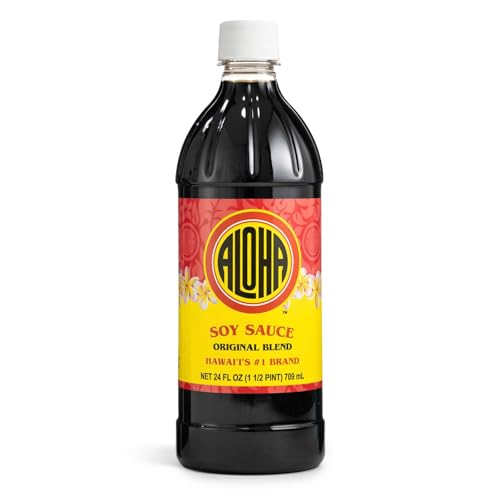
| Best Island Flavor | Ingredients: Water, wheat gluten, salt, sugar, fermented soybeans, caramel coloring, preservatives (sodium benzoate, potassium sorbate) | Flavor Profile / Taste Character: Sweet, light, smooth, savory, bold; minimal acidity | Primary Uses: Cooking, dipping, marinating; pairs with grilled chicken, salads | VIEW LATEST PRICE | Read Our Analysis |
| Kikkoman Lite Soy Sauce 64-Ounce Bottle |

| Best Reduced-Sodium | Ingredients: (Not fully listed) brewed soy sauce ingredients (implied soy/wheat/water/salt) | Flavor Profile / Taste Character: Rich umami with reduced/“lite” sodium profile | Primary Uses: Cooking, marinades, sauces; general seasoning | VIEW LATEST PRICE | Read Our Analysis |
| Yamaroku Tsuru Bisiho Barrel-Aged 4-Year Soy Sauce |

| Premium Artisan Pick | Ingredients: Soy beans, wheat, salt, water (no preservatives, no artificial coloring) | Flavor Profile / Taste Character: Deep, full, rounded, rich mellow umami; sweet-and-salty balance | Primary Uses: Sushi/sashimi, tofu, grilled fish, ramen, ponzu, teriyaki, finishing/specialty uses | VIEW LATEST PRICE | Read Our Analysis |
| Yamaroku 4-Year Barrel Aged Premium Japanese Soy Sauce |

| Best for Serving | Ingredients: Soybeans, wheat, salt, water (no preservatives or additives) | Flavor Profile / Taste Character: Rich umami, deep balanced taste | Primary Uses: Sushi/sashimi, grilled fish, ramen, ponzu, teriyaki, gourmet dishes | VIEW LATEST PRICE | Read Our Analysis |
More Details on Our Top Picks
Kikkoman Soy Sauce 1.25 qt
In case you want a reliable, everyday gluten free option that still gives dishes real depth, Kikkoman’s 1.25 quart soy sauce makes a smart choice. You’ll appreciate that Kikkoman is a trusted name, naturally brewed and aged to bring out complex flavor and a delicate aroma. Made from water, wheat, soybeans, and salt, it has a reddish brown color that livens sauces and marinades. You can use it for cooking, dipping, and seasoning without it overpowering your food. It’s vegan friendly and certified kosher, and the larger bottle keeps your pantry stocked for regular use.
- Ingredients:Water, wheat, soybeans, salt
- Flavor Profile / Taste Character:Complex, balanced umami; full flavor
- Primary Uses:All-purpose seasoning — cooking, marinades, dipping
- Packaging Size / Format:1.25 qt bottle
- Preservation / Additives:Naturally brewed (no preservatives listed)
- Dietary / Certification Notes:Popular with vegans; certified kosher
- Additional Feature:Naturally brewed/aged
- Additional Feature:Certified kosher
- Additional Feature:All-purpose bulk bottle
Kikkoman Traditionally Brewed Gluten-Free Soy Sauce (20 oz)
In case you want a reliable, gluten-free soy sauce that still gives you that deep, savory kick, Kikkoman Traditionally Brewed Gluten-Free Soy Sauce is a smart pick for home cooks and anyone with gluten sensitivities. You’ll notice authentic umami right away, with a pleasant aroma that invites you to cook. It uses water, wheat, soybean, salt, and a tiny amount of sodium benzoate for freshness, yet it’s certified gluten-free so you can trust it. The 20 oz bottle pours neatly for seasoning, marinating, and dipping, and it lifts both Asian and non-Asian dishes with balanced depth and control.
- Ingredients:Water, wheat, soybean, salt, <1% sodium benzoate
- Flavor Profile / Taste Character:Authentic, rich umami; enhances depth/complexity
- Primary Uses:Seasoning, marinating, dipping; Asian & non-Asian cuisines
- Packaging Size / Format:20 oz bottle (pack of 1)
- Preservation / Additives:Contains <1% sodium benzoate preservative
- Dietary / Certification Notes:Labeled gluten-free (suitable for gluten sensitivities)
- Additional Feature:Gluten-free labeled
- Additional Feature:Easy-pour control bottle
- Additional Feature:Rich umami aroma
Kikkoman Reduced Sodium Soy Sauce 10 fl oz
Should you want a familiar Kikkoman taste with less salt, this 10 fl oz reduced sodium soy sauce is a smart pick for anyone watching their sodium without giving up flavor. You’ll find water, wheat, salt, and lactic acid listed, plus a small amount of sodium benzoate to keep it fresh. It preserves Kikkoman’s brewed umami so you can use it in stir fries, marinades, dips, and dressings with confidence. The smaller bottle fits your pantry and won’t take up much space. You’ll appreciate the milder saltiness and the easy swap into recipes you already love.
- Ingredients:Water, wheat, salt, lactic acid, (sodium benzoate preservative)
- Flavor Profile / Taste Character:Characteristic Kikkoman flavor with reduced sodium; umami-preserving
- Primary Uses:Stir-fries, marinades, dipping sauces, dressings
- Packaging Size / Format:10 fl oz bottle (pack of 1)
- Preservation / Additives:Contains sodium benzoate (limited quantity) and lactic acid
- Dietary / Certification Notes:Reduced sodium (sodium-conscious consumers)
- Additional Feature:Reduced sodium formulation
- Additional Feature:Small, easy-handle bottle
- Additional Feature:Lactic acid included
Aloha Shoyu Original Blend Soy Sauce (24 oz)
Pick Aloha Shoyu Original Blend whenever you want a sweet, light soy sauce that won’t overpower your dish. You’ll notice smooth, savory, bold flavors with minimal acidity, so it pairs well with grilled Hawaiian chicken and bright salads like spinach and carrot. Made in Hawaii since 1946, it blends Japanese influence and island tradition into a balanced soy and umami profile. The bottle is 24 oz, and ingredients include water, wheat gluten, salt, sugar, fermented soybeans, caramel coloring, and preservatives. Use it for cooking, dipping, and marinating whenever you want authentic, island inspired taste that comforts and delights.
- Ingredients:Water, wheat gluten, salt, sugar, fermented soybeans, caramel coloring, preservatives (sodium benzoate, potassium sorbate)
- Flavor Profile / Taste Character:Sweet, light, smooth, savory, bold; minimal acidity
- Primary Uses:Cooking, dipping, marinating; pairs with grilled chicken, salads
- Packaging Size / Format:24 oz bottle
- Preservation / Additives:Contains preservatives (sodium benzoate, potassium sorbate) and caramel coloring
- Dietary / Certification Notes:Traditional island recipe (no specific certifications listed)
- Additional Feature:Hawaiian-made tradition
- Additional Feature:Sweet, light profile
- Additional Feature:Contains sugar/caramel
Kikkoman Lite Soy Sauce 64-Ounce Bottle
Should you want a lower-sodium soy sauce that still brings deep umami to your meals, Kikkoman Lite in the 64-ounce bottle makes that easy to do. You’ll like that it cuts sodium by 38% yet keeps the savory taste you expect. Use it for cooking, marinades, and sauces to enhance flavor without overwhelming saltiness. It’s brewed in the USA to Kikkoman quality standards and comes certified Kosher, so you can trust its production. The large bottle suits frequent cooks and families. You’ll find it versatile for both Asian and Western dishes, and it feels reliably familiar.
- Ingredients:(Not fully listed) brewed soy sauce ingredients (implied soy/wheat/water/salt)
- Flavor Profile / Taste Character:Rich umami with reduced/“lite” sodium profile
- Primary Uses:Cooking, marinades, sauces; general seasoning
- Packaging Size / Format:64 oz (2 qt) bottle
- Preservation / Additives:Not specified (standard production/preservatives not listed)
- Dietary / Certification Notes:38% less sodium vs. regular Kikkoman; certified Kosher
- Additional Feature:38% less sodium
- Additional Feature:Brewed in USA
- Additional Feature:Large 64‑ounce size
Yamaroku Tsuru Bisiho Barrel-Aged 4-Year Soy Sauce
Provided you want a soy sauce that tastes like tradition and careful craft, you’ll love Yamaroku Tsuru Bisiho Barrel-Aged 4-Year. You’ll feel the history in every drop because it’s brewed with ancient methods and rested four years in 100-year-old Kioke wooden barrels. You get pure ingredients—soy beans, wheat, salt, water—with no preservatives or artificial color. The flavor is deep, rounded, and warmly umami, balanced sweet and salty. Use it on sushi, sashimi, tofu, grilled fish, ramen, ponzu, teriyaki, or even vanilla ice cream for a caramel notice. It comes in an easy open glass dispenser for daily joy.
- Ingredients:Soy beans, wheat, salt, water (no preservatives, no artificial coloring)
- Flavor Profile / Taste Character:Deep, full, rounded, rich mellow umami; sweet-and-salty balance
- Primary Uses:Sushi/sashimi, tofu, grilled fish, ramen, ponzu, teriyaki, finishing/specialty uses
- Packaging Size / Format:18 oz (532 ml) glass dispenser bottle
- Preservation / Additives:No preservatives, no artificial coloring, no fillers
- Dietary / Certification Notes:Pure artisan shoyu (no additives) — premium/gourmet positioning
- Additional Feature:Aged 4 years
- Additional Feature:Kioke wooden barrels
- Additional Feature:No preservatives/additives
Yamaroku 4-Year Barrel Aged Premium Japanese Soy Sauce
Should you want a soy sauce that feels like a small luxury and truly honors traditional craft, Yamaroku 4-Year Barrel Aged Premium Japanese Soy Sauce is a great choice for home cooks and food lovers who care about authentic flavor and ingredient purity. You’ll appreciate its slow, natural fermentation and four years of aging in 100 year old Kioke barrels. The simple ingredient list shows soybeans, wheat, salt, and water with no preservatives. It pours from a neat 5 oz glass dispenser and adds rich umami to sushi, sashimi, grilled fish, ramen, ponzu, teriyaki, and other gourmet dishes you make.
- Ingredients:Soybeans, wheat, salt, water (no preservatives or additives)
- Flavor Profile / Taste Character:Rich umami, deep balanced taste
- Primary Uses:Sushi/sashimi, grilled fish, ramen, ponzu, teriyaki, gourmet dishes
- Packaging Size / Format:5 oz glass dispenser bottle
- Preservation / Additives:No preservatives or artificial additives
- Dietary / Certification Notes:Natural/traditional formulation (no additives) — premium/gourmet positioning
- Additional Feature:4-year barrel-aged
- Additional Feature:Elegant glass dispenser
- Additional Feature:Naturally fermented traditional brewing
Factors to Consider When Choosing Gluten Free Soy Sauces
Whenever you pick a gluten free soy sauce, look initially for clear gluten-free certification and full ingredient lists so you can trust what’s in the bottle. Pay attention to wheat-free alternatives and the risk of cross-contact at the factory, because that’s where concealed gluten often shows up. Also consider the flavor balance you want, since some gluten free options lean sweeter or saltier and should match the dishes you’ll make.
Gluten-Free Certification
Choosing a gluten-free soy sauce feels safer whenever you can point to a trusted certification, and you deserve labels that tell the full story. Look for an explicit third-party gluten-free logo from a recognized certifier, since that shows testing and audits. Verify the standard used, such as a ≤20 ppm definition, because standards differ and you want clarity. Confirm the certification covers the finished product and the factory controls that prevent cross-contact, not just raw ingredients. Check the scope and expiration date, because some seals apply only to certain lines or need renewal. In case no seal appears, ask for a clear manufacturer statement with documented ppm test results and a stated testing frequency like batch or routine surveillance.
Ingredient Transparency
Provided you want to trust a gluten-free soy sauce, look for clear ingredient lists and plain statements that spell out what went into the bottle and how it was handled. You should read every ingredient and note soy source and any possible wheat-derived items so you can confirm no gluten grains are present. Also seek explicit “gluten-free” labels and a testing threshold like <20 ppm so you know the maker follows rules. Pay attention to cross-contact details about shared equipment, dedicated lines, and cleaning steps because those tell you contamination risk. Whenever manufacturers disclose preservatives, additives, and fermentation aids, you can judge concealed gluten chances. Finally, favor brands that publish third-party certifications or lab test results to enhance trust and peace of mind.
Wheat-Free Alternatives
You’ve already learned how to read labels and spot cross-contact risks, so now let’s look at true wheat-free options and what matters whenever you choose one. You’ll find tamari-style sauces made from fermented soybeans and coconut aminos made from fermented coconut sap. Both skip wheat, so they’re safer for celiac disease or wheat allergy, but you should check labels for gluten-free certification or test results under 20 ppm. Keep in mind some tamari still has trace wheat unless it says wheat-free. Coconut aminos are soy-free, sweeter, and lower in sodium, so you might want to tweak recipes for salt and umami. Also scan ingredients in case you have other allergies, since tamari contains soy and coconut aminos won’t suit coconut allergies. Adjust amounts and seasonings to match your taste.
Cross-Contact Risk
At the moment you desire a genuinely safe gluten-free soy sauce, consider beyond the bottle and watch where it lives and how it’s handled. You’ll want to check for cross-contact hazards like shared utensils, draining boards, and refill dispensers, since those can contaminate a safe product. Even tiny traces of gluten can hurt someone who’s very sensitive, so don’t trust unclean equipment. Ask restaurants and makers whether they use dedicated, labeled containers and store gluten-free sauce separately from regular sauce. Whenever sauces are decanted, verify hoses, nozzles, and bottles are cleaned and sanitized between uses or insist on single-use bottles. Also look for staff training, written allergen plans, cleaning schedules, and logs, because clear procedures cut human error and protect you.
Flavor Profile Balance
Choosing a gluten-free soy sauce starts with considering about balance, because the right sauce can lift a dish without stealing the show. You want a clear sense of how umami, salt, and sweetness will play together. Read tasting notes so you know whether a sauce will add brightness, deep savory body, or a touch of sweet. Consider about fermentation aromas too, since longer-fermented options give rounded complexity instead of sharp salt. Also notice texture and body, because thin sauces suit dressings and marinades while fuller ones cling to glazes. Match the sauce to the dish: pick milder gluten-free soy for delicate raw dishes and a sturdy umami-forward choice for grilled or braised foods. That way your meal stays balanced and satisfying.
Sodium And Nutrition
Watching your sodium intake matters whenever you’re picking a gluten-free soy sauce, because these condiments can add a surprising amount of salt to a meal. You’ll find wide sodium swings, with regular soy-style sauces around 900 to 1,000 mg per tablespoon and reduced-sodium options often between 300 and 700 mg. So read labels closely. Look for a stated mg per serving and compare serving sizes, since reduced can mean 25 to 50 percent less. Should you need lower salt, choose low-sodium brands or dilute stronger sauces with broth, citrus, or water during cooking. Be aware that low-sodium versions could taste lighter, so you may end up using more. People on strict sodium limits ought to add up all ingredients to stay within daily goals.
Allergen Labeling Clarity
Because labels can be confusing, you’ll want to read them carefully while picking a gluten-free soy sauce so you know exactly what’s inside and how the product was handled. Look initially for a clear gluten-free statement on the front and in the ingredient list. Then scan ingredients for wheat, barley, rye, malt, malt vinegar, malt extract, or hydrolyzed wheat protein, since any of those usually mean the sauce isn’t safe. Check allergen boxes that say contains or could contain wheat and notices about processing facilities, because cross-contact can matter. Prefer products with third-party certification or a testing statement showing gluten under 20 ppm. Should anything feel unclear, contact the manufacturer or visit their website to ask about ingredients, cross-contact controls, and testing protocols.
Packaging And Storage
You’ve already learned how to read labels and spot concealed gluten, so now let’s look at how packaging and storage keep your gluten-free soy sauce safe and tasty. Look for airtight, opaque or dark glass bottles or UV-resistant plastic to block light and oxygen that dull flavor and color. Pick bottles with secure, leak-proof caps or pour spouts so air and spills don’t invite contamination. Single-serve packets or small bottles help should you use soy sauce rarely and want freshness with each serving. Check for tamper-evident seals and clear gluten-free certification so you may trust the product came to you intact. Store unopened bottles in a cool, dark place, and once opened, refrigerate or tightly reseal and keep in a cool pantry.
