

You want bright, GMO free matcha that actually tastes fresh and smooth, and you’ll find great options like OSULLOC and Hayashiya for ceremonial bowls, Traditional Medicinals for a gentle genmaicha blend, Republic of Tea for everyday brewed cups, and Rishi in case you prefer a sweet latte mix. Look for shade-grown, stone-ground, and sealed tins or nitrogen-flushed bags to protect color and aroma, check organic and non GMO seals, and try small tins initially to find your favorite before you buy more – keep going and you’ll learn which suits your ritual.
| OSULLOC Volcanic Isle Ceremonial Jeju Matcha Powder |

| Mindful Morning Pick | Origin: Jeju Island, Korea | Grade / Style: Ceremonial-grade matcha | Organic / Non-GMO Status: Full traceability; shade-grown (organic fields noted) | VIEW LATEST PRICE | Read Our Analysis |
| Traditional Medicinals Organic Matcha Genmaicha Green Tea |

| Digestive-Friendly Blend | Origin: (blend style based on) Japan (sencha + matcha tradition) | Grade / Style: Matcha-iri genmaicha (crushed sencha + matcha) | Organic / Non-GMO Status: USDA Organic; Non-GMO | VIEW LATEST PRICE | Read Our Analysis |
| Hayashiya Ceremonial Matcha Powder (30g) |
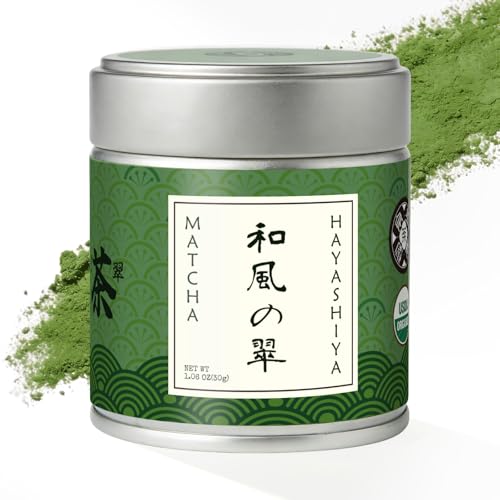
| Ceremonial Classic | Origin: Kyoto, Japan | Grade / Style: Ceremonial-grade matcha (first harvest) | Organic / Non-GMO Status: USDA Organic | VIEW LATEST PRICE | Read Our Analysis |
| Rishi Sweet Matcha Green Tea Powder (3-Pack) |
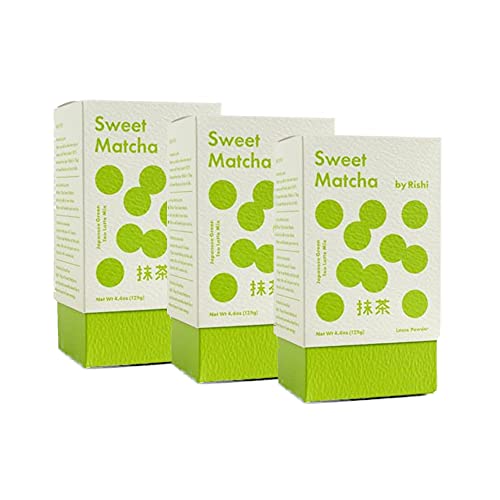
| Barista-Friendly Sweet | Origin: Japan (Japanese matcha) | Grade / Style: Sweet matcha latte powder (barista-style blend) | Organic / Non-GMO Status: Non-GMO (Kosher; grown without harmful chemicals) | VIEW LATEST PRICE | Read Our Analysis |
| Republic of Tea Organic Double Green Matcha (50 Cups) |

| High-Yield Bold Blend | Origin: China, Japan | Grade / Style: Double green (matcha + green tea leaves; concentrated blend) | Organic / Non-GMO Status: USDA Organic; Non-GMO Project Verified | VIEW LATEST PRICE | Read Our Analysis |
More Details on Our Top Picks
OSULLOC Volcanic Isle Ceremonial Jeju Matcha Powder
In case you want a gentle, reliable matcha that feels like a calm morning in a cup, OSULLOC Volcanic Isle Ceremonial Jeju Matcha Powder is a strong choice. You’ll notice its smooth, balanced flavor whenever you whisk it into a latte. It’s shade-grown on Jeju Island, so it’s rich in L-theanine and has a velvety umami finish with gentle sweetness and low bitterness. The volcanic soil and ocean breezes give it subtle complexity, and OSULLOC traces every step back to organic fields. You can trust the 40 gram ceremonial grade for mindful mornings and steady, focused energy.
- Origin:Jeju Island, Korea
- Grade / Style:Ceremonial-grade matcha
- Organic / Non-GMO Status:Full traceability; shade-grown (organic fields noted)
- Intended Use:Matcha lattes / mindful mornings / traditional whisking
- Caffeine / Effect:L-theanine + natural caffeine for calm, focused energy
- Packaging / Quantity Format:40 g (1.41 oz) loose ceremonial matcha
- Additional Feature:Jeju volcanic terroir
- Additional Feature:Full traceability to fields
- Additional Feature:Shade-grown for L-theanine
Traditional Medicinals Organic Matcha Genmaicha Green Tea
In case you want a gentle, clean matcha experience that’s also GMO free and organic, Traditional Medicinals Organic Matcha Genmaicha is a smart pick for 2026. You’ll find crushed sencha and finely powdered matcha blended with toasted rice, so the flavor stays earthy and slightly bittersweet while offering warm, nutty notes. You can brew a mild, invigorating cup from a tea bag, and compostable packaging keeps waste low. It’s USDA organic, kosher, non-GMO, caffeine free, and herbalist formulated, so you can enjoy it during conversation or for digestive comfort with steady, easy reassurance.
- Origin:(blend style based on) Japan (sencha + matcha tradition)
- Grade / Style:Matcha-iri genmaicha (crushed sencha + matcha)
- Organic / Non-GMO Status:USDA Organic; Non-GMO
- Intended Use:Tea bags for hot brewed genmaicha-style tea
- Caffeine / Effect:Mildly invigorating (contains caffeine from green tea; labeled caffeine-free in summary but likely low-note: product summary lists “caffeine-free” though matcha/green tea normally contains caffeine)
- Packaging / Quantity Format:96 tea bags (6 pack)
- Additional Feature:Toasted rice inclusion
- Additional Feature:96 tea-bag pack
- Additional Feature:Compostable tea bags
Hayashiya Ceremonial Matcha Powder (30g)
You’ll love Hayashiya Ceremonial Matcha provided you want a bright, smooth cup that supports focus without the jittery rush of coffee. You get ceremonial grade from Kyoto, made from initial harvest leaves that taste naturally sweet with umami. It’s USDA Organic and stone-ground in small batches, so the powder stays ultra-fine and silky. Because it keeps EGCG, L-theanine, and gentle caffeine, you feel calm alertness and a metabolism enhancement. Use it for traditional tea, lattes, smoothies, or baking. The 30 g sealed, light-blocking tin preserves freshness, so it fits daily rituals or thoughtful gifting.
- Origin:Kyoto, Japan
- Grade / Style:Ceremonial-grade matcha (first harvest)
- Organic / Non-GMO Status:USDA Organic
- Intended Use:Traditional tea, lattes, smoothies, baking
- Caffeine / Effect:Natural caffeine + L-theanine for calm alertness
- Packaging / Quantity Format:30 g sealed tin (airtight, light-blocking)
- Additional Feature:Stone-ground granite mills
- Additional Feature:First-harvest leaves
- Additional Feature:Light-blocking airtight tin
Rishi Sweet Matcha Green Tea Powder (3-Pack)
Provided you want a fuss-free, naturally sweet matcha that makes café-style lattes at home, Rishi Sweet Matcha Green Tea Powder (3-Pack) should be top of your list. You’ll get three 4.4 oz tins, each making about ten lattes, so you can share or keep a steady supply. The blend pairs Japanese matcha with pure sugar cane, so it tastes smooth and dissolves easily in hot or cold drinks. It’s certified Kosher, non-GMO, and direct-trade, grown without harmful chemicals. You can use it for lattes, iced matcha, or matcha lemonade and enjoy daily mental and physical calm.
- Origin:Japan (Japanese matcha)
- Grade / Style:Sweet matcha latte powder (barista-style blend)
- Organic / Non-GMO Status:Non-GMO (Kosher; grown without harmful chemicals)
- Intended Use:Matcha lattes / iced lattes / barista-style drinks
- Caffeine / Effect:Contains caffeine (matcha-based; for mental/physical well-being)
- Packaging / Quantity Format:3 × 4.4 oz packs (matcha latte powder; each ~10 lattes)
- Additional Feature:Blended with cane sugar
- Additional Feature:Barista-ready solubility
- Additional Feature:Direct-trade sourcing
Republic of Tea Organic Double Green Matcha (50 Cups)
In case you want a bold, concentrated matcha that’s both organic and Non GMO Project Verified, the Republic of Tea Organic Double Green Matcha is an excellent pick for daily drinkers and tea voyagers alike. You get a blend of Japanese matcha powder and whole green tea leaves that creates a grassy, lively, crisp cup. Use fresh filtered water heated just shy of boiling and steep bags one to three minutes or leaves two to four minutes. It yields about fifty cups, has medium caffeine, and meets USDA Organic, gluten free, kosher, and sugar free standards so you can sip confidently.
- Origin:China, Japan
- Grade / Style:Double green (matcha + green tea leaves; concentrated blend)
- Organic / Non-GMO Status:USDA Organic; Non-GMO Project Verified
- Intended Use:Steeped tea (tea bags) yielding concentrated green tea cups
- Caffeine / Effect:Medium caffeine level
- Packaging / Quantity Format:Tea bag format yielding ~50 cups (boxed/count indicated)
- Additional Feature:Blend of powder+leaves
- Additional Feature:~50-cup yield
- Additional Feature:Featured in Men’s Health
Factors to Consider When Choosing GMO Free Matchas
Once you pick a GMO free matcha, start checking where it was grown and how the soil and climate shaped its flavor. Look for trusted organic certifications and clear ingredient lists so you know it was shade grown and stone ground with care. Those details tell you a lot about quality and help you choose a matcha that feels honest, tasty, and worth your cup.
Origin And Terroir
Standing beside a tea field, you will observe how the land itself shapes the cup you love, and that matters a lot for GMO free matcha. You’ll notice soil types like volcanic, loam, or clay change flavor through altering minerals and pH. Those shifts steer amino acids and catechins, so sweetness or astringency varies. Also, climate matters: cooler temperatures, mist, and shade raise L-theanine and chlorophyll, which makes a gentler, greener cup. Higher elevation slows growth and deepens aroma and subtle sweetness. Nearby water and steady winds calm microclimates, protect against frost, and tweak leaf texture. Finally, traceable soil and water help you trust farming practices and reduce cross-contamination risks from nearby crops.
Organic Certifications
Trust is a quiet thing you carry home with your tea, and organic certifications give that trust a sturdy backbone. Whenever you choose matcha, look for USDA Organic, EU Organic, or other trusted seals. They legally ban GMOs and require third party checks, so you’re not guessing. Organic rules also limit synthetic pesticides and fertilizers, which lowers the risk of cross contamination from nearby conventional fields. Certification comes with farm inspections, traceable documentation, and proof of seed sources and crop rotation, so you can feel confident the leaves came from non GMO seeds. Some packs add non GMO project verification or country specific seals for extra assurance. Check certification numbers or date codes to confirm current status before you buy.
Shade‑Growing Practices
Organic certifications give you paperwork and peace of mind, and that paperwork also helps explain how the tea was grown in the field. Whenever you choose GMO free matcha, check whether growers used shade growing to enhance sweetness and umami. Farmers cover plants with straw or cloth two to four weeks before harvest to raise chlorophyll and L theanine. Longer shading often concentrates amino acids and can lift desirable flavor compounds by twenty to forty percent compared with sun grown leaves. Shade methods and light reduction levels change color intensity, so deeper shade makes brighter green powder. Shading lowers catechins and some bitterness while keeping antioxidant activity. For GMO free status, growers still must document seeds and inputs, since shading affects traceability and compliance.
Stone‑Grinding Quality
Pick up a tin and you can feel the difference that careful stone grinding makes, so pay attention to how your GMO free matcha was milled. You want ultra fine powder, about 10 to 20 microns, because it dissolves smoothly and gives a creamy mouthfeel. Traditional granite mills turn slowly, around 30 to 40 rpm, and that low speed keeps heat down so aroma, chlorophyll, and L-theanine stay intact. Consistent stone grinding yields even color and particle size, so you won’t get grit or fast sedimentation in lattes or whisked tea. Watch for claims like stone-ground or granite-milled. Whenever possible ask about particle size or milling speed, since poor or fast grinding can cause dull color, bitterness, and nutrient loss.
Ingredient Transparency
Upon selecting a GMO free matcha, start by reading the ingredient list like a friend guiding you in a market. You want labels that say 100% organic Japanese matcha or organic green tea and matcha so nothing concealed sneaks in. Also look for Non GMO Project Verified or clear GMO-free statements since natural or pure can be vague. Check whether sugars, powdered milk, stabilizers, or flavorings are listed because blends often include non-tea items. Prefer brands that describe processing like stone ground, shade grown, and single ingredient powder and that show packaging dates or lot codes so you can trace the batch. If available, read third party lab tests or Certificates of Analysis to confirm no GMOs and no undeclared additives.
Flavor And Bitterness
You already learned how to read labels and check for purity, and now you’ll want to pay the same close attention to flavor and bitterness while choosing GMO free matcha. Taste starts with leaf quality. Shade-grown, prime-harvest tencha gives you sweeter umami and brighter tones, while older leaves lean vegetal and bitter. Texture matters too. Finely stone-ground powder dissolves smoothly, softening harsh tannins and improving mouthfeel. Brewing joins the scene. Too-hot water or long steeping pulls out catechins and amps bitterness, so gentle temperature and short whisking keep balance. Some blends or added sweeteners hide bitterness, but they change the true flavor. Trust your palate, try small amounts, and pick the matcha that feels pure, bright, and pleasing to you.
Caffeine And L‑Theanine
Because caffeine and L-theanine work together in matcha, you’ll feel alert without the rough edge you sometimes get from coffee. You get about 35 to 70 mg of caffeine per gram, so a typical half teaspoon gives caffeine similar to a weak coffee. At the same time, matcha supplies 6 to 20 mg of L-theanine per gram. These two compounds pair to raise alpha brain waves and calm jittery feelings. Should you prefer smoother focus, pick shade-grown leaves that tend to have more L-theanine. Matcha servings of 1 to 2 grams usually provide steady calm focus for two to four hours, but effects change with your tolerance. To lower caffeine yet keep L-theanine benefits, use smaller doses, add milk or water, or choose later-harvest leaves.
Packaging And Freshness
After enjoying matcha’s gentle lift from caffeine and L-theanine, you’ll want packaging that keeps that bright color and fresh flavor longer. Choose opaque, airtight tins or sealed pouches that block light and cut oxygen. That protects chlorophyll and delicate aromatics so your tea stays vivid. Look for nitrogen-flushed bags and tamper-evident seals, which show care during storage and shipping. Buy smaller sizes or find resealable inner sachets to limit air exposure after opening. Check printed roast, pack, or best-by dates and plan to use opened matcha within 4 to 8 weeks. Store it cool and dark, or refrigerate in an airtight jar. Avoid clear jars or bulk bins where light, heat, and humidity steal flavor and nutrients.
