

A cup of green tea can fit neatly into an everyday digestive routine, especially when you want hydration without a complicated routine. The challenge is choosing the right match for caffeine sensitivity, ingredient preferences, and specific digestion goals.
This roundup includes traditional green tea, herbal alternatives, and targeted gut-support supplements. It also explains where each option belongs, so you can distinguish a soothing beverage from a more structured supplement routine.
A Fast Comparison Of The Options

Traditional Medicinals Organic Peppermint Tea 16 Bags

Bigelow Organic Decaffeinated Green Tea 40 Bags
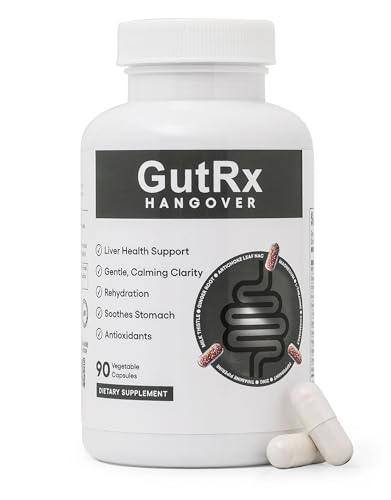
GutRx Recovery Support Supplement 30 Servings

Lipton Natural Green Tea with Jasmine 100 Count

LeafLea Green Tea with Ginger 40 Bags
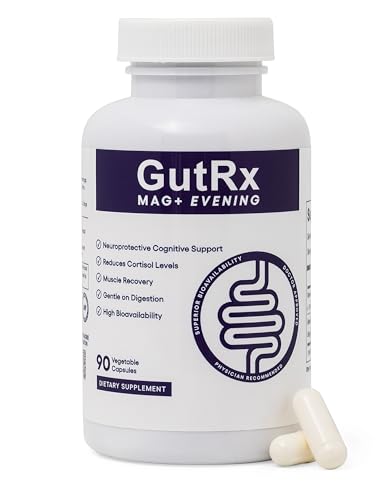
GutRx MAG+ Evening Magnesium 30 Servings

Emma Relief Gut Support 60 Count

Emma Relief Gut Support 60 Capsules 2 Pack
A Breakdown Of The Leading Choices
Peppermint tea offers a gentler alternative for anyone who wants a warm drink around meals without adding green tea or caffeine. This option is positioned for mild post-meal gastrointestinal discomfort, and its simple single-herb profile suits people who prefer an uncomplicated routine.
Unlike the green tea choices that follow, Traditional Medicinals relies on peppermint rather than tea leaves. For a busy kitchen, a cup can serve as a calming replacement for a heavier beverage, though the 16-bag box may require more frequent replenishment than larger formats.
Positive Points
- The single-herb format keeps the ingredient list straightforward.
- It provides an option without green tea or its caffeine.
- Organic ingredients suit ingredient-focused tea drinkers.
- The label targets mild discomfort that follows meals.
Things To Consider
- Peppermint may not suit people who notice reflux after drinking it.
- Sixteen bags offer less cushion than the larger selections in this roundup.
Key Specs
Who It Suits Best
This tea suits people seeking a caffeine-free herbal drink for occasional post-meal comfort without a multi-ingredient formula.
Look Elsewhere When
Choose Bigelow Decaffeinated Organic Green Tea instead when you specifically want the flavor and antioxidant profile of green tea without caffeine.
Bigelow makes the strongest case for people who want genuine green tea while avoiding caffeine. Its decaffeinated leaves provide the familiar green tea character, and the light, delicate cup can fit comfortably into an evening wind-down routine.
Compared with Traditional Medicinals Organic Peppermint Tea, this is a true green tea choice. That distinction matters for shoppers who value tea flavonoids and green tea flavor, while the decaffeinated format may be more useful during long travel or late evenings.
The Case For It
- Decaffeinated green tea suits caffeine-sensitive routines.
- Forty bags provide a practical household reserve.
- The blend contains no gluten or calories.
- Its delicate flavor works for hot or iced preparation.
Worth Noting
- Decaffeination does not make this an herbal tea.
- Green tea flavor may be too mild for people who enjoy stronger tea.
Feature Snapshot
Made For
This selection fits commuters, evening tea drinkers, and anyone who wants a familiar green tea beverage without caffeine.
A Better Fit Elsewhere
Traditional Medicinals Organic Peppermint Tea is a better fit for people seeking a single-herb drink designed around occasional post-meal discomfort.
GutRx moves beyond tea into a broader supplement routine built around digestive comfort, mineral balance, and nervous system support. Ginger, peppermint, and artichoke make it more relevant to gut-focused routines than the green tea options preceding it.
The formula is extensive, with milk thistle, NAC, magnesium, zinc, L-theanine, chamomile, and B vitamins included. That breadth may appeal to wellness-focused shoppers, although anyone sensitive to several active ingredients should review the full label before adding it to a routine.
Where It Excels
- Ginger, peppermint, and artichoke support its digestive positioning.
- Magnesium and zinc broaden the mineral profile.
- Thirty servings provide a clearly defined package count.
- The formula combines digestive and evening wellness features.
Trade Offs
- The ingredient list is much more complex than a single-herb tea.
- Some shoppers may prefer a beverage with a lighter daily footprint.
Technical Sheet
Built With In Mind
This formula suits wellness-oriented adults who want several complementary ingredients in one capsule-based routine rather than a simple tea.
Another Choice May Suit
Bigelow Organic Decaffeinated Green Tea suits people who want hydration and green tea compounds in a simple beverage instead of a broad supplement formula.
Lipton is built for volume, making its 100-bag box a practical fit for households that drink green tea every day. The jasmine hint adds aroma without turning the blend into a heavily flavored herbal mixture, and the ingredient approach is refreshingly direct.
Compared with Bigelow Organic Decaffeinated Green Tea, Lipton offers a larger package but retains green tea’s natural caffeine. That makes it better suited to morning or midday sipping, especially for people who already enjoy jasmine green tea and rarely need a decaf option.
Points In Its Favor
- One hundred bags suit high-frequency tea drinkers.
- Jasmine gives the green tea a familiar aromatic note.
- No additives, preservatives, or colorings are listed.
- Each serving provides 165 mg of tea flavonoids.
Minor Gripes
- Regular green tea naturally contains caffeine, so timing matters.
- The large box needs more storage space than smaller formats.
Who Will Love This
This selection suits high-volume tea drinkers who prefer jasmine, simple ingredients, and a large supply for workdays or shared households.
Reach For A Different Pick When
Bigelow Organic Decaffeinated Green Tea fits better when caffeine avoidance or a smaller 40-bag package is your priority.
LeafLea puts ginger at the center of the blend rather than treating it as a background note. Real ginger root accounts for 45% of the mixture, which gives this tea a distinctly warmer, spicier profile than Lipton’s jasmine-forward cup.
The blend also includes green tea, black tea, and stevia leaf, with no added sugar. For a morning kitchen or afternoon desk, the result can serve as a standalone beverage, although people sensitive to strong ginger may prefer the milder Bigelow or Lipton options.
Well-Handled Touches
- Real ginger leads the blend at 45%.
- Green and black tea provide a balanced tea base.
- Stevia adds sweetness without added sugar.
- Forty bags suit regular daily preparation.
Small Caveats
- The 45% ginger content may taste intense to some people.
- The blend includes both green and black tea, so it contains caffeine.
Core Details
The Right Fit
This tea suits ginger enthusiasts who want a warmly spiced daily cup without added sugar or a large collection of capsules.
Swap It Out When
Traditional Medicinals Organic Peppermint Tea is a better fit for a gentler single-herb beverage centered on occasional post-meal comfort.
MAG+ is an evening capsule routine rather than a green tea option, but it fits naturally beside a calming cup because both are designed for the final hours of the day. Bisglycinate and L-threonate forms provide magnesium in formats selected for absorption and digestive tolerance.
Unlike GutRx Recovery Support Supplement, this formula has a narrower purpose centered on magnesium, muscle comfort, and winding down. It may suit active adults who already use a green or black tea in the morning and want a separate nighttime routine.
What Pays Off
- Bisglycinate and L-threonate provide two magnesium forms.
- The capsule format avoids another beverage in the evening.
- Thirty servings make the package size easy to follow.
- The formula contains no stimulants.
Things That May Matter
- Evening capsules require storage space and a consistent routine.
- People with kidney concerns or those using magnesium products should ask a qualified clinician for guidance.
Made For
This supplement suits adults seeking a stimulant-free evening magnesium routine alongside their daytime tea habit.
Not Your Match When
LeafLea Green Tea with Ginger fits better when your preference is a warm ginger-led beverage rather than a capsule-based supplement.
Emma Relief Gut Support focuses on everyday digestive comfort and regularity rather than providing a tea or a broad wellness formula. Its 60-count package is designed for people who want a structured capsule routine addressing gas, bloating, and bathroom habits.
The focused positioning makes it more directly relevant to those specific concerns than LeafLea Green Tea with Ginger. It is not a beverage choice, however, and anyone with persistent pain, bleeding, weight changes, or recurring symptoms should seek guidance from an appropriate specialist clinician.
Why It Works Well
- Its label centers on regularity and digestive comfort.
- The capsule format fits a structured daily routine.
- Sixty capsules offer a substantial one-container supply.
- The positioning is more focused than a multi-purpose tea blend.
Practical Considerations
- This is not a green tea and serves a different purpose.
- Persistent digestive symptoms deserve professional evaluation rather than self-directed management alone.
Best Suited To
This choice suits adults primarily seeking a capsule-based routine for everyday gas, bloating, and regularity concerns.
A Better Fit Elsewhere
Bigelow Organic Decaffeinated Green Tea is a better fit for shoppers whose main goal is a pleasant, caffeine-free beverage rather than a structured gut supplement.
The two-pack version of Emma Relief Gut Support shares the same digestive positioning as the 60-count option, but the larger package suits a routine that is already established. It offers 120 capsules across two containers, reducing the need for frequent replenishment.
Compared with Emma Relief Gut Support 60 Count, the practical difference is continuity rather than a different formula. Storage needs also increase, so you may prefer one container unless keeping a second package is convenient for your routine.
Benefits That Matter
- Two containers support a longer-lasting routine.
- The package maintains the same gut-comfort positioning.
- Each container holds 60 capsules.
- The format remains convenient for daily use.
Details To Watch
- Two containers require more shelf space than a single package.
- It does not provide the hydration and ritual of a brewed tea.
Product Snapshot
Whose Shelf It Belongs On
This format suits established supplement routines that benefit from a larger reserve and convenient access to two containers.
Where A Sibling Pick Shines
Emma Relief Gut Support 60 Count is a better fit for anyone who wants the same focused positioning with less storage space.
What Matters Before You Choose Your Gut Support Tea
Match the Beverage to Your Routine
Start with the role you want the drink to play. A simple green tea works best for daily sipping, while peppermint or ginger blends emphasize a warming, aromatic ritual. A capsule formula is a different category and should fit around any existing supplement routine rather than replace hydration.
Consider Caffeine and Ingredient Profiles
Decaffeinated green tea removes the stimulant concern, while regular green and black tea retain caffeine. Ginger, peppermint, chamomile, and botanical extracts create different flavor profiles, so read the full ingredient list for sensitivities and personal preferences.
Check the Label Against Your Needs
Match package count, serving format, and intended use with your actual routine. Small boxes are convenient for occasional use, while larger containers reduce replenishment but require more storage. Anyone using a supplement should confirm its ingredients with a qualified healthcare professional when appropriate.
A Few Smart Buying Checks
Mistakes Worth Dodging
Do not assume every green tea targets the same digestive need, and do not mistake a peppermint herbal infusion for green tea. Check caffeine content, ingredient lists, and package sizes before choosing, especially when a routine depends on regularity rather than taste alone.
What Separates Premium From Basic
Higher-priced options may offer organic sourcing, multiple tea formats, larger packages, or broader supplement formulas. Those additions matter only when they match your priorities; a simple, well-fitting tea can be more practical than an elaborate product you will not use consistently.
Frequently Asked Questions
Can Green Tea Support Gut Health?
Green tea can be a hydrating, low-effort addition to an everyday routine, but its effects depend on your overall habits. It is not a substitute for professional evaluation of recurring digestive symptoms.
Is Decaffeinated Green Tea Better for Digestion?
Decaffeinated tea may be easier to time in the evening, but decaffeination does not automatically make it better for digestion. Choose it primarily when avoiding caffeine matters to your routine.
Which Option Is Best After a Large Meal?
A peppermint or ginger-led beverage may suit people who prefer a warm, aromatic drink after meals. Individual tolerance varies, and persistent discomfort warrants advice from an appropriate clinician.
Are Ginger and Peppermint Tea Similar?
Both are herbal infusions rather than true tea, but their flavor profiles differ. Ginger is warmer and spice-forward, while peppermint is cooler, sharper, and more strongly aromatic.
When Should Someone See a Clinician?
Seek professional guidance for recurring pain, bleeding, unexplained weight changes, or symptoms that disrupt normal daily life. A tea or supplement should not replace evaluation of those concerns.
Final Verdict
Your best match depends on whether you want a daily green tea, a ginger or peppermint infusion, or a capsule-based routine. Bigelow and Lipton cover distinct green tea preferences, while Traditional Medicinals and LeafLea offer more aromatic herbal directions. For supplements, compare ingredient breadth, package size, and how closely the formula matches your established routine.
