

A gas detector can turn an invisible odor or a faint hiss into a clear warning before a leak becomes a serious problem. The right handheld unit depends on the hazard you need to monitor, with compact options for natural gas, specialist models for hydrogen sulfide, multipurpose meters for workplaces, and separate radon and radiation monitors for home safety.
The Lineup, Simplified

BW Technologies BWC2-X Oxygen Single-Gas Detector with LCD

LifeBasis Rechargeable Natural Gas Detector with TFT Display
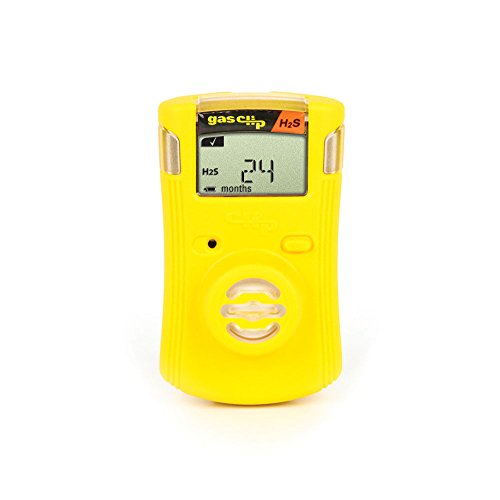
Gas Clip Technologies SGC-H H2S Single-Gas Detector

AKSTEST HFS-7311 Radiation Detector and Geiger Counter

AKSTEST RM-60 Rechargeable Radon Monitor with TFT Display

AKSTEST RM-75SE Radon Monitor with TFT Display

FORENSICS DETECTORS FD 4-Gas Meter for Confined Spaces
Meet The Standout Selections
Built for confined-space work, the BWC2-X checks oxygen concentration, a vital reading in spaces where oxygen depletion can create a serious hazard. The LCD makes the level easy to read, while the BW clip keeps the unit close at hand.
Unlike the LifeBasis detector, which targets combustible natural gas, this model concentrates on oxygen. For most industrial teams, that narrow focus makes it a straightforward choice when O2 is the required measurement.
A Few Strong Suits
- Low and high oxygen alarms provide clear thresholds for workplace response.
- Automated self-test support adds confidence during routine checks.
- IP 66/67 protection suits demanding industrial environments.
- Maintenance-free operation reduces sensor and battery replacement tasks.
Points To Keep In Mind
- This is an oxygen-only instrument, so it cannot replace a combustible-gas meter.
- Confirm that the alarm set points match your workplace procedure.
Key Specs
Built With In Mind
This unit fits safety-conscious industrial crews that specifically need a reliable oxygen monitor for confined-space entry checks.
A Better Fit Elsewhere
The FORENSICS DETECTORS FD 4-Gas Meter suits teams that need oxygen, carbon monoxide, hydrogen sulfide, and combustible readings in one device.
A pocket-sized natural gas detector makes practical sense around RV appliances, portable heaters, camping equipment, and outdoor gas connections. The rechargeable design avoids disposable batteries, while the pocket clip keeps the TFT display easy to check in a dim area.
The 0.5-second response and adjustable sensitivity give you more control than a simple alert-only device. Compared with the oxygen-focused BWC2-X, this model addresses combustible gas leaks instead.
The Practical Payoff
- A TFT screen shows concentration, battery status, and sensitivity mode together.
- Two alarm levels help distinguish smaller leaks from larger readings.
- Audible and visual alerts remain noticeable around campsites and utility areas.
- Type-C charging and a pocket clip suit mobile use.
Practical Considerations
- Allow the 15-second warm-up before taking readings.
- Automatic shutdown after five minutes without operation requires keeping the unit active.
Feature Snapshot
Made For
RV owners, campers, and DIY users benefit most from a portable detector with rechargeable power and readable alerts.
Where Another Pick Suits Better
The Gas Clip Technologies SGC-H is the stronger option for workplaces where hydrogen sulfide, rather than natural gas, is the specific hazard.
The SGC-H focuses on hydrogen sulfide, or H2S, a gas associated with sewage, wastewater, farms, and industrial sites. Real-time readings and low and high alarms at 10 and 15 PPM help you track concentration rather than relying on sound alone.
Unlike the broad LifeBasis portable unit, this detector serves one specific workplace hazard. Its two-way infrared connection adds a convenient way to download events, perform bump checks, and manage updates.
Where It Delivers
- Audible, visual, and vibrating alerts support noisy work environments.
- The 0.1 PPM resolution provides finer detail than whole-number readings.
- Programmable identification helps distinguish assigned devices.
- A bump-check reminder supports routine instrument checks.
Less-Strong Areas
- The single-gas design will not monitor oxygen, CO, or combustible gases.
- Its 0-to-100 PPM range is specialized rather than general-purpose.
Technical Highlights
Right Fit For
Professionals working around H2S exposure benefit from the specialized measurement range and multi-sensory alarms.
Consider Something Else When
The LifeBasis Rechargeable Natural Gas Detector fits DIY users and campers who need combustible natural gas monitoring instead.
Portable radiation measurement calls for a different instrument from a combustible-gas detector, and the HFS-7311 occupies that separate category. Its LND7311 mica-window sensor is designed to detect X-rays, gamma radiation, and alpha or beta surface contamination.
For laboratory and industrial personnel, that broad radiation coverage can support screening around equipment or contaminated work areas. Unlike the H2S detector, however, it tells you nothing about natural gas, oxygen, or carbon monoxide.
Strengths Worth Knowing
- The portable format supports screening in labs, workshops, and industrial settings.
- One instrument covers X, gamma, alpha, and beta radiation concerns.
- Alert functions add awareness beyond a basic numerical display.
Where It Is Less Suited
- It does not detect combustible, oxygen-deficient, CO, or H2S hazards.
- Your site may require radiation training and response procedures beyond a handheld reading.
Who Will Love This
Laboratory staff, industrial inspectors, and trained workshop personnel benefit from a portable instrument dedicated to radiation measurement.
Skip It When
The BW Technologies BWC2-X is the appropriate choice for a confined-space task centered on oxygen concentration.
The RM-60 provides a practical way to track radon over time in a basement, crawlspace, or ground-level home. Unlike the HFS-7311 radiation detector, it targets one specific radioactive gas rather than several radiation types.
Its TFT color screen, switchable units, and Type-C charging make repeated readings convenient. For most homeowners, the detailed concentration range makes this a useful complement to broader environmental checks.
Positive Takeaways
- Long-term tracking helps you see how radon levels change across the property.
- Both pCi/L and Bq/m3 units support different measurement preferences.
- Audible and visual alarms add attention when concentrations rise.
- Rechargeable power simplifies regular monitoring sessions.
Some Limits To Know
- It detects radon, not natural gas, CO, H2S, or oxygen levels.
- Placement matters because radon concentrations can vary throughout a building.
Core Details
Best Suited To
Homeowners seeking detailed, long-term radon data benefit from the RM-60’s broad concentration range and unit switching.
Look Elsewhere When
The AKSTEST RM-75SE suits you better when a quick 10-minute reading is the priority before continuous tracking.
The RM-75SE combines a stated 10-minute reading with long-term continuous monitoring, giving you an early view and a way to keep watching the space afterward. Its TFT screen, audible alarm, and visual alarm keep concentration information visible and audible.
This differs from the RM-60 mainly in its quick-reading emphasis. Depending on your routine, that combination may be more convenient for initial screening in basements and other indoor areas.
A Few Highlights
- A 10-minute result supports faster residential screening.
- Continuous tracking reveals longer-term patterns after the initial reading.
- Type-C recharging keeps the instrument ready for repeated use.
- Dual units make readings adaptable to regional preferences.
Details To Watch
- The model is intended for indoor use rather than outdoor placement.
- It remains a radon-only instrument and cannot check combustible gases.
The Right Fit
Homeowners who want a quick first reading followed by continuous tracking fit well with the RM-75SE.
Reach For A Different Pick When
The AKSTEST RM-60 makes more sense when a documented 0.09-to-1,000 pCi/L range matters more than the stated 10-minute result.
Four-gas coverage removes much of the guesswork from confined-space assessments where several hazards may exist. The FORENSICS DETECTORS FD meter monitors oxygen, carbon monoxide, hydrogen sulfide, and combustible gas through the LEL, or lower explosive limit, measurement.
Unlike the single-purpose oxygen detector, this instrument combines several readings in one housing. Adjustable audio, visual, and vibration alarms also help you notice a threshold in different work settings.
What Stands Out
- Four nano sensors cover the most common confined-space gas categories.
- Factory calibration supports initial use with less configuration work.
- Zero and span options aid instrument setup and calibration routines.
- Multiple alarm modes suit loud, dark, and vibration-sensitive settings.
Factors To Consider
- Confirm that all four gases match the hazards present at your site.
- Follow your organization’s calibration and confined-space entry procedures.
Quick Facts
Who Should Grab It
Trained industrial teams handling mixed hazards benefit from carrying one meter instead of managing several single-gas instruments.
Where A Sibling Pick Shines
The BW Technologies BWC2-X fits a simpler task requiring only oxygen-level monitoring.
Match the Sensor to the Actual Hazard
A useful handheld gas detector begins with the gas you need to identify. Natural gas, hydrogen sulfide, oxygen, carbon monoxide, and combustible vapors represent different risks, so a unit tuned for one hazard may be the wrong choice for another.
Identify the Exact Gas
Combustible natural gas requires a meter designed for that gas and its concentration range. Hydrogen sulfide calls for an H2S-specific sensor with suitable low and high alarm points. Oxygen monitors measure the percentage of oxygen in the atmosphere, while a four-gas meter combines oxygen, CO, H2S, and LEL readings.
Consider the Setting
Outdoor appliance checks favor portability, recharge capability, and an easy-to-read screen. Industrial confined spaces place greater importance on alarm types, environmental ratings, calibration options, and workplace procedures. For radon, position and monitoring time matter because readings can vary across a building.
Review Alarms and Records
Audible alarms help in noisy spaces, while visual alerts remain useful in darkness. Vibration adds another notification method for industrial work. Units with event downloads, programmable identification, or unit switching can also simplify equipment management and record keeping.
Before You Commit: Small Checks That Matter
Wrong Turns To Avoid
Do not assume every gas-shaped detector measures the same hazard. Radon and radiation monitors belong to different categories, and a single-gas meter cannot cover a multi-hazard assessment. Match the sensor, units, alarm points, and operating environment to the task before checking portability or display preferences.
What The Higher Tier Buys
More advanced models tend to add broader detection, multiple alarm methods, calibration controls, or richer data handling. Those additions matter most for professional crews and repeated monitoring. A simpler single-gas unit can make more sense for one clearly defined household or industrial check.
Frequently Asked Questions
What is a handheld gas detector used for?
A handheld gas detector measures a specific gas or several gases in an area where leaks, oxygen changes, or toxic exposure may occur. The exact hazard determines the sensor type and alarm configuration.
Is a natural gas detector the same as an oxygen detector?
No. The LifeBasis model targets combustible natural gas, while the BW Technologies BWC2-X measures oxygen concentration. A confined-space assessment may require both readings or a multipurpose meter.
Can a handheld detector monitor radon?
Radon requires a dedicated radon monitor, such as the AKSTEST RM-60 or RM-75SE. These instruments measure radon concentration but do not replace natural gas, CO, or H2S detectors.
What does LEL mean in a gas meter?
LEL stands for lower explosive limit, the lowest concentration of a combustible gas that can ignite under specified conditions. It is one of several measurements used in confined-space assessments.
Which detector works best for confined spaces?
The FORENSICS DETECTORS FD 4-Gas Meter fits teams monitoring oxygen, CO, H2S, and combustible gases together. Confirm the site hazards, alarm settings, and required procedures before entry.
The Takeaway
The best choice is the detector that measures the hazard your space actually presents. Portable natural gas units suit RV and outdoor checks, specialist monitors cover H2S or oxygen, and multipurpose meters serve complex confined-space work. Radon and radiation devices remain valuable additions, but they belong to separate safety categories.
