

A school assembly, birthday party, airport terminal, or busy shopping center can become exhausting when ordinary sounds feel overwhelming. Noise-reducing earmuffs give children and adults a practical way to soften environmental sound without adding music, alerts, or spoken content. The six options below range from playful protective earmuffs for young children to lightweight models designed for older kids, alongside an adult-sized choice for caregivers.
The right pair depends on age, head size, sensitivity, and the environments involved. Noise reduction ratings also describe different measurements, so you should compare protection levels alongside fit and comfort rather than treating the largest number as the only consideration.
The Lineup, Simplified

homicozy Dinosaur Kids Hearing Protection Earmuffs Ages 1-12 with 25dB NRR

Alpine Defender Adult Ear Defenders 22dB SNR
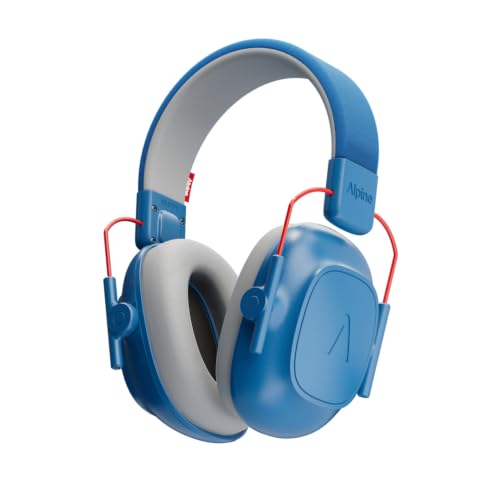
Alpine Muffy Kids Earmuffs 5-16 Blue

Alpine Muffy Kids Earmuffs 3-16 Years

MelonArt Kids Sensory Earmuffs 27dB Noise Reduction for Concerts and Fireworks

Dr.meter C06 Safety Earmuffs for Adults and Kids
A Breakdown Of The Leading Choices
The dinosaur shape makes this pair easier for a young child to recognize and accept, which can matter more than a plain adult earmuff during a noisy outing. Its stated age range reaches down to one year, covering toddlers through older children without moving into the larger models designed for teenagers.
Soft cushions, a padded headband, and rotating cups support repeated wear in places such as airports, family gatherings, and monster truck events. Compared with the adult Alpine Defender, this model prioritizes a child-sized, playful presentation rather than workplace styling.
Reasons It Performs
- A 25dB NRR gives a clearly stated level of environmental noise reduction, where NRR means noise reduction rating.
- The stretchable, lightweight construction is suited to children who may become tired of wearing bulky protective gear.
- The dinosaur design adds visual appeal without adding electronics, lights, or spoken prompts.
- Rotating ear cups and padded cushions help maintain a close, comfortable position.
- The stated one-to-12 age range offers useful coverage for toddlers, school-age children, and preteens.
Points To Keep In Mind
- The earmuffs reduce sound rather than remove it completely, so a child may still hear voices, alarms, or sudden movements.
Key Specs
Made For
This pair fits young, sensory-sensitive children who respond better to friendly, recognizable protective gear during travel and loud family events.
A Better Fit Elsewhere
MelonArt Kids Sensory Earmuffs offer a higher stated SNR for families whose priority is stronger nominal noise reduction.
This Alpine Defender is built for adults rather than children, making it more relevant for a caregiver who finds concerts, construction work, or public transportation difficult. The adjustable headband and pivoting hinges allow the cups to settle at different angles, which may suit adults with varied head shapes.
Its soft, lightweight padding and portable format suit workdays, music practice, studying, and public transport. The product name lists a 22dB SNR, while the manufacturer also describes 26dB of attenuation, a distinction worth noticing because SNR and attenuation are not interchangeable measurements.
A Favorable Mix
- Adjustable headband and pivoting hinges make it easier to position the cups comfortably.
- The light construction suits an adult who needs environmental noise reduction for several hours.
- Soft padding reduces the hard, bulky feeling associated with many protective earmuffs.
Trade Offs
- The adult sizing makes this a poor choice for a young child’s daily sensory gear.
- Its listed 22dB SNR is lower than the 25dB NRR of the homicozy model and 27dB SNR of the MelonArt pair.
- Families should keep it as caregiver protection rather than expecting it to replace child-sized earmuffs.
Technical Sheet
Who It Suits Best
This model suits an adult caregiver who works, travels, studies, or spends time in environments that feel overly noisy.
Another Choice May Suit
Alpine Muffy Kids Earmuffs 5-16 Blue are a more appropriate fit for a child aged five or older.
A blue Alpine Muffy gives an older child a less childish-looking option without losing the soft, lightweight construction associated with the brand’s children’s earmuffs. The stated age range begins at five and continues through sixteen, covering primary school, middle school, and much of the teen years.
Ultra-soft material and a silicone-free design make this worth considering for a child who dislikes the hard edges of conventional protective earmuffs. Unlike the dinosaur-shaped homicozy pair, this model takes a more understated approach, though its listed age range excludes the youngest toddlers.
Benefits That Matter
- The soft material should feel gentler during long school events or family trips.
- A lightweight construction reduces the burden compared with bulkier protective headsets.
- The five-to-16 range supports use across many childhood stages.
- The blue color offers a familiar, less novelty-driven appearance for older children.
Small Caveats
- Children below five fall outside the stated age range, so the cushions and headband may not provide the intended fit.
Quick Facts
Built With In Mind
This pair fits children aged five through sixteen who want relatively understated sensory earmuffs with soft materials.
Look Elsewhere When
homicozy Dinosaur Kids Hearing Protection Earmuffs are the stronger choice for children under five or families prioritizing playful styling.
The age range is the clearest reason to notice this Alpine Muffy. It starts at three years, making it more useful for preschool-aged children than the blue Alpine Muffy Kids Earmuffs, while still extending through sixteen for family members who want one model to cover a wide span.
The earmuffs are presented as sensory support for autistic children and other children sensitive to environmental noise. That makes them relevant for travel, celebrations, and busy public places, although you may need to introduce them gradually so the child associates the earmuffs with a predictable calming tool.
Good Reasons To Consider
- The three-to-16 range covers preschool through teenage years.
- A broad age range can simplify packing one pair of protective earmuffs for family trips.
- The sensory-focused design addresses the need for environmental noise reduction without adding music or communication prompts.
Things To Weigh
- A wide stated age range still requires checking that the cushions seal comfortably on a smaller head.
- Families comparing protection levels should check the current listing for the applicable noise-reduction measurement.
The Right Fit
This model suits families seeking one child-sized earmuff that can serve children from preschool age through their teenage years.
Where A Sibling Pick Shines
Alpine Muffy Kids Earmuffs 5-16 Blue offer a more explicitly soft and lightweight choice for children who do not need coverage before age five.
MelonArt combines a rigid ABS outer structure with dense acoustic foam, creating a more substantial protective design than the ultralight Alpine models. Its stated 27dB SNR is the highest figure in this group, which may appeal to families preparing for concerts, fireworks, monster truck shows, or shooting events.
The product name also positions the earmuffs for toddlers, children, and adults, so a family may find a single style more visually consistent. Fit remains important, though, and a child who removes the cups during an event receives less practical benefit from the protection.
What Stands Out
- The 27dB SNR provides the highest stated nominal reduction in this selection.
- Dense acoustic foam gives the ear cups a more substantial noise-reducing core.
- The ABS shell protects the softer internal materials from everyday knocks.
- Concert and fireworks positioning suits predictable, high-noise events.
- A family-oriented style may work for both children and adults.
Practical Considerations
- The material description does not establish a precise age range, so check the headband and ear cup proportions before purchase.
- Treat these as hearing-protection earmuffs rather than a device for music, calls, or spoken instructions.
Core Details
Who Should Grab It
This pair suits families preparing a child for loud scheduled events where a higher stated SNR and substantial ear cups take priority over a playful design.
Swap It Out When
homicozy Dinosaur Kids Hearing Protection Earmuffs are a better fit when your child is more willing to wear recognizable, playful gear.
Dr.meter focuses less on child-oriented styling and more on padded comfort. Memory foam inside soft PU leather cushions can feel more substantial than basic foam pads, while the elastic, hollow TPE headband is designed to reduce pressure and heat buildup during extended use.
The earmuffs are positioned for both adults and children, making them useful for range practice, household projects, or travel. Their stated compatibility with caps and glasses is notable for a child who routinely wears either, since extra headgear can otherwise interfere with a close seal.
The Case For It
- Memory foam cushions provide a softer contact point than a basic flat pad.
- The PU leather covering can be wiped clean after outdoor use.
- A hollow elastic headband aims to reduce pressure and heat around the top of the head.
- Compatibility with glasses and caps helps preserve a secure position for regular eyewear users.
Details To Watch
- Check that the cups sit over the ears without pressing against eyeglass frames.
- Confirm the current listed attenuation for the specific environment before relying on this pair for high-noise protection.
Right Fit For
This model suits an adult or older child who spends long periods wearing glasses or a cap and prioritizes padded comfort.
Reach For A Different Pick When
MelonArt Kids Sensory Earmuffs are the stronger option when a clearly stated 27dB SNR matters more than the Dr.meter headband design.
Fit, Protection, and the Child’s Daily Routine
Match the Product to the Setting
A sensory-sensitive child may need different protection for a school cafeteria, an airplane, and a fireworks display. Start with the loudest recurring environment, then assess whether the child can keep the earmuffs positioned over the ears. A higher protection figure matters for intense sound, but a poor fit can undermine the practical benefit.
Look Beyond the Noise Number
NRR and SNR are standardized ways of describing sound reduction under specified conditions, but the measurements are not perfectly interchangeable. Pay attention to the complete product specification, the type of protection, and the intended environment rather than comparing isolated numbers from different descriptions.
Account for Everyday Comfort
Your child is more likely to wear protective earmuffs consistently when the headband does not pinch, the cushions feel soft, and glasses or hats fit underneath. For a younger child, a recognizable design can make acceptance easier. Older children may prefer restrained colors and a less playful appearance.
Keep Purpose Straight
These earmuffs are designed to reduce environmental sound rather than deliver music, calls, or spoken instructions. That distinction matters in classrooms, airports, and appointments where a child may need to hear instructions while limiting surrounding noise.
Avoiding Common Protection Mistakes
Mistakes Worth Dodging
Avoid choosing by color alone, and do not treat protective earmuffs as a substitute for lower-volume environments or adult supervision. Check the stated age range, adjust the headband, and confirm that the ear cups sit correctly before a noisy outing. Practice putting them on at home so the child knows what to expect.
What Separates Premium From Basic
A higher price may reflect denser acoustic material, a more durable shell, softer memory foam, or a headband designed for repeated use. The added cost matters most when a child will wear the earmuffs regularly or when the environment produces sustained, intense sound. For occasional family events, a simpler child model may meet the need.
Frequently Asked Questions
Are These Headphones for Autistic Children Suitable for Everyday Use?
Yes, the child-sized earmuffs can support sensory-sensitive use in loud environments such as travel, gatherings, and celebrations. Your child’s comfort and willingness to keep them positioned over the ears determine how useful they feel day to day.
Do These Earmuffs Play Music or Spoken Audio?
No, they are environmental hearing-protection earmuffs rather than entertainment headphones. They reduce surrounding sound without adding music, conversations, or instructional prompts.
How Do You Choose the Right Age Range?
Compare the child’s age and head size with the stated range before purchasing. A child near the youngest or oldest listed age should receive a fit check to confirm that the cushions sit properly.
Can Adults Wear Any of These Models?
The Alpine Defender is specifically positioned for adults and can suit a caregiver who needs protection. Several other models also list children or family use, but their headband proportions and cushions determine whether an adult can wear them comfortably.
Will These Earmuffs Block Every Sound?
No, protective earmuffs reduce noise rather than create complete silence. Voices, alarms, and sudden sounds may remain audible, and proper positioning around the ears is essential for consistent sound reduction.
Final Verdict
The homicozy Dinosaur Kids Hearing Protection Earmuffs are the most engaging choice for young children, while the Alpine Muffy models cover broader age ranges with a more understated appearance. MelonArt suits families prioritizing a higher stated SNR, and Dr.meter emphasizes padded comfort. The best result comes from matching the earmuffs to your child’s age, comfort preferences, and recurring noisy environments.
