

A high arch can make ordinary shoes feel frustrating, especially during a long shift, a full day of walking, or a workout. The right insole adds support without creating a bulky fit, while the wrong one may crowd your toes or make a narrow shoe feel impossible. These options cover daily wear, dress footwear, hiking shoes, athletic shoes, and hockey skates, with construction ranging from low-profile foam to structured arch support.
The Essentials At A Glance
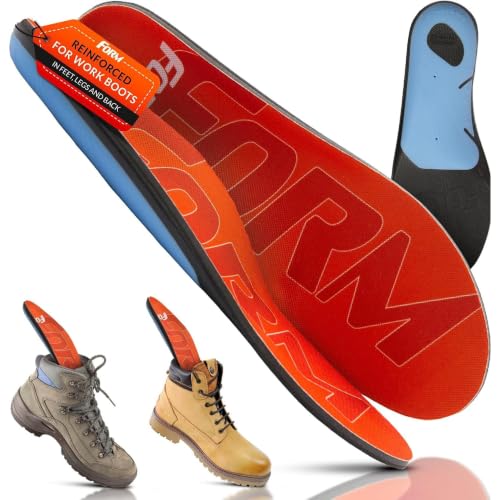
FORM Heavy-Duty Orthotic Insoles

FORM Ultra-Thin Plantar Fasciitis Insoles for Dress Shoes, Black

Merrell Kinetic Fit Footbed

Aetrex Men’s L700 Speed Orthotics for Running and Athletic Shoes

CURREX HockeyPro Insoles for Hockey Skates, 3D Arch Support, High Arch 2X

FORM Maximum Support Plantar Fasciitis Insoles for Walking, Standing and Daily Wear
Taking A Closer Look At The Options
A full workday can expose the limits of a soft, shallow insole, especially for a person carrying a heavier load. FORM Heavy-Duty Orthotic Insoles use a dense EVA base, a cupped heel, and a comfort-shaped arch, with a listed support range of 220 pounds and above. The molded base is intended to retain heel and arch support during repeated walking.
Unlike the slimmer FORM model later in this list, this pair is easier to consider for substantial footwear, work boots, hiking boots, and athletic shoes. The breathable top layer addresses moisture and odor during long wear, while washable construction simplifies care. You may find the fuller shape takes more room than a thin insert, so shoe volume deserves attention before ordering.
Well-Handled Touches
- The dense foam base is suited to demanding daily use.
- A structured heel cup helps keep the rear foot centered.
- The breathable fabric improves airflow during extended wear.
- Machine washing makes routine care less demanding.
Points To Keep In Mind
- The fuller construction may crowd very narrow shoes.
- The listed size is 10 for men and 11.5 for women.
Feature Snapshot
Built With In Mind
You benefit most from these insoles when heavier body weight and extended standing make thinner, less structured inserts feel inadequate.
Consider Something Else When
FORM Ultra-Thin Plantar Fasciitis Insoles suit you better when close-fitting dress shoes leave little room for a full-length insert.
Dress shoes leave little room for excess bulk, making the slim profile of this FORM pair more useful than a thick orthotic. Its contoured arch, heel cup, and foam cushioning add structure without the height of the heavy-duty model. The insert is listed in men’s 11 to 11.5 and women’s 12.5, so footwear fit needs careful checking.
For a commute in leather loafers or a workday in close-fitting boots, the low profile may be the decisive benefit. The molded shape is designed to conform gradually to the foot, and the foam is intended to absorb impact during walking and exercise. Plantar fascia, the band of tissue beneath the foot, may benefit from a more even load distribution, although persistent discomfort deserves evaluation by a specialist doctor.
Strengths Worth Knowing
- The thin profile suits narrow dress shoes.
- The heel cup supports and positions the rear foot.
- The blend of EVA and polyurethane balances cushioning with support.
- Compatibility extends from casual shoes to ski boots and cleats.
Trade Offs
- Less internal volume may mean less substantial cushioning than the heavy-duty option.
- Only one size range is listed for this style.
Right Fit For
You get the most benefit when your high arches need support inside fitted shoes that cannot accommodate a tall insert.
Another Choice May Suit
Merrell Kinetic Fit Footbed may suit you better when structured cushioning and outdoor shoe compatibility matter more than a slim dress-shoe profile.
Trail shoes demand more than a soft layer under the heel. The Merrell Kinetic Fit Footbed combines a resin-reinforced arch section with a deep heel cup, using a rigid material to add structure while allowing the insert to flex where your foot needs it. That combination makes it a natural match for hiking shoes, walking shoes, and uneven ground.
Compared with the dress-oriented FORM insert, this footbed offers more pronounced structure and targets outdoor footwear. A cushion pod sits beneath the heel to absorb impact, while a mesh liner promotes airflow and built-in organic odor control manages moisture. The listed compatibility includes major hiking, running, and outdoor footwear brands, which helps narrow your shoe check.
Notable Gains
- The reinforced arch adds stability for uneven terrain.
- The deep heel cup helps limit rear-foot movement.
- A heel cushion pod absorbs impact during long walks.
- The mesh liner supports airflow and odor control.
Small Caveats
- Full-length coverage may take more room than a low-profile insert.
- Availability is listed in whole sizes, with trimming possible for some half sizes.
Core Details
Made For
You benefit most from this footbed when long walks, hiking shoes, or uneven outdoor surfaces call for more structured support than a dress insert provides.
A Better Fit Elsewhere
Aetrex Men’s L700 Speed Orthotics may suit you better for running shoes and other athletic footwear that need responsive cushioning without a hiking-oriented shape.
A running shoe may need an insert that moves with repeated strides rather than sitting like a rigid platform. Aetrex Men’s L700 Speed Orthotics combine a lightweight Exofoam cushion with a contoured heel and signature arch support. The open mesh top layer helps move air across the foot during demanding sessions.
Unlike Merrell Kinetic Fit Footbed, which emphasizes reinforced structure for outdoor terrain, this model centers responsiveness for running, walking, and court shoes. Its Aerocell polyurethane base is designed to return energy and absorb impact, so runners and active walkers get a more athletic balance. The men-specific shape is a practical limitation for anyone shopping outside that fit.
Where It Excels
- Lightweight Exofoam cushions without a dense, rigid feel.
- The cupped heel helps stabilize the rear foot.
- Mesh lining supports airflow during active use.
- The base balances cushioning with arch support.
Where It May Fall Short
- The listed model is designed specifically for men’s feet.
- The athletic profile is less relevant to narrow formal footwear.
Who Should Grab It
You benefit most from these orthotics when running, fast walking, or court sports are central to your routine and your shoes have ample internal space.
Where A Sibling Pick Shines
CURREX HockeyPro Insoles suit you better when your main need is stability and grip inside hockey skates rather than cushioning for forward movement.
Inside a hockey skate, lateral movement and hard stops make foot control just as important as cushioning. CURREX HockeyPro Insoles use a three-dimensional arch shape that flexes with the foot, and the High Arch 2X version targets a pronounced arch profile. A grippy heel surface helps keep the foot connected to the skate through tighter turns and direction changes.
Compared with Aetrex Men’s L700 Speed Orthotics, this choice serves a specialized purpose rather than general athletic footwear. The arch, heel, and contact area are designed specifically for skates, so the product makes the most sense for hockey players and recreational ice skaters. Confirm the insole dimensions and skate fit before committing.
Notable Upsides
- The flexible 3D arch moves with the foot.
- High Arch 2X provides a targeted arch profile.
- The SuperGrip heel helps limit movement inside the boot.
- The design supports close foot-to-skate contact.
Things To Consider
- This narrow category is less useful for ordinary shoes.
- Fit depends on using the correct skate size and insole dimensions.
Technical Highlights
Perfect Match For
You benefit most from these insoles when your high arches need tailored support and your skating demands a secure connection to the boot.
Reach For A Different Pick When
FORM Heavy-Duty Orthotic Insoles suit you better for work boots, hiking shoes, and daily footwear outside the rink.
Some days demand more support than a standard thin insert can deliver, particularly when you spend hours walking or standing. FORM Maximum Support Plantar Fasciitis Insoles add heel and arch support with a comfort-shaped profile intended to distribute pressure across the foot. The shock-absorbing construction is aimed at making extended wear more comfortable.
Compared with the heavy-duty FORM model, this pair focuses on general daily support rather than a listed 220-pound-plus range. That positioning makes it a practical middle ground for exercise shoes, work footwear, and ordinary walking shoes. You may still need a more structured insert for demanding sports, but the custom form-fitting concept suits everyday use.
Points In Its Favor
- Heel and arch support cover two key pressure areas.
- Shock absorption suits extended walking and standing.
- The comfort-shaped profile accommodates daily activity.
- The design applies to exercise, workdays, and regular walking.
Potential Compromises
- Maximum-support construction may require more shoe space than an ultra-thin model.
- No specialized skate or hiking structure is included.
Feature Overview
Whose Shelf It Belongs On
You benefit most from this model when prolonged standing and walking matter more than a specialized athletic or outdoor design.
Swap It Out When
Merrell Kinetic Fit Footbed may suit you better when reinforced arch structure and broad outdoor footwear compatibility are your priorities.
Match The Insole To Your Foot And Schedule
Arch Profile And Shoe Volume
A high-arch insert must fit both your foot and the shoe around it. Structured profiles work well in roomy athletic footwear, while slim shoes need a low-profile shape that will not compress your toes. Check the removable factory insole and leave enough room for your toes to rest naturally.
Cushioning Versus Structure
Soft foam is useful for cushioning, while a reinforced arch or firm heel cup adds structure. Active users may favor a responsive athletic construction, and people standing for long periods often benefit from firmer support. The right balance depends on your footwear and the pressure you regularly experience.
Daily Compatibility
Your shoes determine where each insole can work. FORM Ultra-Thin Plantar Fasciitis Insoles target close-fitting footwear, Merrell Kinetic Fit Footbed fits outdoor-oriented shoes, and CURREX HockeyPro Insoles belong inside skates. Match the listed sizing carefully, including any instructions about whole sizes or trimming.
Shopping Traps To Avoid
Mistakes Worth Dodging
Avoid choosing by cushioning alone, since a very soft insert may feel comfortable at first without providing enough structure. Another common mistake is ignoring shoe compatibility. Remove the existing insole, measure the available space, and check the full length of the replacement before ordering.
What Separates Premium From Basic
Premium designs often use denser foam, reinforced arch sections, shaped heels, or specialized grip surfaces. The extra construction is most useful in demanding settings such as running, hiking, hockey, or prolonged standing. For simple walking shoes, a slimmer design may provide the support you need without unnecessary bulk.
Frequently Asked Questions
How Do I Know Which Arch Support I Need?
You need to consider both your arch shape and the shoes you wear most. An insert that feels supportive in a roomy sneaker may crowd a dress shoe or alter the fit of a running shoe.
Can High Arch Insoles Help With Plantar Fasciitis?
High arch insoles can provide cushioning, heel support, and a more comfortable load distribution. They do not diagnose or treat plantar fasciitis, so persistent foot discomfort should be discussed with an appropriate specialist doctor.
Which Option Fits Dress Shoes Best?
FORM Ultra-Thin Plantar Fasciitis Insoles are designed for slim-fitting footwear and avoid the bulk of a more substantial orthotic. Their listed men’s and women’s sizes still require a careful fit check.
Are High Arch Insoles Suitable For Hiking?
Structured support can suit hiking footwear, especially when the insert provides a stable heel and responsive cushioning. Merrell Kinetic Fit Footbed is the more relevant choice in this list because its reinforced construction and listed outdoor compatibility address that setting directly.
How Often Should Insoles Be Replaced?
Replacement depends on wear, moisture, and changes in your foot shape or footwear. Replace an insert when its structure becomes noticeably uneven or when it no longer fits comfortably, following the maker’s care instructions where available.
Final Verdict
The right high arch insole depends on your shoes, activity, and how much structure you need. FORM suits close-fitting and heavier-duty daily use, Merrell favors outdoor footwear, Aetrex targets athletic movement, and CURREX serves hockey skates. Check the size and internal space first, then choose the construction that matches your routine.
