

A downhill trail can turn an ordinary walk into a test of balance, cushioning, and footing. Your priorities are straightforward: supportive footbeds, comfortable underfoot cushioning, secure traction, and enough upper coverage to feel steady without making every step feel bulky.
The shoes below serve different hikers, from fast-paced day walks to wet, uneven trails. Several Merrell models prioritize cushioning and a low profile, while the taller versions add ankle coverage. KEEN brings a waterproof low-cut design with a different construction approach. Your best fit depends on the terrain, your preferred shoe shape, and how much support you want above the ankle.
The Leading Options At A Glance

Merrell Moab 3 Hiking Shoe

Merrell Moab 3 Mid Boot

Merrell Moab 3 Mid Waterproof Boot

KEEN Targhee 4 Low Waterproof Shoe
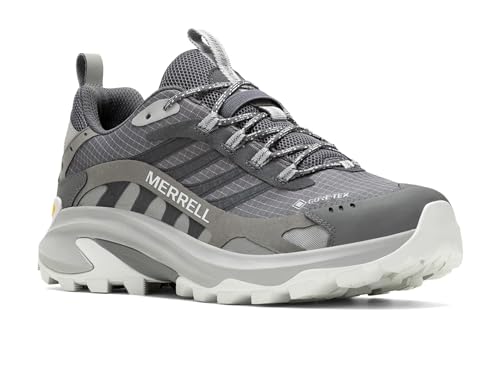
Merrell Moab Speed 2 Waterproof
Merrell Moab Speed 2 GTX
A Breakdown Of The Leading Choices
A low hiking shoe can make a long trail day feel less restrictive, especially when your knees prefer a light step and a stable landing. The Merrell Moab 3 combines a supportive insole, a softly cushioned midsole, and a grippier Vibram outsole to balance cushioning with trail traction. The midsole is the layer between your foot and the ground, so its softer feel can make uneven paths easier on your feet.
Compared with the taller Merrell models in this roundup, this low-cut version gives your ankle more freedom to move. That makes it a sensible choice for maintained trails, neighborhood walks, and day hikes where a conventional hiking shoe feels more natural than a boot.
Where It Helps
- The supportive insole provides a more comfortable base for long walking days.
- Soft midsole cushioning softens the feel beneath your foot on uneven ground.
- The grippier Vibram outsole gives you a clearer choice for dirt, gravel, and mixed trails.
- Its low profile reduces bulk around the ankle and supports an easy stride.
Trade Offs
- Less ankle coverage may feel less secure on rough, loose, or sharply uneven trails.
- Its low shape offers less protection from debris than the mid-height Merrell options.
Key Specs
Who It Suits Best
You benefit most from this model on maintained day trails when cushioning, light weight, and easy ankle movement matter more than full boot coverage.
A Better Fit Elsewhere
KEEN Targhee 4 Low Waterproof Shoe is a better fit for wet paths where waterproof construction matters more than the Moab 3’s conventional hiking-shoe shape.
Rocky trails and uneven descents reward a shoe that covers more of the ankle. The Merrell Moab 3 Mid puts the familiar Moab cushioning beneath your foot while adding a taller upper for a more substantial feel. Its supportive insole and softer midsole can keep long walks comfortable without turning the shoe into a rigid boot.
The Merrell Moab 3 Hiking Shoe is the better fit for quick walks and smoother routes, but this mid version gives you more coverage when the path changes underfoot. You may still prefer a low-cut design for long stretches on flat ground, so the terrain should guide the decision.
What Helps Most
- Mid-height construction adds coverage above the ankle for uneven trails.
- The supportive insole gives the foot a more structured base.
- Soft midsole cushioning helps maintain comfort across long walking days.
Practical Considerations
- The taller shape may feel bulkier than the low-cut Moab 3 Hiking Shoe.
- More ankle coverage can reduce the freedom of movement sought in an athletic hiking shoe.
- Its substantial profile takes up more room than a low hiking shoe when packing.
Made For
This boot suits hikers who cover uneven ground and want more ankle coverage without giving up the cushioned feel associated with the Moab line.
Another Choice May Suit
Merrell Moab 3 Hiking Shoe suits you better when your route is mostly smooth and you prefer the lighter visual and physical profile of a low-cut shoe.
Wet grass, muddy junctions, and sudden rain change the footing more than many hikers expect. The Merrell Moab 3 Mid Waterproof Boot adds waterproof construction to the supportive insole, cushioned midsole, and grippier Vibram outsole found in the regular Moab 3 line. You get a protected upper without giving up the series’ comfort-focused approach.
Compared with Merrell Moab 3 Mid Boot, the defining difference is protection from wet ground and weather. That extra coverage makes this a stronger fit for changeable trails, while the taller shape may feel less relaxed on paved walks than the low-cut options.
The Upside
- Waterproof construction helps keep wet trail conditions outside the shoe.
- Mid-height coverage gives the ankle more protection than a low hiking shoe.
- A supportive insole creates a structured base beneath the foot.
- Soft midsole cushioning keeps the ride comfortable during extended walks.
- The grippier Vibram outsole adds traction for loose or uneven surfaces.
Points To Note
- Its taller, weather-ready construction may feel bulkier than a low-cut shoe on casual walks.
Feature Snapshot
Best Suited To
You benefit most from this model on wet, uneven hikes where waterproof protection and mid-height coverage both belong in your decision.
Swap It Out When
KEEN Targhee 4 Low Waterproof Shoe is the better alternative for you when low-cut comfort matters more than the added ankle coverage.
The KEEN Targhee 4 takes a different approach from the Merrell models by combining a fused upper and outsole with resilient cushioning. A fused construction connects major parts of the shoe with fewer separate layers, giving you a substantial feel without relying on the taller hiking-boot shape. The KEEN.DRY waterproof lining adds protection for damp trails.
Compared with Merrell Moab 3 Hiking Shoe, this KEEN shares the low-cut advantage but emphasizes waterproofing and a direct-attach construction. You may find the roomier-looking shape more comfortable on long weekends, especially when wet ground replaces smooth pavement.
Advantages To Know
- The fused upper and outsole create a substantial, simplified construction.
- Resilient cushioning gives the foot a softer landing feel on long walks.
- KEEN.DRY waterproof lining helps manage wet grass, mud, and rainy paths.
Less Ideal Details
- Its low height offers less ankle coverage than the Merrell mid boots.
- The substantial construction may feel heavier visually than a streamlined athletic trail shoe.
Technical Sheet
Built With In Mind
This low-cut waterproof shoe suits walking-heavy weekends, wet trails, and hikers who want a substantial construction without a mid-height upper.
Consider Something Else When
Merrell Moab 3 Mid Waterproof Boot suits you better when ankle coverage and traditional boot construction take priority over a low-profile fit.
Fast trail walks call for a shoe that moves easily and grips changing ground. The Merrell Moab Speed 2 takes an athletic approach, pairing waterproof construction with Vibram TC5+ rubber and pronounced traction lugs. A lug is a raised section of the outsole that bites into loose dirt, gravel, and mixed trail surfaces.
Compared with the more substantial KEEN Targhee 4 Low Waterproof Shoe, the Speed 2 looks slimmer and more performance-oriented. That shape favors quick routes and busy walking days, although the limited ankle coverage may not suit technical trails where you want more protection above the foot.
A Strong Showing
- Vibram TC5+ rubber and traction lugs provide a purposeful grip on varied trails.
- Waterproof construction protects the foot during wet-weather hikes.
Areas To Watch
- The low profile leaves less ankle coverage than the Moab 3 Mid options.
- Its athletic shape may feel less relaxed than the roomier Targhee 4 for casual walking.
- Close-fitting trail shoes require careful fit checks, especially for long days in socks.
Who Will Love This
You benefit most from this model on active day hikes where streamlined movement, waterproofing, and pronounced traction are your priorities.
Look Elsewhere When
Merrell Moab 3 Hiking Shoe is a better fit for you when a conventional hiking-shoe shape matters more than the Speed 2’s athletic profile.
The GTX-labelled Merrell Moab Speed 2 continues the athletic approach of the Speed 2 line. Its waterproof construction handles wet routes, while Vibram TC5+ rubber and defined traction lugs add grip when the surface turns loose. The result feels purpose-built for active hikes rather than relaxed campground wandering.
Compared with Merrell Moab 3 Mid Waterproof Boot, this model trades ankle coverage for a lower, more streamlined shape. You may appreciate that cleaner profile on paved trails and quick loops, while the mid boot remains the more substantial choice for rough routes.
Features That Help
- GTX waterproof construction suits damp and changeable weather.
- Vibram TC5+ rubber adds a durable-feeling foundation for trail use.
- Defined traction lugs help the outsole grip loose or uneven ground.
- The low, athletic profile keeps your foot close to the walking motion.
Possible Compromises
- Limited ankle coverage provides less protection on rough, uneven routes.
- The streamlined shape may not appeal to you when a roomier hiking shoe feels better.
Core Details
The Right Fit
This model suits active hikers who prefer a streamlined waterproof shoe for fast trails, mixed paths, and changeable weather.
Where A Sibling Pick Shines
KEEN Targhee 4 Low Waterproof Shoe suits you better when a comfort-focused, substantial hiking shape matters more than athletic styling.
What Matters Most Before You Buy
Match The Shoe To Your Route
Start with the ground beneath your feet. Maintained paths and neighborhood trails suit a low-cut shoe because your ankle can move freely, while rocky descents and loose ground favor a mid-height upper with more coverage. Rain or persistent mud pushes waterproof construction higher on your list, but dry-weather comfort still depends on the complete fit.
Understand The Cushioning
An insole supports the foot inside the shoe, while the midsole provides the cushioning between the footbed and the ground. The Merrell Moab models combine supportive footbeds with softer midsole cushioning, which can feel more comfortable on extended walks. KEEN’s Targhee 4 uses resilient cushioning and a fused upper-and-outsole construction for a different feel.
Check The Upper Height
A low shoe offers less material around the ankle and generally feels more streamlined. A mid boot provides greater coverage and can feel more substantial over uneven ground. You get the most useful choice by considering your normal route rather than selecting based on appearance alone.
Test The Fit At The End Of The Day
Walk around in the shoes rather than judging them while standing. Include a sloping floor and an incline, paying attention to heel movement, toe room, pressure across the footbed, and any rubbing around the upper. Foot swelling during the day can affect fit, so trying on a similar sock can give you a more realistic sense of the fit.
Making A More Confident Choice
Mistakes Worth Dodging
Do not select by waterproof status alone, because a taller boot can feel restrictive on smooth routes while a low shoe can feel exposed on loose ground. Compare the outsole, cushioning, upper height, and your usual terrain together. Most importantly, avoid choosing a narrow or wide fit without walking in the shoes.
The Upgrade Payoff
Higher-tier trail shoes often add specialized waterproofing, denser cushioning, stronger construction, or more purposeful traction. Those features earn their place when you regularly encounter wet, steep, or rough terrain. For occasional walks on familiar paths, a simpler cushioning and traction setup may meet your needs without a more specialized build.
Frequently Asked Questions
Are Low-Cut Hiking Shoes Better For Knee Discomfort Than Mid-High Boots?
Not automatically. A low-cut shoe offers more ankle freedom, while a mid boot provides more coverage, so your terrain and comfort preferences determine the better fit.
Should You Choose Waterproof Hiking Shoes For Bad Knees?
Waterproof shoes help in wet conditions, but cushioning, traction, fit, and terrain matter just as much. A dry-feeling shoe with poor fit will not serve you well.
What Kind Of Cushioning Should You Look For?
A supportive insole and a softer midsole can create a comfortable base for long walks. You should also walk in the shoes to confirm that the cushioning feels comfortable rather than overly soft.
How Much Toe Room Do Hiking Shoes Need?
Your toes need room to spread and move without the shoe pressing against the front. Walk downhill and stand up in the shoes to check whether the foot slides forward.
Are GTX Hiking Shoes Suitable For Everyday Walks?
Yes, provided the fit remains comfortable and the sole suits your pavement. The Merrell Moab Speed 2 GTX is better suited to active trails, while the KEEN Targhee 4 may feel more substantial for casual walking.
Final Verdict
Your knees will notice the combination of fit, cushioning, and footing more than any single feature. Start with the Merrell Moab 3 Hiking Shoe for a balanced low-cut trail feel, move to a mid boot for added coverage, or consider KEEN for a roomier waterproof option. The best choice is the one that feels comfortable across the terrain you actually walk.
