

A long trail day puts repeated pressure through the forefoot, where tight footwear or concentrated impact can aggravate foot discomfort. For adults managing Morton’s neuroma, shoe fit matters as much as cushioning, and a removable orthotic may help distribute pressure more evenly. This roundup covers orthotic inserts, footwear, and child hiking options, with extra attention to fit, forefoot support, and practical use. Persistent pain, numbness, or tingling deserves attention from an appropriate specialist doctor.
The Picks In Brief

PowerStep ProTech Met Full Length Orthotics M 8-8.5 W 10-10.5, Made in USA

PowerStep Pinnacle Plus Met Orthotics M 8-8.5 W 10-10.5, Made in USA

Mishansha Kids Hiking Boots for Outdoor Trails

Mishansha Kids Hiking Shoes for Outdoor Trails
PowerStep Morton’s Extension Carbon Fiber Orthotic Insole M 8-8.5
ORHILYA 220lbs+ Metatarsal Insole
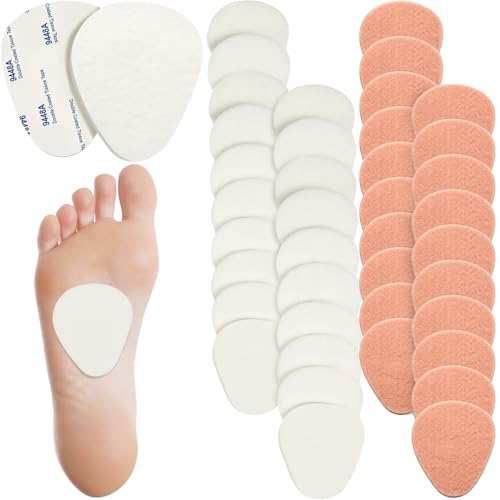
Syhood 40 Pcs 1/4 Inch Felt Pads

OrthoComfoot Men’s Arch Support Orthopedic Slip-On Loafers with Wide Toe
The Picks, Examined More Closely
Structured support across the whole foot makes the ProTech Met a serious option for adults who spend long periods walking in supportive hiking shoes. Full-length coverage combines a metatarsal pad under the forefoot with a deeper heel section, giving you several contact points rather than one narrow cushion.
Compared with the Pinnacle Plus Met, this model carries a more substantial full-length design and rigid arch support. For a long trail day, you may find that extra structure more reassuring, although the fit of the shoe matters just as much as the insert.
Reasons It Performs
- Full-length construction supports the arch, forefoot, and heel as one connected system.
- The metatarsal pad adds cushioning beneath the ball of the foot.
- A padded heel section helps soften the landing phase of each step.
- Rigid arch support suits people who want firmer structure than a soft foam insert.
Trade Offs
- The structured insert needs enough room inside your hiking shoes without crowding the toes.
- Your exact shoe size should be checked before ordering, especially across different brands.
Feature Snapshot
Built With In Mind
Adult hikers who want substantial arch structure and forefoot cushioning benefit most from this full-length design.
A Better Fit Elsewhere
PowerStep Pinnacle Plus Met Orthotics offer a lighter removable-insole option for people whose shoes have less internal space.
The Pinnacle Plus Met places its main emphasis on the forefoot, making it a practical match for narrow or tightly packed hiking shoes that cannot accept a bulky full-length insert. Its metatarsal pads provide focused cushioning, while a contoured arch and deep heel section add stability around the foot.
This feels more flexible than the ProTech Met, which may suit people alternating between several pairs of shoes. The trade-off appears in the fit requirement: the factory insole needs to come out, leaving enough room for the insert without changing the shoe’s secure feel.
Where It Helps
- Built-in metatarsal pads cushion the area beneath the forefoot.
- Neutral arch support offers a balanced platform for many foot shapes.
- The deep heel cradle adds stability around the rear of the foot.
- Polyester construction gives you a straightforward removable insert to move between shoes.
Points To Note
- Your hiking shoes need a removable factory insole and adequate internal depth.
- Neutral support may feel less familiar than the firmer design in the ProTech Met.
Key Attributes
The Right Fit
Adult hikers seeking forefoot cushioning in removable-insole shoes will find this a measured, flexible choice.
Another Choice May Suit
PowerStep ProTech Met Full Length Orthotics suit people who want rigid arch support extending through the heel and forefoot.
Trail walking with young children calls for footwear that moves comfortably through parks, woodland paths, and uneven picnic grounds. The Mishansha Kids Hiking Boots are presented as toddler footwear for boys and girls, making them relevant to families building an outdoor walking routine.
These boots do not carry the forefoot support features associated with an adult Morton’s neuroma setup, so the choice belongs in a children’s footwear category rather than an adult pain-management category. The honest read is simple: this works best when the goal is a child’s trail shoe, not an orthotic solution.
What Makes Sense
- Designed for toddlers who are beginning to walk on outdoor trails.
- Boot-style construction gives families a clear alternative to ordinary sneakers.
Small Caveats
- This is children’s footwear and does not provide the metatarsal padding sought by adults with Morton’s neuroma.
- Children’s foot size changes quickly, so a close fit check is important before outdoor walks.
Whose Shelf It Belongs On
Families seeking boot-style footwear for toddlers on casual outdoor walks will find this most relevant.
Look Elsewhere When
Mishansha Kids Hiking Shoes for Outdoor Trails suit families who prefer a hiking-shoe format over a boot-style option.
The Mishansha Kids Hiking Shoes answer a slightly different outdoor need from the boot option above. A shoe-style format can feel more natural for everyday park walks, short trails, and children who spend more time running and exploring than standing still.
For an adult dealing with Morton’s neuroma, neither children’s model provides the targeted forefoot support seen in a metatarsal insert. You would be choosing these shoes for a child’s outdoor activities, and confirming the fit matters more than assuming a hiking label guarantees comfort.
Good Reasons To Consider
- Suits toddlers who need footwear for outdoor walking and trail outings.
- The low-profile shoe format may suit children who prefer less bulky footwear.
Practical Considerations
- These are children’s hiking shoes rather than an adult orthotic or support insert.
- Fit should be checked as a child’s feet grow, especially before long walks.
Made For
Families seeking a conventional hiking-shoe style for young children on casual outdoor routes will find the format appropriate.
Where A Sibling Pick Shines
Mishansha Kids Hiking Boots for Outdoor Trails offer the boot-style alternative for families whose child prefers that shape.
This insole takes a different approach from the padded metatarsal models. A carbon fiber plate adds stiffness without the bulk of a thick foam layer, while the design is oriented toward controlling movement at the big toe and supporting the arch beneath a standard foot profile.
That focus makes it worth considering for discomfort associated with the first metatarsophalangeal joint, the joint where the big toe meets the foot. It is not the most direct choice for forefoot pressure centered between the smaller toes, where the Pinnacle Plus Met has a clearer design match.
Why It Works Well
- The carbon fiber layer provides firm stability with a relatively slim profile.
- Big-toe movement control can feel useful on uneven walking surfaces.
- Firm arch support targets people with standard arch profiles.
- The compact construction may sit more easily than a heavily cushioned orthotic.
Where It May Fall Short
- The firm plate creates a different feel from foam-based metatarsal inserts.
- Its focus on the big toe makes it less directly aligned with forefoot pressure between the smaller toes.
Technical Highlights
Who Should Grab It
Adult walkers seeking firm stability and big-toe control are the strongest match for this model.
Reach For A Different Pick When
PowerStep Pinnacle Plus Met Orthotics better match adults whose main concern is cushioning beneath the ball of the foot.
The ORHILYA insert starts with a specific design target: people weighing more than 220 pounds. Its 35 mm arch height provides a substantial platform, while the stated support range accommodates low, neutral, and high arches. That makes it a notable alternative to the slimmer feel of the carbon fiber model.
For long walks involving upright posture or extended standing, the insert is intended to spread pressure and absorb impact through the foot. You may find the elevated profile more substantial than standard foam liners, so shoe selection and internal depth deserve careful attention.
Real-World Strengths
- Designed around body weights above 220 pounds.
- The 35 mm arch offers a pronounced support profile.
- Compatibility with low, neutral, and high arches broadens its potential audience.
- Pressure distribution can feel useful during long periods of walking or standing.
Things To Weigh
- The 35 mm arch is substantially taller than a thin footbed.
- Hiking shoes need enough room to hold the insert without compressing the toes.
Core Details
Best Suited To
Adults above 220 pounds who want a tall arch platform and broader arch compatibility are the primary audience.
Consider Something Else When
PowerStep Morton’s Extension Carbon Fiber Orthotic Insole suits people who prefer a slim, firm plate over a 35 mm support profile.
The Syhood pads offer the simplest way to add cushioning beneath the ball of the foot without replacing the entire insole. Their quarter-inch felt construction can soften a familiar pair of walking shoes or hiking boots, while the flat shape may work particularly well in shoes with a removable footbed.
This approach lacks the arch and heel structure of a full orthotic, so it works best alongside footwear that already fits comfortably. You may find the added felt useful during ordinary walks, though technical trails may require more control than a small pad can provide.
Noteworthy Benefits
- Twenty pairs let you place pads in multiple shoes or replace them as they wear.
- The felt surface can absorb moisture while cushioning the skin.
- A flat design may fit more footwear than a shaped full-length insert.
- Quarter-inch thickness adds noticeable padding without creating a large profile.
Possible Compromises
- Extra padding can make a snug shoe feel tighter around the forefoot.
- A felt pad provides less arch control than a structured orthotic.
- The one-size format still needs to be checked against your shoe interior.
Quick Facts
Who Will Love This
Walkers wanting simple forefoot cushioning across several pairs of shoes will appreciate this low-complexity approach.
Swap It Out When
PowerStep Pinnacle Plus Met Orthotics offer a better fit for adults needing combined forefoot cushioning, arch support, and heel stability.
The OrthoComfoot loafers place support directly inside the shoe instead of asking you to add another insert. Their orthotic design is intended to distribute weight across the five metatarsal bones, the long bones running through the forefoot, while a wide toe area gives your toes room to spread naturally.
This makes the loafers more practical for everyday errands, office commutes, and paved walking than technical trails. Compared with the ProTech Met, the support is already built in, but you give up the ability to use the orthotic in a separate hiking shoe.
The Good Stuff
- Built-in orthotic support avoids the need for a separate insert.
- The wide forefoot gives your toes more room to sit naturally.
- Arch support is designed for low, neutral, and high arch profiles.
- The slip-on format makes them convenient for routine walking and casual wear.
Factors To Consider
- The dress-loafer shape suits paved routes better than rugged trail terrain.
- A roomy toe can feel less precise than a close-fitting narrow hiking shoe.
- The orthotic remains attached, so you cannot transfer it to other footwear.
Perfect Match For
Men seeking convenient everyday walking shoes with built-in arch and forefoot support are the natural audience.
A Better Fit Elsewhere
PowerStep ProTech Met Full Length Orthotics suit hikers who want structured support inside a removable shoe insert.
What Matters in Foot-Friendly Trail Footwear
Start With Forefoot Room
A shoe that feels comfortable at the heel can still squeeze the forefoot. Look for enough width across the ball of the foot, a secure heel that limits sliding, and a toe area that does not compress your toes as the shoe flexes. These checks matter because Morton’s neuroma symptoms can become more noticeable when footwear presses on the forefoot.
Match Support to the Shoe
Removable orthotics work best in shoes with a factory insole that can be taken out. Full-length models need more internal depth, while felt pads add less height and provide less arch control. Compare the insert with the shoe’s construction rather than treating the two as independent purchases.
Consider the Route and Duration
Paved park paths and neighborhood walks call for less aggressive footwear than uneven trails. Longer routes benefit from even pressure distribution, heel stability, and cushioning that remains comfortable after repeated steps. Technical terrain may also demand more grip and structure than a casual walking shoe offers.
Confirm Size and Symptoms
Shoe sizes vary between brands, and inserts can change the internal fit. Try the shoe with your intended insole, wear the combination indoors, and check for rubbing or crowding before a long walk. New or persistent pain, numbness, and tingling should be discussed with an appropriate specialist doctor.
Avoiding Common Footwear Pitfalls
Common Shopping Slip Ups
Buying by appearance alone can leave a narrow forefoot hidden inside an attractive hiking shoe. Avoid assuming that a removable insert will fix poor overall fit, and check the shoe’s toe width, heel hold, and internal depth before ordering.
Why Top Tier Costs More
Higher-tier footwear may invest in specialized materials, structured cushioning, and precise shape. Those upgrades can matter for repeated long-distance walking, but an expensive option cannot compensate for a fundamentally poor fit. Prioritize the right shape and support for your foot before considering added features.
Frequently Asked Questions
Can orthotics completely fix Morton’s neuroma?
Orthotics may improve comfort by changing pressure distribution and reducing irritation from footwear, but they do not guarantee resolution. Persistent symptoms require evaluation by an appropriate specialist doctor.
What shoe width works best for Morton’s neuroma?
A roomy forefoot generally helps limit compression across the metatarsal area. Proper length and a stable heel also matter, because a foot sliding inside the shoe can create repeated pressure.
Should hiking shoes have removable insoles?
Removable insoles make it easier to add orthotic support or swap between inserts. They are not automatically better, though, because an insert still needs enough room to sit flat without crowding the toes.
Are felt metatarsal pads enough for long hikes?
Felt pads can provide simple forefoot cushioning in shoes that already fit well. Long or technical hikes may require more arch control, heel stability, and footwear designed for the terrain.
When should foot discomfort be professionally assessed?
Seek professional guidance for pain that persists, worsens, or comes with numbness or tingling. Early assessment can help identify whether footwear, activity changes, or another form of care best matches your situation.
