

Stretching a supplement budget doesn’t mean settling for an unclear label or a bottle that quickly disappears from the shelf. You need to compare nutrient coverage, tablet count, capsule format, and the reasons each formula exists. Micronutrients are vitamins and minerals supplied in small amounts, and six inexpensive options approach that role very differently, from conventional multivitamins to fruit-and-vegetable blends.
A Side-By-Side Look
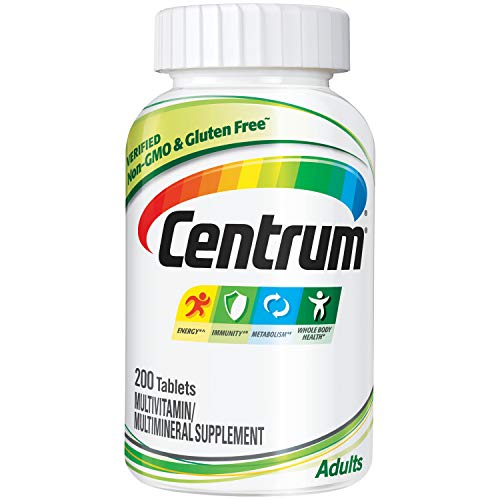
Centrum Adult Multivitamin with Antioxidants, D3, 200 Tablets

365 by Whole Foods Adult Multivitamin

Geritol Multivitamin, 27 Essentials

Designs for Health Methylated Multivitamin

Simply Nature’s Pledge 2-Pack

Simply Nature’s Pledge 2-Month Supply
Inside Each Recommended Option
A bottle of 200 adult tablets makes this the longest-supply format among the three conventional multivitamins here, although that count describes packaging rather than formula quality. The label combines 23 micronutrients with vitamin D3, B vitamins, iron, zinc, and antioxidant vitamins C and E, giving you a broad set of nutrients to review against your dietary pattern.
Centrum fits adults who prefer a familiar all-in-one tablet over a specialized capsule formula. Compared with Geritol’s 40-tablet bottle, it occupies considerably more shelf space, but the larger count can also limit how often you need another bottle. A qualified healthcare professional can help you assess the label before adding any supplement.
What Stands Out
- Combines 23 micronutrients in a conventional adult tablet.
- Includes vitamin D3, iron, zinc, B vitamins, and antioxidants.
- Uses tablets rather than the capsules found in Designs for Health.
- Made without gluten and with non-GMO ingredients.
- A 200-count bottle suits long-term kitchen or pantry storage.
Points To Note
- The large bottle requires more storage space than the 40-tablet Geritol package.
- Because it contains iron, people avoiding iron should review this label with a healthcare professional.
Key Specs
Made For
Adults seeking a broad conventional multivitamin label and a large tablet supply fit this format well.
Look Elsewhere When
Designs for Health Methylated Multivitamin suits adults who prioritize specific nutrient forms and want a formula without iron.
This 180-tablet formula takes a more selective approach than Centrum’s 23-micronutrient label. It includes 17 vitamins and minerals, with iron, lutein, lycopene, vitamins C and E, beta-carotene, and zinc appearing among the named components. That makes it a conventional adult multivitamin rather than a fruit-and-vegetable blend.
The absence of artificial colors, flavors, and preservatives is a useful filter for shoppers who pay close attention to labels. You still need to compare the nutrient list with your own needs, especially because this formula has 17 listed vitamins and minerals against Centrum’s 23. The 180-tablet bottle also sits between Geritol’s compact package and Centrum’s 200-count supply.
Why It Works Well
- Provides 17 vitamins and minerals in a familiar adult tablet.
- Made without artificial colors, flavors, or preservatives.
- Includes lutein, lycopene, beta-carotene, and zinc for a broader label.
- The 180-tablet bottle offers a practical middle ground for storage.
Small Caveats
- Its listed nutrient count is lower than Centrum’s 23 micronutrients.
- Iron is included, so people avoiding it need a careful label review.
- Those prioritizing specialized nutrient forms may find Designs for Health more relevant.
The Right Fit
Adults who want a straightforward multivitamin without artificial colors, flavors, or preservatives fit this option particularly well.
Another Choice May Suit
Centrum Adult Multivitamin with Antioxidants, D3, 200 Tablets suits adults who prioritize a larger labeled micronutrient count.
Geritol takes the opposite approach to Centrum’s 200-tablet bottle: it puts 27 vitamins and minerals into a compact 40-tablet package. The formula includes B vitamins, beta-carotene, vitamins C and E, vitamin D, and iron, with the label positioning these nutrients for energy, immune, bone, and oxygen-related functions.
That short count makes this convenient for travel, a smaller cabinet, or anyone who dislikes keeping several large supplement bottles nearby. The listed age range begins at 12, so it also serves adults and older teens. It contains iron, however, and its compact packaging doesn’t change the need to compare the full label with your needs.
Reasons It Performs
- Packs 27 vitamins and minerals into only 40 tablets.
- Includes vitamin D, iron, B vitamins, beta-carotene, vitamins C, and E.
- Made without gluten, with non-GMO ingredients and no artificial sweeteners.
- The smaller bottle needs less cabinet space than the 200-count Centrum package.
Area For Improvement
- The iron content remains an important label check for people who avoid it.
Quick Facts
Who It Suits Best
Travelers, apartment dwellers, and people with limited cabinet space appreciate the compact 40-tablet format.
A Better Fit Elsewhere
Centrum Adult Multivitamin with Antioxidants, D3, 200 Tablets better serves shoppers who prefer a much larger bottle and a 23-micronutrient label.
The defining detail here is the form of the nutrients rather than the bottle count. This 60-capsule formula uses methylated B12 and folate, vitamin E as high-gamma mixed tocopherols, and amino acid chelate minerals, which are minerals bound to amino acids. That specialized presentation gives you something different to compare against the broader conventional labels.
The formula also omits iron, separating it clearly from Centrum, 365 by Whole Foods Adult Multivitamin, and Geritol. People who have deliberately avoided iron may find that distinction meaningful. In your view, a specialized form still deserves a full label review, particularly before you compare it with a conventional multivitamin containing more familiar ingredients.
A Favorable Mix
- Uses methylated B12 and folate rather than simply naming the vitamins.
- Provides vitamin E in a mixed-tocopherol form.
- Uses amino acid chelate minerals in the formula.
- Omits iron, giving you a clear point of comparison.
Possible Compromises
- The specialized ingredient forms may matter more to some shoppers than to others.
- Unlike the other conventional multivitamins here, the formula excludes iron.
Best Suited To
Adults who specifically prioritize methylated nutrient forms and seek a multivitamin without iron fit this formula well.
Swap It Out When
Geritol Multivitamin, 27 Essentials suits adults who prefer a conventional label, a 40-tablet bottle, and a broader list of named vitamins and minerals.
This is a fruit-and-vegetable supplement rather than a traditional multivitamin, and that distinction comes before any other feature. Its formula draws from 42 fruits and vegetables and places beta-carotene at the center of the label. Beta-carotene is a nutrient the body can convert into vitamin A, which explains why this product serves a different purpose from the conventional formulas above.
The two-pack contains two 90-count bottles, giving you more flexibility than the larger Simply Nature’s Pledge offering while separating the supply into separate containers. That can be practical for households sharing one purchase or for anyone who wants to keep portions in different places. The honest read is that it shouldn’t be compared directly with Centrum’s 23 micronutrients because the two labels answer different questions.
The Case For It
- Uses fruit and vegetable ingredients from 42 sources.
- Centers the formula on beta-carotene rather than conventional vitamins and minerals.
- Two 90-count bottles allow separate storage locations.
- Provides a non-GMO fruit-and-vegetable blend in capsule form.
Practical Considerations
- This is not a substitute in the category for a labeled multivitamin with vitamins and minerals.
- Two bottles require more storage space than a single larger container.
Feature Snapshot
Whose Shelf It Belongs On
Households seeking a capsule-based fruit-and-vegetable blend with separate bottles belong in this category.
Where A Sibling Pick Shines
Simply Nature’s Pledge 2-Month Supply better serves shoppers who want a larger single-bottle quantity and less packaging.
The larger 360-count package is the main reason to choose this version over the 90-count two-pack. Its formula still uses fruit and vegetable ingredients representing 42 sources, so it occupies the same plant-based supplement category rather than competing with iron-containing multivitamins. The difference comes down to packaging, convenience, and shelf space.
A larger bottle can be sensible for anyone who prefers fewer packages and has room to store one container. It may feel excessive for a smaller household or someone testing the format, where the smaller pack offers more flexibility. As with every supplement, a qualified healthcare professional can help you review the ingredient list and your personal needs.
What Works In Its Favor
- Provides a larger 360-count quantity in one bottle.
- Uses ingredients from 42 fruits and vegetables.
- Offers the same broad plant-based blend as the smaller 2-Pack.
- Reduces the number of separate packages in a larger supply.
Trade-Offs To Consider
- The larger container needs more cabinet space than two smaller 90-count bottles.
- It remains a fruit-and-vegetable supplement rather than a conventional multivitamin.
Core Details
Built With In Mind
Adults wanting a large fruit-and-vegetable blend with one container and adequate storage space fit this option well.
Reach For A Different Pick When
Simply Nature’s Pledge 2-Pack suits shoppers who prefer smaller containers, shared ownership, or less space devoted to one bottle.
What to Look for in an Inexpensive Vitamin
Start with the label
A bottle count tells you about quantity, not nutrient coverage, so the ingredient panel deserves your attention first. Compare the number of listed vitamins and minerals, note whether iron is present, and check whether you want a traditional multivitamin or a plant-based blend. The three conventional options in this roundup range from 17 listed nutrients in 365 by Whole Foods Adult Multivitamin to 23 in Centrum, while Geritol lists 27.
Match the format to your routine
Tablets can feel more familiar, while capsules may be easier to swallow for some people. Count also affects storage: Geritol’s 40-tablet bottle is compact, whereas Centrum’s 200-count bottle requires a permanent shelf position. The Simply Nature’s Pledge products add another decision, since one uses two separate 90-count bottles and the other provides a single 360-count container.
Look beyond the package count
A large bottle can reduce packaging turnover, but it cannot compensate for a formula that misses your priorities. Designs for Health uses specialized nutrient forms and omits iron, while 365 by Whole Foods highlights lutein, lycopene, and the absence of artificial colors, flavors, and preservatives. Those distinctions matter more than count alone for some shoppers.
Give your health history a say
Iron, folate, vitamin D, and other nutrients can interact with personal health considerations and other products. A qualified healthcare professional can review the complete label with you, especially before you begin a supplement, are pregnant or nursing, take medication, or manage a medical condition.
Where Shoppers Go Wrong
A large tablet count can make a formula appear more valuable than it is. Package quantity matters, but nutrient types, label details, and your dietary pattern deserve equal attention. Another common mistake is treating a fruit-and-vegetable blend like a conventional multivitamin, even though the two product categories have different labels.
What Separates Premium From Basic
Higher-cost options may spend more on specialized nutrient forms, capsule design, or smaller package sizes. That added spending can be worthwhile when a particular form or iron content matches your priorities. It adds little when you pay for ingredient distinctions that your routine does not need.
Frequently Asked Questions for Inexpensive Vitamins
Are inexpensive multivitamins less effective than higher-cost options?
Not necessarily; effectiveness depends on the nutrient amounts, forms, and label claims rather than cost alone. A higher-cost formula can still lack an ingredient that matters to your routine, so compare the panels directly.
Should I choose a multivitamin or a fruit and vegetable supplement?
A multivitamin lists specific vitamins and minerals, while a fruit-and-vegetable supplement centers on plant ingredients and nutrients such as beta-carotene. They serve different label purposes, so the right comparison comes down to your dietary pattern and the ingredients you actually want.
Why does iron content matter when comparing labels?
Iron is present in Centrum, 365 by Whole Foods Adult Multivitamin, and Geritol, while Designs for Health omits it. People avoiding iron can use that distinction to narrow the list, then ask a qualified healthcare professional to review the complete formulas.
Does a larger bottle mean better value?
A larger bottle can reduce packaging turnover, but quantity alone does not establish formula quality. Compare nutrient coverage, specialized forms, storage needs, and your dietary priorities before deciding whether the extra quantity is useful.
Can multivitamins and fruit-and-vegetable supplements overlap?
Their labels can share nutrients, so combining products may increase total intake beyond what you intend. A qualified healthcare professional can review both ingredient panels and help you identify potential overlap.
Final Verdict
The most useful inexpensive vitamin depends on what you need from the label: broad micronutrient coverage, a compact bottle, specialized nutrient forms, or a plant-based blend. Centrum offers the broadest conventional label here, Geritol wins on compactness, and Designs for Health stands apart for its forms and lack of iron. Compare the full label with your routine, and let a qualified healthcare professional guide the final choice.
