

A 2 a.m. feeding can unravel quickly when your baby gulps air, pulls away, and becomes uncomfortable. The right bottle addresses that problem through venting, a steady flow rate, or a pouch that collapses as milk is consumed, but each approach suits a different feeding setup. These seven options give you practical choices for breastfed babies, combination feeding, smaller portions, and larger bottles.
A Fast Comparison Of The Options

Dr. Brown’s Options+ Wide-Neck Bottle, 9 oz
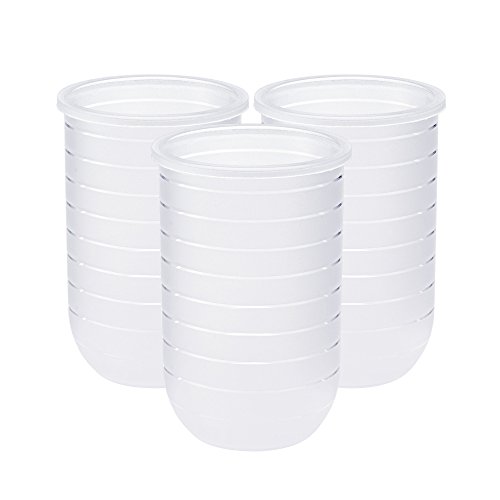
Boon Nursh Reusable Silicone Pouch, 8 oz

Thyseed Anti-Colic Medium-Fast Nipple, 2-Pack

Thyseed Glass Anti-Colic Bottle, 5 oz

Thyseed Glass Anti-Colic Bottle, 8 oz, 2-Pack

Thyseed PPSU Anti-Colic Bottle, 8 oz, 2-Pack

Thyseed PPSU Anti-Colic Bottle, 5 oz, 2-Pack
More On The Choices That Made The List
The internal vent gives this bottle a distinct approach to gassiness. It is designed to keep air away from the milk, which may reduce the burping and spit-up associated with swallowed air during frequent bottle feeds.
For a family moving between breast and bottle, the breast-shaped silicone nipple and steady flow rate make this a versatile choice. Flow rate simply means how quickly milk leaves the nipple, and this bottle aims to let the baby control the pace rather than force a fast delivery.
The Upside
- The internal vent is intended to reduce air entering the milk during feeds.
- A consistent nipple flow may make paced feeding easier to manage.
- The 9-ounce size holds a practical amount for many daytime and evening feeds.
- The four-bottle set gives you multiple bottles for rotation and cleaning.
Things To Consider
- The vent can be removed as feeding develops, but its air-management benefit is tied to keeping it assembled.
- Compared with the glass options here, the wide-neck format needs to fit your existing nipple and accessory setup.
Key Specs
Who It Suits Best
This bottle suits families seeking a flexible wide-neck system for babies who seem uncomfortable after swallowing air during bottle feeds.
Where Another Pick Suits Better
Thyseed Glass Anti-Colic Bottle, 5 oz offers a smaller glass format and extra-slow flow for newborn-sized feeds.
Unlike a rigid bottle that stays full as the milk level drops, this silicone pouch collapses during feeding. That changing shape is intended to reduce the amount of air your baby swallows, making it a distinct option for gas-sensitive feeding routines.
The 8-ounce pouch also uses a Stage 2 medium-flow nipple, so it fits a baby ready for that delivery pace. For families already using a Nursh setup, the reusable format can fit naturally into an existing rotation.
A Favorable Mix
- The collapsing pouch is designed to limit air entering the milk as it is consumed.
- Silicone forms the entire food-contact pouch without BPA or PVC plastic.
- Reuse reduces the need to replace this feeding component routinely.
- The 8-ounce capacity handles more substantial feeds without an oversized bottle body.
Small Caveats
- This is a replacement pouch rather than a complete bottle-and-nipple system.
- The Stage 2 medium flow is intended for babies ready for that pace, rather than the slowest newborn flow.
At A Glance
Made For
This pouch fits caregivers already using a compatible Nursh feeding setup and prioritizing a collapsible, reusable air-management design.
Consider Something Else When
Dr. Brown’s Options+ Wide-Neck Bottle, 9 oz offers a more conventional four-bottle set for families that prefer a complete wide-neck system.
This nipple is a targeted replacement rather than a complete feeding system. Its medium-fast flow and 3+ month designation make it most relevant once a baby has moved beyond a slower newborn pace and needs a different delivery rate.
The two-pack gives caregivers a spare for rotation, which is useful in a busy home where one nipple may be in use or being cleaned. In our view, its value depends on finding a match with your current bottle system.
Where It Delivers
- Medium-fast flow suits babies ready for a quicker delivery pace.
- The 3+ month designation helps narrow the intended age range.
- Two nipples allow a simple rotation during feeding and cleaning.
Points To Note
- This purchase does not include a bottle body, so it does not replace a complete feeding setup.
- Check your bottle’s nipple format before ordering because the flow choice only helps when the replacement fits the system.
Right Fit For
This nipple best suits caregivers with an existing bottle system who need a medium-fast replacement for a baby older than three months.
Not Your Match When
Boon Nursh Reusable Silicone Pouch, 8 oz is a more suitable fit for families seeking a complete collapsible pouch rather than a replacement nipple.
For a newborn receiving smaller portions, the 5-ounce capacity keeps the feeding volume modest while the extra-slow nipple supports a gentler pace. That combination makes this bottle more relevant to early bottle-feeding routines than the 8-ounce choices later in the list.
The base vent is designed to separate air from the milk, while multiple small openings in the nipple create a steadier flow. The manufacturer points to clinical research published in JAMA, which adds context to the venting design without removing the need to judge fit from your baby’s actual feeding behavior.
What Helps Most
- The extra-slow nipple is tailored to newborn feeding from birth.
- The base vent is intended to reduce bubbles and swallowed air.
- Multiple nipple openings can help reduce gulping and frustration during feeds.
- Glass provides a straightforward alternative to plastic bottle bodies.
Where It May Fall Short
- The 5-ounce capacity holds less milk than the 8-ounce options.
- Only one bottle is included, which offers less rotation than the two-packs.
Feature Snapshot
Built With In Mind
This bottle suits families beginning bottle feeding with a newborn who needs a small capacity and extra-slow flow.
Look Elsewhere When
Thyseed PPSU Anti-Colic Bottle, 5 oz, 2-Pack offers a similar newborn flow in a two-bottle PPSU set.
Stepping up from the compact newborn bottle, this set combines an 8-ounce capacity with a slow-flow nipple intended for babies from three months onward. It fits growing families that need more volume but still prefer a measured, slower delivery pace.
The base vent follows the same air-separating approach as the smaller Thyseed bottle, and the nipple’s multiple openings are designed to smooth the flow. Two glass bottles make rotation easier, which can be especially useful during a household with frequent daytime and nighttime feeds.
What It Does Well
- Eight-ounce bottles accommodate more milk as feeding amounts increase.
- The slow flow gives parents a measured option for babies from three months onward.
- The vent is designed to keep air separated from the milk.
- Two glass bottles make it easier to keep one ready while another is in use or being cleaned.
Practical Considerations
- The 3+ month slow-flow designation makes it less relevant to a newborn who needs extra-slow delivery.
- The larger capacity may be unnecessary for babies consistently taking smaller portions.
The Right Fit
This set suits families of babies at least three months old who need 8-ounce glass bottles with a slow-flow nipple.
A Better Fit Elsewhere
Thyseed Glass Anti-Colic Bottle, 5 oz is a better fit for newborns and caregivers prioritizing a smaller initial feeding volume.
For combination feeding, the breast-shaped silicone nipple supports a natural latch while the larger 8-ounce body handles a generous feed. PPSU is a plastic bottle material, giving you a different construction option from the glass bottles in this list.
The base vent is designed to keep air out of the milk, while the nipple releases milk when the baby actively sucks. That baby-led approach gives feeding more control to the infant, which may be useful when you want breast and bottle sessions to feel similar.
Reasons It Performs
- The vent is intended to reduce gassiness, spit-up, and burping associated with swallowed air.
- The soft silicone nipple is shaped to support a natural latch.
- Milk releases in response to active sucking, supporting a paced feeding rhythm.
- Two 8-ounce bottles simplify rotation between feeds.
Details To Watch
- The medium-fast flow and 3+ month designation target babies ready for a quicker pace.
- Combination feeders should confirm that the nipple shape and flow suit their baby’s established latch.
Quick Facts
Whose Shelf It Belongs On
This set fits combination-feeding households with babies over three months who need larger bottles and a faster nipple flow.
Skip It When
Thyseed PPSU Anti-Colic Bottle, 5 oz, 2-Pack is a better fit for newborn feeding and smaller portions.
The smallest of the 8-ounce choices is a sensible place to start for a newborn because it combines a 5-ounce capacity with an extra-slow nipple. The soft, breast-shaped silicone is designed to support a natural latch, which makes it relevant for breastfed babies learning to use bottles.
Its base vent is intended to keep air away from the milk, and the milk releases when the baby actively sucks. You get two PPSU bottles for rotation, though the compact capacity may need to be replaced with an 8-ounce format as feeding amounts increase.
Real-World Strengths
- The extra-slow flow is intended for newborn feeding from birth.
- The vent is designed to reduce gassiness, spit-up, and burping.
- The breast-like silicone supports a more natural latch.
- Two 5-ounce bottles make a practical starter pair for home or travel routines.
Trade Offs
- The 5-ounce capacity holds less than the 8-ounce bottles in this list.
- The extra-slow flow may need changing as a baby begins taking larger or faster feeds.
Technical Highlights
Who Will Love This
This set suits families caring for a newborn who prefers a natural latch and benefits from a slower, smaller bottle feed.
Another Choice May Suit
Dr. Brown’s Options+ Wide-Neck Bottle, 9 oz better serves families that want a complete wide-neck set with a removable internal vent.
What Matters Before You Choose An Infant Bottle
Start With The Air You Want To Manage
An anti-colic system, base vent, or collapsible pouch all target the same broad problem: reducing the air a baby may swallow. A vent separates air from the milk, while a collapsible pouch changes shape as the milk level drops. The practical choice depends on the bottle system your baby already uses and the setup you will actually maintain.
Match The Nipple To The Baby
Flow rate describes how quickly milk leaves the nipple. Extra-slow and slow flows suit earlier feeding stages, while medium-fast flows are intended for babies who have progressed. Watch your baby’s latch, gulping, and overall comfort rather than choosing solely by age, since feeding development can vary.
Choose The Capacity And Material
A 5-ounce bottle keeps early portions compact, while an 8-ounce bottle reduces the need for larger-volume feeds. Glass and PPSU offer different construction choices, and silicone appears in several nipple and pouch designs. Look for a complete bottle, a replacement pouch, or a nipple-only pack based on what your current setup actually needs.
Account For Rotation And Storage
Two-bottle packs make it easier to keep one bottle ready while another is being used or cleaned. Wide-neck, glass, and pouch formats also take different amounts of space, so compare them with your drying area and storage cabinet in mind. A full set may be more useful than one bottle, but the right number depends on your routine.
Common Mistakes To Avoid Before You Buy
Mistaking A Nipple For A Complete Bottle
A replacement nipple changes flow and compatibility but does not add a vented body or larger capacity. Identify whether you need an entire bottle, a pouch for a Nursh setup, or only a replacement nipple before comparing the options.
Focusing On Capacity Before Flow
An 8-ounce bottle does not suit every newborn simply because it holds more milk. Match the nipple speed to your baby’s feeding stage, then choose capacity around the portions they actually finish.
Ignoring The Feeding System
Pouch, wide-neck, glass, and PPSU bottles are not interchangeable components. Check the format of your current bottles and confirm that any replacement piece fits before ordering.
What Separates Premium From Basic
Where The Added Design Matters
The cost difference between feeding options may come from specialized venting, silicone construction, a collapsible pouch, or a complete multi-bottle set. These features matter most when your baby has difficulty with swallowed air, you are combining breast and bottle feeding, or replacing a frequently used component.
When Paying More Pays Off
A higher-tier option is more useful when its specialized design addresses a recurring problem in your routine. A simple silicone pouch can make sense for air control, while a two-bottle set can prove more convenient for frequent use. Choose the added cost only when the feature has a clear place in your daily feeding setup.
Frequently Asked Questions
Which infant bottle is best for reducing gas?
Dr. Brown’s Options+ Wide-Neck Bottle, 9 oz is a strong choice for gas-sensitive feeding because its internal vent is designed to keep air away from the milk. Boon Nursh Reusable Silicone Pouch, 8 oz offers a different solution through its collapsible design.
Does an anti-colic vent completely eliminate gas?
No, an anti-colic vent is designed to reduce swallowed air rather than remove every source of discomfort. Your baby’s response can vary, so you should also consider nipple speed, feeding pace, and the amount being consumed.
Is the removable vent on Dr. Brown’s useful as the baby grows?
The vent can be removed as feeding develops, according to the manufacturer. Keeping it in place maintains the bottle’s air-management design, so removal is a flexibility option rather than a required upgrade step.
Should a newborn use a 5-ounce or 8-ounce bottle?
A 5-ounce bottle usually creates a closer match to smaller newborn portions, while an 8-ounce bottle can be more practical as feeding amounts increase. The nipple flow matters alongside capacity, so check both features before choosing.
Can replacing a nipple help with gas?
A replacement nipple can change the delivery pace, which may help with gulping or an unsuitable flow. It cannot reproduce the air-management design of a vented bottle or collapsible pouch, so gas-sensitive feeding may require a complete system.
Final Take
The right infant bottle for gas is the one that combines a suitable flow, a practical capacity, and an air-management design you will use consistently. Dr. Brown’s stands out for its removable internal vent, Boon Nursh for its collapsible silicone pouch, and the Thyseed options for clearly matched nipple speeds and bottle sizes. Match the product to your baby’s stage and your existing feeding system rather than choosing on one feature alone.
