

A baby with sensitive, eczema-prone skin can make formula shopping feel like a minefield of labels, warnings, and competing advice. You may be balancing a history of digestive upset, a confirmed food allergy, or simply the need for a formula that fits your child’s daily routine without adding more fuss. The right starting point is a clear understanding of what each formula and cream actually offers, followed by guidance from your child’s healthcare professional.
A Fast Comparison Of The Options

Similac Pure Bliss Formula 24.7 oz

Neocate Syneo Junior Formula

Enfamil NeuroPro DHA & MFGM
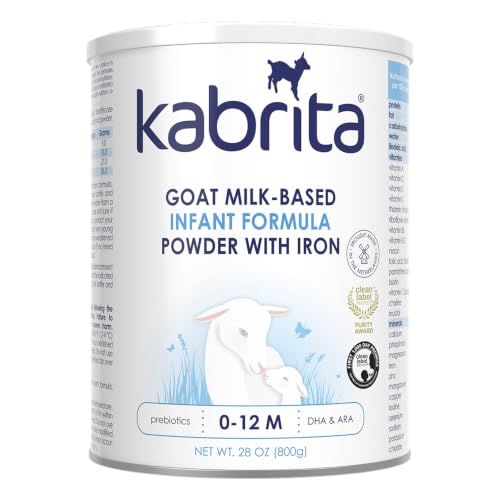
Kabrita Goat Milk Formula 28 oz

Puriya Colloidal Oatmeal Eczema Cream 4.5 oz

Puriya 5-in-1 Eczema Cream 4 oz
Taking A Closer Look At The Options
Similac Pure Bliss offers a practical starting point for families seeking a conventional infant formula with a gentle positioning. It uses milk from cows raised in Ireland and is formulated to resemble breast milk, which may appeal to households that value recognizable dairy-based nutrition without a highly specialized ingredient profile.
Unlike Neocate Syneo Junior, this option is not an amino-acid formula for dietary management of cow milk allergy. For an infant with confirmed sensitivities, that distinction carries more weight than the European milk source or easy-to-digest wording, so medical guidance remains the deciding factor.
Where It Helps
- Fresh milk from Irish cows provides a clearly stated source for the dairy-based formula.
- The nutrition profile is modeled after breast milk, giving families a familiar reference point.
- DHA and ARA, fatty acids associated with brain and eye development, add developmental nutrition.
- The formula omits artificial growth hormones, palm olein oil, corn syrup, and genetically modified ingredients.
Points To Note
- “Easy to digest” does not make it an amino-acid or hypoallergenic formula for a diagnosed allergy.
- The 24.7-ounce can may require more frequent replenishment than the 28-ounce Kabrita container.
Feature Snapshot
The Right Fit
You’ll find this most useful for a healthy infant whose family wants a familiar, European-sourced formula with DHA and ARA.
Another Choice May Suit
Neocate Syneo Junior Formula better serves a child over age one with a confirmed food allergy and a need for amino-acid nutrition.
Neocate Syneo Junior Formula is built around a much more specific need than ordinary sensitive-skin language suggests. It uses amino acids, the small protein building blocks that make up dairy proteins, allowing the formula to provide nutrition without intact cow milk proteins. That design makes it the most clearly specialized formula in this group for dietary management of cow milk allergy.
For toddlers and older children, the Syneo blend adds prebiotic fibers, which nourish beneficial gut bacteria, and probiotics, live microorganisms selected for digestive support. The 14.1-ounce unflavored container may not be the most convenient for a busy household, but its ingredient focus is difficult to mistake.
What Helps Most
- Made entirely from amino acids for children with food-allergy nutrition needs.
- Designed for toddlers, older children, and teens with food allergies.
- Dairy-free and free of artificial colors, flavors, and sweeteners.
- Syneo combines prebiotic fibers and probiotics for digestive support.
- Unflavored formula gives families a neutral base for older children.
Small Caveats
- Its age range starts at one year, so it does not cover the newborn or early infant stage.
Key Details
Who Should Grab It
This formula suits families managing a confirmed cow milk allergy in a child aged one or older under healthcare guidance.
Consider Something Else When
Kabrita Goat Milk Formula 28 oz is the more natural fit for a healthy infant over six months who is simply exploring a goat-milk option.
Enfamil NeuroPro approaches formula choice from a developmental nutrition angle rather than an allergy-focused one. Its 20.7-ounce powder combines DHA with MFGM components, which are milk-fat components associated with brain development. That makes it a practical fit for families comparing established infant formulas on nutrition features rather than searching for an amino-acid product.
The stated developmental benefit extends through age five when feeding begins during the first year, according to the product’s claims. Compared with Similac Pure Bliss, which also includes DHA and ARA, Enfamil adds MFGM components as its distinguishing development-oriented ingredient.
Where It Excels
- Combines DHA with MFGM components for a development-focused nutrition profile.
- The powder format supports at-home preparation and storage routines.
- Its development claim covers cognitive, motor, and communication outcomes through age five.
Trade Offs
- It is not presented as a hypoallergenic or amino-acid formula for a diagnosed cow milk allergy.
- Powder preparation adds steps compared with a ready-to-feed format.
- Its developmental emphasis may not answer the core concern of a family managing eczema alongside a suspected food trigger.
Built With In Mind
You’ll appreciate this option most when an infant has no diagnosed allergy and your priority is DHA and MFGM support during the first year.
A Better Fit Elsewhere
Similac Pure Bliss Formula 24.7 oz offers a comparable DHA-and-ARA nutrition profile with a different milk source and European production background.
Kabrita Goat Milk Formula 28 oz is designed for healthy infants from birth through 12 months, with gentle digestion as its central distinction. Goat milk naturally contains A2 protein, a type of cow milk protein that many families recognize as easier to digest. The formula is European-made and marketed as non-GMO, giving it a profile that sits between standard dairy formulas and highly specialized allergy products.
That middle position may be useful for a baby with mild digestive fussiness, although “gentle” does not mean hypoallergenic. A child with diagnosed cow milk allergy needs a more specialized choice, which makes the difference between Kabrita and Neocate Syneo Junior essential rather than cosmetic.
Reasons It Performs
- Goat milk provides naturally gentle A2 protein for its digestion-focused design.
- The formula covers infants from birth through 12 months.
- A 28-ounce container reduces refill frequency compared with the smaller Neocate can.
Practical Considerations
- Goat milk is not equivalent to an amino-acid formula when managing a confirmed cow milk allergy.
- Several pack configurations appear in the listing, so the quantity received can affect your storage plans.
At A Glance
Who It Suits Best
This formula fits a healthy infant with routine digestive fussiness whose family specifically wants a goat-milk, A2-protein option.
Where A Sibling Pick Shines
Neocate Syneo Junior Formula serves older children with confirmed food allergies more closely than this standard goat-milk formula.
Puriya’s 4.5-ounce eczema cream sits alongside the formulas because dry, itchy skin often needs a separate topical routine. It uses colloidal oatmeal, a finely ground oat ingredient commonly used in sensitive-skin products, along with botanical ingredients and moisturizing oils. The National Eczema Association acceptance gives families an extra point to consider when selecting a cream for dry, rough skin.
Unlike the other Puriya option in this roundup, this formula is made without added fragrance, which may be useful for routines where scent sensitivity is a concern. It remains a cream rather than infant food, so it complements formula feeding but does not replace a nutritional decision.
A Few Highlights
- Colloidal oatmeal supports a gentle, skin-focused cream texture.
- Botanicals and moisturizing oils hydrate and soften dry, rough skin.
- The National Eczema Association has accepted the formula.
- No fragrance is added, which suits fragrance-sensitive routines.
Worth Noting
- This is a topical cream and cannot serve as an infant formula or address suspected food triggers.
- The 4.5-ounce container may need frequent replacement for use across several body areas.
Who Will Love This
You’ll appreciate this cream for a child or adult with dry, itchy skin who values plant-based care without added fragrance.
Look Elsewhere When
Puriya 5-in-1 Eczema Cream 4 oz offers a broader hydrating blend when multiple moisturizing ingredients matter more than avoiding added fragrance.
Puriya 5-in-1 Eczema Cream 4 oz brings together a wider group of skin-conditioning ingredients than the other Puriya selection. Colloidal oatmeal addresses the dry, itchy side of the routine, while aloe vera, shea butter, squalane, and jojoba oil contribute hydration, smoothing, and moisture-locking properties. That combination makes it useful for families managing eczema-prone skin across a child’s cheeks, hands, or body.
The formula is more than 99% plant-based and is made without steroids or parabens, according to its stated ingredient positioning. The trade-off appears in size: four ounces is slightly smaller than the 4.5-ounce cream, so a larger household may replace it more often.
What Works In Its Favor
- Colloidal oatmeal is paired with 25 moisturizing ingredients.
- Aloe vera contributes hydration while shea butter smooths rough areas.
- Squalane and jojoba oil help condition and seal in moisture.
- The fast-absorbing texture suits morning and bedtime application routines.
- Made without steroids, parabens, artificial colors, or artificial fragrances.
Factors To Consider
- This is a topical eczema cream, not an infant formula for nutritional support.
- The four-ounce size may be less economical for frequent use over large body areas.
Technical Snapshot
Whose Shelf It Belongs On
This cream belongs in a family skincare routine for a baby, child, or adult with recurring dry, itchy, rough skin.
Reach For A Different Pick When
Puriya Colloidal Oatmeal Eczema Cream 4.5 oz is a closer match when avoiding added fragrance takes priority over a broad 25-hydrator blend.
What Matters Before You Make The Decision
Start With The Medical Picture
A confirmed food allergy calls for a very different approach from ordinary digestive fussiness or eczema-prone skin. Share your child’s symptoms, medical history, and current diet with the pediatrician or another qualified healthcare professional before changing formula. That conversation can clarify whether you need a standard cow milk formula, a goat-milk option, or an amino-acid formula designed for dietary management of cow milk allergy.
Read The Ingredient Claims Precisely
Terms such as “sensitive,” “gentle digestion,” and “hypoallergenic” do not mean the same thing. Amino acids are the individual building blocks of proteins, while DHA and ARA are developmental fatty acids, and A2 protein describes a particular type of cow milk protein. Compare those definitions rather than relying on broad claims on the front of a can.
Think Beyond The First Ingredient
Container size, powder preparation, flavor, and storage requirements affect whether a formula fits your routine. A smaller specialty can may be inconvenient during frequent feeds, while a larger standard container may make more sense for a healthy infant. Eczema creams need separate consideration too, since their topical ingredients and fragrance choices do not influence formula nutrition.
Keep Formula And Skin Care Separate
The formulas in this roundup provide nutrition, while the two Puriya products are topical creams for dry, itchy skin. Neither category substitutes for the other, and neither can confirm the cause of a rash or feeding problem. Keeping those roles clear can make a care plan simpler and prevent a topical product from being evaluated as food.
Practical Checks Before You Buy
Mistakes Worth Dodging
Don’t assume goat milk is equivalent to an amino-acid formula; they serve different nutritional needs. Avoid choosing a cream by the word “eczema” alone, and pay attention to added fragrance, product size, and the areas your family plans to cover.
What The Higher Tier Buys
A specialty formula may spend more on a narrower ingredient structure, such as fully hydrolyzed or amino-acid nutrition, while a cream may offer a larger hydrating blend. The upgrade matters most when a diagnosed allergy or a long-term, multi-area skincare routine justifies that specialization.
Frequently Asked Questions
Which infant formula is suitable for eczema-prone babies?
No single formula suits every baby with eczema-prone skin. Your child’s healthcare professional should help assess feeding symptoms and any suspected food trigger before you select a formula.
Is amino acid formula better for eczema?
Amino acid formula is primarily relevant to specific allergy management, not eczema by itself. Neocate Syneo Junior Formula fits children over age one with dietary needs related to cow milk allergy.
Does goat milk formula work for cow milk allergy?
Goat milk formula should not be treated as equivalent to an amino-acid formula for diagnosed cow milk allergy. Kabrita is designed for healthy infants, so medical guidance is especially important in that situation.
Can eczema cream replace infant formula?
No. Puriya’s eczema creams are topical moisturizers for dry, itchy skin and provide no infant nutrition. They belong alongside formula feeding rather than in place of it.
What ingredients should I compare between formulas?
Compare protein structure, fat sources, developmental nutrients, allergens, age range, and preparation format. The most important choice depends on your child’s medical history rather than a general eczema label.
Closing Verdict
The strongest formula choice depends on the reason for your search: Neocate Syneo Junior Formula addresses specialized allergy nutrition, while Similac Pure Bliss, Enfamil NeuroPro, and Kabrita serve different everyday priorities. Puriya’s creams handle the separate task of moisturizing dry, itchy skin. Start with the clinical need, then match the format and ingredients to your household routine.
