

Selecting infant formula feels personal because every feeding decision affects your baby’s daily routine. Parents often weigh organic ingredients, milk proteins, digestive support, and stage requirements at once, then narrow the field based on what their baby tolerates and what is practical to prepare. The six formulas below cover different priorities, from A2 milk and organic options to specialized milk-protein formulas and brain-focused nutrition. Your pediatrician can help confirm the right fit for your baby’s age, health history, and feeding needs.
The Shortlist At A Glance

HAPPY BABY Stage 1 A2 Formula 22.9oz

Similac Alimentum 2′-FL HMO Hypoallergenic Infant Formula 12.1oz Can

HAPPY BABY Stage 1 Formula 14.1oz

Enfamil NeuroPro DHA & MFGM

HAPPY BABY Stage 2 Formula 22.9oz
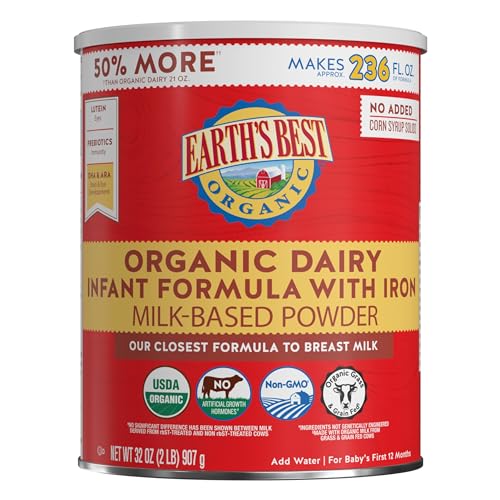
Earth’s Best Organic Formula 0-12 Months, Iron, DHA, ARA 32 oz
What Each Pick Brings To The Table
A2 milk sets HAPPY BABY Stage 1 A2 Formula apart from the conventional dairy options in this roundup. For families seeking organic Stage 1 nutrition, the formula combines A2 milk with probiotics and prebiotics, giving you several meaningful reasons to consider it before moving to a standard dairy option.
The digestive angle may matter most during frequent bottle-feeding routines. The blend is intended to support beneficial gut bacteria and softer, more regular stools, although your baby’s response can vary and a pediatric clinician should guide any formula change.
What Stands Out
- Uses A2 milk as its protein base for a distinct alternative to conventional cow’s-milk formula.
- Combines probiotics, which supply beneficial bacteria, with prebiotics, which serve as fermentable fibers in the gut.
- The 22.9-ounce container offers more capacity than the smaller HAPPY BABY Stage 1 package.
- DHA is included at a level described as comparable to levels found in breast milk.
- Made in Europe with a focus on organic ingredients and stage-specific nutrient levels.
Points To Note
- Confirm that A2 protein suits your baby’s feeding history before making the switch.
- Stage 1 is intended for the first year, so it does not replace a later-stage formula once your baby outgrows it.
Key Specs
Who It Suits Best
This formula fits families seeking an organic Stage 1 option built around A2 milk, probiotics, and prebiotics.
Where Another Pick Suits Better
Similac Alimentum fits families specifically managing cow’s-milk protein sensitivity who need extensively broken-down milk proteins.
Similac Alimentum serves a more specialized purpose than the Happy Baby options here. Its milk proteins are broken into very small pieces, making the formula a practical consideration for families dealing with cow’s-milk protein sensitivity or related colic concerns under a clinician’s guidance.
You’ll also find 2′-FL HMO, a human milk oligosaccharide that is a complex sugar found in human milk. It adds a nutritional distinction, although it does not make the formula appropriate for every feeding situation.
What Makes Sense
- Milk proteins are broken down into tiny pieces for families managing protein sensitivity.
- Includes 2′-FL HMO as its immune-nourishing ingredient.
Practical Considerations
- This is a targeted formula rather than a general-purpose choice for every baby.
- The listed container is powder, while Similac also offers a ready-to-feed version for travel or late-night feedings.
- Your pediatrician should assess suspected milk-protein sensitivity before changing your baby’s formula.
Quick Facts
Built With In Mind
This formula suits families managing diagnosed or suspected cow’s-milk protein sensitivity with a pediatric clinician.
A Better Fit Elsewhere
Enfamil NeuroPro fits families seeking a standard infant formula built around DHA and MFGM rather than extensively broken-down milk proteins.
The smaller package gives HAPPY BABY Stage 1 Formula a different practical angle from the 22.9-ounce A2 version. It works well for households with limited cabinet space or for families beginning with a smaller quantity while confirming how a baby responds to the formula.
Like its larger Happy Baby sibling, it includes a probiotic and prebiotic blend intended to support gut bacteria and digestive regularity. The package size changes, but the nutritional emphasis remains similar.
Noteworthy Benefits
- The 14.1-ounce package takes up less storage space than a 22.9-ounce canister.
- Probiotics and prebiotics support a digestive-focused feeding routine.
- Includes DHA at levels described as comparable to those found in breast milk.
Minor Gripes
- You may need more frequent replacements than with the 22.9-ounce Happy Baby package.
- This version does not highlight the A2 milk feature offered by HAPPY BABY Stage 1 A2 Formula.
Right Fit For
This package fits families wanting organic Stage 1 nutrition with probiotics, prebiotics, and a compact canister.
Another Choice May Suit
HAPPY BABY Stage 1 A2 Formula suits families specifically interested in A2 milk and a larger 22.9-ounce package.
Enfamil NeuroPro takes a different route from the organic and specialty formulas in this list. Its central appeal is a nutrition pairing built around DHA and MFGM components, with DHA serving as an omega-3 fatty acid and MFGM referring to milk-fat globule membrane components naturally found in milk.
For a family focused on brain and eye nutrition, that combination gives Enfamil NeuroPro a clear role. The 20.7-ounce powdered format also fits routine home feeding, while Enfamil offers ready-to-feed options elsewhere in its range for days when mixing isn’t convenient.
Everyday Advantages
- Combines DHA and MFGM components in a formula designed around brain development.
- DHA is included at a level described as comparable to levels found in breast milk.
- The formula is backed by decades of research into breast milk and infant nutrition.
- A 20.7-ounce canister provides a practical size for routine home preparation.
Trade-Offs To Consider
- Its defining feature is DHA and MFGM rather than the probiotics and prebiotics emphasized by Happy Baby.
- This powder requires preparation, whereas ready-to-feed Enfamil options offer convenience for travel and late-night feedings.
Feature Snapshot
The Right Fit
Enfamil NeuroPro fits families who want a standard powder formula with DHA and MFGM as its defining nutrition features.
Swap It Out When
Earth’s Best Organic Formula fits families prioritizing organic dairy ingredients, prebiotics, and a formula without added corn syrup.
HAPPY BABY Stage 2 Formula is the age-specific choice for babies moving from 6 to 12 months. It retains the probiotics and prebiotics that make the Happy Baby range attractive to digestive-conscious families, now with nutrient levels adjusted for the next stage of development.
Compared with HAPPY BABY Stage 1 A2 Formula, the main change is the age range rather than the digestive-support concept. DHA remains part of the formula, making this a logical progression for families already comfortable with the brand’s general feeding approach.
Reasons It Performs
- Formulated specifically for the 6-to-12-month stage.
- Probiotic and prebiotic blend supports the brand’s digestive-focused approach.
- Includes DHA at levels described as comparable to levels found in breast milk.
Where It May Fall Short
- It is not intended for newborns who need a Stage 1 formula.
- Unlike HAPPY BABY Stage 1 A2 Formula, the A2 milk feature is not highlighted for this Stage 2 version.
Who Will Love This
This formula suits families with a baby between 6 and 12 months who want Happy Baby’s organic and digestive-support approach.
Not Your Match When
HAPPY BABY Stage 1 Formula fits families with a newborn or younger baby still within the 0-to-12-month Stage 1 range.
Earth’s Best Organic Formula offers a large-container approach to everyday Stage 1 feeding. Its dairy formula uses organic milk from grass- and grain-fed cows and adds lutein, prebiotics, DHA, ARA, and iron, giving you a broader nutrient lineup than the Happy Baby formulas emphasize.
The absence of added corn syrup is another meaningful detail for families comparing conventional dairy formulas. At 32 ounces, the container suits regular household use, although its larger footprint and standard dairy base make it a different proposition from A2 or extensively broken-down protein options.
Strengths Worth Knowing
- Uses organic dairy milk without added corn syrup.
- Includes iron, lutein, prebiotics, DHA, and ARA in one Stage 1 formula.
Factors To Consider
- The 32-ounce container requires more storage space than the 14.1-ounce Happy Baby package.
- Its dairy base does not suit babies who need the extensively broken-down proteins in Similac Alimentum.
- The formula is intended for the first year rather than babies entering Stage 2.
Product Snapshot
Made For
This formula fits families seeking a 32-ounce organic dairy Stage 1 option with several familiar infant nutrients.
Consider Something Else When
Similac Alimentum fits families whose babies need milk proteins processed into much smaller pieces for sensitivity management.
What Matters Before You Switch Formula
Start With The Baby’s Stage
The age printed on the container comes first. Stage 1 formulas are intended for birth through 12 months, while HAPPY BABY Stage 2 Formula is designed for babies from 6 to 12 months. A stage change can also involve different nutrient levels, so your baby’s age should guide the decision before optional features such as probiotics or A2 milk.
Read The Label, Not The Pitch
Focus on the protein source, carbohydrate blend, fat components, and preparation format. A2 milk, conventional dairy proteins, and extensively broken-down milk proteins serve different purposes. Terms like DHA, ARA, MFGM, probiotics, and prebiotics describe different parts of the formula rather than interchangeable marketing labels.
Match Specialized Feeding Needs
A formula marketed for milk-protein sensitivity is not simply a stronger version of every standard formula. Similac Alimentum uses broken-down milk proteins, so families dealing with that concern should discuss the option with a pediatric clinician. Otherwise, Happy Baby’s A2 and organic selections or Earth’s Best Organic Formula cover more routine feeding scenarios.
Check The Household Fit
Powder requires measuring and mixing, while ready-to-feed formulas trade convenience for different packaging and storage needs. The 14.1-ounce Happy Baby container suits limited cabinet space, whereas the 32-ounce Earth’s Best container supports regular use in a larger home.
Two Infant Formula Details Worth Checking
Wrong Turns To Avoid
Don’t select a formula solely because its ingredient list contains a trendy nutrient. Match the product to your baby’s age and protein needs, then prepare it exactly as directed. Also avoid keeping several open canisters at once, since managing freshness and preparation takes priority over having every variant on hand.
What Separates Premium From Basic
Higher-tier formulas may use organic ingredients, A2 milk, specialized protein processing, or added components such as probiotics and MFGM. Those choices can suit a particular need, but an expensive feature does not automatically make a formula better for every baby.
Frequently Asked Questions
How Do I Choose The Right Infant Formula Stage?
Match the stage to your baby’s age and follow the guidance from your pediatric clinician. Stage 1 generally covers the first year, while Stage 2 is intended for ages 6 through 12 months.
What Does A2 Milk Mean In Infant Formula?
A2 milk refers to the type of cow’s-milk protein used in the formula. HAPPY BABY Stage 1 A2 Formula uses A2 milk, which distinguishes it from the conventional dairy options in this roundup.
Is Organic Infant Formula Always The Better Choice?
Organic describes how ingredients are sourced and produced, but it does not determine which formula your baby tolerates. Protein type, age, preparation, and your baby’s feeding history still matter.
Is Similac Alimentum Suitable For Every Baby?
No, it is a targeted formula for milk-protein sensitivity and related colic concerns. Have a pediatric clinician evaluate suspected sensitivity before changing your baby’s formula.
What Do Probiotics And Prebiotics Do?
Probiotics supply beneficial bacteria, while prebiotics act as fermentable fibers that support gut bacteria. Happy Baby formulas include both as part of their digestive-support approach.
Final Verdict
The right formula comes down to your baby’s age, protein tolerance, nutritional priorities, and preparation routine. A2 milk, broken-down milk proteins, DHA and MFGM, prebiotics, and organic dairy each support different needs, making a careful label comparison more useful than chasing a single feature. Match the stage first, confirm the protein type, and choose the format you can use consistently.
