

A baby who can sit upright needs support during meals, play, and quiet time, but the right seat depends on where and how you plan to use it. Floor bouncers suit early sitting practice, feeding boosters attach to dining chairs, and inflatable seats travel well for days away. These options also vary in fabric, portability, and the amount of support your baby receives.
The Lineup, Simplified

BabyBjörn Bouncer Bliss Dark Green Petal Quilt 2-in-1 Bouncer and Toddler Chair

BabyBjörn Bouncer Bliss Light Beige 3D Jersey 2-in-1 Bouncer and Toddler Chair

BabyBjörn Bouncer Bliss Light Beige Tri-Fabric 2-in-1 Bouncer and Toddler Chair
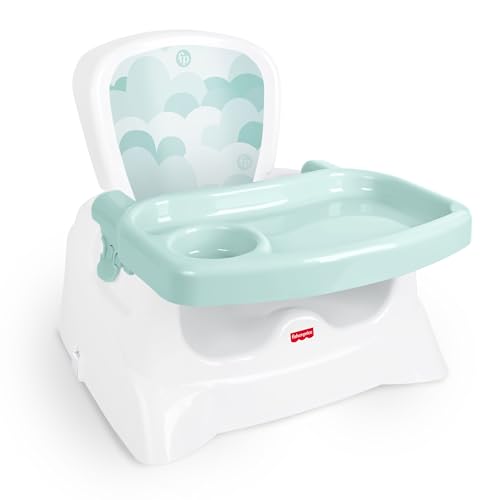
Fisher-Price Feeding Booster Seat with Adjustable Tray

Blublu Park Inflatable Baby Seat with Tray

UNEEDE Inflatable Baby Seat with Fence

Monamii Baby Bouncer with Feeding Tray
What Each Pick Brings To The Table
The dark green woven seat and petal quilt give this BabyBjörn a tailored appearance without hiding its practical design. You can use the bouncer from 8 pounds until your child reaches 20 pounds or begins attempting to sit up, then reverse the fabric for toddler-chair use up to 29 pounds. That two-stage approach makes it a practical choice for families who want one seat to cover early infancy and the toddler years.
Your baby’s arm and leg movements create the rocking, so no motor, batteries, or outlet are involved. For a newborn, the reclined position offers supported sitting during nearby play or quiet time; for a mobile toddler, the reversed seat creates a small chair. In most homes, the light weight also makes moving between the kitchen and living room easier than carrying a powered swing.
Strengths Worth Knowing
- The bouncer converts into a toddler chair by reversing the fabric seat.
- Three adjustable positions accommodate different stages of supported sitting.
- Natural rocking needs no power connection, making it convenient for daytime use around the house.
- The lightweight frame lets you place your baby near household tasks without dealing with a motor or battery compartment.
- A safety harness supports the child during bouncer use.
Points To Note
- You must check that the position snaps are locked before placing your baby in the seat.
- Constant supervision remains necessary, and the bouncer is not intended for sleep.
Key Specs
Made For Growing Babies
You benefit most with a baby born at or above 8 pounds who will use one floor seat for supported play, feeding practice, and toddler sitting.
Where Another Pick Suits Better
The Fisher-Price Feeding Booster Seat with Adjustable Tray suits you better when your older toddler needs an elevated dining-chair setup rather than a floor bouncer.
Light beige and 3D jersey give this version a softer, more relaxed look than the dark green woven model. You still receive the same bouncer-to-toddler-chair design, including three reclining positions and a weight range from 8 to 29 pounds. For your home, that distinction matters most when the seat needs to blend into a neutral kitchen, bedroom, or living area.
Like the BabyBjörn Bouncer Bliss Dark Green Petal Quilt, this seat rocks from your baby’s own movement and needs no power. The soft textile surface can feel appropriate for a newborn, although the actual feel may depend on your child’s preferences. You can move the lightweight seat between rooms or take it along for daytime outings, which makes it more flexible than a bulky stationary bouncer.
Everyday Wins
- The 3D jersey creates a softer visual finish for understated nursery or dining furniture.
- You can move the bouncer between rooms without unplugging or installing a motor.
- Reversing the fabric creates a toddler chair once your child can walk and sit without help.
Small Caveats
- The light beige upholstery may show marks more readily than the darker woven version, depending on your household conditions.
- You need to confirm the harness is properly fitted and the position snaps are locked for every use.
Who It Suits Best
This model fits you well when understated color and a soft-looking textile matter as much as the bouncer’s two-stage design.
Another Choice May Suit
The BabyBjörn Bouncer Bliss Dark Green Petal Quilt may suit you better when a darker woven surface fits your room or regular use.
The tri-fabric construction combines woven and jersey sections, giving you texture changes within the same light beige color. Compared with the solid 3D jersey model, the BabyBjörn Bouncer Bliss Dark Green Petal Quilt offers a more decorative woven look while retaining a similarly understated palette. That mix can be appealing in a room where you want a baby seat that feels coordinated but not overly plush.
Your baby’s movement supplies the rocking, and three recline positions support the stage from 8 pounds to 20 pounds. After your child can walk and sit unaided, the reversed fabric turns the seat into a toddler chair rated to 29 pounds. The honest read is that the fabric choice changes the look and feel, while the core usefulness comes from that adaptable structure.
Notable Upsides
- Woven and jersey sections add visual texture without introducing a bold color.
- The lightweight construction makes room-to-room movement straightforward.
- You can use the same product for supported bouncer positioning and later toddler seating.
- Natural rocking keeps operation simple because there is no electrical connection to manage.
Where It May Fall Short
- Your child still requires close supervision, including checks of the harness and locked snaps.
- The floor-level design does not raise your child to dining-table height.
Feature Snapshot
Built With In Mind
You benefit most from this version when you want BabyBjörn’s adaptable frame with a coordinated woven-and-jersey appearance.
A Better Fit Elsewhere
The Blublu Park Inflatable Baby Seat with Tray fits you better when portability and an integrated activity tray outweigh a reversible toddler-chair design.
The Fisher-Price Feeding Booster Seat is designed around the family table rather than floor play. Your toddler receives a raised seat with a two-position adjustable tray for snacks, drinks, and small activities. That makes it a more useful choice than a floor bouncer once your child is at least one year old and ready to join meals with the rest of the household.
Secure straps attach the booster to most dining chairs, while the three-point harness helps keep your child positioned. The removable tray and smooth surfaces make everyday cleanup straightforward. You also gain a folding, lightweight design, although a compatible dining chair with a suitable back and seat shape remains essential for a secure setup.
What Earns Its Place
- The adjustable tray gives your toddler a dedicated place for food and play.
- Chair straps and a three-point harness support a secure connection during meals.
- The removable tray simplifies wiping away crumbs and spills.
- The foldable shape helps with storage and carrying.
Possible Compromises
- You need a dining chair that accommodates the booster’s attachment straps and provides suitable support.
- The listed age range begins at one year, so it does not replace an infant bouncer.
Quick Facts
Right Fit For
This seat suits you when your one-year-old or older toddler needs a stable, elevated place for family meals and tray activities.
Consider Something Else When
The BabyBjörn Bouncer Bliss Light Beige 3D Jersey fits you better when you need supported floor seating beginning at 8 pounds.
Vacation days call for a seat that packs down more easily than a rigid bouncer, and the Blublu Park Inflatable Baby Seat with Tray answers that need. It supports babies from three months and up with a tall, curved backrest, air openings, and a wider shape around the back and hips. Your child can sit on the floor, bed, deck, lawn, or beach while you manage a meal nearby.
The built-in inflation system lets you set it up without carrying a separate pump, while the tray holds bottles and small bowls. Three built-in rattles add gentle sound when moved, giving your baby something to explore during floor time. Compared with the BabyBjörn Bouncer Bliss models, the tradeoff is less structural rigidity and a need to inflate and deflate the seat around each outing.
Strong Points
- Inflating and deflating makes the seat easier to pack for camping, picnics, and air travel.
- The curved backrest provides broad support for babies learning to sit.
- The tray keeps bottles and small bowls within reach.
- Built-in rattles create a simple activity without requiring loose toys.
Areas To Watch
- You need a firm, even surface for the inflatable seat to sit properly.
- Unlike a rigid bouncer, the product depends on maintaining its air-filled shape during use.
Travel Ready For
You benefit most from this seat when travel, outdoor meals, and compact packing matter more than a permanent indoor seat.
Reach For A Different Pick When
The Fisher-Price Feeding Booster Seat with Adjustable Tray suits you better when your toddler needs an elevated position at a dining table.
The UNEEDE Inflatable Baby Seat with Fence takes a different approach to floor seating by surrounding your baby with a raised perimeter. Its arc-shaped high back supports the head and upper body, while the non-slip base is designed to stay put on a floor. For families with limited living space, the inflatable format may be easier to store than a large rigid chair, especially when it is fully deflated.
Hand-pump inflation keeps the setup process tool-free, though the amount of time required depends on your comfort with the pump. The listed range covers three to 36 months, and the fenced design gives a clearer boundary around a sitting baby. Compared with the Blublu Park Inflatable Baby Seat with Tray, this option prioritizes a secure perimeter and non-slip base over a feeding tray and built-in rattles.
Everyday Perks
- The fenced perimeter creates a defined sitting area for your baby.
- A non-slip base helps the seat remain in place during floor play.
- Hand-pump inflation avoids an electric pump or permanent power connection.
- The deflated format can reduce the space needed for storage.
Details To Watch
- You need enough room to inflate the seat and access its pump.
- The absence of a feeding tray makes it less convenient for organized snack times.
Essential Details
Whose Shelf It Belongs On
This seat suits you when compact storage, a high back, and a contained floor-sitting area are your main priorities.
Where A Sibling Pick Shines
The Blublu Park Inflatable Baby Seat with Tray may suit you better when bottles, bowls, and built-in sensory elements belong on the seat.
The Monamii Baby Bouncer combines supported sitting with a feeding tray, giving your baby a place for both snacks and play. Its natural rocking follows the baby’s movements rather than a motor, and the ergonomic shape supports the head and back. The quilted fabric appears soft and breathable, while the removable, machine-washable cover offers a practical advantage for a seat that regularly handles spills.
The listed age range covers birth to 12 months, which makes it more focused than the BabyBjörn Bouncer Bliss models that reverse into a toddler chair. You gain a feeding-focused setup instead of a two-stage frame. Assembly is described as straightforward, though your setup time will depend on your familiarity with the frame and the tray attachment.
Practical Advantages
- The feeding tray keeps mealtime items within your baby’s reach.
- Natural rocking requires no batteries, motor, or power connection.
- The removable machine-washable cover helps with routine cleanup.
- Head and back support suit babies working on upright control.
- The activity-oriented bouncer supports play as well as feeding.
Worth Bearing In Mind
- Your child must remain within the listed birth-to-12-month range.
- The tray adds width, so you need adequate floor space around the bouncer.
Core Features
Who Will Love This
You benefit most when your baby needs a dedicated feeding-and-play seat during the first 12 months.
Skip It When
The BabyBjörn Bouncer Bliss Dark Green Petal Quilt fits you better when your child needs a bouncer that later becomes a toddler chair.
What Matters Before You Choose a Sitting Seat
Match the seat to your child’s stage
Your baby’s age, weight, and sitting ability should determine the first category you consider. A newborn needs a reclined bouncer, while a toddler joining family meals may need a dining-chair booster. Paying attention to the listed limits also prevents you from stretching a product beyond the stage it was designed to support.
Decide between floor sitting and table height
A floor bouncer gives your baby room to move and explore, while a feeding booster keeps meals at your dining table. Consider your daily routine rather than choosing by appearance alone. Frequent family meals favor the Fisher-Price option, while supervised floor play points toward a bouncer or inflatable seat.
Check portability and storage
Rigid frames are easy to reposition but occupy a permanent footprint. Inflatable seats compress for luggage and small storage areas, although you must inflate them before use. Measure the intended surface and consider the space needed for the tray, straps, or surrounding fence.
Common Mistakes Worth Avoiding
Mistaking a bouncer for a feeding booster
A bouncer supports play and light feeding on the floor, while a booster raises a toddler to table height. Check your child’s age and the intended meal location before choosing.
Ignoring the setup requirements
Dining-chair straps need a compatible chair, and inflatable seats need adequate space and a firm surface. Measure first so the seat fits your routine without crowding the room.
What Separates Premium From Basic
Where the extra money goes
Higher-tier bouncers often add reversible seating, multiple recline positions, coordinated textiles, and removable washable covers. Those additions help when you want one seat to span several developmental stages or handle frequent spills.
When paying more makes sense
An adaptable frame can be worthwhile for a child who is already close to sitting up. A simple booster or inflatable chair may serve you better when the main priority is one specific feeding or travel situation.
Frequently Asked Questions
What age should my baby be for an infant seat for sitting up?
Your baby should have enough head and trunk control to sit with support. Many floor seats begin around three months, while newborn bouncers recline from 8 pounds and feeding boosters generally start at one year.
Is a baby bouncer better than an inflatable sitting seat?
A rigid bouncer usually offers more consistent structural support, while an inflatable seat is easier to pack and transport. Your choice depends on whether daily support or portability matters more.
Can an infant sitting seat be used for feeding?
Only use a seat for feeding when its design includes a suitable tray and its age and weight limits cover your child. A three-point harness or secure chair straps add support, but constant supervision remains necessary.
Do I need an infant seat with a tray?
You need a tray for regular meals and organized snacks. A bouncer without one works well for play and supported floor time, but bottles and bowls may be less convenient.
What should I check before setting up an infant seat?
Confirm the child’s age and weight limits, inspect the snaps, harness, straps, and inflation, and place the seat on a suitable surface. You should also verify that the chair or floor area remains stable.
Final Verdict
Your strongest choice depends on the job: BabyBjörn offers adaptable floor seating, Fisher-Price handles family meals, and the inflatable models prioritize travel and compact storage. Match the seat to your child’s size and your daily routine, then check every attachment and support feature before the first use.
