

The sore spot under your toes can make a short walk feel longer, especially in narrow shoes or heels. People who stand at work, commute often, or spend hours walking can benefit from an insert that cushions the ball of the foot and stays in position. The right choice depends on cushioning, support, shoe compatibility, and how much room your footwear provides.
A Side-By-Side Look

Welnove Metatarsal Pads, 3 Heights, 3 Pairs

PowerStep ProTech Met Full-Length Orthotic

PowerStep Pinnacle Plus Met Orthotic
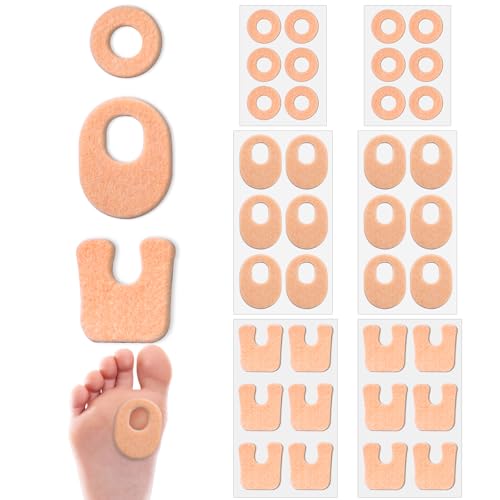
Sibba Feet Bunion and Blister Pads

Welnove Thin Ball of Foot Cushions, 4 Pairs
PowerStep Morton’s Extension Carbon Fiber Orthotic
Why These Options Stand Out
A narrow pump or a roomy sneaker can leave very different amounts of space under the ball of your foot. These metatarsal pads give you three cushioning choices at 6, 8, and 10 millimeters, making it easier to match the pad to your shoe rather than forcing one fixed shape into every pair.
The adhesive backing and silicone underside target a common annoyance: a cushion that slides as you walk. Breathable mesh helps with a close fit, while the high-density foam resists flattening. The trade-off is that you must apply each pad carefully to keep the adhesive and anti-slip surfaces working together.
Everyday Perks
- Three thicknesses let you adjust the amount of forefoot elevation.
- Adhesive backing helps limit shifting during long shifts or walks.
- Silicone texture adds grip inside flats, heels, and sneakers.
- Breathable mesh suits warmer weather and enclosed shoes.
- Three pairs allow rotation between frequently worn shoes.
Points To Keep In Mind
- Added height may feel crowded in shoes with a shallow toe box.
- Each pad needs a clean, dry surface for secure placement.
Key Specs
Built With In Mind
These pads suit shoppers who want adjustable cushioning across work shoes, sneakers, heels, and flats without replacing the entire insole.
Another Choice May Suit
PowerStep Pinnacle Plus Met fits people who need a full-length orthotic with built-in arch support and a deeper heel cradle.
Unlike the small adhesive pads, the ProTech Met covers the entire foot from heel to toe. That full-length shape matters for shoes where you want more than a small cushion beneath the forefoot, particularly during long periods of standing or walking on hard surfaces.
A metatarsal pad supplies targeted forefoot cushioning, while the heel section adds support at the point of contact. The listed size is men’s 8 to 8.5 with widths 10 to 10.5, so check both length and width before ordering. The honest read is that this is the more substantial option, not the simplest one to hide inside every shoe.
A Favorable Mix
- Full-length construction supports the heel, arch, and forefoot together.
- Targeted metatarsal cushioning suits focused pressure beneath the toes.
- Heel padding adds comfort during heel strike.
- Rigid arch support may feel more substantial than a soft adhesive pad.
Trade-Offs To Consider
- The broad shape needs a shoe with a removable insole and adequate depth.
- The listed size is limited to a specific length-and-width combination.
- Firm support may not suit people who prefer a nearly flat insole.
Feature Snapshot
Made For
This orthotic fits people who spend long hours standing and want a structured insert with cushioning in both the forefoot and heel.
A Better Fit Elsewhere
Welnove Metatarsal Pads are a simpler choice for narrow shoes where a full-length insole would take up too much space.
The Pinnacle Plus Met takes a different approach from the ProTech Met by pairing forefoot cushioning with a neutral arch support design. Neutral support means the arch area is shaped to help stabilize the foot without relying on a pronounced, high arch profile. That balance can make sense for everyday sneakers and walking shoes.
Built-in metatarsal pads create a raised cushion under the ball of the foot, while a contoured arch and deep heel cradle add structure across the shoe. These inserts are intended for footwear with a removable factory insole. The listed size is M 8 to 8.5 with W 10 to 10.5, so precise sizing deserves a quick check before you order.
Positive Points
- Built-in forefoot pads provide cushioning without a separate adhesive layer.
- Neutral arch support favors a balanced feel for daily footwear.
- The heel cradle adds stability through the rear of the foot.
- Contoured construction suits shoes with removable insoles.
Small Caveats
- It cannot fit shoes whose factory insole is fixed in place.
- The structured shape may feel fuller than a low-profile pad.
Who Will Love This
This insert suits everyday walkers who want a complete orthotic with forefoot cushioning, arch support, and heel structure in a removable insole.
Where A Sibling Pick Shines
PowerStep ProTech Met may suit you better when a pronounced arch support and stronger heel component are your priority.
Not every sore forefoot comes from the same source. A bunion, corn, callus, or blister may need a small protective patch rather than a full-foot orthotic. These felt pads provide a more targeted option, using a sticky gel backing to hold the cushion against the affected area of the toe.
The soft felt construction can also reduce rubbing between skin and footwear, which makes these pads useful during a long day in boots or walking shoes. You may find that they stay more discreet than a large metatarsal pad. Their narrower purpose is the trade-off: they do not provide full-foot arch support or broad heel cushioning.
Reasons It Performs
- Felt cushions create a soft barrier around sore toe areas.
- The gel backing helps the patch remain attached inside footwear.
- Targeted placement suits bunions, corns, calluses, and blisters.
- Small patches can fit more easily than a full-length insole.
Where It May Fall Short
- It does not provide the arch support of a full-length orthotic.
- Moisture or poor adhesion can shorten a patch’s useful wear time.
Technical Notes
Right Fit For
These pads suit people dealing with a localized corn, callus, bunion, or blister rather than general forefoot pressure across the whole ball of the foot.
Reach For A Different Pick When
Welnove Metatarsal Pads are a better fit when discomfort comes from broad forefoot pressure and calls for an adjustable cushion.
High heels and close-fitting flats leave little room for a thick insert, making the low profile of these Welnove cushions especially relevant. Their lightweight construction adds padding under the ball of the foot without the bulk of a full-length orthotic. That makes them a sensible fit for dress shoes where toe-box space is limited.
The suede contact surface feels soft against the foot and allows some airflow. An adhesive back helps each pad stay inside the shoe as you move, while four pairs make it easy to place cushions in several pairs. You may find the slim shape less supportive than a structured metatarsal orthotic, but it addresses a different footwear problem.
Where It Excels
- Thin construction fits more easily inside heels and narrow flats.
- Lightweight padding adds comfort without substantial bulk.
- Suede surfaces feel soft and provide some breathability.
- Adhesive backing helps limit movement inside the shoe.
- Four pairs suit multiple shoes or regular replacement.
Less Ideal Details
- Low-profile padding offers less structural support than a full orthotic.
- Deep seams or rigid shoe interiors may interfere with placement.
The Right Fit
These cushions suit shoppers who wear heels or close-fitting shoes and want minimal bulk beneath the ball of the foot.
Consider Something Else When
Welnove Metatarsal Pads offer more cushioning choices and anti-slip texture for shoppers who need thicker support.
The Morton’s Extension takes a firmer approach than the cushioning-focused picks. A carbon fiber plate, a thin and rigid composite material, adds structure beneath the foot, while the design limits movement at the big toe joint. That makes the insert more relevant to a stability need than to simple soft padding.
Firm arch support is intended for standard arches, and the full-length shape can influence how the foot sits inside the shoe. The listed size is M 8 to 8.5 with W 10 to 10.5. In our view, the careful fit check matters here because a rigid orthotic must have enough room to sit flat without crowding the toe box.
A Strong Showing
- Carbon fiber construction provides lightweight structural support.
- Big toe extension controls movement at the front of the foot.
- Firm arch support suits standard arches.
- Full-length coverage combines stability with forefoot positioning.
- Made in the USA according to the product information.
Possible Compromises
- The rigid construction may feel less comfortable than a soft foam pad.
- Limited toe-box space can prevent the orthotic from sitting properly.
- Its specific size range requires close attention to fit.
Core Details
Made With You In Mind
This orthotic suits people whose main concern is big toe stability and firm positioning rather than soft, removable forefoot cushioning.
Not Your Match When
PowerStep Pinnacle Plus Met is a better fit for neutral arch support with plush forefoot and heel cushioning.
What Matters Before You Pick a Forefoot Insert
Start with the location of the discomfort
Broad pressure beneath the toes calls for a metatarsal pad or a full-length orthotic. A corn, blister, bunion, or callus is better addressed with a small protective patch placed directly over the affected area. Identifying the source of the problem prevents you from adding cushioning where it is not needed.
Match the insert to the shoe
Your footwear controls the available space. Slim cushions fit more readily inside heels and narrow flats, while full-length orthotics need shoes with removable insoles and enough toe-box depth. Check the insert’s length and width against your shoe before ordering.
Decide how much structure you want
Soft foam and suede pads emphasize cushioning and a low-profile feel. Semi-rigid options add arch contours and heel structure, while a carbon fiber design provides firmer control. Consider your activity as well: walking shoes, work shoes, heels, and dress shoes each place the forefoot differently.
Consider how often you will wear them
Daily wear can justify a more complete, durable-looking construction, but repeated use also makes fit and placement especially important. Pads used in several pairs should be positioned carefully, and the shoes should be checked for seams or lining that could create pressure.
Two Details That Change the Choice
Common Shopping Slip Ups
Choosing by cushioning thickness alone can leave out shoe compatibility. Measure your foot and inspect the inside of the shoe before selecting an insert, and confirm whether the factory insole can be removed.
What Separates Premium From Basic
More complex inserts add arch contours, heel support, or rigid stability plates. Those additions suit specific footwear and comfort needs, but a simple adhesive pad can be the more practical choice for tight shoes or localized toe irritation.
Frequently Asked Questions
What type of insert is best for ball-of-foot pain?
A metatarsal pad or full-length orthotic with built-in forefoot cushioning is generally the most relevant choice for broad pressure beneath the toes. Localized blisters, corns, or calluses may benefit more from a small protective patch.
Are thicker metatarsal pads always more comfortable?
No. A thicker pad adds cushioning but may crowd a narrow shoe, while a slim pad can fit better in heels and close-fitting flats. Choose the thickness that fits the shoe and feels comfortable from the first wear.
Can I use a ball-of-foot insert with high heels?
Yes, a thin adhesive cushion is often easier to fit inside a heel than a full-length orthotic. Position the pad under the ball of the foot, leaving enough room for your toes to sit naturally.
Do these inserts replace a removable factory insole?
Some full-length orthotics require you to remove the factory insole, while small adhesive pads can be placed on top of it. Follow the fit instructions for the specific insert and avoid stacking layers that make the shoe feel cramped.
When should persistent foot discomfort be evaluated?
Foot discomfort that continues despite footwear changes or cushioning deserves attention from an appropriate specialist doctor. A professional can assess the structure of your foot and the source of your symptoms.
Closing Remarks
The most useful insert is the one that matches the source of discomfort, the available shoe space, and the amount of support you need. Adhesive pads handle focused cushioning, full-length orthotics suit broader support, and rigid designs serve stability priorities. Confirm the size and fit before ordering, and seek professional guidance for persistent pain.
