

By mile three, your feet may feel more tired than the rest of you, especially with flat feet that roll inward slightly during each step. The right insole can add arch support, heel control, and cushioning without forcing you to abandon the shoes you already own. These eight options cover different arch heights, motion-control needs, and running shoe styles, so the useful starting point is your foot shape rather than a brand name.
The Lineup, Simplified

QBK 3/4 Orthotic Insoles for High Arch Support, Flat Feet, Over-Pronation, M

PowerStep Pinnacle Maxx Orthotic Insoles for Flat Feet, Overpronation
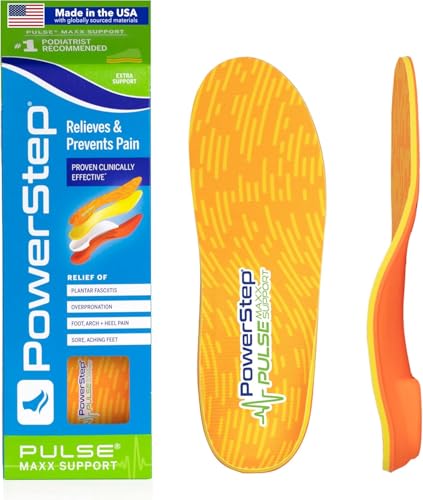
PowerStep Pulse Maxx Running Insoles for Overpronation, M 6-6.5/W 8-8.5

Superfeet All-Purpose Medium Arch Support Insoles, Men 9.5-11

PowerStep Original Full-Length Orthotic Insoles for Tight Shoes, M 10-10.5
PowerStep Pinnacle Low Arch Insoles for Flat Feet, Overpronation, Men’s 8-8.5

Superfeet All-Purpose High Arch Insoles

QBK 3/4 Orthotic Insoles for High Arch Support, Flat Feet, Large
Meet The Standout Selections
The QBK design starts with a high, contoured arch and a firmer EVA construction, giving you targeted support without the footprint of a full-length insert. That shorter profile can be useful in shoes where toe room already feels limited, although it leaves more of the forefoot uncovered than the PowerStep models in this group.
Its moisture-managing, slip-resistant surface is more relevant during hard running sessions than during a short walk. You may find this model most useful in a roomy running shoe when added arch support matters more than covering the entire foot, though the pronounced arch profile calls for a careful fit check.
Where It Delivers
- The 3/4 length adds support around the arch and heel while preserving space toward the toes.
- Firm EVA provides a steadier platform than a basic foam insert.
- The shaped arch is designed to spread pressure away from the heel area.
- A moisture-managing, anti-skid surface supports warmer running conditions.
- The compact profile can work in shoes where a full-length insole crowds the toe box.
Trade Offs
- The pronounced high-arch shape may feel mismatched with a genuinely low or flat arch.
- The 3/4 design supports the rear foot more than the forefoot, so full-foot cushioning remains the priority.
Quick Facts
Who It Suits Best
This choice suits runners with high arches who want substantial support in a compact, 3/4-length insert.
Another Choice May Suit
PowerStep Pinnacle Low offers a better match for runners whose arches sit close to the footbed.
Compared with the QBK insert, Pinnacle Maxx takes a firmer, more structured approach. Its angled heel is intended to influence foot position and manage inward rolling, giving runners with flat feet a clearer motion-control feature rather than arch support alone.
The firm construction may feel more substantial during the first few runs, especially in lightweight racing shoes. For regular training routes and distance sessions, you get a more substantial platform for the heel and arch, while your shoe fit remains the deciding factor.
The Upside
- The angled heel targets the inward rolling associated with overpronation.
- A firm structure gives each step a more defined support platform.
- Flexible construction can accommodate normal shoe movement better than a completely rigid insert.
- Flat-foot support makes it practical for both running and extended walking days.
Points To Note
- Its stronger control may feel more noticeable than the lighter QBK profile.
- You need enough internal shoe volume for the arch platform and heel structure to sit flat.
Made For
This model suits flat-footed runners who want pronounced heel control during regular mileage.
A Better Fit Elsewhere
PowerStep Pulse Maxx is the more focused choice for runners whose shoes are specifically designed for advanced running performance.
Pulse Maxx narrows the focus from general orthotic support to running-specific motion control. Its rigid shell and angled heel are built for advanced running shoes, where a precise, stable platform matters more than the flexible fit found in many casual insoles.
That running focus sets it apart from Pinnacle Maxx. You gain a purpose-built structure for managing overpronation, but the listed M 6-6.5 and W 8-8.5 sizing makes careful shoe and size checks especially important.
Everyday Wins
- The rigid shell creates a consistent platform during repetitive running strides.
- The angled heel is designed to support foot alignment and manage inward rolling.
- Its running-specific shape pairs well with shoes built for advanced athletic movement.
- The polyester construction keeps the focus on structured support rather than bulky padding.
Possible Compromises
- The rigid structure can feel overbuilt in casual shoes with flexible, roomy uppers.
- The available size combination may not match your shoe size, so verify both foot and shoe measurements.
Right Fit For
This insert suits experienced runners with overpronation who run in structured athletic shoes.
Where A Sibling Pick Shines
QBK 3/4 Orthotic Insoles offer a lighter, more compact option for shoes with limited internal space.
The Superfeet medium-arch profile brings a more balanced approach than the high-arch QBK or the strongly controlled Pulse Maxx. It is intended for active routines involving walking, training, and running, with structured support centered around the arch and heel.
Its synthetic construction is trim-to-fit, which makes sizing practical across different shoes and boots. The trade-off is a short preparation step, and a medium arch still may not suit feet that sit noticeably high or close to the footbed.
What Pays Off
- Medium arch support fits the middle ground between high and low profiles.
- Trim-to-fit construction lets you adjust the outline to your shoe.
- Structured support can improve stability across active daily routines.
- The design is not limited to one narrow running style.
Details To Watch
- Trimming before use is required, following the included guidance.
- A medium profile may feel too shallow for high arches or too elevated for low arches.
- Leave enough toe room after trimming so the front edge does not crowd your foot.
Core Details
Who Will Love This
This option suits active people with medium arches who want one adaptable insert for several shoe styles.
Look Elsewhere When
Superfeet All-Purpose High Arch Insoles fit runners with noticeably higher arches better.
PowerStep Original takes a gentler route than the Pinnacle models, using a contoured neutral arch and deep heel cradle to support alignment and stability. Its low-profile construction is specifically suited to tighter-fitting athletic, walking, work, and dress shoes.
The design is aimed more at mild pronation than pronounced overpronation, so it works best for feet needing balanced support rather than aggressive motion control. Compared with a 3/4 insert, the full-length shape also gives your heel and forefoot a more continuous base.
The Helpful Details
- The low profile fits close-fitting shoes without adding a large amount of bulk.
- A neutral arch offers balanced support for feet that do not need a high or low shape.
- The deep heel cradle adds stability during walking, running, and long periods on your feet.
- Full-length coverage extends support beyond the heel and arch.
Practical Considerations
- The full length requires enough toe room to lie flat inside the shoe.
- Neutral support is less targeted than Pinnacle Low for pronounced flat feet or overpronation.
Built With In Mind
These insoles suit people with mild pronation who need supportive structure in close-fitting shoes.
Reach For A Different Pick When
PowerStep Pinnacle Low provides a more specific fit for runners with pronounced flat-foot mechanics.
Pinnacle Low directly addresses the mismatch between a running shoe’s neutral footbed and a low arch that sits close to it. Unlike the Superfeet medium model, its shape is specifically built around flat-foot mechanics, with a firm but flexible construction and a deep heel cradle.
Dual-layer cushioning adds comfort without abandoning the stability target, and the listed design accommodates body weights up to 250 pounds and beyond. You may find that firmness more noticeable than the Superfeet profile, especially in narrow shoes.
What Makes Sense
- The low-arch profile matches feet that sit close to the shoe’s footbed.
- The deep heel cradle supports stability and foot positioning.
- Flexible construction balances structured control with movement during a run.
- Dual-layer cushioning adds comfort around the heel and arch.
- The stated weight accommodation includes adults above 250 pounds.
Soft Spots
- The low profile may feel too shallow for high arches.
- Firm support takes up more room than a basic foam liner, so shoe volume deserves attention.
The Numbers That Matter
The Right Fit
This model suits flat-footed runners with low arches who want daily cushioning and heel stability.
Swap It Out When
PowerStep Pulse Maxx fits runners seeking a more running-specific rigid shell and angled heel.
This high-arch Superfeet model is the natural companion to the medium-arch version, with more support built under a foot that sits high above the footbed. The deep heel cup works with your foot’s own cushioning to create a more stable base through each step.
Like the medium model, the synthetic insert is trim-to-fit, giving you some control over its outline inside shoes or boots. The high arch remains the decisive feature, and you may find that an overly pronounced support shape is not comfortable across every activity.
Key Advantages
- The elevated profile supports feet that sit high above the shoe’s footbed.
- A deep heel cup adds stability around the rear foot.
- Trim-to-fit sizing allows adjustment for different shoes and boots.
Less Ideal Details
- Trimming is required before the insoles can be used.
- The high profile may feel excessive for low or medium arches.
- Check the available toe space after trimming to keep the edge comfortable.
Whose Shelf It Belongs On
These insoles suit runners with high arches who want structured support in shoes or boots.
Consider Something Else When
QBK 3/4 Orthotic Insoles offer a more compact high-arch option with less material under the forefoot.
The large QBK follows the same 3/4 high-arch design as the medium version, so the size choice should come from your foot and shoe dimensions rather than expectations of different support. Firm EVA and a raised arch create a structured platform around the heel and midfoot.
That makes it practical for larger feet running in roomy shoes, especially when you prefer to keep the forefoot less crowded. The 3/4 shape still leaves much of the toe area free, while the pronounced arch remains the feature to check before committing.
Where It Helps
- The large sizing gives larger feet a properly scaled option.
- Firm EVA creates a stable base beneath the arch and heel.
- The raised profile supports feet that feel comfortable on high arches.
- The compact 3/4 format preserves more space toward the toes.
Small Caveats
- The high-arch shape can feel mismatched with low or flat arches.
- Forefoot cushioning remains limited compared with a full-length insert.
Technical Highlights
Who Should Grab It
This choice suits larger-footed runners with high arches who want a compact insert for roomy shoes.
Another Choice May Suit
PowerStep Original offers a neutral arch and full-length coverage for close-fitting shoes.
Arch, Fit, and Motion: What Matters for Runners
Start With Your Foot Shape
Your arch height gives the insole its basic geometry. High arches generally need a more pronounced support shape, while flat feet often benefit from a low or neutral profile that fills the space between the arch and footbed. Medium feet fall between those two extremes, though shoe design also influences how a foot feels during a run.
Match the Insole to Your Gait
Overpronation means the foot rolls inward as you run. A structured heel and firmer arch platform may help control that motion, but extra support is not automatically better for every stride. A specialist doctor can help identify persistent pain or movement concerns before you commit to strong correction.
Check Shoe Volume
Full-length inserts need enough room to lie flat without compressing your toes, while 3/4 models can work well in shoes with a snug forefoot. Remove the factory liner when the shoe design allows it, then walk around to check for bunching, pressure at the toes, and movement of the insole.
Match the Insert to Your Routine
Running-specific models are shaped for repeated athletic movement, often using firmer shells and angled heels. All-purpose versions can be more comfortable across running, walking, and daily shoes. The Superfeet trim-to-fit models also need preparation, so account for that step before comparing their final fit with factory-finished options.
Fit Details That Change the Result
Wrong Turns To Avoid
Choosing by color, brand, or the word “orthotic” can lead to a mismatched arch profile. Measure your shoe size, note your arch height, and check the insole’s coverage against the available toe room. A supportive shape is only useful when it sits flat and leaves your foot free from pressure points.
What Separates Premium From Basic
Higher-cost models often add firmer support shells, shaped heel cups, layered cushioning, or more exact sizing. Those additions make sense for repetitive mileage, noticeable overpronation, or shoes that need stronger control. Basic foam liners remain useful for casual use and feet that prefer a softer, less structured platform.
Frequently Asked Questions
How do I know which arch profile I need?
A high arch leaves a visible gap above the footbed, while a low or flat arch sits close to it. A neutral or medium profile falls between those points, and a shoe-fitting professional can help you confirm the shape.
Should I choose full-length or 3/4 insoles for running?
Full-length insoles cover the heel and forefoot, making them useful when cushioning across the entire foot matters. Three-quarter insoles leave more room in the toe area and suit runners whose shoes have limited forefoot space.
Can I use the same insoles in running and walking shoes?
You can, provided the insole lies flat, fits inside the shoe, and does not create pressure around the toes. Running-specific models generally suit athletic shoes, while an all-purpose insert can transition more easily between running, walking, and casual footwear.
What should I do if an insole feels uncomfortable?
Remove it and check for a sizing, arch-profile, or shoe-volume mismatch. Persistent foot or heel discomfort deserves an assessment from an appropriate specialist doctor rather than continued use of a support shape that does not suit you.
When should I consult a foot specialist?
Seek professional guidance for recurring pain, swelling, numbness, or changes in your walking or running mechanics. A specialist can assess your feet and gait more directly than the shape of an insole alone.
Final Verdict
For flat feet and running, the strongest starting point is an insole whose arch height matches your foot and whose heel structure suits your gait. PowerStep Pinnacle Low serves lower arches, Pulse Maxx handles running-specific control, and the Superfeet models cover medium and high profiles. Check the fit inside your actual shoes before ordering, since arch category alone cannot capture the whole picture.
