

A long shift in work boots can leave your feet, heels, and arches protesting by the end of the day. These insoles offer different levels of arch support, cushioning, and sizing for plantar fasciitis or flat-foot concerns, with options for Alegria shoes, work footwear, sneakers, and everyday walking.
A Fast Comparison Of The Options

Alegria Classic Footbed Grey Wide

MUNA Plantar Fasciitis Insoles

Runviara Plantar Fasciitis Insoles

OrthoComfoot Orthopedic Work Boot Arch Insoles, Size 8
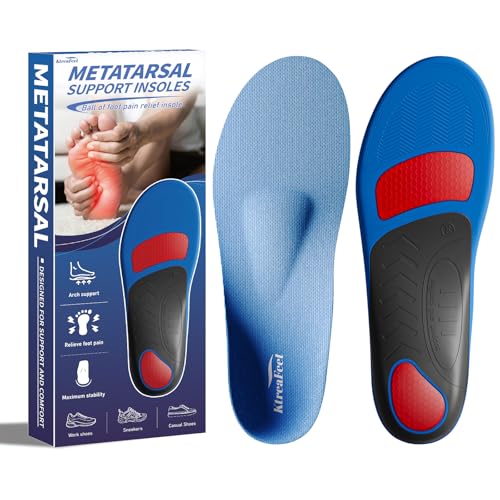
KtreaFeet Metatarsal Pad Insoles C-D
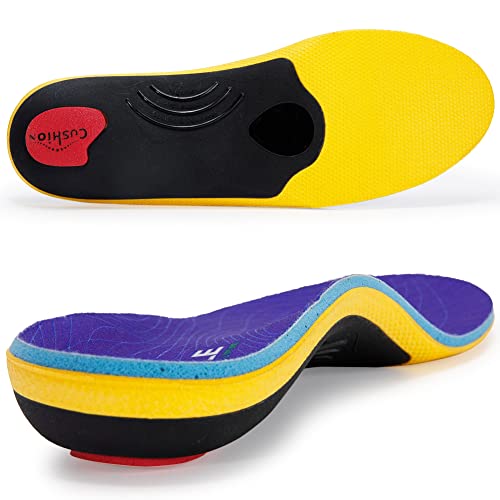
VALSOLE Heavy Duty 220+ lb High Arch Support Insoles
More On The Choices That Made The List
The Alegria Classic Footbed combines a removable cork and memory-foam layer with a shaped arch platform, giving it a softer approach than the rigid work-boot options in this list. The breathable suede lining also suits warm shifts where a bulky, moisture-retaining insert would feel uncomfortable.
You gain the most when your shoes are already Alegria models and the existing footbed needs replacing. The wide version may also make European-style shoes and half-size combinations feel less cramped, although you still need to check the outsole fit before ordering.
Bright Spots
- Removable construction makes it easy to move the footbed between compatible shoes.
- The cork and foam blend adds cushioning without relying on a sharply rigid arch post.
- Contoured shaping supports the heel and arch during ordinary standing and walking.
- Breathable suede helps limit the warm, damp feeling common with enclosed footwear.
Worth Noting
- Compatibility depends on the shoe construction and listed Alegria outsole families.
- The wide design may feel too roomy in a narrow shoe, so compare your current footbed before swapping.
Key Specs
Built With In Mind
You benefit most from these footbeds as an Alegria shoe owner replacing an existing insert while prioritizing cushioning and breathable comfort.
Where Another Pick Shines
VALSOLE Heavy Duty 220+ lb High Arch Support Insoles suit you better when your main requirement is a pronounced high-arch profile inside a work boot.
MUNA takes a more targeted approach with a semi-rigid arch shell, heel cup, and anatomical contouring intended to limit excessive arch flattening. The plantar fascia is the band connecting the heel to the toes, so support around the arch and heel matters when that area feels strained during the first steps of the day.
Unlike the adjustable Runviara design, these insoles arrive at a fixed size and need no trimming. That makes them convenient for boots, sneakers, or running shoes, though a fixed shape leaves less room for adaptation than a cut-to-fit insert.
Positive Takeaways
- The semi-rigid shell offers more arch control while retaining some flexibility.
- A shaped heel cup helps keep the heel centered during walking and standing.
- The fixed-size design simplifies moving the insoles between compatible shoes.
Small Caveats
- No trimming is available, so unusually narrow or shaped shoes may limit the fit.
- The structured arch profile may feel more noticeable under thin shoes than under boots.
- You may need a gradual adjustment period as your feet adapt to the added support.
Who It Suits Best
You benefit most from MUNA Plantar Fasciitis Insoles when you want defined arch control without a complex trimming process.
A Better Fit Elsewhere
Runviara Plantar Fasciitis Insoles offer a better fit for people who need to trim the insert around a specific shoe or foot shape.
Runviara is built around firm support for heavier users and demanding work shifts. Its carbon-fiber composite arch structure, which is a rigid reinforcing layer shaped to support the foot, targets low arches while dual PORON cushioning softens the heel and forefoot.
The trim-to-fit format gives you more control over the shoe fit than the fixed MUNA insert, and the deep heel cup helps limit sliding. You may notice more arch pressure during the first days, so short sessions can be a sensible way to judge the fit before committing to a full workday.
The Upside
- Firm composite support suits feet that need more structure than a soft cushion-only insert.
- Dual cushioning covers both the heel and the larger forefoot area.
- Trimming allows a closer match to boots, sneakers, and walking shoes.
- An anti-slip top surface helps keep the insert from shifting during movement.
Practical Considerations
- The firm arch profile can feel pronounced during the adjustment period.
- You must trim the insert carefully so the heel and forefoot remain aligned with the shoe.
At A Glance
Made For
You benefit most from Runviara Plantar Fasciitis Insoles during long work shifts, especially in footwear with a removable insole.
Not Your Match When
MUNA Plantar Fasciitis Insoles suit you better when you prefer a fixed, ready-to-place insert with no trimming step.
OrthoComfoot spreads its support across several areas, including an air-cushion heel, forefoot gel, and metatarsal padding. That combination makes it a practical option for someone whose discomfort is not limited to the arch, particularly when walking or standing occupies much of the day.
The stated size covers men’s size 8 and women’s size 10, and the insert requires no trimming. A 1.18-inch arch section provides more height than a nearly flat footbed, so matching it to your shoe volume and arch profile is important.
A Strong Showing
- Heel, forefoot, and arch areas receive distinct forms of support.
- Metatarsal padding spreads pressure across the ball-of-the-foot area.
- Moisture-wicking fabric helps manage perspiration during extended wear.
- The insert fits sneakers, hiking boots, and court shoes without trimming.
Points To Note
- The listed size may not align with your normal shoe size across different brands.
- Its many support components can feel substantial in a shallow or close-fitting shoe.
- People with diabetes should discuss suitable foot-care products with a qualified healthcare professional.
Quick Facts
The Right Fit
You benefit most from these insoles when you need broad cushioning and arch support across work boots, athletic shoes, or walking footwear.
Swap It Out When
KtreaFeet Metatarsal Pad Insoles suit you better when your main concern is concentrated pressure beneath the ball of the foot.
The KtreaFeet Metatarsal Pad Insoles put the main emphasis on the ball of the foot rather than the heel. A raised metatarsal pad, which is the support area beneath the metatarsal bones, gives this design a more targeted purpose than the broad heel-and-arch systems elsewhere in the list.
You may find them especially relevant for tight, narrow shoes, prolonged standing, or footwear that crowds the forefoot. The listed C and D widths cover different length combinations, so you need to measure both feet and compare the chart with the shoes you plan to use.
Reasons It Performs
- The built-in metatarsal pad targets pressure beneath the forefoot.
- Arch support adds stability without making the design purely heel-focused.
- Two listed width options accommodate different foot-length combinations.
Areas To Watch
- The metatarsal height can feel intrusive in very shallow shoes.
- The available C and D lengths may not match every foot size or width.
- This focused design may suit heel discomfort less directly than a fuller-length arch insert.
Best Suited To
You benefit most from these insoles when crowded shoes or extended standing create a specific need for forefoot pressure distribution.
Look Elsewhere When
Runviara Plantar Fasciitis Insoles suit you better when firm heel-to-forefoot support and a trim-to-fit design are your priorities.
VALSOLE is aimed at a specific combination: heavy-duty support, a pronounced high-arch profile, and footwear such as work boots. The 220-pound designation gives you a clear weight-related starting point, while the shock-absorbing design suits people who spend much of the day walking on hard surfaces.
Compared with the softer Alegria footbed, this option appears more structured and specialized. You should still compare the available size with your boot, because a high-arch insert needs enough interior space to sit flat without forcing the foot upward.
The Practical Payoff
- The high-arch profile targets users who need more substantial support.
- Heavy-duty construction suits demanding work environments.
- Shock absorption adds comfort during hard-surface walking.
- The design is intended for both men’s and women’s work-boot footwear.
Potential Compromises
- Your shoes need enough internal volume to accommodate the high arch.
- The weight designation is a useful reference point, but it does not guarantee that every foot shape will suit the insert.
Feature Facts
Whose Shelf It Belongs On
You benefit most from these insoles when you have a high arch, wear heavier work footwear, and need a deliberately substantial support profile.
Another Choice May Suit
Alegria Classic Footbed Grey Wide suit you better when breathable cushioning and use within compatible Alegria shoes matter more than a pronounced high arch.
What To Look For Before Committing To An Insole
Match Support To The Main Discomfort Area
A heel-focused insole, such as the MUNA model, centers attention on the arch and heel area. Forefoot padding works from a different direction, making KtreaFeet more relevant when the ball of the foot feels crowded. People with mixed heel and forefoot discomfort may find the broader cushioning in OrthoComfoot more useful.
Consider The Shoe Before The Insert
Removable footbeds work best in shoes with enough interior depth and a shape that allows the insert to lie flat. A high arch needs additional shoe volume, while a trim-to-fit design depends on cutting along a clear guide. Measure your feet at the end of the day and check the sizing chart against both shoes.
Decide How Much Structure Feels Comfortable
A cork and memory-foam footbed offers a softer, more flexible experience than a composite or semi-rigid insert. Firm support may feel more controlled during long shifts, although your foot shape and the shoes’ construction still determine the result. For persistent heel or arch discomfort, seek guidance from an appropriate specialist doctor.
Common Mistakes Worth Sorting Out
Mistakes Worth Dodging
Choosing by color or appearance overlooks the support area that matters to you. Measure the shoe, inspect the existing footbed, and check whether trimming is required before ordering. A new insole also needs a short adjustment period, so switching immediately to a full workday may make fit differences harder to judge.
What Separates Premium From Basic
Higher-tier designs often use multiple layers, shaped heel cups, and more deliberate arch structures. Those additions matter most in demanding shoes or feet that need specific support, while a soft shoe may have little room for a tall insert. Compare the construction with your footwear before deciding that more structure is necessary.
Frequently Asked Questions
How Do I Choose Insoles For Plantar Fasciitis And Flat Feet?
Start with the area that feels most uncomfortable, then match the insert’s arch height, heel structure, and size to your shoes. A removable insole also allows you to compare its shape with the footbed already in your footwear.
Can One Insole Help Both Plantar Fasciitis And Flat Feet?
Many designs combine arch support with heel and forefoot cushioning, which can suit both concerns. Flat feet may call for stronger arch control, while heel discomfort often makes cushioning and heel stability equally important.
Should I Trim Insoles Before Using Them?
Only trim an insole when its design specifically allows it, and follow the marked cutting line. Fixed-size options such as MUNA need no trimming, while the Runviara design is intended to be adjusted to the shoe.
How Long Should I Wear New Insoles At First?
Begin with shorter periods and increase wear time as the fit feels familiar. Persistent pressure, numbness, or worsening discomfort means you should stop and reassess the size, arch height, and shoe fit.
When Should I See A Doctor About Foot Discomfort?
Seek professional advice when discomfort persists, repeatedly interrupts sleep, or interferes with normal activity. A qualified specialist can assess symptoms that an insole cannot address on its own.
Final Verdict
The right insole depends on where your feet feel strained and what shoes you wear. MUNA emphasizes arch control, Runviara handles demanding work shifts, OrthoComfoot spreads support across several areas, and KtreaFeet focuses on the forefoot. Alegria and VALSOLE make more sense when shoe compatibility, cushioning, or a pronounced high arch guides your choice. Start with fit, move gradually, and let your daily footwear shape the decision.
