

A child’s energy, focus, and mood can shift from one afternoon to the next, leaving you to sort out what actually matters. Families considering kid vitamins for behavior need to separate a nutritional gap from a much larger question about sleep, meals, routine, and development. The six options below cover multivitamins in capsule and gummy formats, plus one digestive supplement for families whose main concern involves regular bowel movements.
The Lineup, Simplified
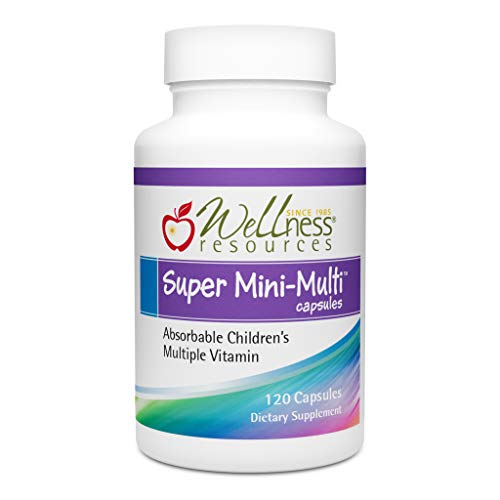
Wellness Resources Super Mini-Multi Multivitamin Capsules

The Feel Great Vitamin Company Organic Kids Multivitamin Gummies

Pure Encapsulations Junior Nutrients

FIRST DAY Kids Probiotic Gummies

FIRST DAY Kids Multivitamin Gummies

FIRST DAY Kids Multivitamin Gummies Age 4+, Strawberry & Orange
Why These Options Stand Out
Your decision comes down to format and nutrient forms as much as the number of ingredients. Wellness Resources Super Mini-Multi uses swallowable capsules, making it more suitable for a child who reliably handles pills than the gummies later in this lineup. It also takes a focused approach to methylated folate, coenzyme B vitamins, and iron bisglycinate.
That profile may suit families looking for nutritional support around cellular function, energy metabolism, and normal brain development, rather than a product positioned around behavior itself. The honest read is that no vitamin should carry the burden of explaining a child’s changing mood or attention. Think of this option as filling a nutritional gap, not replacing a consistent routine.
What It Does Well
- Methyl folate provides a readily usable form of folate, which supports normal brain function.
- Coenzyme B vitamin forms support energy metabolism and normal nervous-system function.
- Iron bisglycinate offers a form of iron described as gentle on the stomach and suitable for growth needs.
- The 120-capsule bottle provides a longer routine than the 90-count gummy option from The Feel Great Vitamin Company.
Storage Details Matter
- Spotting can appear when capsules absorb moisture from the air, so keep the bottle tightly closed with its desiccant in a cool, dry place.
- Children unable to swallow capsules will likely find the gummy formats easier to manage.
Key Attributes
Built With In Mind
This option fits families whose child handles capsules and prioritizes methylated nutrients alongside a gentle iron source.
Another Choice May Suit
The Feel Great Vitamin Company Organic Kids Multivitamin Gummies may suit a younger child who strongly prefers chewing a citrus or strawberry gummy over swallowing a capsule.
A school-night routine can go wrong when a child refuses the pill, and that is where the gummy format earns its place. The Feel Great Vitamin Company Organic Kids Multivitamin Gummies combine citrus and strawberry flavors with nutrients including zinc, iodine, B vitamins, vitamin D, and vitamin C. For a child who accepts a gummy more readily, consistency may be the practical advantage.
Unlike the methylated capsule formulas, this option does not make those specific vitamin forms its defining feature. You are choosing a broader, child-oriented nutrition blend with a familiar candy-like format. It may fit a family looking for an easy addition to a daily routine, but behavior still needs context beyond any one vitamin label.
Key Advantages
- Citrus and strawberry flavors make the daily task more approachable for picky eaters.
- Zinc, iodine, B vitamins, vitamin D, and vitamin C provide a varied nutrient blend.
- The 90-count bottle offers a simple child-oriented multivitamin without capsule swallowing.
- Natural fruit sweetness replaces the flavor profile of the capsule options.
Points To Keep In Mind
- Check the serving directions and nutrient amounts against your child’s age and dietary needs.
- The gummy texture is not a benefit for every child, particularly one who prefers capsules or has difficulty chewing.
Who Will Love This
You will find this most useful for a child who eagerly accepts citrus and strawberry gummies but resists traditional pills.
Swap It Out When
Wellness Resources Super Mini-Multi Multivitamin Capsules fit better when swallowed capsules are acceptable and methylated folate plus coenzyme B vitamins are the priority.
Older children who can manage capsules gain access to a more varied nutrient profile with Pure Encapsulations Junior Nutrients. The formula includes calcium, folate, vitamin C, vitamin A, and carotenoids, plus lutein, zeaxanthin, and L-5-MTHF. That combination gives it a more specific bone, eye, and brain-support angle than the broader gummy blends in this list.
Serving directions change with age, which matters once you move past early childhood. Children ages 4 through 13 take two capsules daily with a meal, while ages 14 and up take two capsules twice daily with meals. A child under 4 needs a physician’s guidance before use, making the age boundary the first practical check.
The Case For It
- Calcium and vitamin C broaden the nutritional profile beyond a basic vitamin lineup.
- Three specified amounts of lutein, zeaxanthin, and L-5-MTHF suit families seeking eye and brain-oriented nutrients.
- Carotenoids and vitamins A and C support the formula’s daily wellness positioning.
- The 120-count bottle provides more capsules than the 60-count gummies in this lineup.
Worth Noting
- Two capsules per serving may be less convenient than the two-gummy serving used by the FIRST DAY probiotic option.
- The age-specific instructions make the age 4 boundary especially important to check.
Feature Snapshot
The Right Fit
This suits an older child who handles capsules and wants a broader formula with defined eye and brain-support nutrients.
Where A Sibling Pick Shines
The Feel Great Vitamin Company Organic Kids Multivitamin Gummies offer a more appealing format for younger children with strong resistance to capsules.
Digestive discomfort can quickly affect a child’s day, making regular bowel movements a relevant family concern. FIRST DAY Kids Probiotic Gummies take a different approach from the multivitamins: they combine a prebiotic, probiotic, and postbiotic. A prebiotic provides fermentable material for gut microbes, probiotics supply microorganisms, and postbiotics are compounds produced by those microorganisms.
The suggested serving is two gummies daily, and the 60-count bottle covers a 30-day routine. That makes it a specialized choice for a child whose routine centers on digestive regularity, not a multivitamin substitute. In most kitchens, keeping it separate from the breakfast vitamin helps prevent accidental double dosing.
Useful Strengths
- The three-part formula targets several parts of the digestive microbiome approach.
- Two daily gummies create a simple serving for a child who prefers chewable supplements.
- The Livaux prebiotic is formulated to support regular bowel movements and softer stools.
- A 30-day bottle fits neatly into a one-month family routine.
Where It May Fall Short
- This is a digestive supplement, not a multivitamin, so it does not replace the broader nutrient coverage offered by the other choices.
- Keep it stored away from other supplements to make the two-gummy serving easier to track.
Quick Facts
Built For Digestion
This fits a family focused on a child’s digestive regularity who wants a gummy format rather than a multivitamin capsule.
A Better Fit Elsewhere
Pure Encapsulations Junior Nutrients fit better when your priority is a broad vitamin and mineral profile for an older child.
Families often want a multivitamin that feels less medicinal, and the gummy format handles that preference directly. FIRST DAY Kids Multivitamin Gummies use an organic fruit and vegetable blend, pairing a child-oriented chewable supplement with a produce-based ingredient angle. You may find that approach more attractive than another bottle of large pills.
Compared with The Feel Great Vitamin Company Organic Kids Multivitamin Gummies, this option emphasizes its organic fruit and vegetable blend rather than a defined citrus-and-strawberry flavor profile. That distinction is more about formulation and appeal than a promise of different behavior outcomes. The 60-count bottle provides a practical daily routine for a child who chews gummies without resistance.
Notable Upsides
- Organic fruit and vegetables give the formula a recognizable produce-based ingredient angle.
- The chewable format avoids the capsule-swallowing step that can stall a morning routine.
- Sixty gummies offer a straightforward two-month routine at two gummies daily.
- The sweet flavor keeps the supplement closer to a treat-like routine for a reluctant child.
Possible Compromises
- Confirm the selected age and supply option, since toddler, child, teen, 30-day, and 60-day variations appear within the product family.
- Chewed gummies require more attention during meals than a capsule swallowed with water.
Made For
This option suits a child who enjoys gummies and whose family prioritizes an organic fruit and vegetable blend.
Reach For A Different Pick When
Wellness Resources Super Mini-Multi Multivitamin Capsules make more sense when your child handles pills and you prioritize methylated folate and B vitamin forms.
Once a child reaches age four, the format and nutrient focus can become more concrete. FIRST DAY Kids Multivitamin Gummies Age 4+, Strawberry & Orange offer a 60-day supply with vitamins A, C, D3, K2, B1, B2, B6, B12, and folate. The formula is also vegan, which narrows its appeal to families looking for that dietary characteristic.
Compared with FIRST DAY Kids Multivitamin Gummies, this version puts age, flavor, and a defined vitamin roster at the front of the decision. It may suit an older child who likes both strawberry and orange and takes a two-gummy serving each day. Keep it alongside breakfast, away from other supplements, so the daily amount stays easy to follow.
Useful Touches
- The age 4+ designation makes the intended age group clear before purchase.
- Strawberry and orange flavors give a child two familiar choices.
- Vitamins A, C, D3, K2, folate, and several B vitamins create a broad nutrient roster.
- The 60-day supply supports a consistent two-gummy daily routine.
Factors To Consider
- The age 4+ label excludes toddlers, so verify the age before ordering.
- The two-gummy serving requires storage and household tracking to avoid duplication with other multivitamins.
At A Glance
Best Suited To
This fits a child age four or older who accepts strawberry and orange gummies and follows a two-gummy daily routine.
Look Elsewhere When
Pure Encapsulations Junior Nutrients fit a child who prefers capsules and needs age-adjusted serving directions with defined lutein and zeaxanthin amounts.
What Matters Before You Add a Supplement
Start with the gap you want to address. A broad multivitamin, a capsule with specific nutrient forms, and a digestive supplement serve different purposes, so one category cannot stand in for another. Review your child’s meals and daily routine before assuming a missing vitamin explains an afternoon mood swing or a difficult transition.
The next decision is practical. Gummies may be easier for a child who resists pills, while capsules can offer a more specific nutrient profile. Compare serving size, age range, storage needs, and how many daily items your child already takes. A simple routine that you can follow consistently matters more than an elaborate schedule.
Check the Nutrient Forms
The form of a vitamin affects how your body handles it. Methyl folate, L-5-MTHF, and coenzyme B vitamin forms are specific examples worth noticing on a label. Look for these details alongside the amounts, since a recognizable ingredient name alone does not show whether the serving meets your child’s needs.
Treat Behavior as a Whole Picture
Meals, sleep, physical activity, school demands, and daily structure can all influence how a child behaves. A vitamin may fill a nutritional gap, yet it cannot diagnose the reason behind a sudden or persistent change. For a specific concern, speak with your child’s pediatrician before adding another supplement.
Buying Lessons That Prevent Regret
Common Shopping Slip Ups
Choosing by attractive packaging alone can leave you with a format your child refuses. Read the age range, serving instructions, ingredient profile, and number of daily gummies or capsules before ordering. Also check whether another supplement already covers some of the same nutrients.
What Separates Premium From Basic
Higher-tier formulas may use specific vitamin forms, third-party quality review, or more detailed manufacturing standards. Those choices can matter for families comparing exact nutrient profiles, but they do not guarantee a behavioral result. Pay for a meaningful formulation difference rather than a broader marketing promise.
Frequently Asked Questions
Can kid vitamins change a child’s behavior?
No supplement should be relied on to change behavior by itself. Meals, sleep, routine, development, and other health factors deserve attention, especially when changes appear suddenly or persist.
Which format is easiest for children?
Gummies are usually easier for children who dislike swallowing pills. Capsules may be more practical once a child handles them reliably, and either format becomes easier when the serving fits a consistent daily routine.
Are gummy vitamins better than capsules?
Neither format is inherently better. Gummies favor flavor and chewability, while capsules can suit families that prefer a specific vitamin form or a less bulky serving format.
Can my child take two different supplements?
Only when the labels, nutrient amounts, and serving directions have been checked for overlap. Giving separate supplements without tracking their contents can lead to duplicating certain nutrients, so ask your pediatrician when more than one product is on the schedule.
How do I choose a multivitamin for my child?
Begin with age, dietary pattern, and the specific nutrients you want to address. Compare the label with your child’s normal intake, then select a format your child can realistically take each day.
Final Verdict
The right choice depends on your child’s age, tolerance for capsules, and the nutritional or digestive need you want to address. A gummy may make consistency easier, while a capsule can provide a more defined nutrient profile. Choose one product, make the routine manageable, and let a pediatrician guide broader behavioral concerns.
