

You’ll love these five loose leaf chais that turn a quick cup into a small ritual: The Chai Box Organic Loose Leaf Chai with whole ginger, cinnamon, clove, fennel, and cardamom; The Chai Box Lavender Rooibos for a caffeine-free, floral evening cup; The Chai Box Organic Rooibos Masala Chai for bold, cozy spice without caffeine; and Yogi Chai Rooibos in multi-pack tea bags for consistent, organic chai. Keep whole spices, small-batch sourcing, and biodegradable packaging in mind as you discover more.
| The Chai Box Organic Loose Leaf Chai Tea |

| Best Traditional Pick | Base Tea: Black tea (organic loose-leaf) | Spice Ingredients: Ginger, cinnamon, clove, fennel, cardamom | Caffeine Content: Contains caffeine (black tea) | VIEW LATEST PRICE | Read Our Analysis |
| The Chai Box Lavender Rooibos Loose Leaf Tea |

| Best Floral Blend | Base Tea: Rooibos (caffeine-free) | Spice Ingredients: Lavender, cardamom, rose petals (plus chai spices implied) | Caffeine Content: Caffeine-free (rooibos) | VIEW LATEST PRICE | Read Our Analysis |
| The Chai Box Organic Rooibos Masala Chai Loose Leaf |

| Best Caffeine-Free Masala | Base Tea: Rooibos (organic, caffeine-free) | Spice Ingredients: Ginger, clove, cinnamon, cardamom, fennel | Caffeine Content: Caffeine-free (rooibos) | VIEW LATEST PRICE | Read Our Analysis |
| Yogi Chai Rooibos Tea – 96 Tea Bags |

| Best Bulk Buy | Base Tea: Rooibos (organic) | Spice Ingredients: Cardamom, cinnamon, ginger, clove | Caffeine Content: Caffeine-free (rooibos) | VIEW LATEST PRICE | Read Our Analysis |
| Yogi Chai Rooibos Tea (16 Bags x4) |
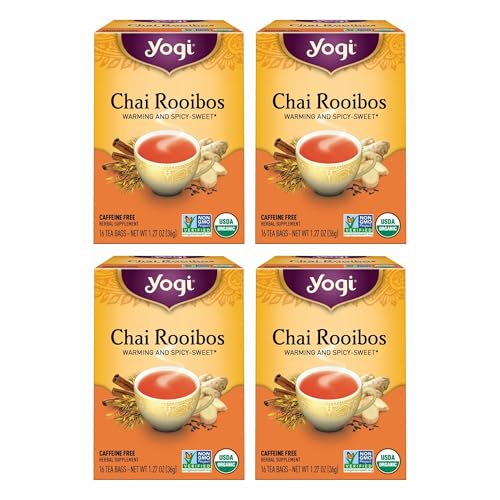
| Best Pantry Staple | Base Tea: Rooibos (organic) | Spice Ingredients: Cardamom, cinnamon, ginger, clove | Caffeine Content: Caffeine-free (rooibos) | VIEW LATEST PRICE | Read Our Analysis |
More Details on Our Top Picks
The Chai Box Organic Loose Leaf Chai Tea
Should you want a chai that feels like a warm kitchen hug and fits into everyday life, The Chai Box Organic Loose Leaf Chai is a great pick. You’ll find a traditional masala chai blend with whole spices like ginger, cinnamon, clove, fennel, and cardamom. You can smell warm, earthy, balanced spice cues that nod to both Eastern and Western chai rituals. The single origin spices come from family farms in Kerala and support digestion and antioxidants. Small batches are blended in Atlanta, packaged in biodegradable materials, and offered through a woman owned brand that honors cultural chai rituals.
- Base Tea:Black tea (organic loose-leaf)
- Spice Ingredients:Ginger, cinnamon, clove, fennel, cardamom
- Caffeine Content:Contains caffeine (black tea)
- Packaging / Format:2.5 oz loose leaf (makes ~25 cups)
- Sourcing & Ingredients Quality:Single-origin spices from family-owned regenerative farms; no artificial flavors; premium whole spices
- Brand / Heritage:The Chai Box – woman-owned, South-Asian–rooted, Atlanta-based small-batch
- Additional Feature:Small-batch Atlanta crafted
- Additional Feature:Makes ~25 cups
- Additional Feature:Reusable glass jar option
The Chai Box Lavender Rooibos Loose Leaf Tea
Should you love calm, floral flavors and want a caffeine-free chai that still feels indulgent, The Chai Box Lavender Rooibos is a great pick for you. You’ll find lavender, cardamom, and rose petals folded into a rooibos base that soothes and smells like a quiet evening. The spices are whole and small-batch, so each cup feels handcrafted and honest. Ingredients come from family farms in Kerala, and packaging is biodegradable with a reusable jar option. You can steep 25 cups per 2.5 ounce pack, enjoy digestive comfort and antioxidants, and feel part of a woman-owned tea tradition.
- Base Tea:Rooibos (caffeine-free)
- Spice Ingredients:Lavender, cardamom, rose petals (plus chai spices implied)
- Caffeine Content:Caffeine-free (rooibos)
- Packaging / Format:2.5 oz loose leaf (makes ~25 cups)
- Sourcing & Ingredients Quality:Single-origin spices from family-owned regenerative farms; no artificial flavors; whole premium spices
- Brand / Heritage:The Chai Box – woman-owned, South-Asian–rooted, small-batch; Oprah-featured
- Additional Feature:Caffeine-free floral blend
- Additional Feature:Oprah favorite mention
- Additional Feature:Inspired by Himachal valleys
The Chai Box Organic Rooibos Masala Chai Loose Leaf
Should you love the cozy ritual of chai but want to skip caffeine, this Organic Rooibos Masala from The Chai Box is made for you. You’ll notice bold ginger up front, then warming clove and cinnamon, and a sweet lift from cardamom and fennel. The rooibos base keeps things smooth while the whole spices create a rich, aromatic cup that feels like home. Sourced from family farms in Kerala and handcrafted in Atlanta, the blend supports regenerative practices and composting. Packaged biodegradable, the 2.5 ounce tin makes about 25 cups, inviting slow, comforting tea moments.
- Base Tea:Rooibos (organic, caffeine-free)
- Spice Ingredients:Ginger, clove, cinnamon, cardamom, fennel
- Caffeine Content:Caffeine-free (rooibos)
- Packaging / Format:2.5 oz loose leaf (makes ~25 cups)
- Sourcing & Ingredients Quality:Single-origin spices from family-owned regenerative farms; organic ingredients; no artificial flavors
- Brand / Heritage:The Chai Box – woman-owned, South-Asian–rooted, Atlanta small-batch
- Additional Feature:Comforting nostalgic aroma
- Additional Feature:Organic rooibos base
- Additional Feature:Digestive-support spices
Yogi Chai Rooibos Tea – 96 Tea Bags
Provided that you love warm, spiced flavors but want to skip caffeine, Yogi Chai Rooibos Tea is a great pick for you. You get six packs of 16 tea bags, so you won’t run out fast. The blend mixes organic rooibos with cardamom, cinnamon, ginger, and clove to create a cozy chai feel without the buzz. You steep one bag for seven minutes, or use two for a bolder cup. It’s vegan, USDA Organic, and NON-GMO, and rooibos brings antioxidants. Yogi focuses on quality spices and botanicals, so each sip feels thoughtful and comforting.
- Base Tea:Rooibos (organic)
- Spice Ingredients:Cardamom, cinnamon, ginger, clove
- Caffeine Content:Caffeine-free (rooibos)
- Packaging / Format:Tea bags (96 total; 6×16)
- Sourcing & Ingredients Quality:Organic ingredients (USDA Organic); non-GMO
- Brand / Heritage:Yogi – established tea brand focused on botanicals and quality
- Additional Feature:7-minute steep time
- Additional Feature:Multi-pack value format
- Additional Feature:USDA Organic certified
Yogi Chai Rooibos Tea (16 Bags x4)
Should you love chai flavors but want to skip caffeine, Yogi Chai Rooibos Tea is a great pick for you and anyone who cares about natural, organic ingredients. You’ll get four packs of 16 bags each, so you won’t run out fast. The cup blends organic rooibos with warm spices like cardamom, cinnamon, ginger, and clove, and it tastes like chai without the jitter. You’ll enjoy antioxidants, USDA Organic and NON GMO certification, and a vegan recipe. To brew, bring water to boiling and steep one bag for seven minutes. Use two bags in case you desire a bolder sip.
- Base Tea:Rooibos (organic)
- Spice Ingredients:Cardamom, cinnamon, ginger, clove
- Caffeine Content:Caffeine-free (rooibos)
- Packaging / Format:Tea bags (64 total; 4×16)
- Sourcing & Ingredients Quality:Organic ingredients (USDA Organic); non-GMO
- Brand / Heritage:Yogi – established tea brand focused on botanicals and quality
- Additional Feature:Strong-brew option
- Additional Feature:Inspired by South Africa
- Additional Feature:Vegan and NON-GMO
Factors to Consider When Choosing Loose Leaf Chai Teas
At the time you pick a loose leaf chai, consider how the flavor profile balances between bold tea and warming spices so each cup tastes just right. You’ll want to check caffeine levels and ingredient sourcing so you can trust what you’re drinking and match it to your day. Also notice spice quality and form plus brewing yield since fresh whole spices and clear steeping instructions give better flavor and more cups per batch.
Flavor Profile Balance
Should you want a chai that feels just right in your cup, start initially checking the base tea and the spice mix together, because they set the whole mood of the brew. You’ll assess the base primarily since black, rooibos, or herbal roots give the body and natural caffeine that make chai bold, smooth, or naturally caffeine free. Next, read the dominant spices so you can predict the taste direction: ginger and cinnamon give heat and warmth, cardamom brings floral sweetness, clove adds depth, and fennel leaves a licorice finish. Pay attention to spice to tea ratio and whether spices are whole or ground, because those choices change aroma, intensity, and how the blend behaves with milk or water.
Caffeine Content Level
Because caffeine changes how chai makes you feel, it’s helpful to check the base tea and how you brew it before you pour a cup. Should your chai uses true black tea, expect about 40 to 70 mg of caffeine per 8-ounce cup. Steep longer or use hotter water and caffeine rises, so a 5 to 7 minute steep gives you much more kick than 2 to 3 minutes. Rooibos or herbal bases are naturally caffeine free, which lets you enjoy chai in the evening without worry. Some blends mix caffeinated leaves with rooibos or herbs, so caffeine sits between high and none based on the ratio. Were you to must limit caffeine, pick labeled caffeine free or decaffeinated black tea that removes roughly 97 percent.
Ingredient Sourcing Transparency
Provided you care about what’s in your cup, start looking for chai that clearly names where each ingredient comes from and how it was grown, because that tells you a lot about quality and ethics. You want labels that call out single origin or regenerative farming so you can judge flavor and environmental impact. Also check whether suppliers list whole spices instead of natural or artificial flavors since whole spices mean less processing and truer taste. Look for blends tied to family owned or traceable farms and that show harvest or batch dates to guarantee freshness and fair sourcing. Verify organic, fair trade, or non GMO notes and third party audits to back claims. Finally notice small batch handling, composting and packaging to gauge real sustainability.
Spice Quality And Form
Good spice starts with care, and that care shows up in how the spices look and feel. You want whole, intact cardamom pods, cinnamon sticks, and cloves because they hold essential oils and give brighter, more complex chai. At the same time, coarsely broken or crushed bits can wake up quickly during steeping, so they suit faster brewing but need fresher storage.
Check roast or harvest dates whenever you can since spices lose aroma after six to twelve months at room temperature. Also ask about provenance and processing because sun dried or gently treated spices keep subtle aromatics better than heavily processed ones. Finally, look for blends with uniform particle size so extraction stays even and flavors balance well in your cup.
Brewing And Yield
Whenever you pick a loose leaf chai, contemplate how you’ll brew it and how many cups you want, since those choices shape strength, flavor, and waste. Use about 1 teaspoon (2–3 g) per 8 oz cup as a starting point. Should you like bold tea, add more. Steeping time changes with the base. Black chai steeps 3 to 5 minutes. Rooibos or herbal blends can steep 5 to 7 minutes without turning bitter. Whenever you make masala chai with milk, simmer leaves and spices in equal parts water and milk for 5 to 10 minutes to draw out spice oils. A 2.5 oz pouch yields roughly 25 to 35 cups at standard strength. You can often re-steep black and rooibos once for a milder second cup.
Sustainability Practices
Provided that you care about the planet and the people behind your cup, start upon looking for clear sustainability practices whenever you choose loose leaf chai. Check certifications like organic, Fair Trade, or regenerative agriculture, since they show reduced chemicals, better soil, and fairer pay. Also prefer brands using biodegradable, compostable, or reusable packaging such as kraft bags, compostable liners, or refillable jars to cut single use plastic. Ask whether producers compost or upcycle spent leaves and spice mulch, which keeps waste out of landfills and feeds soil. Look for direct sourcing from smallholder farms and traceable supply chains, which often mean kinder labor practices. Finally weigh small batch production, local manufacturing, and carbon reduction efforts to lower overall environmental impact.
