

A lower back support belt can make a long workday, commute, or weekend project feel more manageable by adding structure and steady compression around the lumbar area. The right choice depends less on impressive language and more on your waist measurement, expected movement, and preferred level of rigidity. These six options cover flexible everyday wear, reinforced support, high-waist coverage, and discreet fits for close-fitting clothing.
The Main Contenders

SOLOEVER Copper Back Brace

FREETOO Lumbar Back Brace
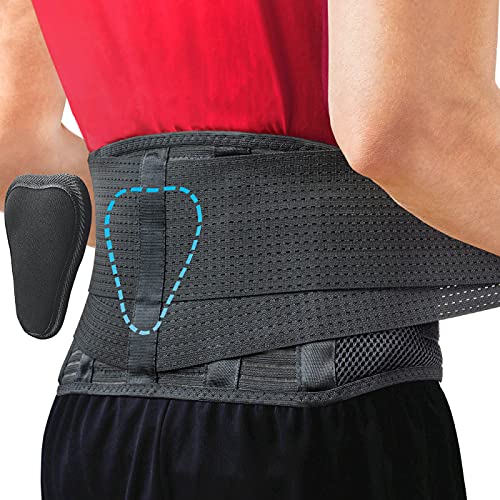
Sparthos Adjustable Lumbar Brace

FREETOO 6-Stay Back Brace with 16-Hole Mesh, Anti-Skid Belt (L)

BraceUP Breathable Back Brace with Dual Adjustable Straps, L/XL 35-43 In

TitanGuard Thin High-Waist Lumbar Belt
More Details On Our Top Picks
Picture the end of a warehouse shift, a long drive, or a home project that leaves your lower back demanding attention. The SOLOEVER Copper Back Brace combines soft, breathable fabric with flexible lower-back coverage, making it relevant to people who move between lifting, sitting, driving, and standing.
Its copper-brace design and broad size run distinguish it from the stretch-first FREETOO Lumbar Back Brace reviewed next. The trade-off is that its appeal rests on general coverage and fit range rather than a prominent reinforced-stay system.
A Strong Showing
- Breathable, lightweight fabric suits extended wear in warm work environments.
- Flexible construction allows movement during lifting, exercise, and driving.
- Five size choices accommodate a wide range of waist measurements.
- Lumbar coverage works across office, warehouse, and construction settings.
Practical Considerations
- Measure your narrowest waist above the navel before choosing a size.
- The flexible format may feel less structured than a stays-based option during heavy work.
Core Details
Who It Suits Best
This belt suits warehouse staff, drivers, construction workers, and office workers who need breathable lumbar coverage across changing physical demands.
A Better Fit Elsewhere
The FREETOO Lumbar Back Brace may suit you better when a stretchy, close-fitting profile matters more than a broad size range.
A commute in a fitted dress, a shift spent moving around a kitchen, or a day under slimmer work clothes calls for a belt that does not feel bulky. The FREETOO Lumbar Back Brace uses soft, lightweight 3D-knit fabric that stretches with the body and can sit beneath close-fitting clothing.
Compared with the SOLOEVER Copper Back Brace, this design puts more emphasis on flexible conformity than a broad sizing range. That makes it a practical choice for women seeking a close, unobtrusive layer during ordinary daily activity.
Practical Advantages
- The 3D-knit fabric flexes as you walk, bend, and sit.
- Lightweight construction avoids the bulk of a heavily reinforced brace.
- Breathable material supports comfortable wear under clothing.
- The flexible fit follows different body shapes closely.
Where It May Fall Short
- The close, flexible feel may offer less rigidity than stays-based belts.
- Heavy lifting may favor a more structured option such as the six-stay FREETOO model.
Feature Snapshot
Made For
This belt is made for women who spend time in fitted clothing and want flexible lumbar support that follows natural movement.
Consider Something Else When
The TitanGuard Thin High-Waist Lumbar Belt may suit you better when a higher waist position and broader mesh coverage take priority.
When your day includes walking, bending, or stretching rather than prolonged inactivity, adjustable compression becomes especially useful. The Sparthos Adjustable Lumbar Brace adds an adjustable lumbar pad for more focused support in the center of the lower back.
The Black-L format is aimed at both women and men, while its adjustment system offers a more tailored feel than the flat coverage of the SOLOEVER Copper Back Brace. The straightforward trade-off is that this model centers on compression rather than the six-stay construction found farther down the list.
Strong Points
- The adjustable lumbar pad lets you tailor the level of compression.
- Focused lower-back coverage supports movement during daily tasks.
- A unisex design broadens its appeal for different body types.
- Adjustment makes it easier to adapt as your position changes.
Small Caveats
- The concentrated pad may feel more pronounced than a smooth stretch-knit design.
- Choosing the wrong size can make precise adjustment difficult, so consult the size chart first.
Right Fit For
This brace fits people who spend their day walking, bending, or stretching and want adjustable pressure across the lumbar region.
Not Your Match When
The FREETOO Lumbar Back Brace may be a better fit for someone prioritizing a soft, nearly seamless layer beneath fitted clothing.
Construction work, warehouse shifts, and other repetitive jobs call for more structure than a simple stretch band can provide. The FREETOO 6-Stay Back Brace combines four aluminum stays with two steel side springs, creating a more engineered support system for upright work and repetitive movement.
Unlike the softer FREETOO Lumbar Back Brace, this L-size model adds vertical reinforcement and an anti-skid surface. That extra structure is useful for physical jobs, though it may be more noticeable beneath fitted clothing.
Key Advantages
- Six stays create vertical structure through the waist area.
- Two steel springs add support along the sides of the lower back.
- Sixteen-hole mesh promotes airflow during active work.
- The anti-skid finish helps the belt remain in place during movement.
Things To Weigh Up
- Steel springs and rigid stays may feel bulkier than a knit model.
- This listing is sized L, so compare the waist measurement with your own.
Quick Facts
Who Will Love This
Active workers, warehouse staff, and people handling repetitive or physically demanding tasks will appreciate the reinforced construction.
Look Elsewhere When
The TitanGuard Thin High-Waist Lumbar Belt may suit you better when discreetness matters more than rigid vertical support.
A belt that feels secure without complicated setup makes sense for office days, driving, and regular household tasks. The BraceUP Breathable Back Brace uses dual adjustable straps to create a custom fit around the waist, while breathable construction keeps the focus on practical everyday wear.
This L/XL version covers a 35-to-43-inch waist. Unlike the FREETOO 6-Stay Back Brace, its appeal is straightforward adjustment rather than a prominent rigid framework, and your pant size should not determine the selection.
The Good Stuff
- Two adjustment straps let you refine the fit around your waist.
- Breathable material suits extended everyday wear.
- The unisex design works across varied clothing styles.
- Clear waist ranges simplify size selection.
Details To Watch
- Measure around the navel, since pant size may not reflect the required circumference.
- A 35-inch waist sits near the upper end of this particular size, so check the range carefully.
Best Suited To
This brace suits people with a 35-to-43-inch waist who want simple strap adjustment for commuting, desk work, or daily household activity.
Another Choice May Suit
The SOLOEVER Copper Back Brace offers a wider size range and may fit you better outside this L/XL waist interval.
Some workdays call for support without the visual bulk of a heavily reinforced belt. The TitanGuard Thin High-Waist Lumbar Belt uses an ultra-thin, breathable mesh construction and a high-waist position to deliver focused lumbar compression without the profile of six stays or steel springs.
That makes it more discreet than the FREETOO 6-Stay Back Brace and potentially easier to wear under fitted trousers. The trade-off is that a thin, flexible design may offer less structural reinforcement during demanding physical work.
Good Reasons To Consider
- The ultra-thin profile remains discreet beneath close clothing.
- Breathable mesh supports airflow during long periods of wear.
- High-waist coverage places the belt around the lumbar region.
- Focused compression suits standing, work, and daily tasks.
Where It Is Less Suited
- The thin construction may feel less substantial during heavy lifting.
- High-waist positioning needs careful alignment for even coverage.
At A Glance
Built With In Mind
This belt suits office workers, travelers, and people who need a low-profile layer for fitted clothing or extended periods of standing.
Reach For A Different Pick When
The FREETOO 6-Stay Back Brace may suit you better when rigid reinforcement for demanding physical tasks matters more than a discreet profile.
How to Match Support to Your Day
Start With Your Workload
Your activity determines how much structure you need. A stretch-knit belt works well for commuting and desk days, while stays, springs, or a more rigid construction suit repetitive lifting and warehouse work. Choose enough support for your movement without creating a bulky layer you cannot maintain comfortably.
Measure the Right Area
Measure your waist rather than relying on pant size. Some models use the narrowest point above the navel, while others use the circumference around the navel, so follow the selected belt’s measurement guide and compare the full range before ordering.
Balance Flexibility and Structure
Flexible fabric conforms to your body and fits beneath close clothing more easily. Rigid stays and springs provide greater vertical structure, which may feel more substantial during active work. Your preferred movement pattern is the deciding factor.
Account for Clothing and Comfort
Try the belt with the clothing you normally wear on the demanding day. A low-profile mesh model may work under slim trousers, while reinforced hardware can sit more visibly. Breathability and smooth edges also matter during extended wear.
Key Details That Change the Fit
Mistakes Worth Dodging
Choosing by pant size can lead to a loose or overly tight belt, so use waist measurements for every option. Also consider whether the support will fit under your usual clothes, since a rigid design may work during a workday but feel uncomfortable beneath a fitted outfit.
What Separates Premium From Basic
Higher-tier belts often add stays, springs, mesh panels, or more precise adjustment. Those features help active users maintain a controlled fit, but a simple breathable design can be more appropriate for desk work, short commutes, or discreet everyday wear.
Frequently Asked Questions
How Do I Choose the Right Size for a Lower Back Support Belt?
Measure the area specified in the belt’s size guide, usually around the navel or narrowest part of the waist. Compare that measurement with the complete range rather than using your pant size.
Can These Belts Be Worn Under Clothing?
Yes, thin knit and mesh models are designed for a low profile beneath many outfits. Reinforced stays or springs may be more noticeable, so check the construction before buying.
Can I Wear One While Driving or Lifting?
A support belt can add structure and a sense of stability during driving or lifting. It should not replace safe lifting technique or a clinical assessment of persistent symptoms.
Do I Need a Model With Stays or Springs?
Choose a stays-based model for repetitive or physically demanding work, while a stretch design may suit lighter daily tasks. Your activity and tolerance for bulk matter more than the number of supports.
When Should I Seek Advice About Back Symptoms?
Persistent or severe discomfort deserves evaluation by a qualified clinician, especially when accompanied by numbness, weakness, or a recent injury. A support belt can complement daily comfort, but it does not diagnose the underlying cause.
Final Verdict
The SOLOEVER Copper Back Brace offers the broadest sizing range, while the FREETOO Lumbar Back Brace stays soft and discreet. The FREETOO 6-Stay model adds the most visible structure, and the BraceUP belt makes waist adjustment straightforward. For a thin, high-waist profile, the TitanGuard option is the most compact. Match the construction to your workload, then use the stated waist measurement to make the final call.
