

Living with lupus can make sun exposure a daily concern, especially when your skin feels reactive or you spend time outdoors. A well-chosen sunscreen can provide broad-spectrum protection while fitting your comfort level, whether you prefer a lotion, stick, tinted lotion, or spray. These options are designed for different routines, so the key is finding the one you will apply consistently and keep within reach.
A Side-By-Side Look

CeraVe Hydrating Mineral Sunscreen SPF 50
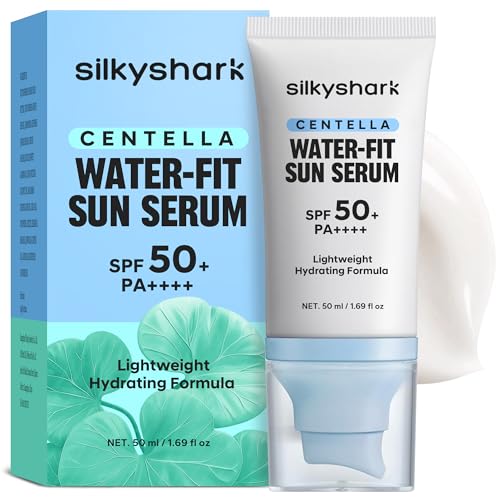
SilkyShark Centella Sunscreen SPF 50+ Oil-Free

Cetaphil Sheer Mineral Face Sunscreen SPF 50

Cetaphil Sheer Mineral Sunscreen Stick SPF 50

Cetaphil Tinted Mineral Face Sunscreen SPF 40
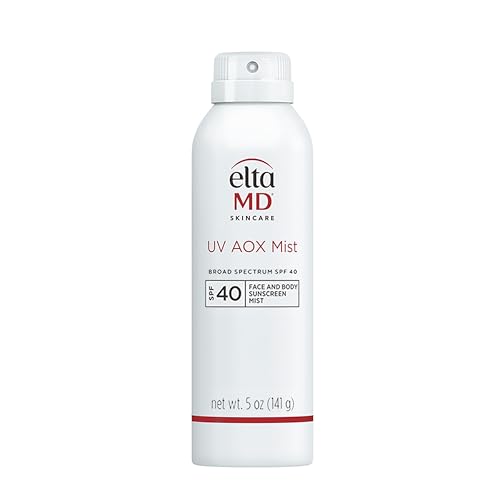
EltaMD UV AOX Mineral Sunscreen Mist SPF 40

Cetaphil Sheer Mineral Face & Body Sunscreen SPF 50
Taking A Closer Look At The Options
The 5-ounce CeraVe bottle is built for exposed areas such as arms, legs, and the neck, which matters when sun-sensitive skin is not confined to your face. Its SPF 50 formula uses zinc oxide and titanium dioxide, mineral filters that reflect UVA and UVB rays. You may find that the 5-ounce size supports a full-body morning routine better than a smaller facial tube.
Three ceramides add a barrier-focused angle that distinguishes this from a basic body sunscreen. Ceramides are components of the skin’s natural barrier, and this formula combines ceramides 1, 3, and 6-II with a lightweight, hydrating lotion. The honest read is that CeraVe suits anyone seeking broad-spectrum body coverage without fragrance or oil.
A Few Highlights
- SPF 50 broad-spectrum coverage for the body
- Zinc oxide and titanium dioxide provide mineral filtering
- Three ceramides support the skin’s moisture barrier
- Oil-free, fragrance-free, and non-comedogenic formula
- Designed for both adults and children
Things To Consider
- Mineral sunscreens can leave a white cast, especially when applied heavily
- The 5-ounce bottle is bulkier than a 1.7-ounce facial formula
Key Specs
Who It Suits Best
This bottle works well for adults with sun-sensitive skin who need one mineral lotion for exposed body areas and a generous daily application.
Where Another Pick Suits Better
EltaMD UV AOX Mineral Sunscreen Mist SPF 40 is easier to spread over a large body area because its mineral formula arrives as a quick-absorbing mist.
This is the most skincare-centered option in the group, pairing SPF 50+ and PA++++ sun protection with centella asiatica, hyaluronic acid, niacinamide, ceramides, and peptides. You may find that layering appeal useful when your daily goal includes hydration and a comfortable matte finish, particularly over oily or combination skin.
Unlike the CeraVe body lotion, SilkyShark uses an airless pump and a 1.69-ounce format designed for facial and targeted use. The formula is oil-free, non-greasy, and free from fragrance, parabens, alcohol, oxybenzone, and octinoxate. The tradeoff is a longer ingredient story, so sensitive skin deserves a careful patch test before full application.
Real-World Strengths
- SPF 50+ with PA++++ UVA and UVB rating
- Lightweight finish suits makeup-friendly routines
- Hyaluronic acid supports skin hydration
- Ceramides and peptides add barrier-focused care
- Water resistance extends to 40 minutes
Honest Caveats
- The 1.69-ounce pump may run low for generous body use
- Multiple active ingredients can feel excessive for very reactive skin
Feature Snapshot
Made For
This formula is aimed at people with oily, combination, or sensitive skin who want a lightweight sunscreen that can sit comfortably under makeup.
Consider Something Else When
Cetaphil Tinted Mineral Face Sunscreen SPF 40 is a better fit when neutralizing the appearance of redness matters more to you than a higher labeled SPF.
A facial SPF 50 with zinc oxide is a straightforward choice for people who want mineral protection without a tint. The 1.7-ounce size supports regular morning use, while the light lotion is designed to spread without a greasy finish. You may find this easier to work into a sensitive-skin routine than a heavier body formula.
Cetaphil also emphasizes hydration and compatibility with the skin’s delicate microbiome, the community of microorganisms living on the skin. That approach separates it from the more ingredient-dense SilkyShark formula. The catch is the SPF 50 label sits beside a water-resistance rating of 80 minutes, so you still need to follow the application and reapplication directions.
Notable Upsides
- SPF 50 mineral protection for facial use
- Non-comedogenic and lightweight texture
- Hydrating formula supports comfortable wear
- Water resistance lasts up to 80 minutes
Practical Considerations
- Mineral filters may still leave a slight white cast
- The 1.7-ounce tube is sized more for the face than the entire body
Quick Facts
Right Fit For
This facial lotion suits people with sensitive skin who prefer a simple mineral SPF with a lightweight, non-comedogenic finish.
A Better Fit Elsewhere
Cetaphil Sheer Mineral Face & Body Sunscreen SPF 50 is more practical when you want one 3-ounce bottle for both your face and exposed body areas.
The 0.5-ounce stick brings SPF 50 mineral sunscreen into a format that fits easily into a pocket, handbag, or travel case. It is designed for both face and body, so you can target specific exposed areas without carrying a bottle. For an active day with several outdoor stops, that portability may matter more than a larger container.
Compared with Cetaphil Sheer Mineral Face Sunscreen SPF 50, the stick shares the lightweight, non-comedogenic, non-greasy approach but changes the application method. The practical benefit is easier touch-up use, although reaching a broad area takes more passes. The 80-minute water-resistance claim provides some flexibility around water, but follow the label directions.
Useful Strengths
- Compact 0.5-ounce size travels well
- Designed for face and body application
- Non-greasy and non-comedogenic texture
- SPF 50 mineral protection
Small Caveats
- Large body areas require repeated passes
- The small container may need replenishing sooner
Who Should Grab It
This stick suits commuters, travelers, and outdoor walkers who need a small container for targeted SPF application throughout the day.
Not Your Match When
CeraVe Hydrating Mineral Sunscreen SPF 50 is a better fit for a once-a-day, generous body application because its 5-ounce bottle covers more area with less fuss.
Adding a tint changes the daily decision for people who want mineral sunscreen without the look of an obvious white layer. This SPF 40 formula is intended to blend with a range of skin tones while visually softening the appearance of redness. You may find that useful on days when bare skin feels uneven or particularly reactive.
The 1.7-ounce bottle serves as a face-focused option, and the creamy lotion is designed to glide across the skin. Compared with Cetaphil Sheer Mineral Face Sunscreen SPF 50, the main trade-off is the lower SPF label in exchange for visible tone evening. It may also be less appealing when you prefer a completely untinted finish.
What Earns Its Place
- Tint helps soften the appearance of redness
- Designed to blend across varied skin tones
- Hydrating lotion with a smooth application
- SPF 40 broad-spectrum coverage
Points To Note
- SPF 40 is lower than the SPF 50 options here
- The tint may not match your preferred everyday finish
Core Details
Best Suited To
This lotion suits people with sensitive skin who want a mineral facial sunscreen with a tint that reduces the visible contrast of redness.
Another Choice May Suit
SilkyShark Centella Sunscreen SPF 50+ Oil-Free offers a higher labeled SPF and an untinted matte finish for people who prioritize those features.
EltaMD takes a different route with a 5-ounce mineral mist designed for the face and body. The spray covers broad areas quickly, then requires rubbing to absorb. You may find this especially convenient at the beach, beside a pool, or after changing clothes, where spreading lotion over a large area becomes less appealing.
Its transparent zinc oxide formula is intended to rub in without a visible white cast, while vitamins C and E add antioxidant ingredients and aloe, glycerin, and coconut fruit extract contribute moisture. The tradeoff is SPF 40 rather than 50, plus water resistance of 40 minutes. Compared with the Cetaphil stick, the mist wins on coverage speed but loses some portability.
The Value In It
- Mist format covers face and body efficiently
- Transparent zinc oxide rubs in with little visible cast
- Antioxidants add extra skincare ingredients
- Aloe and glycerin support a hydrated finish
- Water resistance lasts up to 40 minutes
Where It May Fall Short
- SPF 40 is below several SPF 50 choices
- The 5-ounce spray is less pocket-friendly than a stick
Built With In Mind
This mist suits travelers, outdoor workers, and swimmers who want quick application across exposed face and body areas.
Swap It Out When
Cetaphil Sheer Mineral Sunscreen Stick SPF 50 is the better fit for a small bag or a trip where carrying the least amount of product matters.
A single bottle for both face and body is the defining convenience of this Cetaphil lotion. Its SPF 50 formula uses mineral protection, and the 3-ounce size falls neatly between the smaller facial tube and the 5-ounce CeraVe body bottle. You may find that one container simplifies a rushed morning or a travel bag.
The formula focuses on hydration, non-comedogenic wear, and compatibility with the skin’s delicate microbiome. Vitamin E contributes antioxidant care, while the water-resistance rating reaches 80 minutes. Compared with SilkyShark Centella Sunscreen SPF 50+ Oil-Free, this option has a simpler skincare profile, making it a more practical choice for people who do not want a crowded routine.
Notable Gains
- One formula covers face and body
- SPF 50 mineral sun protection
- Hydrating, non-comedogenic lotion
- Vitamin E adds antioxidant care
- Water resistance lasts up to 80 minutes
Trade Offs
- Three ounces may be less generous for the whole body
- Mineral sunscreen can leave a white cast
At A Glance
The Right Fit
This lotion suits people who want a single SPF 50 bottle for daily face and body use without a complex skincare formula.
Where A Sibling Pick Shines
EltaMD UV AOX Mineral Sunscreen Mist SPF 40 is the better option for quickly covering broad body areas around a pool or on a beach.
What Matters In A Sun-Sensitive Skin Routine
Broad-spectrum protection comes first. SPF indicates sun-protection strength, while broad-spectrum labeling identifies coverage for both UVA and UVB rays. For lupus-sensitive skin, confirm the label and directions with your healthcare professional, especially when you are managing a flare or using other skin treatments.
Texture can decide whether you use it consistently. A lotion suits generous morning coverage, a stick supports precise touch-ups, and a mist works well across large body areas. White cast, scent, greasiness, and tint can all affect your comfort, so the most useful formula is one you can tolerate on your skin every day.
Check the area and water-resistance claims. A face-only lotion may not suit exposed arms or legs, while a body lotion may feel too heavy for your face. Water resistance helps describe activity time rather than a full day of protection, so reapply according to the label and use shade, clothing, and other protective measures outdoors.
Keep the routine simple but complete. The Cetaphil lotions cover face and body, while the SilkyShark option adds several skincare ingredients in one step. More ingredients are not automatically better for reactive skin, so patch testing and gradual introduction offer a more useful guide than adding multiple new products together.
Everyday Lessons From These Mineral Options
Common Shopping Slip Ups
Focusing only on SPF can hide a poor fit in texture, coverage, or intended use. Check whether you need face-only or body coverage, whether you want a tint, and whether portability matters before choosing.
What Separates Premium From Basic
The extra complexity here comes from added skincare ingredients, airless packaging, or a spray format rather than a higher SPF alone. Those upgrades are worthwhile when they solve a specific routine problem, such as oily skin, visible redness, or large-area application.
Frequently Asked Questions
Is mineral sunscreen better for lupus-sensitive skin?
Mineral filters can suit some people with reactive skin, but no single format works for everyone. Your healthcare professional can help you match broad-spectrum protection to your skin and treatment plan.
Can body sunscreen be used on the face?
Only use a body formula on your face when its label specifically says it is intended for both areas. Cetaphil Sheer Mineral Face & Body Sunscreen SPF 50 and EltaMD UV AOX Mineral Sunscreen Mist SPF 40 are designed for both locations.
Is SPF 40 or SPF 50 better for lupus?
The higher number indicates a stronger SPF label, but application amount, reapplication, and other sun-protective habits also matter. Choose the sunscreen you can apply correctly and comfortably throughout the day.
Do mineral sunscreens leave a white cast?
Some mineral formulas can look pale, particularly in thicker layers or under cool lighting. SilkyShark Centella Sunscreen SPF 50+ Oil-Free and EltaMD UV AOX Mineral Sunscreen Mist SPF 40 are designed for clearer finishes.
Should lupus sunscreen be used with sunscreen clothing?
Protective clothing, shade, and limiting intense sun exposure can complement a sunscreen routine. Your healthcare professional can advise how those measures fit into your broader skin-care plan.
Final Thoughts
The right lupus sunscreen is usually the one that matches your skin, covers the areas you expose, and fits a routine you will maintain. Mineral lotions offer a simple foundation, while sticks, tints, and mists solve more specific application problems. Compare the label, texture, and intended area before making your final choice.
