

You’ll love these top matchas for 2026, chosen for vivid color, smooth umami, and honest sourcing: OSULLOC Volcanic Isle brings soft sweetness from Jeju volcanic soil; SOKYO (Shizuoka) offers floral aroma and fine texture; Umami Leaf (Uji) gives traditional ceremonial depth and bright antioxidants; Rishi Sweet Matcha is great for easy lattes; Jade Leaf Matcha Latte Mix suits busy mornings and travel. Each varies in grade, sweetness, and packaging, so pick one that matches how you’ll use it and learn more.
| OSULLOC Volcanic Isle Ceremonial Matcha Powder (40g) |

| Terroir-Driven Pick | Grade: Ceremonial | Origin region (country / area): Jeju Island, Korea | Intended use: Matcha lattes / mindful mornings | VIEW LATEST PRICE | Read Our Analysis |
| Rishi Sweet Matcha Green Tea Powder 3-Pack |
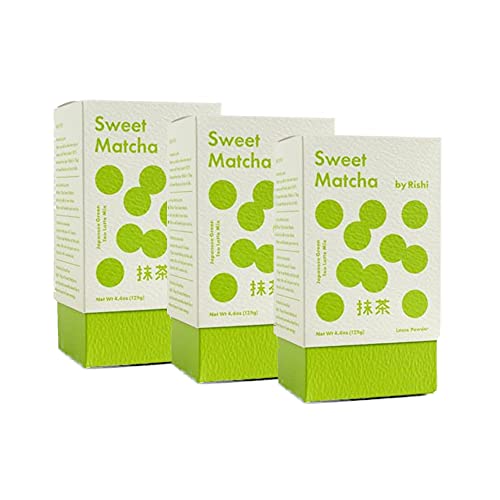
| Sweet & Convenient | Grade: Latte (sweetened matcha; consumer-grade for lattes) | Origin region (country / area): Japan (Japanese matcha; sourced via direct-trade) | Intended use: Matcha lattes / iced drinks / beverages | VIEW LATEST PRICE | Read Our Analysis |
| Jade Leaf Matcha Latte Mix Bundle (500g + 10ct) |

| Best for Lattes | Grade: Latte blend (cafe-style sweetened blend) | Origin region (country / area): Japan (Uji and Kagoshima regions) | Intended use: Hot or iced matcha lattes (at-home or on-the-go) | VIEW LATEST PRICE | Read Our Analysis |
| SOKYO Ceremonial Matcha Powder (Shizuoka 100g) |

| Refined Ceremony | Grade: Ceremonial | Origin region (country / area): Shizuoka, Japan | Intended use: Traditional/ceremonial preparation (also drinking) | VIEW LATEST PRICE | Read Our Analysis |
| Umami Leaf Organic Ceremonial Matcha (Uji Kyoto) |

| Traditional Premium | Grade: Ceremonial | Origin region (country / area): Uji, Kyoto, Japan | Intended use: Traditional ceremonies, lattes, smoothies, culinary uses | VIEW LATEST PRICE | Read Our Analysis |
More Details on Our Top Picks
OSULLOC Volcanic Isle Ceremonial Matcha Powder (40g)
Should you want a ceremonial matcha that feels both gentle and refined, OSULLOC Volcanic Isle is a great pick because it blends Jeju Island terroir with a smooth, low-bitterness profile made for lattes and calm mornings. You’ll notice a soft sweetness and velvety texture that makes each sip comforting. It’s shade-grown to enhance L-theanine, so you get focused energy without jitters. Grown in volcanic soil with ocean breezes, it carries subtle complexity and full traceability to OSULLOC’s organic fields. At 40 grams, this ceremonial Korean matcha fits mindful routines, helping you slow down and enjoy simple, peaceful moments.
- Grade:Ceremonial
- Origin region (country / area):Jeju Island, Korea
- Intended use:Matcha lattes / mindful mornings
- Formulation (additives / sweetness):Pure matcha (unsweetened)
- Packaging size / format:40 g (1.41 oz) tin/package
- Quality / certification claims:Full traceability; premium brand (OSULLOC)
- Additional Feature:Jeju volcanic terroir
- Additional Feature:Full traceability to fields
- Additional Feature:Shade-grown L-theanine boost
Rishi Sweet Matcha Green Tea Powder 3-Pack
Should you want a fuss-free matcha that tastes sweet right out of the bag, Rishi Sweet Matcha is a smart pick for daily lattes and iced drinks. You’ll like that it mixes sweet matcha with pure sugar cane so your drink tastes balanced without fuss. It dissolves easily in hot or cold milk, so you can make a latte, iced matcha, or matcha lemonade fast. The three 4.4 ounce tins each make about ten lattes, and the powder is Kosher, non GMO, and grown without harmful chemicals. Rishi uses direct trade partnerships to keep quality high.
- Grade:Latte (sweetened matcha; consumer-grade for lattes)
- Origin region (country / area):Japan (Japanese matcha; sourced via direct-trade)
- Intended use:Matcha lattes / iced drinks / beverages
- Formulation (additives / sweetness):Blended with pure sugar cane (sweetened)
- Packaging size / format:3 × 4.4 oz packs (three 4.4 oz containers)
- Quality / certification claims:Kosher certified; Non‑GMO; direct-trade sourcing
- Additional Feature:Pre-blended with cane sugar
- Additional Feature:Dissolves cold or hot
- Additional Feature:Direct-trade sourcing relationships
Jade Leaf Matcha Latte Mix Bundle (500g + 10ct)
Provided you love creamy, café-style matcha but want something quick and fuss-free, this Jade Leaf Matcha Latte Mix Bundle is made for you. You get a 500g canister plus ten single-serve stick packs, so you can stock your kitchen and grab a pouch for travel. It’s a sweetened, plant-based blend that works hot or iced, and it’s USDA Organic and Non-GMO. You’ll mix it with your favorite milk and whisk or shake for smooth, consistent lattes. Sourced from family farms in Uji and Kagoshima, it blends tradition with modern care, giving you reliable flavor and easy enjoyment.
- Grade:Latte blend (cafe-style sweetened blend)
- Origin region (country / area):Japan (Uji and Kagoshima regions)
- Intended use:Hot or iced matcha lattes (at-home or on-the-go)
- Formulation (additives / sweetness):Sweetened cafe-style blend (contains sweetener; plant-based)
- Packaging size / format:500 g canister + 10 single-serve sticks
- Quality / certification claims:USDA Organic; Non‑GMO; sourced from partner farms
- Additional Feature:Bulk canister + sticks
- Additional Feature:USDA Organic plant-based
- Additional Feature:Family-farm sourcing (Uji/Kagoshima)
SOKYO Ceremonial Matcha Powder (Shizuoka 100g)
Provided that you want a matcha that feels like a small luxury, SOKYO Ceremonial Matcha from Shizuoka is made for you. You’ll notice how shading the leaves enhances umami and sweetness, and how quick steaming locks in a floral fragrance. The mill grinds leaves into ultra fine powder, so your cup will be smooth and mellow. You can taste layered aroma nuances that come from both the field and the grinding process. Use it for quiet ceremonies or a calm morning ritual. It feels refined, balanced, and approachable, and it invites you to slow down and savor each sip.
- Grade:Ceremonial
- Origin region (country / area):Shizuoka, Japan
- Intended use:Traditional/ceremonial preparation (also drinking)
- Formulation (additives / sweetness):Pure matcha (unsweetened)
- Packaging size / format:100 g (3.52 oz) package
- Quality / certification claims:Ceremonial-grade craftsmanship; Shizuoka production methods
- Additional Feature:Rapid steaming preservation
- Additional Feature:Finely ground particle texture
- Additional Feature:Emphasis on aroma harmony
Umami Leaf Organic Ceremonial Matcha (Uji Kyoto)
Provided you want a ceremonial matcha that feels authentic and calm, Umami Leaf Organic from Uji, Kyoto is made for you, especially provided you value tradition and clean, strong flavor. You’ll feel the history in each scoop because this spring initial harvest comes from Uji fields that supplied imperial ceremonies for centuries. It’s shade-grown and hand-picked, so texture stays smooth and color stays lively. You’ll notice pure umami, balanced L-theanine and caffeine, and high antioxidants like EGCG. It’s USDA Organic, additive-free, and sealed in a premium tin. Use it for ceremonies, lattes, smoothies, or cooking with clear serving tips.
- Grade:Ceremonial
- Origin region (country / area):Uji, Kyoto, Japan
- Intended use:Traditional ceremonies, lattes, smoothies, culinary uses
- Formulation (additives / sweetness):Pure matcha (additive-free, organic)
- Packaging size / format:40 g (1.4 oz) sealed premium tin
- Quality / certification claims:USDA Organic certified; first-harvest ceremonial grade
- Additional Feature:First-harvest spring-picked
- Additional Feature:Sealed premium tin
- Additional Feature:High EGCG antioxidant content
Factors to Consider When Choosing Matcha Powders
When you select matcha, consider about where it’s grown and how that land shapes flavor and color. Also consider the grade and how you’ll use it because ceremonial, culinary, and everyday matcha suit different tastes, textures, and caffeine levels. Pay attention to tasting notes, vivid green hue, and the balance of caffeine and L-theanine so you get the energy and calm that fit your routine.
Origin & Terroir
Provided you care about flavor, start with where your matcha comes from and how the land shapes it. You’ll notice soil type matters. Volcanic soils give mineral depth, loamy soils offer balanced sweetness, and clay can add subtle umami. Next, consider microclimate. Higher altitude, cool nights, and nearby water slow growth. That raises chlorophyll and makes the tea greener and sweeter. Shade practices tie directly into terroir too. Longer shade raises L-theanine and deepens green color, cutting bitterness. Harvest timing also reflects place. Initially flush in a cool valley yields more amino acids, while later picks shift astringency and antioxidants. Finally, local water and quick steaming, drying, and storage lock in aroma. Together these factors shape the matcha you’ll love.
Grade & Intended Use
Should you want matcha that shines in a bowl or a blender, start by matching the grade to how you’ll use it. Ceremonial-grade comes from young, shade-grown leaves and is stone-ground for a vivid green color, delicate aroma, and smooth umami. Use it whenever you plan to whisk and sip, savoring calm, focused energy and a high L-theanine balance. Culinary-grade comes from later-harvested leaves with a coarser grind and stronger, slightly bitter notes. It works best in baking, smoothies, and recipes where matcha mixes with other ingredients. Premium or latte grades sit between them, made to dissolve well in milk and offer a sweeter, more balanced profile. Since labels vary, check color, aroma, texture, and package recommendations prior to buying.
Flavor Profile Notes
In case you want matcha that feels bright and balanced in your cup or recipe, pay close attention to flavor cues like color, aroma, and texture. You’ll notice ceremonial matcha often tastes sweet and umami rich because growers shade young leaves to enhance L-theanine. That produces a softer bitterness and a calmer finish, which you’ll enjoy while sipping straight. In contrast, culinary matcha leans grassy and astringent, so it stands up well in lattes, smoothies, and baked goods. Also check aroma and mouthfeel together. Fresh matcha can smell floral or slightly seaweedy and feel creamy on your tongue provided it’s finely milled. Should it smell hay-like or feel grainy, expect flat flavor and sharper bitterness that won’t please you.
Color & Appearance
Whenever you scoop matcha, the initial thing your eyes will tell you matters a lot. Look for a vivid emerald green. That bright shade usually indicates shade-grown leaves and high chlorophyll, so you’ll probably get fresher, sweeter notes. Check the powder itself. A fine, uniform texture with a gentle gloss signals careful grinding and minimal stems. In case it looks dull, yellow-green, or brownish, it could be older or lower grade. Open the container and scan for consistent color. No mottling or dark specks means it was well sifted and stays fresh. Whisk a sample and watch the color hold. In the event it turns gray or murky, oxidation or age likely crept in. Prefer opaque tins or foil pouches to protect that lively green.
Caffeine & L-Theanine
You’ve already learned to judge matcha according to its color and texture, and that same careful eye will help you choose for the way it makes you feel. Whenever you pick matcha, consider about caffeine and L-theanine together. Ceremonial-grade matcha comes from shade-grown leaves, so it often has more L-theanine and feels smoother and calmer than sun-grown teas. A typical 1–2 gram serving gives about 20–70 mg of caffeine, so decide how strong you like your energy. High-quality matcha can have 6–20 mg L-theanine per gram, which balances caffeine and cuts jittery feelings. Look for harvest and shading details and use a consistent scoop so you know what each cup will do for your focus and mood.
Organic & Certifications
Because the labels on matcha can tell you a lot about how it was grown and who benefited from the harvest, you’ll want to read them closely before you buy. Look for USDA Organic, EU Organic, or JAS to know no synthetic pesticides or nonorganic fertilizers were used. Those seals are third party verified, so they give you confidence about farming methods. Also check Non GMO Project should you care about seed genetics, though it won’t tell you about pesticides. Kosher and Halal help in case you follow dietary rules, but they don’t mean organic. For social and environmental standards, watch for Rainforest Alliance, Fair Trade, or direct trade claims. Finally, verify package seals with the certifier name and code plus a lot number or QR code to avoid counterfeits.
Additives & Sweeteners
Now that you know how certifications and labels tell you about farming and fairness, take a close look at what’s listed in the ingredient panel because additives and sweeteners change what you’re actually buying. Should you want pure ceremonial or culinary matcha, expect only ground green tea leaves. Many sweetened blends mix cane sugar, powdered milk, or stabilizers, so check grams of added sugar per serving to manage calories and taste. Ingredients like maltodextrin, soy lecithin, or starches help mixability and shelf life, but they dilute tea content and soften flavor. Were you to need vegan or allergen-free options, confirm no dairy or soy and look for clear allergen statements. For true caffeine and antioxidant levels, choose matcha without fillers so you get the real benefits.
Packaging & Shelf Life
At the time you select a matcha, consider how the package will protect the powder before you taste it. Choose opaque, airtight tins or vacuum-sealed pouches because matcha hates light, heat, and oxygen. That keeps bright color and fresh taste longer. Whenever you open a tin, put it in the coolest part of the refrigerator in an airtight container and plan to use it within 4 to 8 weeks for best flavor. In case you sip rarely, buy small formats or single-serve sachets to avoid repeated air exposure. Check date codes or packed on info and prefer recent production within a year. Suppose you must store matcha long term, seal it tightly and refrigerate or freeze, then let it warm sealed before opening to avoid condensation.
