

Funny how you reach for soup and find miso will change your whole week, and you’ll want to keep trying new jars. You’ll like a white miso for gentle soups and dressings, a red miso for deep braises, and a blended miso for everyday use, so you can switch confidently between sweet, savory, and bold flavors. Learn which brands suit fridge life, travel packs, and dietary needs as you build a practical miso stash.
| Shirakiku Miso Shiro (white) Soy Bean Paste 35.27-Ounce Bags (Pack of 2) |

| Best for Everyday Use | Product Type: White miso paste (soybean paste) | Net Weight / Quantity: 35.27 oz per bag (pack of 2) | Primary Ingredient: Soybeans | VIEW LATEST PRICE | Read Our Analysis |
| Chaganju Kyoto Handmade Miso Paste (300g) |

| Artisan Pick | Product Type: White miso paste (handmade, malted rice) | Net Weight / Quantity: 300 g (10.58 oz) | Primary Ingredient: Soybeans (with rice koji) | VIEW LATEST PRICE | Read Our Analysis |
| Kikkoman Instant Tofu Miso Soup (9 Pockets) |
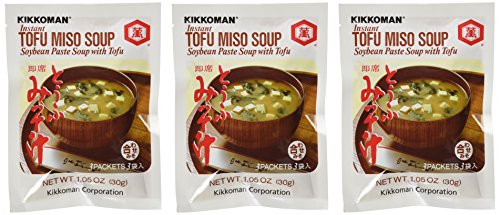
| Quick & Convenient | Product Type: Instant miso soup (white + red miso blend) | Net Weight / Quantity: 3.15 oz total (9 single-serve packets) | Primary Ingredient: Soybean-based miso (with tofu) | VIEW LATEST PRICE | Read Our Analysis |
| Roland Foods White Miso Paste Specialty Imported Food 35.2-Ounce Package |

| Restaurant-Quality | Product Type: White miso paste (imported) | Net Weight / Quantity: 35.2 oz | Primary Ingredient: Fermented soybeans | VIEW LATEST PRICE | Read Our Analysis |
| Yamasan Kyoto Uji Red Miso Paste (300g) |

| Flavorful & Traditional | Product Type: Red miso paste (malted rice / shinshu style) | Net Weight / Quantity: 300 g (10.58 oz) | Primary Ingredient: Soybeans (with rice koji) | VIEW LATEST PRICE | Read Our Analysis |
More Details on Our Top Picks
Shirakiku Miso Shiro (white) Soy Bean Paste 35.27-Ounce Bags (Pack of 2)
If you prefer a milder, slightly sweet miso that blends easily into dressings, sauces, and spreads, Shirakiku Miso Shiro is a great pick for home cooks and busy families. You’ll enjoy two 35.27 ounce bags, so you won’t run out quickly. This white miso is a thick, light beige paste made from soybeans through gentle fermentation, and it brings a sweet, mellow flavor to salads, mayo, and light sauces. Store it cool or refrigerate after opening and use clean utensils to keep it fresh. The pack dimensions and 2.06 kg weight make it easy to tuck into your pantry.
- Product Type:White miso paste (soybean paste)
- Net Weight / Quantity:35.27 oz per bag (pack of 2)
- Primary Ingredient:Soybeans
- Typical Uses:Sauces, spreads, dressings, mayonnaise
- Storage / Packaging Convenience:Large bag; refrigerate after opening recommended
- Flavor Profile / Taste:Sweeter, light (white miso)
- Additional Feature:Pack of two bags
- Additional Feature:Sweeter white variety
- Additional Feature:Refrigerate after opening
Chaganju Kyoto Handmade Miso Paste (300g)
Should you love simple, honest flavors and want a miso that feels lovingly made, Chaganju Kyoto Handmade Miso Paste is a great choice for home cooks who care about tradition and clean ingredients. You’ll notice the gentle sweetness from white miso aged over one year. It uses Ita malted rice koji made for over 40 hours, so much of the flavor comes from that careful process. Ingredients are simple and natural, non GMO, gluten free, with a touch of alcohol as preservative. The 300 g squeeze tube fits small fridges, yields about 20 cups of soup, and works well for dressings, marinades, and gifts.
- Product Type:White miso paste (handmade, malted rice)
- Net Weight / Quantity:300 g (10.58 oz)
- Primary Ingredient:Soybeans (with rice koji)
- Typical Uses:Miso soup, dressings, marinades, stir-fries
- Storage / Packaging Convenience:300 g squeeze tube – compact, one-hand use
- Flavor Profile / Taste:Mild, refined (white miso aged ~1 year)
- Additional Feature:Handmade in Kyoto
- Additional Feature:Tube squeeze packaging
- Additional Feature:Aged over 1 year
Kikkoman Instant Tofu Miso Soup (9 Pockets)
Should you want a fast, comforting bowl of miso that feels homemade even on busy days, Kikkoman Instant Tofu Miso Soup is a solid pick for travelers, office workers, and anyone who likes quick meals. You open a single-serve packet, pour it into a mug, and add 2/3 cup boiling water. The blend of white and red miso gives depth, while firm tofu adds bite and comfort. You get nine packets total, packaged as three packs of three, so you can stash them at work, in your bag, or in a drawer at home. It’s reliable, portable, and soothing.
- Product Type:Instant miso soup (white + red miso blend)
- Net Weight / Quantity:3.15 oz total (9 single-serve packets)
- Primary Ingredient:Soybean-based miso (with tofu)
- Typical Uses:Instant miso soup (single-serve)
- Storage / Packaging Convenience:Single-serve packets – portable, instant prep
- Flavor Profile / Taste:Balanced blend of white and red miso
- Additional Feature:Includes firm tofu
- Additional Feature:Single-serve packets
- Additional Feature:Ready in boiling water
Roland Foods White Miso Paste Specialty Imported Food 35.2-Ounce Package
Provided you want a gentle, easygoing miso that feels at home in both a busy kitchen and your dinner routine, Roland Foods White Miso Paste fits the bill. You’ll like its mild, sweet overtones and just a touch of saltiness that come from fermented soybeans imported from Japan. It arrives in a large 35.2 ounce package that works for home cooks and small food service needs. Use it in soups, marinades, dressings, or as a spread. To prepare, stir a few tablespoons into hot water or fold it into recipes. It’s versatile, simple, and reliably restaurant quality.
- Product Type:White miso paste (imported)
- Net Weight / Quantity:35.2 oz
- Primary Ingredient:Fermented soybeans
- Typical Uses:Soups, marinades, dressings, spreads
- Storage / Packaging Convenience:35.2 oz package – bulk/restaurant style
- Flavor Profile / Taste:Mild white miso with sweet and slightly salty notes
- Additional Feature:Imported from Japan
- Additional Feature:Restaurant-quality batch
- Additional Feature:Large 35.2 oz format
Yamasan Kyoto Uji Red Miso Paste (300g)
Should you love deep, savory flavors and want a miso that feels both traditional and easy to use, Yamasan Kyoto Uji Red Miso is a great pick for home cooks who care about quality. You get a 300 g squeezable tube of naturally fermented shinshu miso made with Akita soybeans and Koshihikari rice koji. It ages cold at Yatsugatake Brewery, using spring water and probiotic yeast for a rich, complex umami and inviting aroma. Use it in soup, dressings, marinades, dips, or stir fries. It stores neatly, yields about 20 cups of soup, and makes a thoughtful gift.
- Product Type:Red miso paste (malted rice / shinshu style)
- Net Weight / Quantity:300 g (10.58 oz)
- Primary Ingredient:Soybeans (with rice koji)
- Typical Uses:Miso soup, dressings, marinades, stir-fries
- Storage / Packaging Convenience:300 g squeeze tube – compact, no-mess portioning
- Flavor Profile / Taste:Deep umami, rich aroma (red/shinshu miso)
- Additional Feature:Fermented in Shinshu
- Additional Feature:Spring water sourced brewing
- Additional Feature:Squeezable tube packaging
Factors to Consider When Choosing Miso Pastes
As you’re choosing miso, consider primarily about flavor and intensity because that will shape every dish you make. Consider type and color together since white, red, and mixed miso usually signal different fermentation times and salt levels. Also pay attention to ingredient quality and salt content so you get a paste that’s safe, balanced, and true to your taste.
Flavor And Intensity
Should you want miso that sings in a soup or backs off politely in a salad dressing, pay attention to flavor and intensity. You’ll notice miso ranges from mild and sweet to strong and deeply savory. Short-fermented pastes taste softer and fruitier. Longer fermentation gives you bold, savory, sometimes sharp notes. The koji matters too. Rice koji usually makes miso sweeter and more delicate. More soybean brings earthier, umami-forward depth. Salt level changes how much you need. Higher salt makes miso assertive so you use less. Lower salt keeps dishes balanced and lets other flavors show. Color often hints at strength but don’t rely on it alone. Taste small amounts first and adjust gradually to find the right balance for each recipe.
Type And Color
Whenever you want miso that behaves predictably in the kitchen, start by looking at type and color, because those give immediate clues about flavor, salt, and how you should cook with it. Color ranges from white to yellow to red, and each shade tells you how the paste will act. White and yellow miso taste sweeter and milder, so you’ll add them near the end of cooking for dressings, light soups, and delicate fish. Red miso packs bold umami and saltiness, so you’ll use it for braises, stews, and marinades and cook it longer at higher heat. Recall regional styles and koji ratios make similar colors vary, so sample before you commit. Let color guide your choice, then adjust through testing small amounts in recipes.
Fermentation Time
Because aging changes so much about miso, paying attention to fermentation time helps you pick a paste that will behave the way you need, and it takes the guesswork out of recipes. Longer fermentation, measured in months to years, gives you darker color, deeper umami, and complex savory and earthy nuances. You’ll notice richer mouthfeel because free amino acids and peptides build up as miso ages. Shorter fermentation, from weeks to a few months, gives lighter color, sweeter milder taste, and bright koji aromas that suit gentler dishes. Fermentation also shifts salt perception so aged miso often tastes less overtly salty. Match time to use: long-fermented for sturdy marinades, braises, hearty soups; short-fermented for dressings, light soups, and spreads.
Ingredient Quality
Good ingredient quality makes the difference between a forgettable paste and one that lifts every dish, so start reading the label as you would a friend’s recommendation. Look initially at koji source and type because that choice drives most of miso’s flavor. Rice, barley, or soy koji and how long it was cultivated shapes aroma and depth. Next, check for pure ingredient lists: soybeans, koji grain and mold, salt, and water point to authenticity. Also read fermentation and aging notes since months or years change umami and color. Take into account production method because unheated, traditionally fermented miso keeps live enzymes and probiotics. Finally, verify non GMO and additive free claims and watch for small amounts of alcohol or preservatives that affect diet choices.
Salt Content Levels
Salt level matters a lot whenever you pick a miso paste, so read labels and consider about how you’ll use it. You’ll see miso salt between about 5% and 12% by weight. Lighter white miso sits near the low end. Darker red miso sits near the high end. Higher salt slows fermentation and brings bolder umami and briny notes, so you’ll want to cut added salt in recipes when you use aged or red miso. Lower salt ferments faster and tastes sweeter and milder, which suits dressings and gentle sauces. In case you watch sodium, check nutrition panels for 300 to 900 mg per tablespoon and adjust portions or dilute. For soups and dressings, mix high salt with stock or water and taste as you go.
Packaging And Size
Consider about how often you use miso and pick a package size that fits your rhythm, not just your cupboard. In case you cook miso now and then, small tubes around 300 g or single-serve packets keep paste fresh and cut waste. In the event you make soups, marinades, or batches of sauces often, a 1 kg tub or larger saves trips to the store and feels reassuring on busy nights. Look for airtight, resealable containers or squeeze tubes to reduce air exposure and extend life after opening. Also check opaque, moisture-resistant packaging and sturdy closures so light and humidity don’t dull flavor. Finally, remember net weight and package dimensions in case fridge or luggage space matters, since size affects storage and travel ease.
Dietary Considerations
Now that you’ve thought about package size and storage, you’ll want to match the miso itself to your dietary needs. Check the sodium per serving since miso ranges widely, often 600 to 1,200 mg per tablespoon, so pick lower sodium should you watch salt. Look for labels like non GMO, no MSG, or no additives whenever you desire simple, clean ingredients. In case you need gluten free, choose certified gluten free or rice koji based miso because barley or wheat koji contain gluten. Also check for alcohol used as a preservative provided you avoid alcohol for dietary or religious reasons. Finally, in the event you want probiotics, opt for unpasteurized or traditionally fermented miso to retain live enzymes and microbes.
Culinary Applications
As you select a miso for cooking, consider the dish and how bold you want the flavor to be. Should you want gentle sweetness and subtle umami, choose white shiro miso for light soups, dressings, mayonnaise-style spreads, and glazing white fish or vegetables. Whenever you need depth and sturdiness, pick red aka miso for hearty soups, braises, sturdy marinades, and stews that simmer a long time. For everyday work, reach for awase mixed miso because it balances saltiness and complexity and adapts to sauces and stir-fries. Don’t forget to add miso near the end of cooking. To start, dissolve it in warm broth to protect delicate aromas and live enzymes. Watch concentration too; use about 10 to 20 g per cup for soup and more for glazes and marinades.
