

A toddler who refuses vegetables may also resist a new supplement, making age and format more important than the ingredient count. The six options below range from liquid drops for infants and toddlers to gummies intended for children age 4 and up, with a toddler-labeled First Day option as well. The right fit depends on your child’s stage, dietary routine, and your child’s willingness to take vitamins by dropper or spoon.
A Snapshot Of The Selections

Enfamil Poly-Vi-Sol 8 Multivitamin & Iron Drops, 50 mL

ChildLife Multivitamin & Mineral
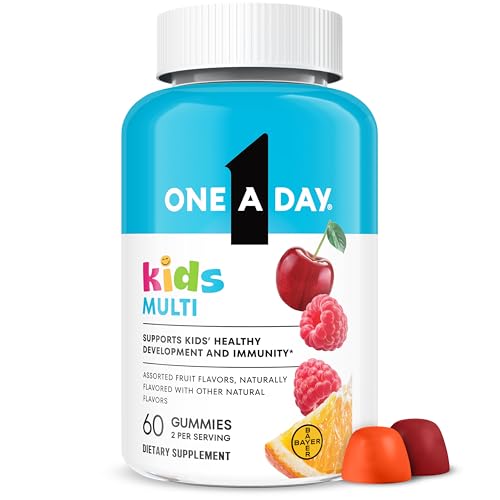
One A Day Kids Multivitamin Gummies, 60ct

One A Day Kids Multivitamin with Iron Gummies, Cherry, 60ct

NaturesPlus Animal Parade Chewable Multivitamin, 180 Tablets

First Day Kids Multivitamin Gummies
A Closer Look At Each Pick
Getting a toddler to accept a new supplement often comes down to the delivery method. Enfamil Poly-Vi-Sol 8 uses a liquid dropper, so the liquid can go directly into the mouth or be mixed with breast milk, formula, juice, or cereal, which may help with acceptance during the move toward solid foods.
Unlike the gummy choices later in this list, this formula is made for infants and toddlers and includes iron alongside eight vitamins. That makes it a more age-relevant starting point for a younger child, although you should confirm the label and your child’s nutritional needs with the child’s pediatrician before adding it to a routine.
What Helps Most
- The dropper gives caregivers control over a small, direct application without preparing a larger serving.
- Mixing the liquid into formula, cereal, or another familiar food can reduce resistance during meals.
- Eight vitamins and iron provide a broad foundation for infants and toddlers.
- The formula contains no artificial colors or artificial flavors and is gluten-free.
Practical Considerations
- A dropper requires careful handling, so a stable surface and a tight grip matter during busy feedings.
- The 50 mL bottle may need regular wiping around the opening because the contents are used through the dropper.
Quick Facts
Who It Suits Best
This formula fits parents of infants and toddlers who need an age-relevant liquid format and want the flexibility to administer it directly or through familiar food.
Where Another Pick Suits Better
ChildLife Multivitamin & Mineral offers a broader age range and includes trace minerals, making it more practical for families serving children at different stages.
ChildLife takes a broader approach than Enfamil Poly-Vi-Sol, pairing 12 vitamins with primary trace minerals in a mango-flavored liquid. Its labeling extends from infants through teenagers, so the same shelf can suit a household with children at different developmental stages.
For a toddler, the liquid format remains easy to administer by spoon or through a familiar food, assuming your child accepts the flavor. The 8 fl oz bottle gives you more volume than a small dropper bottle, which may be convenient for a family using it across several children.
Practical Pluses
- Twelve vitamins provide a wider nutrient profile than the eight-vitamin Enfamil formula.
- Primary trace minerals round out the formulation for a broader nutritional foundation.
- The liquid format works well for younger children who cannot comfortably chew tablets or gummies.
- The age range covers infants, toddlers, and older children, reducing the need for separate household formats.
- It is made with non-GMO ingredients and without artificial flavors, colors, or preservatives.
Points To Note
- The 8 fl oz bottle needs more storage space than a compact dropper bottle.
- Its broad age positioning makes the age-specific label directions especially important for younger children.
- Mango flavor may not suit a child who avoids flavored liquids, even though it has no artificial flavoring.
The Main Details
Made For
This liquid fits families seeking one age-flexible supplement for children from toddlerhood through adolescence, particularly when gummies are not yet appropriate.
Consider Something Else When
Enfamil Poly-Vi-Sol 8 is the closer fit for a family focused specifically on infants and young toddlers who prefer a small dropper bottle.
A gummy can solve the “no spoons today” problem, but the age label matters more than the format. One A Day Kids Multivitamin Gummies is intended for children age 4 and up, placing it beyond the usual toddler range represented by the liquid picks in this list.
Once a child reaches the listed age, the assortment of orange, raspberry, and cherry flavors gives you more choices than a single-flavor bottle. The formulation includes vitamins C, D, E, B6, and B12 plus zinc, all positioned for general nutritional support in the label’s stated age group.
What Stands Out
- Three fruit flavors make it easier to find a variety that a child will accept.
- The chewy format removes liquid measuring and food mixing from the routine.
- It is made without artificial sweeteners, artificial flavors, or high fructose corn syrup.
- The formulation covers several vitamins and zinc in a child-oriented gummy.
Where It May Fall Short
- The age 4+ label makes this unsuitable for most toddlers, regardless of how appealing the flavors sound.
- The 60-count bottle represents a larger commitment than a short toddler-labeled option.
Best Suited To
This gummy fits parents of children age 4 and up who want a fruity chewable format and a broader flavor assortment.
A Better Fit Elsewhere
First Day Kids Multivitamin Gummies offers a toddler-labeled variation, making it a more relevant choice for a child below the One A Day age guidance.
Where One A Day Kids Multivitamin Gummies covers a general vitamin profile, this cherry-flavored version adds iron to a similar child-focused format. That distinction matters for families specifically comparing whether iron belongs in their child’s supplement routine, a decision best discussed with the child’s pediatrician.
The gummy itself remains easy to chew and more familiar to many older children than a spooned liquid. It carries the same age 4+ positioning, so it belongs with the school-age choices rather than the toddler drops at the beginning of this roundup.
Features That Help
- Iron provides a clear difference from the standard One A Day Kids Multivitamin Gummies.
- Ten essential nutrients create a broad foundation for a child’s daily food intake.
- Vitamin D appears in the formulation, along with vitamins C, E, B6, and B12 plus zinc.
- Natural cherry flavor gives families an alternative to the assorted fruit options in the standard gummy.
Details To Watch
- Iron is not a neutral addition for every child, so the pediatrician’s input is important before adding it.
- The age 4+ guidance keeps this outside the typical toddler category.
Feature Breakdown
Who Will Love This
This gummy fits parents of children age 4 and up who want a cherry-flavored multivitamin with iron and a broad nutrient profile.
Another Choice May Suit
One A Day Kids Multivitamin Gummies fits better for an older child who wants assorted fruit flavors and does not need the added iron.
Animal-shaped tablets turn a routine multivitamin into something a child may want to inspect before eating. NaturesPlus Animal Parade also offers cherry, orange, and grape flavors, which gives it a more playful identity than the One A Day gummies and a more familiar solid format than the liquid drops.
The formula includes 16 vitamins, eight minerals, and whole-food ingredients such as spirulina, carrot, broccoli, brown rice, and spinach. The 180-tablet bottle provides 90 servings, making its visual appeal and substantial container the main reasons to shortlist it for a child who responds well to novelty.
Notable Upsides
- Animal shapes add a playful element that can encourage a child to participate in the routine.
- Three natural flavor choices give children some variety between similar-looking tablets.
- The formula combines 16 vitamins, eight minerals, and several whole-food ingredients.
- The tablets are vegetarian and gluten-free, with no artificial colors or flavors.
Some Limits To Know
- Check the age guidance on the label before offering a chewable tablet to a toddler.
- The solid format may be less manageable for a very young child who is still developing the ability to chew supplements properly.
The Right Fit
This option fits families with an older child who finds animal-shaped tablets and assorted fruit flavors more appealing than a dropper or gummy.
Where A Sibling Pick Shines
ChildLife Multivitamin & Mineral is the stronger fit for the youngest children because its liquid format is explicitly positioned for infants and toddlers.
First Day narrows the gummy approach for families comparing age-specific choices. Its product family includes toddler, kids, and teen options, and the multivitamin gummies contain a blend made with organic fruits and vegetables, giving the formulation a more food-based angle than the One A Day choices.
The 60-count bottle is the version shown here, while the product family also includes 30-day toddler and kids supplies alongside longer options. The important choice is the age label on the selected variation, not simply the First Day name on the bottle.
Well-Handled Touches
- A toddler-labeled variation gives young children an option that the age 4+ One A Day gummies do not offer.
- The organic fruit and vegetable blend adds recognizable food ingredients to the gummy formulation.
- The gummy format offers an alternative to liquid drops for families avoiding spoon-led routines.
- Kids, teen, and toddler options make the range useful for more than one child in a household.
Factors To Consider
- Select the toddler variation carefully because the main product name refers broadly to kids.
- Check the full nutrient panel to confirm that the formula matches your child’s dietary needs.
- The different 30-day and 60-day supplies may create unnecessary stock for a family with one child.
Core Features
Swap It Out When
First Day fits a household seeking a gummy with toddler labeling, while Enfamil Poly-Vi-Sol 8 suits parents focused on a compact dropper for the youngest stage.
Consider Something Else When
ChildLife Multivitamin & Mineral is a practical alternative for families wanting a liquid that spans infancy through the teenage years.
What Actually Matters For A Toddler’s Supplement
Age Comes First
The age label narrows the decision faster than any marketing language. Enfamil Poly-Vi-Sol 8 is made for infants and toddlers, ChildLife spans infants through teenagers, and First Day offers a toddler variation. The One A Day gummies and NaturesPlus Animal Parade begin with children who are ready for solid supplements, so a toddler may need a different format.
A pediatrician can help you decide whether a supplement fits your child’s diet and current stage. This is especially useful before starting a product with iron, since the appropriate choice depends on the child’s age, dietary pattern, and professional guidance.
Format Determines Acceptance
Drops give you direct application or the option to mix the liquid into formula, cereal, or another familiar food. That flexibility is valuable during a stage when a new flavor or texture may trigger resistance. Liquid also avoids the chewing requirement that comes with tablets and gummies.
Once a child is old enough for the labeled format, taste and visual appeal become more useful decision points. Fruit-flavored gummies may disappear more readily than plain tablets, while animal shapes can make a chewable multivitamin feel less like medicine.
Read The Nutrient Panel Together
Iron creates the clearest difference among several choices. Enfamil Poly-Vi-Sol 8 includes iron with eight vitamins, while the One A Day with Iron Gummy combines iron with a broader set of nutrients intended for children age 4 and up. ChildLife takes another approach with 12 vitamins and primary trace minerals.
Compare the complete panels rather than counting headline nutrients alone. A larger number does not automatically make a formula better for your child, and similar products can be distinguished by age range, format, allergies, and whether your child will realistically use the product consistently.
Two Details Easy To Overlook
Mistakes Worth Dodging
A flavor a child likes at the store may be refused at home, so consider acceptance as carefully as the nutrient panel. Gummy age labels also deserve close attention, because a popular flavor does not make an age 4+ formula appropriate for a toddler.
What The Higher Tier Buys
A higher-priced option may add a wider nutrient profile, a more specialized formulation, or a format designed for a particular age. The extra cost is worthwhile only when that feature matches your child’s stage and your family will use the product consistently.
Frequently Asked Questions
Do Toddlers Need A Multivitamin?
Not every toddler needs one, because nutritional needs vary with diet, development, and medical guidance. A pediatrician can assess whether a supplement fills a meaningful gap in your child’s food intake.
Which Options Are Made For Toddlers?
Enfamil Poly-Vi-Sol 8 is specifically positioned for infants and toddlers, while ChildLife includes toddlers within its broader age range. First Day also offers a toddler-labeled gummy variation.
Can Toddlers Take Kids Multivitamin Gummies?
Most of the gummy choices in this roundup are labeled for children age 4 and up, so they do not fit a typical toddler. Check the age guidance and ask your child’s pediatrician before using a product intended for an older child.
Why Is A Liquid Easier For Younger Children?
A liquid can be placed directly into the mouth or mixed into formula, juice, cereal, or another familiar food. It also avoids asking a young child to chew a tablet or gummy.
Can A Child Use More Than One Multivitamin?
Using two products can lead to overlapping nutrient intake, especially with iron. Ask your child’s pediatrician to review the labels before combining supplements.
Final Verdict
For toddlers, age guidance and format should lead your decision. Enfamil Poly-Vi-Sol 8 stands out for dropper delivery, ChildLife offers a broad liquid range, and First Day supplies a toddler-labeled gummy option. Older children may find the One A Day gummies or Animal Parade tablets easier to accept, making the child’s stage the most useful place to start.
