

A nursing student rounds through a busy clinical unit with a stethoscope hanging around the neck, then heads to the simulation lab after a full shift. Your instrument needs clear sound transmission, a comfortable seal, and a design that survives daily handling without getting in your way. These seven options cover everything from lightweight training tools to refined clinical models, with color, tubing, chestpiece design, and patient range as your main decision points.
The Lineup, Simplified

ADC Adscope 615 AFD Stethoscope

Littmann Cardiology IV 6177C
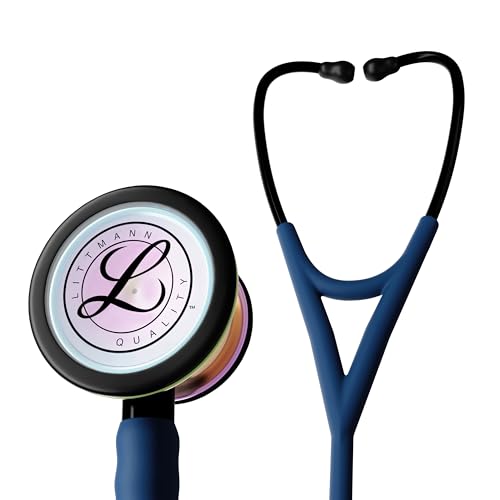
Littmann Cardiology IV 6242C

Littmann Cardiology IV 6159C

Svaha Pro Single-Head Stethoscope

3M Littmann Cardiology IV 6234 Caribbean Blue 27-Inch Tube Smoke Headset

3M Littmann Cardiology IV 6205 Plum Tube 27-Inch Rainbow-Finish Chestpiece
A Deeper Look At The Lineup
A stethoscope becomes more useful when you can change how it responds without swapping chestpieces. The ADC Adscope 615 uses adjustable-frequency design, meaning light pressure emphasizes lower-frequency sounds while firmer pressure brings out higher ones. That makes it a practical fit for nursing students moving between heart, lung, and abdominal assessments.
Its oversized chestpiece, the circular component placed against the body, is machined from lightweight alloy rather than a heavier metal. Compared with the dual-sided Littmann models later in this list, the ADC takes a different approach: one side changes response according to pressure. The 30-inch length, 5.4-ounce weight, and included pouch make it easy to carry between classroom and clinical shifts.
Practical Pluses
- Pressure adjustment gives you one chestpiece for a wider range of listening needs.
- The alloy construction keeps the 5.4-ounce instrument manageable during long rounds.
- Silicone-reinforced tubing and snap-on eartips support a steady fit and seal.
- Two spare eartip pairs, a storage pouch, and an identification tag cover common care and handling needs.
Worth Noting
- The 30-inch tubing is longer than the 27-inch Littmann models, so check how it sits inside a uniform pocket.
- Its pressure-based control takes practice, making light pressure a useful first adjustment during instruction.
Made For
You benefit most from this model as a nursing student who wants one responsive chestpiece for varied clinical lessons.
Where Another Pick Suits Better
The Littmann Cardiology IV 6242C suits nurses who prefer explicit bell and diaphragm modes plus flexible satin tubing.
Your clinical rotations can expose you to adults and pediatric patients, so the Littmann Cardiology IV 6177C offers a dual-sided stainless steel chestpiece for both bell and diaphragm listening. “Tunable” means the pressure response can be adjusted, while the larger chestpiece and deeper bell are designed to make subtle sounds easier to distinguish.
Unlike the ADC Adscope 615’s pressure-responsive one-sided design, this model gives you separate bell and diaphragm sides. The satin tubing resists scratches, reduces hair and clothing adhesion, and folds for pocket storage. It feels like a refined step up for nurses who plan to use one instrument across changing clinical assignments.
Bright Spots
- The deeper bell supports listening for lower-frequency heart sounds.
- Dual-sided construction accommodates adult and pediatric assessments.
- Flexible satin tubing stays compact in a pocket and wipes clean easily.
- Soft-sealing eartips improve comfort while limiting outside noise.
Practical Considerations
- Its dual-sided design carries more structure than the lighter Svaha Pro, which may matter during long training days.
- Check the black tube against your uniform because dark finishes show wear more readily than a concealed accessory.
Key Specs
Right Fit For
You get the most benefit across adult and pediatric units where clear low-frequency sound pickup matters.
Consider Something Else When
The Svaha Pro Single-Head Stethoscope better serves students seeking a lighter zinc-alloy design for skills practice.
Comfort becomes important when your stethoscope remains around your neck through a full shift. The Littmann Cardiology IV 6242C uses satin-coated tubing that bends easily, discourages fabric and hair from catching, and folds into a pocket. For students rotating through crowded units, that flexibility keeps the instrument manageable without changing its core acoustic design.
This navy version shares the deeper bell, larger chestpiece, and tunable dual-sided construction of the 6177C. The meaningful difference is the color, which gives you a more traditional professional look than the rose-pink 6159C. The sound performance remains the deciding factor, and that makes this model a sensible balanced option for routine nursing work.
Why It Works Well
- Soft, flexible tubing sits comfortably during extended wear.
- The deep bell is intended to clarify lower-frequency heart sounds.
- Separate bell and diaphragm sides serve different listening needs.
- Adult and pediatric use makes it adaptable across assignments.
Minor Gripes
- It carries the same substantial clinical construction as the 6177C rather than the reduced weight of a training scope.
- The navy finish may be difficult to distinguish from other dark accessories in a crowded bag.
Who Will Love This
You will appreciate this model during long shifts where tubing flexibility, patient comfort, and dependable acoustic tuning take priority.
A Better Fit Elsewhere
The Littmann Cardiology IV 6159C fits you better when color personalization matters as much as acoustic performance.
A rose-pink tube gives your clinical gear a personal touch without changing the working architecture. The Littmann Cardiology IV 6159C retains the deep bell, larger stainless steel chestpiece, and tunable dual-sided design found in the navy 6242C. You still get separate bell and diaphragm modes for patient assessments, but the color becomes easier to spot in your bag.
The satin tubing remains flexible, scratch resistant, and easy to clean, which matters more than color during repeated daily use. Soft-sealing eartips help maintain an acoustic seal, and the non-chill bell sleeve avoids transferring a cold metal surface to patients. For a nurse who wants practical performance with a less conventional appearance, this is a refreshingly distinct choice.
Strengths Worth Knowing
- Rose-pink tubing adds personality while preserving the established Cardiology IV layout.
- The deeper bell is designed for quieter, lower-frequency heart sounds.
- The flexible satin tube folds neatly into a pocket between shifts.
- Non-chill bell sleeves improve comfort during direct patient contact.
Points To Note
- Choose a more neutral finish when a subdued clinical appearance is part of your workplace dress code.
- The model retains the larger construction shared with the 6177C and 6242C.
Quick Facts
Best Suited To
You suit this model when you want clinical capability with a color that feels personal rather than institutional.
Another Choice May Suit
The Littmann Cardiology IV 6242C suits you better when navy tubing aligns more closely with your professional wardrobe.
The Svaha Pro is built around a single-head chestpiece, which keeps the design light and straightforward for nursing labs. A diaphragm is the vibration-sensitive membrane that transfers body sounds through the tubing, and this high-sensitivity version is intended for heart, lung, bowel, and routine blood-pressure listening. That makes it a practical training companion rather than a two-sided specialist instrument.
Compared with the heavier stainless steel Littmann Cardiology IV models, the Svaha uses a zinc alloy chestpiece and carries a lighter profile for classes, skills labs, and patient rounds. The purple tube adds visual character, while silicone eartips help create a snug seal that limits distracting outside noise. For students building basic familiarity, the straightforward layout reduces unnecessary adjustment.
Advantages To Know
- The lightweight body suits repeated movement between classrooms and clinical units.
- One diaphragm supports cardiac, pulmonary, gastrointestinal, and blood-pressure listening.
- Soft silicone eartips promote a comfortable, noise-isolating seal.
- Spare eartips, a replacement diaphragm, and an identification tag support continued use.
Less Ideal Details
- A single head offers less physical versatility than the Littmann models’ separate bell and diaphragm sides.
- Check your training program’s requirements before relying on a single-head design for a specific clinical skill.
Feature Snapshot
Built With In Mind
You benefit most as a nursing or medical student who values portability, simple operation, and training-focused accessories.
Reach For A Different Pick When
The ADC Adscope 615 AFD Stethoscope better serves you when a single pressure-responsive chestpiece offers useful versatility.
Critical-care settings place a premium on picking out subtle changes in patient status. The 3M Littmann Cardiology IV 6234 is positioned for that demanding environment, with an acoustic comparison placing it at more than twice the loudness of the next leading comparable scope. Its stainless steel chestpiece and smoke-finish headset give you a professional instrument for emergency departments, intensive care, and step-down units.
The 27-inch Caribbean Blue tube is shorter than the ADC Adscope 615’s 30-inch length, which can make pocket storage more manageable. The mirror stem and smoke headset create a coordinated finish, while the 6234 model number gives you a distinct option from the satin-coated 6177C. For nurses moving into high-acuity settings, the emphasis on clear sound transmission makes sense.
Real-World Strengths
- High-loudness positioning supports listening in noisy, fast-moving clinical spaces.
- The 27-inch tube offers a compact alternative to longer full-length scopes.
- Stainless steel construction creates a polished appearance for professional settings.
- Caribbean Blue tubing is easier to spot than black or navy in a work bag.
Things To Weigh
- Check that the 27-inch length reaches comfortably from your neck to typical listening positions.
- The bright blue finish may be less suitable for highly conservative dress settings.
At A Glance
The Right Fit
You suit this model as a nurse working in critical-care or step-down environments where sound clarity and compact handling matter.
Where A Sibling Pick Shines
The 3M Littmann Cardiology IV 6205 suits you better when a plum tube and rainbow-finish chestpiece better match your preferred style.
The 3M Littmann Cardiology IV 6205 brings personality to a clinical instrument without surrendering the high-loudness design used in critical care. Its stainless steel chestpiece carries a rainbow finish, paired with a 27-inch plum tube, violet stem, and black headset. That combination is more expressive than the coordinated Caribbean Blue 6234, yet the core emphasis remains subtle sound pickup.
The 27-inch length gives you a compact profile for carrying between units, and the listed construction is described as weighing less than comparable stethoscopes. For a nurse who spends time in emergency or intensive-care settings, those attributes offer a practical balance between portability and acoustic performance. Your personal style still gets a meaningful say through the finish combination.
Good Reasons To Consider
- High-loudness positioning supports challenging clinical listening environments.
- The compact 27-inch tube reduces bulk during rounds and transitions.
- Rainbow-finish metal, plum tubing, and a violet stem create a distinctive finish.
- The lighter construction is useful during extended clinical schedules.
Where It May Fall Short
- Colorful finishes may not suit workplaces that favor understated equipment.
- Confirm that a 27-inch tube provides your preferred reach before making the final selection.
The Numbers That Matter
Whose Shelf It Belongs On
You benefit most as a clinical professional who wants strong sound pickup, compact handling, and an expressive finish.
Swap It Out When
The Littmann Cardiology IV 6177C suits you better when subtle black tubing and a conventional professional appearance matter more.
What Matters Before You Buy a Nursing Stethoscope
Start With Your Clinical Tasks
Your daily workload should determine the chestpiece design. A single-head diaphragm keeps training simple, while a dual-sided model gives you separate bell and diaphragm modes. Nurses moving between adult and pediatric assignments benefit from a chestpiece designed for both.
Think About Pressure and Frequency Response
Tunable and pressure-responsive designs change the sound response according to how firmly you press the chestpiece. Light pressure favors lower frequencies, while firmer pressure emphasizes higher ones. Practice this adjustment with your instructor so you can return to a useful baseline quickly.
Check Length, Weight, and Pocket Fit
A stethoscope that feels comfortable in the lab may sit differently after a full shift. Compare the 27-inch and 30-inch models against your uniform pockets, then consider the listed weight during long rounds. Flexible satin tubing also changes how neatly the instrument folds.
Look Beyond Color
Tube and finish choices affect visibility and personal style, but they should come after sound design and comfort. A darker model may coordinate with your uniform, while a brighter one is easier to locate in a crowded bag. Choose the appearance you will be happy carrying every day.
Details That Matter Before Checkout
Wrong Turns To Avoid
Do not choose by color alone, and do not assume every single-head scope suits every clinical task. Check your program’s requirements, tubing length, and intended patient range first. Personalization works best after the core instrument meets your needs.
What Separates Premium From Basic
Higher-tier scopes commonly add deeper bells, larger chestpieces, flexible tubing, and soft-sealing eartips. The extra cost is more useful when you rely on subtle sounds across different units, while a training-focused scope may serve early labs and routine practice.
Frequently Asked Questions
What type of stethoscope is best for nursing school?
A dual-sided stethoscope offers the most flexibility for adult and pediatric rotations, while a lightweight single-head model can be easier for early practice. Your program’s skills requirements should guide the final decision.
Is a Littmann Cardiology IV suitable for nursing students?
Yes, the Cardiology IV supports adult and pediatric listening with separate bell and diaphragm sides. Its larger chestpiece, deep bell, flexible tubing, and soft-sealing eartips suit students preparing for varied clinical assignments.
Are single-head stethoscopes less useful?
Single-head scopes focus on one diaphragm and can handle routine cardiac, pulmonary, and abdominal listening. Dual-sided models offer an additional bell mode, which may help when you need distinct low- and high-frequency responses.
How should a stethoscope fit in a pocket?
You should be able to fold the tubing without straining the eartips or chestpiece, then carry it without a sharp bend. The 27-inch Littmann models and flexible satin options generally favor compact storage.
What features matter most during nursing school?
Your priorities should include comfortable eartips, a secure acoustic seal, manageable weight, a chestpiece suited to your assignments, and tubing that does not snag on clothing. These details matter more than a decorative finish during long clinical days.
The Takeaway
Your ideal nursing stethoscope depends on where your skills will take you. The ADC Adscope 615 and Svaha Pro prioritize responsive or lightweight single-head designs, while the Littmann Cardiology IV models add dual-sided versatility, deeper bells, and flexible satin tubing for broader clinical use. Match the instrument to your patient range, pocket routine, and program expectations, then choose the finish that feels comfortable beside your uniform.
