

A first open cup often begins with more splashes than sips. You need a cup that feels comfortable in tiny hands, suits your baby’s drinking stage, and makes mealtime practice manageable. The right choice may be an open cup, a removable-lid straw cup, or a spill-resistant design for a more active toddler.
The seven options below cover everything from a 2 oz beginner cup to a 10 oz toddler cup. You’ll also find a compact stainless steel masher that helps prepare small, textured servings to drink from an open cup.
A Side-By-Side Look

The 730 Project Honey Bear Cups 3-Pack

Avanchy Baby & Toddler Straw Cup 5 oz

SAMiGO Silicone Baby Open Cup 2-Pack
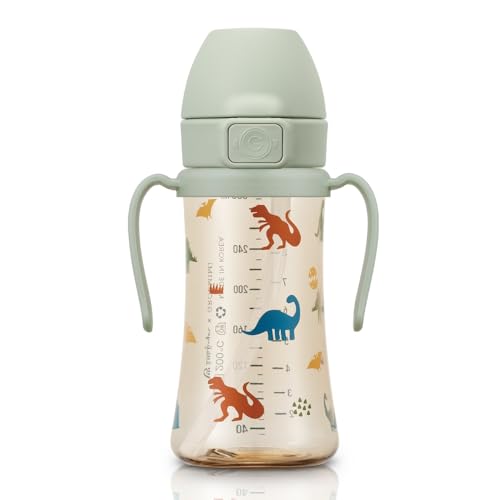
GROSMIMI PPSU Stage 2 Straw Cup 10oz

The 730 Project Mighty Masher Stainless Steel

GROSMIMI PPSU Stage 2 Straw Cup 6oz

321 Grow Drink with Me Cup Set, 2 Silicone Aqua Cups
More Details On Our Top Picks
The bear-shaped cup gives babies a friendly way to begin straw practice without moving straight to a conventional sippy cup. Its soft, squeezable body suits small hands, while the 8 oz capacity gives you room for water, milk, juice, or smoothies during meals and travel.
Unlike the open cups later in this list, this design keeps the straw in place, which can make early practice more predictable. The 3-pack and six straws are useful for daycare, grandparents, and scattered household routines, although you may find the set takes up more cabinet space than a single cup.
Noteworthy Benefits
- The integrated lid avoids a separate cap that could create a loose choking hazard.
- A tight straw connection makes the lid easier for a child to use consistently.
- The squeeze bottle gives babies some control over how quickly the drink moves.
- Three cups suit homes, childcare spaces, and travel bags.
- Dishwasher-safe parts simplify cleanup after juice or milk.
Small Caveats
- It teaches straw drinking rather than true open-cup drinking.
- The included cleaning tool helps with narrow straw interiors, but you still need to wash every component thoroughly.
Key Specs
Who It Suits Best
This set suits parents introducing a baby to straw drinking around 4 months who value a soft, spill-resistant option for home or travel.
Where Another Pick Suits Better
The SAMiGO Silicone Baby Open Cup 2-Pack is the better fit for a baby specifically practicing drinking without a straw.
Avanchy handles a transition that many families underestimate: moving from a straw to an open rim. You can begin with the silicone straw lid, then remove both the lid and straw as your toddler develops more control, keeping the same cup in the meal rotation.
At 5 oz, this cup offers more room than a tiny 2 oz training cup but remains manageable for a baby’s hands. Compared with The 730 Project Honey Bear Cups 3-Pack, it offers less spill resistance, yet its removable design better matches a deliberate move toward open drinking.
Positive Points
- The removable straw and lid create a straightforward two-stage drinking path.
- Food-grade silicone gives the rim and straw a soft feel for developing mouths.
- The 5 oz size works for water and small portions during family meals.
- All three pieces can go in the dishwasher after meals.
Practical Considerations
- Once the lid comes off, spills become part of open-cup practice rather than being contained.
- The compact size may need refilling during longer drinks.
Quick Facts
Built With In Mind
This cup suits families that want one training vessel to move from assisted straw sips to independent open-cup drinking.
Consider Something Else When
GROSMIMI PPSU Stage 2 Straw Cup 10oz makes more sense for an active toddler who still needs a sealed straw and a larger drink.
A 2 oz cup may look disappointingly small beside an adult mug, but that modest amount suits a beginner who needs to control the tilt and pace. The tapered shape directs the liquid toward the mouth, while the weighted base helps the cup remain in place during early attempts.
This is the most direct open-cup training design in the group, without a lid or straw to distract from rim practice. The 2-pack also gives you a spare, though two very small cups may offer less capacity than a toddler needs later.
Advantages To Know
- The 2 oz capacity reduces the amount of drink lost in a single tip-over.
- A weighted base improves stability without locking the cup upright.
- The narrower opening helps guide liquid toward developing mouths.
- Soft silicone and a smooth rim suit early drinking practice.
- Two cups cover home and daycare use.
Trade Offs
- Open drinking still produces spills while your baby learns the motion.
- The small capacity requires refills more often than the 5 oz and 8 oz options.
- The two-pack provides less practical use than a larger toddler cup.
The Right Fit
This pair suits parents introducing an open cup to a baby between 6 and 12 months who is still learning a controlled sip.
A Better Fit Elsewhere
321 Grow Drink with Me Cup Set, 2 Silicone Aqua Cups offers more capacity and two ribbed grips for a child moving into larger open-cup practice.
This 10 oz straw cup is built for a toddler who has outgrown a tiny training vessel. PPSU, a heat-resistant polymer used throughout the drinking path, pairs with food-grade silicone, while the cross-cut straw and flip-top lid help limit leaks during carrying and tipping.
The rotating handles are a practical step beyond the simpler 321 Grow set, since they follow a child’s grip and tilt with the cup. Stage 2’s firmer straw also differs from the softer Stage 1 version, making this choice more relevant once chewing becomes common.
Useful Touches
- The 10 oz capacity suits longer drinks and active days.
- Cross-cut straws provide a different flow pattern from a standard straight straw.
- Rotating handles reduce awkward wrist positions for small hands.
- Every drinking-contact part is made from PPSU or silicone.
- The components separate for thorough cleaning.
Where It May Fall Short
- The sealed straw design postpones true open-cup learning.
- Its larger body takes more space in a diaper bag or cabinet.
Technical Highlights
Made For
This cup suits parents of active toddlers who need a larger, spill-resistant straw drinker for daycare, travel, or everyday meals.
Reach For A Different Pick When
Avanchy Baby & Toddler Straw Cup 5 oz is a more useful fit for a baby ready to remove the lid and practice directly from an open rim.
The Mighty Masher is not a drinking cup, but it supports the food served in one. Its small stainless steel head fits through a mason jar opening, allowing you to prepare a small portion of avocado, potato, banana, or another soft food without pulling out a full-size masher.
The high-carbon stainless steel construction brings a more substantial feel than a plastic utensil, and the compact head is also useful for guacamole, egg salad, or small batch mixing. Leaving some texture in the food can help a baby move beyond fully smooth purées.
The Upside
- The compact head works well inside narrow mason jar openings.
- Stainless steel resists rust during frequent food preparation.
- One tool handles baby portions and small family-batch tasks.
- Dishwasher cleanup suits a busy kitchen routine.
Some Limits To Know
- It does not hold, serve, or replace an open drinking cup.
- The narrow head favors small containers rather than a large serving bowl.
Best Suited To
This masher suits parents preparing small, textured portions to serve alongside an open-cup drink.
Another Choice May Suit
The SAMiGO Silicone Baby Open Cup 2-Pack is the better fit for someone whose priority is the drinking vessel itself.
The 6 oz version offers a middle ground between a 5 oz silicone cup and a 10 oz toddler tumbler. It retains the sealed cross-cut straw, flip-top lid, PPSU and silicone drinking path, plus rotating handles that follow your child’s grip.
That makes it more travel-friendly than the larger GROSMIMI model without becoming as basic as a removable training cup. Stage 2 makes more sense for a toddler who already practices with a straw and may chew its rim, so younger babies beginning their first sips may need a softer stage.
What It Does Well
- The 6 oz capacity is easier to carry than a 10 oz cup.
- Rotating handles create a flexible grip during active play.
- The flip-top closure helps protect the straw opening.
- Separate parts support thorough cleaning.
- Stage 2 provides a firmer straw for established straw drinkers.
Points To Note
- It remains a straw cup rather than an open-drink trainer.
- The sealed design may keep your child practicing straws longer than planned.
- The 6 oz capacity may require a refill for a larger drink.
Feature Facts
Who Should Grab It
This cup suits parents of established straw drinkers who want a compact, spill-resistant cup that is easier to carry than a 10 oz model.
Swap It Out When
The 321 Grow Drink with Me Cup Set, 2 Silicone Aqua Cups is a better option for a toddler ready to remove the lid and straw entirely.
Two open cups in one set make this a practical choice for shared meals or separate locations. Each holds about 8 oz and has ribbed sides that give small fingers distinct areas to grip, while a slightly weighted base helps resist tipping during practice.
Unlike the harder PPSU straw cups, these silicone cups have no lid or straw to manage. That simpler format suits a toddler moving toward independent drinking, although the 8 oz size may feel more like a toddler cup than a beginner’s first training vessel.
A Favorable Mix
- The ribbed exterior gives small hands several grip points.
- Two cups suit both caregivers or separate household spaces.
- A weighted base improves stability without preventing tipping.
- The flexible silicone body is gentle when dropped.
- Dishwasher and microwave compatibility simplifies daily use.
Details To Watch
- An open rim will still release liquid during spills.
- At approximately 8 oz, each cup offers more capacity than a first-year starter cup.
At A Glance
Whose Shelf It Belongs On
This set belongs on a toddler household’s shelf when shared open-cup practice matters more than straw training.
Look Elsewhere When
SAMiGO Silicone Baby Open Cup 2-Pack offers a smaller opening and 2 oz capacity for a baby learning an open rim from the beginning.
What Matters in an Open Cup for Baby
Match the Drinking Stage
An open cup teaches tilting and rim sipping, while a straw cup supports a different motor skill. Watch your baby’s current behavior rather than relying only on age labels, especially when moving from assisted drinking to independent sips.
Consider the Opening and Grip
A narrow opening can help guide liquid toward a beginner’s mouth, while ribbed sides give larger hands a secure hold. Soft silicone tends to be gentle around developing gums, but the shape should also feel manageable rather than slippery.
Match Capacity to the Child
The 2 oz SAMiGO cup limits the size of an initial spill, while 5, 6, 8, and 10 oz cups serve different portions. Consider refill frequency, cabinet space, and the likelihood that your child will carry the cup between rooms.
Account for Spills and Cleanup
Open cups are inherently less contained than sealed straw designs. A weighted base can improve stability, while dishwasher-safe parts help you manage the extra cleanup that comes with learning.
The Practical Details That Shape Daily Use
Mistakes Worth Dodging
Choosing by color or character shape can distract from the cup’s actual dimensions. Check the opening, capacity, grip, and cleaning method first, then make sure the cup fits your child’s current drinking stage.
What Separates Premium From Basic
A higher-tier model may add a sealed straw, rotating handles, or a larger serving size. Those features help active toddlers, but a premium-feeling design is unnecessary when your main goal is helping a baby learn from a small open rim.
Frequently Asked Questions for Open Cup for Baby
When should a baby start using an open cup?
Many open-cup options are intended for babies around 6 months and older, while individual guidance can vary. Choose one that your baby can hold and bring toward the mouth with increasing control.
Is an open cup better than a straw cup for babies?
An open cup is better for practicing rim sipping, while a straw cup supports straw-drinking skills. Your baby’s current motor development matters more than the category label.
What size open cup is easiest for a baby to begin with?
The 2 oz SAMiGO Silicone Baby Open Cup 2-Pack is the most compact starting size in this group. Larger cups hold more, but they can also create a bigger spill when the tilt is still inconsistent.
Are silicone open cups suitable for everyday use?
The Avanchy, SAMiGO, and 321 Grow cups use food-grade silicone, and their listed cleaning methods support regular household use. Choose the cleaning method that fits your kitchen and follow the care instructions for the chosen item.
Will an open cup keep spills from happening?
No open cup can eliminate spills because the child must tilt it to drink. A weighted base, soft construction, and a small starting capacity can make the practice more manageable.
Final Thoughts
The best open cup for baby is the one that matches your child’s current drinking skill, grip, and attention span. A tiny weighted cup supports early rim practice, while removable-lid and sealed straw designs offer a measured transition for toddlers who are not ready to give up straws. Start with capacity and drinking method, then let the practical details handle the rest.
