

Supposing you cook with whole grains, you’ll want wheat berries that hold texture and flavor-especially assuming you prefer organic. In this short guide you’ll find five reliable options, from sproutable KAMUT to quick-cooking bulgur, plus what matters while choosing them. Keep going to match the right berry to your pantry and recipes.
| Food to Live Organic KAMUT Khorasan Wheat Berries |
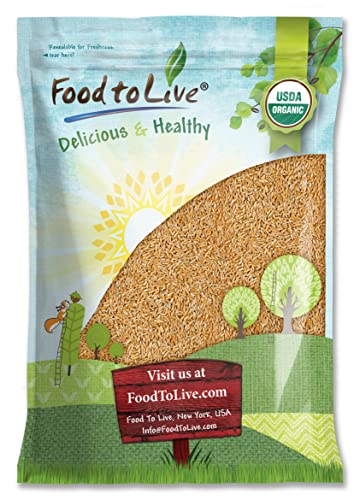
| Nutrient Powerhouse | Product Type: Khorasan (KAMUT) wheat berries | Organic / Natural Status: Organic | Primary Use / Culinary Role: Cook whole or use flakes; sweet & savory recipes, sproutable | VIEW LATEST PRICE | Read Our Analysis |
| McCabe Organic Kamut Khorasan Wheat Berries (2 lb) |

| High-Protein Pick | Product Type: Khorasan (Kamut) wheat berries | Organic / Natural Status: USDA Organic (CCOF certified) | Primary Use / Culinary Role: Grind into flour or cook whole; baking, casseroles, soups, side dishes | VIEW LATEST PRICE | Read Our Analysis |
| Pereg Fine Bulgur Wheat (16 oz) |

| Quick-Cook Staple | Product Type: Bulgur wheat (fine grind) | Organic / Natural Status: 100% natural, Non-GMO (not explicitly labeled organic) | Primary Use / Culinary Role: Quick-cooking side, pilafs, tabbouleh, salads, soups | VIEW LATEST PRICE | Read Our Analysis |
| Sadaf Bulghur #2 Medium Bulgur Wheat (20 oz) |

| Middle Eastern Classic | Product Type: Bulghur wheat (medium grind) | Organic / Natural Status: (Not labeled organic) – standard commercial bulgur (Kosher) | Primary Use / Culinary Role: Tabbouleh, kibbeh, stuffed vegetables, salads, sides | VIEW LATEST PRICE | Read Our Analysis |
| 1000 Springs Organic Hard Red Spring Wheat Berries |

| Long-Term Supply | Product Type: Hard red spring wheat berries | Organic / Natural Status: Organic | Primary Use / Culinary Role: Grind for bread/flour, breakfast bowls, pilafs, pasta, sprouting | VIEW LATEST PRICE | Read Our Analysis |
More Details on Our Top Picks
Food to Live Organic KAMUT Khorasan Wheat Berries
In case you’re looking for a nutrient-dense, easy-to-use whole grain, Food to Live Organic KAMUT Khorasan Wheat Berries are a smart pick-especially for cooks who want a sproutable, non-GMO grain with a rich mineral profile (zinc, selenium, magnesium) and a nutty flavor that works in both sweet and savory dishes. You’ll get 100% whole grain, organic wheat berries in bulk (10 pounds), kosher certified and sproutable for wheatgrass. Kamut flakes cook quickly and need no prior prep, so you can toss them into salads, porridges, or baked goods. They’re more nutritious than regular wheat and versatile in the kitchen.
- Product Type:Khorasan (KAMUT) wheat berries
- Organic / Natural Status:Organic
- Primary Use / Culinary Role:Cook whole or use flakes; sweet & savory recipes, sproutable
- Flavor / Texture Note:Nutty flavor
- Protein / Nutritional Highlight:Exceptionally rich in zinc, selenium, magnesium
- Packaging / Convenience:Bulk 10 lb package, sproutable, no prior prep for flakes
- Additional Feature:Sproutable for wheatgrass
- Additional Feature:Exceptionally high zinc/selenium
- Additional Feature:Bulk 10-pound size
McCabe Organic Kamut Khorasan Wheat Berries (2 lb)
Should you’re after a nutrient-dense, easy-to-use ancient grain, McCabe Organic Kamut Khorasan wheat berries (2 lb) are a smart pick-USDA Organic and CCOF certified and grown in Southern California. You’ll get an ancient grain with 20–40% more protein than common wheat, plus vitamins, minerals and fiber to support muscle development and vigor. Its gluten tends to be more digestible, and the nutty flavor adds satisfying texture to casseroles, soups and sides. Grind it for flour or cook the berries whole; you can usually swap it directly for common wheat. McCabe highlights organic quality and responsible sourcing.
- Product Type:Khorasan (Kamut) wheat berries
- Organic / Natural Status:USDA Organic (CCOF certified)
- Primary Use / Culinary Role:Grind into flour or cook whole; baking, casseroles, soups, side dishes
- Flavor / Texture Note:Nutty flavor, satisfying texture
- Protein / Nutritional Highlight:Higher protein than common wheat (20–40% more)
- Packaging / Convenience:2 lb bag, sourced regionally (Southern CA)
- Additional Feature:USDA & CCOF certified
- Additional Feature:20–40% more protein
- Additional Feature:Sourced Southern California
Pereg Fine Bulgur Wheat (16 oz)
Should you want a quick, versatile whole-grain that cooks in about 10 minutes, Pereg Fine Bulgur Wheat (16 oz) is an ideal choice for busy cooks and salad lovers. You’ll get a 16 oz bag of fine grind bulgur made from durum wheat groats with a nutty flavor and pleasant chew. Use it as a rice alternative in pilafs or stuffed peppers, toss it into tabouli and soups, or swap it for quinoa or couscous. Pereg Natural Foods handles sourcing and production in-house, offering 100% natural, non-GMO bulgur with no preservatives, additives, or artificial flavors.
- Product Type:Bulgur wheat (fine grind)
- Organic / Natural Status:100% natural, Non-GMO (not explicitly labeled organic)
- Primary Use / Culinary Role:Quick-cooking side, pilafs, tabbouleh, salads, soups
- Flavor / Texture Note:Nutty flavor, chewy texture
- Protein / Nutritional Highlight:Whole-grain source of fiber and nutrients (general bulgur benefits)
- Packaging / Convenience:16 oz package, quick-cooking (~10 minutes)
- Additional Feature:Ready in ~10 minutes
- Additional Feature:Made from durum groats
- Additional Feature:No preservatives/additives
Sadaf Bulghur #2 Medium Bulgur Wheat (20 oz)
Choose Sadaf Bulghur #2 Medium whether you want a versatile, authentic bulgur that keeps a firm, chewy bite-perfect for tabbouleh, kibbeh, and hearty salads. You’ll get a medium grind-between fine and coarse-in a 20 oz resealable bag, parboiled and dried for consistent cooking and a nutty flavor. Use it as a salad base, side dish, or sandwich/wrap filling; the texture adds noticeable mouthfeel. It’s kosher and made in the USA. Store it sealed to preserve freshness. Attention: it’s packed on shared equipment with wheat, tree nuts, soy, and sesame, so allergen caution applies.
- Product Type:Bulghur wheat (medium grind)
- Organic / Natural Status:(Not labeled organic) – standard commercial bulgur (Kosher)
- Primary Use / Culinary Role:Tabbouleh, kibbeh, stuffed vegetables, salads, sides
- Flavor / Texture Note:Nutty flavor, noticeable bite/mouthfeel
- Protein / Nutritional Highlight:Whole-grain bulgur provides fiber and nutrients (authentic Middle Eastern use)
- Packaging / Convenience:20 oz resealable bag (keeps fresh)
- Additional Feature:Parboiled then dried
- Additional Feature:Resealable bag packaging
- Additional Feature:Kosher; USA product
1000 Springs Organic Hard Red Spring Wheat Berries
Whenever wanting a versatile, nutrient-dense whole grain for baking, meal prep, or long-term storage, 0 Springs Organic Hard Red Spring Wheat Berries are a smart pick-organic, high in protein and fiber, and packed with minerals like manganese, phosphorus, and selenium. You can grind them into sturdy whole wheat flour, cook them into chewy pilafs and salads, use them in cereals or breakfast bowls, or sprout them for fresh greens. Packaged in a resealable 16 oz bag, they store up to a year, making them a handy pantry staple and emergency food. Grown in Idaho with regenerative practices, they contain gluten.
- Product Type:Hard red spring wheat berries
- Organic / Natural Status:Organic
- Primary Use / Culinary Role:Grind for bread/flour, breakfast bowls, pilafs, pasta, sprouting
- Flavor / Texture Note:(Implied) hearty/nutty, suitable for rustic breads and salads
- Protein / Nutritional Highlight:Nutrient-dense – rich in fiber, protein, manganese, phosphorus, selenium
- Packaging / Convenience:16 oz resealable bag, long shelf life (up to 1 year), good for storage/emergency supply
- Additional Feature:Grown in Idaho
- Additional Feature:Regenerative farming practices
- Additional Feature:Up to one-year shelf life
Factors to Consider When Choosing Organic Dried Wheat Berries
Upon choosing organic dried wheat berries, you’ll want to compare nutritional content and consider about how versatile they’ll be in your recipes. Check organic certification standards and whether the seller offers different textures or grind options to suit baking, milling, or whole-grain dishes. Also consider storage needs and shelf life so your purchase stays fresh and useful.
Nutritional Content Comparison
Although all whole wheat berries provide fiber, protein and minerals, you’ll see meaningful differences between varieties that should guide your choice. Compare protein per 100 g: many ancient and hard wheats often deliver 12–18 g, while soft wheats run about 9–12 g, so select higher-protein types in case you want more plant-based protein. Check fiber: whole berries usually supply 7–12 g/100 g; higher-fiber varieties support digestion and satiety. Look at minerals-manganese, selenium, magnesium and phosphorus vary, with selenium in micrograms and magnesium/phosphorus in tens or hundreds of mg per 100 g. Some types concentrate zinc and selenium more densely, important for regular consumption. Finally, consider protein quality and gluten structure, which affect digestibility and functional behavior beyond raw totals.
Culinary Versatility
Nutritional differences help narrow choices, but you’ll also want to match wheat berries to how you cook: pick firm, intact kernels for pilafs, salads and casseroles so they hold shape; choose higher-protein, higher-fiber ancient or hard wheats for a chewier bite and better structure in case you plan to grind flour for breads and pasta; prefer varieties that rehydrate and cook predictably (whole berries generally take 30–60 minutes, flakes cook faster) to fit your meal prep; and opt for berries with a pleasant nutty flavor that work equally well in sweet porridges and savory stuffings.
Whenever shopping, check protein and fiber specs, and whether the berries grind smoothly for flour or tortillas. Favor predictable cooking times so batches finish as needed. Choose a nutty, versatile flavor that complements both sweet breakfasts and savory mains, and you’ll avoid awkward texture or taste mismatches.
Organic Certification Standards
Provided you want organic dried wheat berries that truly follow sustainable practices, look for a certified label and ask about what it covers: accredited certifiers verify no synthetic pesticides, herbicides or GMOs were used, require a three-year conversion after prohibited substances, and enforce soil-building practices like crop rotation, cover crops and composting. You should check whether the pack shows a national seal (USDA Organic or equivalent) and understand label tiers: “100% organic,” “organic” (≥95%), and “made with organic ingredients” (≥70%). Certification includes annual on-site inspections, detailed records of seed sources, inputs and sales, and traceability from field to package. Ask sellers for certifier contact or certificate number provided you want to confirm claims before buying.
Texture And Grind Options
Consider about how you want your wheat berries to behave in the dish: intact whole berries give a chewy, toothsome bite and need 45–60 minutes to tenderize, cracked or coarse grinds cook faster (about 20–30 minutes) and keep a firm texture, while fine bulgur or flakes soften in 5–15 minutes for salads and quick porridges. You’ll pick whole or coarse for pilafs and salads where separate kernels and chew matter. Choose medium grinds for stuffings and kibbeh to balance structure and bind. Use fine grinds or bulgur for tabbouleh and quick-cooking recipes that need rapid hydration and softness. Prefer stone-ground or freshly milled grinds whenever you desire more texture and complex mouthfeel versus industrially superfine flours’ smoother, denser results.
Storage And Shelf Life
You’ve chosen the grind that fits your recipe; now consider about how you’ll keep those berries fresh until you use them. Store properly dried wheat berries in an airtight, opaque container in a cool (below 70°F/21°C), dry spot to retain quality for 1–2 years with minimal flavor or nutrient loss. For longer storage, refrigerate or freeze in sealed bags or vacuum containers to extend life to 3–5 years and prevent insects and rancidity. Keep relative humidity below ~60% to avoid clumping, mold, or sprouting. Inspect periodically for pests (webbing, larvae), off-odors, discoloration, or moisture and discard spoiled batches. For long-term plans, use oxygen absorbers, vacuum sealing, food-grade mylar or heavy-duty freezer bags and rotate stock FIFO.
