

You want a clean, effective protein powder that fits your values and goals, and you don’t want to waste time sifting through vague claims. I’ll show five top organic blends that pack complete amino profiles, real food sources, and helpful extras like probiotics, prebiotic fiber, or mushroom extracts. You’ll see how each choice fits different needs – recovery, digestion, plant-only diets, and dairy-sensitive options – and why those details matter for results and everyday use.
| The Genius Brand Chocolate Plant-Based Protein + Mushrooms |

| Recovery-Focused Pick | Protein per serving: 20 g | Protein type/source: Hydrolyzed whey (animal) | Dietary/Allergen claim: No artificial fillers/colors/preservatives (not vegan; dairy) | VIEW LATEST PRICE | Read Our Analysis |
| Orgain Organic Vegan Birthday Cake Protein Powder |

| Best Plant-Based Value | Protein per serving: 21 g | Protein type/source: Plant blend (peas, brown rice, mung bean, chia) | Dietary/Allergen claim: Organic, non-GMO, dairy-free, vegan, no soy/gluten | VIEW LATEST PRICE | Read Our Analysis |
| A2 Vanilla Crème Protein Powder with Probiotics |

| Best Dairy Digestibility | Protein per serving: 25 g | Protein type/source: A2 dairy blend (whey + casein, A2/A2) | Dietary/Allergen claim: Gluten free, non-GMO, no added sugar (dairy-based) | VIEW LATEST PRICE | Read Our Analysis |
| Designs for Health Phytotein Vegan Vanilla Protein Powder |
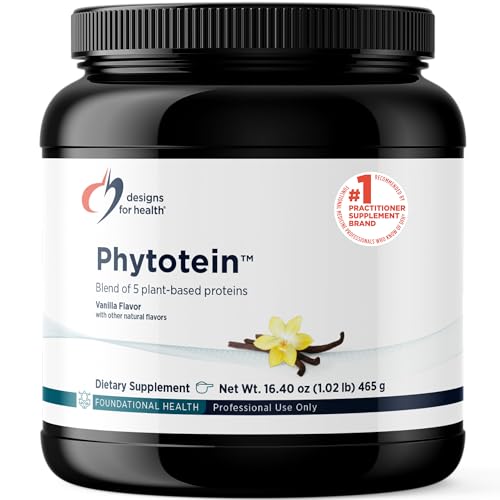
| Practitioner-Trusted Choice | Protein per serving: 20 g | Protein type/source: Organic multi-plant blend (pea, sunflower, pumpkin, sacha inchi, rice) | Dietary/Allergen claim: Non-dairy, vegan, organic ingredients | VIEW LATEST PRICE | Read Our Analysis |
| Sprout Living Organic Unflavored Pumpkin Seed Protein Powder |

| Pure Ingredient Pick | Protein per serving: 20 g | Protein type/source: Pumpkin seed (plant) | Dietary/Allergen claim: Organic, non-GMO, vegan, no added sweeteners or additives | VIEW LATEST PRICE | Read Our Analysis |
More Details on Our Top Picks
The Genius Brand Chocolate Plant-Based Protein + Mushrooms
Supposing you want a plant-based protein that also helps your recovery and immunity, The Genius Brand Chocolate Plant-Based Protein + Mushrooms is a strong pick because it combines fast-absorbing protein with a targeted mushroom blend. You’ll get 20 grams per scoop and a complete amino acid profile, so your muscles get what they need after workouts. The hydrolyzed whey-style process speeds digestion and eases soreness, helping you bounce back sooner. The adaptogenic mushroom mix with organic Turkey Tail supports immunity and gut bacteria, while Reishi, Cordyceps, and Lion’s Mane help energy and focus. It’s clean, US-made, and certified.
- Protein per serving:20 g
- Protein type/source:Hydrolyzed whey (animal)
- Dietary/Allergen claim:No artificial fillers/colors/preservatives (not vegan; dairy)
- Functional add-ins:Adaptogenic mushroom blend + organic Turkey Tail (immune/prebiotic)
- Clean/quality certifications or testing:Made in US GMP facility; NSF, GMP, UL certifications
- Suggested uses:Post-workout recovery, muscle repair, daily protein
- Additional Feature:Hydrolyzed whey format
- Additional Feature:Organic Turkey Tail included
- Additional Feature:US-made GMP facility
Orgain Organic Vegan Birthday Cake Protein Powder
Should you want a tasty, clean protein that fits into a plant-based lifestyle, Orgain Organic Vegan Birthday Cake is a smart pick – especially should you’re looking to increase protein without added sugar or dairy. You’ll get 21 g of complete plant protein from peas, brown rice, mung bean, and chia seeds, so your muscles and meals feel supported. It also supplies 7 g of prebiotic fiber, under 1 g sugar, and only 150 calories per serving. USDA Organic and non-GMO labels back quality. Mix it in water, milk alternatives, smoothies, or baked treats for easy daily protein.
- Protein per serving:21 g
- Protein type/source:Plant blend (peas, brown rice, mung bean, chia)
- Dietary/Allergen claim:Organic, non-GMO, dairy-free, vegan, no soy/gluten
- Functional add-ins:7 g prebiotic fiber per serving (fiber support)
- Clean/quality certifications or testing:USDA Organic; third-party verified plant-based certifications
- Suggested uses:Shakes, smoothies, baking, overnight oats, general protein supplement
- Additional Feature:7 g prebiotic fiber
- Additional Feature:USDA Organic certified
- Additional Feature:Less than 1 g sugar
A2 Vanilla Crème Protein Powder with Probiotics
In case you want a gentle, reliable protein that supports digestion and comes from cows raised with regenerative care, the A2 Vanilla Crème Protein Powder with Probiotics could be the one to try. You get 25 grams of protein per two-scoop serving from an organic A2/A2 dairy blend that mixes whey and casein in balanced ratios and avoids A1 casein. A probiotic Bacillus subtilis AB22 aids digestion while trace Celtic sea salt adds minerals. It’s gluten free, non-GMO, no added sugar, and no artificial ingredients. Use it in milk, smoothies, overnight oats, or baked goods for smooth, light vanilla flavor.
- Protein per serving:25 g
- Protein type/source:A2 dairy blend (whey + casein, A2/A2)
- Dietary/Allergen claim:Gluten free, non-GMO, no added sugar (dairy-based)
- Functional add-ins:Probiotic (Bacillus subtilis AB22) + trace minerals
- Clean/quality certifications or testing:Non-GMO; sourced from regenerative practices (no artificial ingredients)
- Suggested uses:Shakes, smoothies, recipes (overnight oats, baking), meal replacement
- Additional Feature:A2/A2 dairy blend
- Additional Feature:25 g protein serving
- Additional Feature:Bacillus subtilis probiotic
Designs for Health Phytotein Vegan Vanilla Protein Powder
Provided you want a clean, plant-based powder that still packs muscle-friendly protein, Designs for Health Phytotein Vegan Vanilla is a smart pick for athletes, busy parents, and anyone switching from whey to a non-dairy option. You get a 465 g tub with an organic five-source blend: pea, sunflower, pumpkin seed, sacha inchi, and rice. Each serving gives 20 g protein and extra iron to support workouts, muscle maintenance, and steady energy. The creamy vanilla mixes smoothly and plays well with chocolate or fruit. It uses monk fruit and stevia for sweetness. Trusted by practitioners, it feels reliable and practical.
- Protein per serving:20 g
- Protein type/source:Organic multi-plant blend (pea, sunflower, pumpkin, sacha inchi, rice)
- Dietary/Allergen claim:Non-dairy, vegan, organic ingredients
- Functional add-ins:High-iron plant blend; formulated for metabolic/workout support
- Clean/quality certifications or testing:Uses organic ingredients; practitioner-grade Designs for Health quality standards
- Suggested uses:Workout support, muscle maintenance, shakes and meal support
- Additional Feature:Five-source organic blend
- Additional Feature:High iron content
- Additional Feature:Practitioner-trusted brand
Sprout Living Organic Unflavored Pumpkin Seed Protein Powder
You’ll love Sprout Life’s Organic Unflavored Pumpkin Seed Protein provided you want a simple, clean plant protein that slips easily into smoothies, oatmeal, or baked goods. You’ll get 20 grams of protein per serving from cold pressed, organic non GMO AA grade pumpkin seeds made in the USA. It gives a complete amino acid profile, so you won’t worry about missing essentials while staying vegan and dairy free. It also supplies omega 3 6 9 and other nutrients inherent to whole seeds. The ingredient list stays pure with no sweeteners or gums and third party testing reassures quality.
- Protein per serving:20 g
- Protein type/source:Pumpkin seed (plant)
- Dietary/Allergen claim:Organic, non-GMO, vegan, no added sweeteners or additives
- Functional add-ins:Naturally occurring omegas and whole-seed nutrients (no added functional blends)
- Clean/quality certifications or testing:Organic, third-party tested, cold-pressed AA-grade seeds
- Suggested uses:Mix into beverages/smoothies, recipes, anytime protein boost
- Additional Feature:Cold-pressed pumpkin seeds
- Additional Feature:Rich in omegas 3/6/9
- Additional Feature:No sweeteners or additives
Factors to Consider When Choosing Organic Protein Powder Blends
Once you select an organic protein blend, consider initially about the protein source and its amino acid profile so you know whether it will support your goals. Also consider how easy it is to digest and absorb along with any added functional ingredients that could help recovery or gut health. Finally check the sugar and sweetener content so you get a product that tastes good without unwanted extras.
Protein Source Type
Choosing the right protein source matters more than you might believe, because it affects how your body uses the powder and whether it fits your diet and goals. You’ll weigh plant versus dairy and processing type. Plant blends like pea, rice, hemp, pumpkin seed, sacha inchi, and mung bean often need mixing to cover every essential amino acid, since single plants can lack one key amino acid. Dairy proteins such as whey and casein give complete, high quality profiles and digest efficiently, but they won’t work unless you avoid animal products or react to lactose. Hydrolyzed forms are prebroken for faster uptake, which helps after hard workouts. Also check protein per scoop and extra benefits like fiber, omegas, or higher leucine whenever choosing.
Amino Acid Profile
Because your body can only build muscle and repair tissue with the right mix of essential amino acids, pay close attention to an organic powder’s amino acid profile before buying. Look for a complete profile that includes all nine essentials like leucine, lysine, and methionine. Leucine matters most for muscle growth, so pick blends that give about 2.5 to 3.5 grams per post workout serving. Plant blends often mix pea and rice to fill gaps, so check ingredient variety rather than a single source. Also consider DIAAS or PDCAAS scores because they show how bioavailable those amino acids are. If the powder is your main protein, read per serving essential amino acid amounts and consider pairing with other foods to cover limits.
Digestibility And Absorption
Provided that you want your body to actually use the protein you buy, pay close attention to how fast it breaks down and how well it’s absorbed. You’ll notice animal isolates and hydrolyzed proteins act fast, so they match post-workout needs through supplying amino acids quickly. Slower proteins like casein and many plant sources release amino acids over hours, which helps between meals. Also check the amino acid profile because complete proteins with enough leucine trigger muscle repair and raise net protein use. With plant powders watch for anti-nutrients and tough fiber that can block absorption unless processing like sprouting or fermentation reduced them. Formulation matters too since particle size, added carbs or fats, and enzymes or probiotics change gastric emptying and gut comfort.
Added Functional Ingredients
You’ve already looked at how fast a protein breaks down and how well your body soaks it up, and that matters because the extra ingredients in a blend can change those answers a lot. Whenever you read labels, watch for probiotics and check CFU counts and specific strains so you get real gut support. Digestive enzymes like protease and lactase help break food down and cut bloating, which matters should you feel uncomfortable after shakes. Functional fibers and prebiotics feed good bacteria but can cause gas at higher doses, so take note grams per serving. Adaptogenic mushroom extracts offer immune and cognitive perks, so verify extract standardization and beta glucan levels. Micronutrient fortification can make a powder a fuller meal, but check bioavailable forms and amounts.
Sugar And Sweeteners
As you scan a protein powder label, sugar and sweeteners are the quiet ingredients that can change how a shake feels and how your body reacts, so it helps to know exactly what you’re sipping. Check total sugar per serving on the Nutrition Facts because many organic powders contain 0 to 3 g, while flavored ones can exceed 5 to 10 g. Spot the sweetener type next, since whole-food sweeteners add calories and sugars, and low-calorie options like stevia or monk fruit add negligible sugar but change taste. Watch for concealed sugars such as maltodextrin, brown rice syrup, agave, or fruit concentrates. Also observe added fibers and prebiotics which lower net carbs and blunt blood sugar. In case you want blood sugar control, pick ≤1 to 2 g sugar and a higher protein to carb ratio.
Certifications And Sourcing
Anytime you pick an organic protein powder, certifications and sourcing tell the real story behind the label, so look for clear badges and honest explanations that match your values and needs. You want USDA Organic or an equivalent national mark so ingredients were grown without synthetic pesticides or GMOs and processing followed organic rules. Also check non-GMO verification and fair trade or regenerative claims that are backed up against known certifiers, not marketing language. Next, verify third-party testing like NSF or Informed-Sport for contaminants and banned substances. Prefer powders made in GMP certified facilities with lot-specific testing and Certificates of Analysis for microbes, allergens, and nutrient levels. Finally, read sourcing statements that list origins, farming practices, and during ingredients are single-origin or blended.
Taste Texture Mixability
After you check certifications and sourcing, give just as much attention to how a powder will taste, feel, and mix, because that’s what you’ll actually drink every day. You want a scoop that feels pleasant in your mouth. Whey and casein blends often give a creamy, smooth feel. Single-source plant proteins can be grainy unless they’re finely milled or blended. Flavoring and sweeteners shape taste and aftertaste. Natural sweeteners like monk fruit usually taste cleaner than harsh artificial sweeteners that leave a metallic nuance. Fiber, prebiotics, or mushroom powders thicken shakes and create slurry textures, so higher fiber means you’ll need more liquid or blending time. Mixability depends on particle size and processing; highly soluble powders disperse in seconds with little residue. Also use milk or chilled plant milk to reduce grittiness and improve palatability.
