

Flat feet can make a workday feel longer, especially when your shoes place more pressure across your heels and arches. The right orthopedic insoles for flat feet add structure, cushioning, and a more stable platform without making your shoes feel awkward. These options suit different needs, from work boots and long shifts to cushioned daily walking and roomier footwear.
The Main Contenders

Runviara Plantar Fasciitis Arch Insoles

AIRNATURE Plantar Fasciitis High Arch Support Insoles 220+ lbs

Saluber 5mm Poron Metatarsal Pad Orthotic Insoles H485-46

PowerStep ProTech Control 3/4 Orthotic Insoles M 5-6.5 W 7-8.5

AOBEKOS Plantar Fasciitis 240+ lbs High Arch EVA Insoles
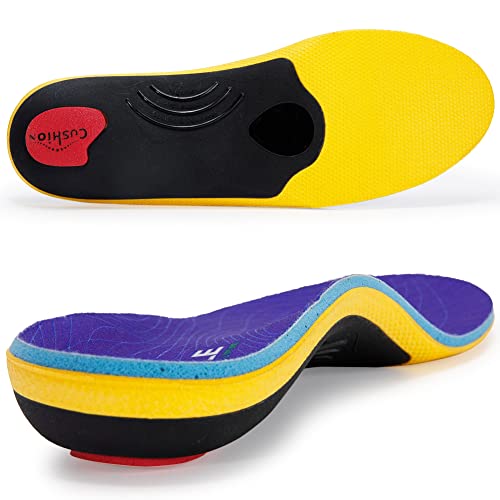
VALSOLE Heavy Duty 220+ lbs Plantar Fasciitis Orthotics
Inside Each Recommended Option
Runviara is designed for people who spend much of the day walking or standing in work boots and walking shoes. Its carbon fiber composite arch structure gives the foot a firmer platform, while PORON cushioning at the heel and an enlarged forefoot pad soften the landing. Compared with the softer, fuller-footed Saluber design later in this list, this model leans more toward structured support.
The trim-to-fit format makes it practical for many everyday shoes, including sneakers, running shoes, hiking shoes, and boots. A first-time user may notice extra pressure under the arch, so a gradual introduction of two to three hours makes sense. That adjustment period is worth considering before committing to an all-day schedule.
Useful Highlights
- Carbon fiber composite arch structure adds firm support for flat feet and low arches.
- PORON heel cushioning helps absorb impact during long shifts.
- Enlarged forefoot pad adds cushioning where walking pressure accumulates.
- Deep heel cup helps create a more secure, centered feeling.
- Trim-to-fit design works with a broad range of casual and work footwear.
Things To Consider
- Initial arch pressure can feel noticeable, especially during the first few days.
- Full-length construction takes more room than a three-quarter insert, so check the shoe’s internal depth.
Key Specs
Who It Suits Best
You benefit most from this pair during long work shifts, frequent walking, or daily use in supportive shoes.
A Better Fit Elsewhere
PowerStep ProTech Control 3/4 Orthotic Insoles suit you better when your shoes have limited toe room.
AIRNATURE targets people who need a pronounced arch support system during long periods of standing. The extra-strong high-arch design and shock-absorbing heel pads make it a practical choice for heavier foot structures, while the U-shaped heel cup helps keep the foot more centered. Unlike the Runviara model’s firm composite core, this pair relies on a foam-based support system with a deep, stabilizing heel.
Breathable fabric helps manage warmth during office days, gym sessions, and outdoor work. Measure an existing insole and compare its length with the size chart before ordering, since a longer insole may change how the shoe feels. The stated 220-pound support target also makes it more relevant to you than a lighter-duty insert when your footwear needs substantial structure.
What Works In Its Favor
- Extra-strong arch support is intended for people above 220 pounds.
- U-shaped heel cup adds stability during extended standing.
- Heel padding softens impact in work shoes and casual footwear.
- Breathable fabric helps reduce stuffiness during extended wear.
- Compatible with formal, running, sports, hiking, and work shoes.
Trade Offs
- The strong arch profile may feel more noticeable than a moderate-support insert.
- Check the insole length against your current footwear before trimming or ordering.
Feature Snapshot
Made For
You are the intended match for standing-heavy workdays, especially when you wear structured shoes or boots.
Another Choice May Suit
Runviara Plantar Fasciitis Arch Insoles fit you better when a trim-to-fit design and a firm composite arch structure matter more.
Saluber H485-46 focuses on cushioning for hard floors and extended wear. A 5mm Poron footbed provides the main cushioning layer, while the metatarsal pad places extra support beneath the forefoot. That arrangement makes this pair different from the AIRNATURE model, which places more emphasis on a deep heel cup and high-arch structure.
The anatomical arch support is designed to distribute pressure more evenly through the heel and forefoot, a useful goal when you spend hours in work boots or walking shoes. The dual Poron inserts and cocooning heel cup add softness around the heel without removing the arch platform. Alcantara on top helps absorb moisture and maintain a more comfortable surface.
Bright Spots
- 5mm Poron footbed provides substantial cushioning for hard surfaces.
- Built-in metatarsal pad targets pressure beneath the forefoot.
- Arch support helps spread pressure across the foot during extended activity.
- Heel cup and dual inserts soften impact around the heel area.
- Alcantara top cover helps manage moisture and temperature.
Potential Drawbacks
- The thick construction may require more shoe volume than a slimmer insert.
- Forefoot pressure can feel different during the first several wears.
At A Glance
Right Fit For
You benefit most from this pair when hard surfaces, long walks, or a roomier work boot are part of your routine.
Where A Sibling Pick Shines
PowerStep ProTech Control 3/4 Orthotic Insoles suit you better in shoes where a full-length cushioned insert will not fit.
The PowerStep ProTech Control takes a different approach with a three-quarter-length design. It leaves the toe area open, making it easier to use in shoes that do not have room for a full insert. That makes it a sensible option for dress shoes and other footwear with a shallower toe box, where the Saluber 5mm model’s bulk would be less suitable.
Its standard, firmer arch support is aimed at overpronation, arch discomfort, heel pain, and plantar fasciitis-related support needs. A premium foam heel adds moderate cushioning at the rear, while the shorter shape keeps more room in the front of the shoe. The listed size covers men’s 5 to 6.5 and women’s 7 to 8.5, so checking your shoe size is an important first step.
Useful Strengths
- Three-quarter length fits shoes with less toe depth.
- Firmer arch support is designed for overpronation and low arches.
- Foam heel adds moderate cushioning without a bulky forefoot.
- Short format works especially well with dressier footwear.
Details To Watch
- The open toe area means this insert provides less forefoot coverage than full-length models.
- Limited listed sizing may not match every foot shape.
Best Suited To
You suit this pair when support matters but your shoes cannot comfortably accept a full-length insole.
Reach For A Different Pick When
Saluber 5mm Poron Metatarsal Pad Orthotic Insoles suit you better when forefoot cushioning and a full-length footbed are your priorities.
AOBEKOS offers a taller arch profile for shoppers who need more substantial support, with the insert listed at 1.38 inches high and designed to carry up to 240 pounds. EVA, a lightweight foam commonly used in footwear, provides the cushioning base, while the heel is shaped to wrap around the foot. That combination gives this pair a more substantial feel than the shorter PowerStep ProTech Control.
It is aimed at flat feet, pronation concerns, heel discomfort, and long periods in work boots or other supportive shoes. The size choices cover men’s 6.5 to 8.5 with women’s 7.5 to 9.5, and a second range from men’s 9 to 10.5 with women’s 10 to 11.5. Because the arch is relatively high, you may need to allow time for your foot to adapt.
Strong Points
- 1.38-inch arch height offers pronounced support for low arches.
- 240-pound support target suits heavier foot structures.
- EVA cushioning adds impact absorption for daily movement.
- Heel-wrapping shape helps create a more balanced platform.
Worth Noting
- The high arch may feel too pronounced at the beginning of the adjustment period.
- Full-length placement requires enough room inside the shoe.
The Details
Who Will Love This
You will likely appreciate this pair if you need a tall arch and use shoes with enough volume for a substantial insert.
Swap It Out When
Runviara Plantar Fasciitis Arch Insoles suit you better when a firmer composite arch and adjustable sizing are more important than maximum arch height.
VALSOLE is framed as a heavy-duty option for people over 220 pounds who spend substantial time in work boots or shoes that need stronger arch support. Its high-arch support targets flat feet and plantar fasciitis-related comfort needs, while the shock-absorbing approach is intended for repeated impact through the day. Compared with AOBEKOS, it presents a similar heavy-duty direction without the same stated 1.38-inch arch height.
This pick makes the most sense when your footwear has enough internal depth to accommodate a full orthotic insert and your feet need a more substantial platform than a slim dress-shoe insert. The practical check is simple: compare the insole dimensions with your shoe, then wear it gradually while your foot adjusts. A work-focused design can be unnecessary for light casual use, but it makes sense for demanding routines.
Good Reasons To Consider
- Heavy-duty support target suits people above 220 pounds.
- High-arch design is aimed at flat-foot support needs.
- Shock-absorbing construction suits long periods of walking and standing.
- Work boot and work shoe focus matches demanding daily routines.
Practical Considerations
- Check that your shoes can accommodate a full-length orthotic without crowding the toes.
- Stronger support may require a gradual adjustment period for first-time users.
Built With In Mind
You benefit most from this pair when your work schedule keeps you on your feet and your shoes need added arch structure.
Look Elsewhere When
AIRNATURE Plantar Fasciitis High Arch Support Insoles suit you better when breathable fabric and a pronounced heel cup are your main priorities.
What To Look For In Orthopedic Insoles
Orthotics are removable shoe inserts that add support, cushioning, or control beneath the foot. The right choice depends on your shoe, your arch shape, and the amount of time you spend standing or walking.
Match Support To Your Foot Shape
Flat feet and low arches usually call for more structure, while a high arch may need an insert that provides a raised platform without excessive pressure. A composite arch core offers firmer support, while foam and EVA designs tend to feel more flexible. Choose based on the sensation you need, not simply on the word “orthopedic.”
Account For The Shoe
A full-length insert gives the forefoot more coverage, but it needs room inside the shoe. Three-quarter models work better with dress shoes and other footwear that has limited toe depth. Measure your current insole or the inside of the shoe before selecting a size, and leave enough vertical space for the cushioning layers.
Think About Daily Workload
A commute, a warehouse shift, and a full day of standing create different demands. Support strength, heel stability, and cushioning should match the shoes and hours involved. For work boots, a substantial full-length insert may be useful, while a low-volume shoe often needs a shorter profile.
Build Up Wearing Time
A stronger arch can feel unfamiliar even when the fit is appropriate. Start with a few hours and increase gradually, especially with high-arch designs. Persistent discomfort, rubbing, or numbness is a sign to reassess the size or shoe compatibility.
Key Considerations Across These Picks
Common Shopping Slip Ups
The most common mistake is choosing an insert by appearance alone, without checking the shoe’s internal space or the insole length. Another error is assuming a very high arch equals more comfort for every foot. Measure first, compare the support level with your daily workload, and keep the original insert nearby while you test a new pair.
What The Higher Tier Buys
Higher-priced models often use more structured materials, specialized heel shaping, or additional cushioning layers. That extra construction can help with demanding work schedules or shoes that need firmer control, but it is unnecessary for every casual sneaker. Pay more when your foot needs the added support and your footwear has room for it.
Frequently Asked Questions For Orthopedic Insoles For Flat Feet
How do orthopedic insoles help flat feet?
They add a shaped support platform that can encourage a more even distribution of pressure across the foot. The exact effect depends on the insert’s arch height, material, and your footwear.
How long should you wear new insoles at first?
Begin with about two to three hours daily, then increase the time as your foot adjusts. This gradual approach is especially sensible with tall or firm arch supports.
Can these insoles fit in work boots?
Several options are designed for work boots, including the Runviara, Saluber, AOBEKOS, and VALSOLE models. Check the boot’s depth and the insole length before ordering so the insert lies flat.
Should flat feet require a very high arch insert?
Not always. Firmness, arch height, and cushioning should match your foot shape and the time you spend standing. A moderate or customizable profile may feel more comfortable than an aggressive arch.
How do I know an insole is the right size?
Measure the insole already inside your shoe and compare it with the listed dimensions and size chart. The fit should leave the toes free and keep the insert from curling or bunching inside the shoe.
Final Verdict
For structured support in work shoes, Runviara and VALSOLE offer the clearest heavy-duty direction. AIRNATURE fits people seeking pronounced arch support and heel stability, while Saluber emphasizes cushioned forefoot and heel comfort. AOBEKOS serves those wanting maximum arch height, and PowerStep ProTech Control remains the practical answer for shoes with limited toe room.
