

A full day of walking puts repeated pressure through your feet, and the right sneaker can make commuting, errands, and long shifts feel less tiring. Women with arch support needs also face a practical choice between structured orthotic footwear, roomy walking shoes, and lightweight cushioned sneakers. These options cover different priorities, from hands-free convenience to responsive training and roomier forefoot designs.
The Lineup, Simplified

Skechers Max Cushioning Elite 2.0
Skechers Go Run Consistent 2.0 Endure

Skechers Endeavour Hallandale

Orthofeet Nira Women’s Sneaker
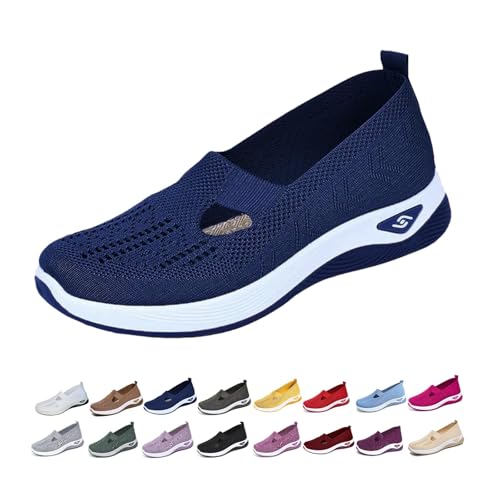
Breathable Orthopedic Walking Sneakers

Puma Prowl Slip-On Cross Trainer
Max cushioning becomes useful when your schedule mixes brisk walks with training, especially if you want a substantial feel without turning to a narrow dress shoe. The Skechers Max Cushioning Elite 2.0 combines an Ultra Go midsole with an Air-Cooled Goga Mat insole, giving the foot both a cushioned platform and a cooler contact surface.
Compared with the lighter Go Run Consistent 2.0 Endure, this model leans toward a fuller cushioning profile and includes a 6 mm heel drop, which means the heel sits slightly lower than the forefoot. That geometry can feel more natural during transitions, although personal preference still matters.
Standout Benefits
- Layered cushioning suits walks, errands, and training sessions.
- Natural Rocker Technology encourages smoother heel-to-toe movement.
- Mesh panels promote airflow during longer outings.
- The copper-infused footbed is designed to help maintain freshness.
- Machine-washable construction simplifies routine care.
Points To Note
- The substantial cushioning may feel less direct during very fast training.
- Its 6 mm heel drop may not suit someone used to a flatter shoe.
Feature Snapshot
Built With In Mind
You benefit most from this model if your daily routine alternates between walking, gym sessions, and longer errands on hard surfaces.
A Better Fit Elsewhere
Skechers Go Run Consistent 2.0 Endure suits you better when low weight and quicker response matter more than a fuller cushioning profile.
Your footwear needs to move quickly when a workout follows a full workday. At 7.5 ounces, the Skechers Go Run Consistent 2.0 Endure keeps that demand in focus, using M-Strike technology to support smoother stride transitions and an ULTRA LIGHT midsole for a responsive feel.
Unlike the Max Cushioning Elite 2.0, this pair prioritizes a lighter construction over a heavily cushioned base. That makes it more approachable for runners, gym-goers, and anyone whose footwear needs to handle both training and everyday errands.
Benefits That Matter
- The 7.5-ounce weight reduces bulk during running drills.
- Adjustable laces let you refine the fit over the instep.
- Air-Cooled Memory Foam adds cushioning beneath the foot.
- Heel Pillow technology supports a secure rear-foot feel.
Practical Considerations
- Its lighter cushioning may feel less substantial than the Elite 2.0 on long walks.
- Fit depends on tightening the laces, so it offers less hands-free convenience.
Right Fit For
This model fits you best if you alternate between running, gym training, and casual walking without wanting separate shoes for every activity.
Where A Sibling Pick Shines
Skechers Max Cushioning Elite 2.0 is a stronger fit for you when extra midsole cushioning takes priority over low weight.
A shoe you can step into without bending down changes the rhythm of rushed mornings. The Skechers Endeavour Hallandale uses a hands-free construction and Heel Pillow technology to make entry simple while keeping the rear foot more securely positioned.
The design still carries meaningful athletic features, including Soft Stride cushioning foam, an Air-Cooled Goga Mat insole, and Natural Rocker Technology. Compared with the lace-adjustable Go Run Consistent 2.0 Endure, it favors convenience over fine-tuning the fit with laces.
The Case For It
- Slip-in construction eliminates repeated tying and bending.
- Soft Stride foam gives walking and running a cushioned base.
- Engineered monomesh material supports ventilation and durability.
- The rocker shape promotes a smooth transition through each step.
Small Caveats
- Adjustable laces offer a more precise fit than the slip-in design.
- Its athletic sole may feel less structured than Orthofeet Nira’s orthotic insole.
Core Details
Who Will Love This
You benefit most from the Hallandale during quick walks, travel days, and busy mornings when slipping into your shoes without laces saves time.
Another Choice May Suit
Orthofeet Nira suits you better when an anatomical arch-supporting insole and wide toe box are central to your walking needs.
Long walks and standing shifts call for more than a soft surface, and the Orthofeet Nira focuses on structured support from the inside out. Its anatomical arch-support insole, multilayer cushioning, and grippy outsole make it the most directly orthotic design in this group.
The hands-free upper removes the laces, while the wide toe box gives your foot more room across the forefoot. Compared with the breathable generic walking sneaker, the Nira presents a more explicitly anatomical foundation, which may suit shoppers who want the support feature to be easy to identify.
Bright Spots
- Arch support is built into the removable-looking premium insole design.
- The wide toe box allows the forefoot to spread naturally.
- Grippy tread supports confident steps on wet and dry ground.
- Step-in construction keeps daily dressing simple.
Things To Consider
- Check the heel fit, since a hands-free design can feel snuger than a lace-up shoe.
- People managing diabetes should follow their clinician’s footwear guidance rather than choosing from general comfort claims alone.
Technical Reference
Made For
This pair best serves women who spend substantial time walking or standing and want a roomy, anatomically supported design.
Consider Something Else When
Breathable Orthopedic Walking Sneakers suit you better when a lightweight knit upper and flexible sole take priority over a structured anatomical insole.
Warm weather can make structured footwear feel warmer than you want, so breathable materials become a practical priority. The Breathable Orthopedic Walking Sneakers use a knitted mesh upper, flexible sole, and PU memory foam base to create a light, easygoing walking option.
Its slip-on opening reduces the effort required at the start and end of a walk. Compared with the Orthofeet Nira, this design appears more flexible and less anatomically structured, so your choice comes down to airy simplicity versus a defined arch-supporting foundation.
The Upside
- Knitted mesh supports ventilation during warm-weather walks.
- The flexible sole is designed to follow the foot’s movement.
- PU memory foam adds a soft cushioning layer.
- Slip-on construction keeps on and off simple.
Possible Compromises
- The flexible construction may feel less structured than the Orthofeet Nira.
- Arch support can feel subjective, so check forefoot and heel fit before committing.
Who Should Grab It
You benefit most from this model during casual summer walks or errands where breathability, light weight, and easy entry matter most.
Reach For A Different Pick When
Orthofeet Nira Women’s Sneaker suits you better when a wide toe box and anatomical arch-supporting insole drive your decision.
Not every sneaker needs a substantial structure, and the Puma Prowl Slip-On Cross Trainer works well when quick, flexible movement matters more than a pronounced arch-support system. Its sock-like upper reduces bulky layering around the foot and makes the shoe easy to slip into.
The SOFTFOAM+ footbed provides cushioning, while the flexible construction suits light cross-training movements and casual wear. Compared with the Skechers Endeavour Hallandale, it shares the hands-free appeal but takes a more streamlined, fashion-oriented approach.
What It Does Well
- The sock-like upper creates a clean, close-fitting profile.
- Lightweight construction supports quick foot movements.
- SOFTFOAM+ adds cushioning beneath the foot.
- Metallic detailing gives the trainer a distinctive look.
Where It May Fall Short
- Its design emphasis is flexibility, so shoppers seeking a defined orthotic insole need to compare carefully.
- Slip-on access offers less fit adjustment than a lace-up sneaker.
Quick Facts
Best Suited To
This cross trainer fits you best for light exercise, quick errands, and outfits that need a flexible sneaker without a bulky upper.
A Better Fit Elsewhere
Skechers Max Cushioning Elite 2.0 suits you better when substantial cushioning and a defined heel-to-toe transition matter more.
What Matters Before You Choose Orthotic Sneakers
Start With Your Daily Movement
Your strongest cue should be the activity that takes up most of your time. A commuter with frequent walking may prioritize cushioning and roomy fit, while a runner may value a lighter midsole and flexible traction outsole. Shoes built for quick workouts can feel different from shoes chosen for long errands or standing shifts.
Understand the Support System
An orthotic sneaker includes built-in features intended to support the foot, such as an anatomical insole, arch contouring, or a structured sole. Cushioning is different: it softens the contact surface and absorbs some impact. You may need more support, more cushioning, or a balance of both.
Check the Full Shoe
Fit matters beyond the stated size. Look at toe-box width, heel security, instep volume, and how the shoe sits during a long walk. A roomy forefoot helps many foot shapes, while a slip-in upper can feel snug around the heel until it settles.
Match Care and Cleaning to Your Routine
Machine-washable construction is useful for active shoes that collect dust, sweat, and outdoor debris. Slip-on designs reduce daily handling, while lace-up pairs offer more adjustment. Consider which convenience matters more before choosing.
Common Mistakes and Premium Differences
Pitfalls Shoppers Hit
Choosing by appearance alone can hide a poor fit, so check your toes and heel before committing. Expecting a soft shoe to provide structured support can also lead to disappointment; cushioning and orthotic support are separate features. Buying one pair for running, standing, and casual errands can force your feet to adapt to several jobs at once.
What Separates Premium From Basic
A higher-priced pair may add anatomical insole construction, multi-layer cushioning, a roomier toe box, or more deliberate material engineering. Those additions matter most for frequent walking and specific foot-shape needs. For occasional light exercise, a simpler flexible sneaker may be enough.
Frequently Asked Questions
What should I look for in orthotic sneakers for women?
Look for a built-in support system, cushioning level, secure heel fit, and roomy forefoot. Your walking routine and foot shape should determine which features matter most.
Are orthotic sneakers suitable for long walks?
A structured, well-fitting pair can suit long walks, especially when cushioning and traction match the surface. Test the fit during a substantial walk and avoid assuming one model suits every foot.
Should I choose slip-on or lace-up sneakers?
Slip-on models offer easier entry, while lace-up shoes provide more adjustment over the instep and midfoot. Your priority depends on convenience, fit preferences, and how much you value fine-tuning.
What is the difference between cushioned and orthotic shoes?
Cushioned shoes focus on a softer, shock-absorbing feel, while orthotic shoes add structured support through the insole or sole. Some models combine both approaches.
Can orthotic sneakers work with high arches or flat feet?
Foot shape changes how a shoe feels, and neither label guarantees comfort for everyone. Compare arch contouring, footbed depth, toe-box width, and heel security with guidance from a qualified foot-care specialist when needed.
Closing Remarks
The right orthotic sneaker depends on your movement pattern, foot shape, and preferred level of structure. Orthofeet Nira leads for anatomical support, Skechers covers cushioning, lightweight training, and hands-free convenience, while the generic walking pair and Puma Prowl serve more casual needs. Choose the design that matches the day you actually have.
