

Training shoes should support your stride, not become another source of discomfort. Athletes need inserts that suit their foot shape, training volume, and footwear, whether that means running, court sports, long shifts on their feet, or a weekend hike. The right orthotic can add cushioning, arch support, and stability, but comfort depends on fit and gradual use.
How The Shortlist Stacks Up

Pure Stride Bold Professional Full Length Orthotics, Men’s 7-7.5/Women’s 9-9.5

Xtemodi NASA Grade Foam Orthotics for Flat Feet, Thin Fit

Aetrex L2200 Men’s Memory Foam Orthotic Insoles

Aetrex Women’s L700 Speed Orthotic Insoles for Running
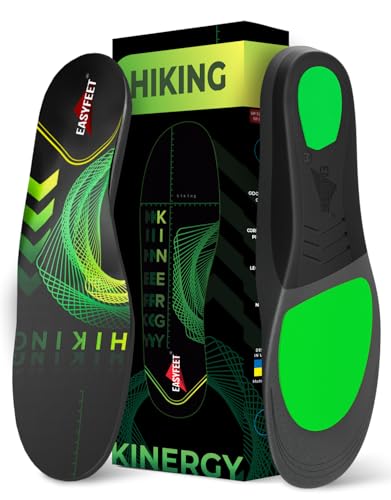
EASYFEET Hiking Insoles
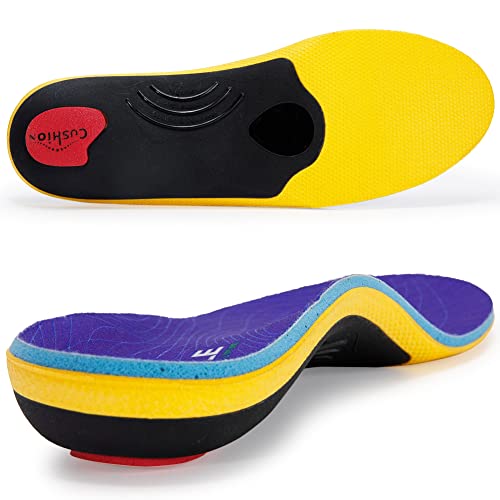
VALSOLE Heavy Duty Support Orthotics for 220+ lbs, High Arch, Flat Feet
A Deeper Look At The Lineup
Full-length coverage makes the Pure Stride Bold Professional Full Length Orthotics a practical choice for athletes who move between running shoes, court footwear, and everyday trainers. Its several cushioning and support layers suit players seeking more substantial structure than a basic foam insert, especially during frequent training sessions.
The listed size pairs men’s 7-7.5 with women’s 9-9.5, so checking the corresponding shoe size matters. You may find the insert slightly long in narrow footwear; trimming the toe end can provide a closer fit. A gradual start also helps your feet adjust to the added support.
Where It Helps
- Four material layers combine breathable mesh, moldable EVA cushioning, a polypropylene support shell, and a firmer bottom section.
- A recessed Poron heel cushion adds targeted padding where runners and walkers often feel pressure.
- The heat-moldable EVA layer can take on a more personalized shape during wear.
- Full-foot placement supports the arch, heel, and forefoot rather than isolating one area.
- Warm soap and water make routine cleaning straightforward after outdoor workouts.
Trade Offs
- The layered construction takes more space than a thin insert, so shoe fit deserves attention.
- New users should begin with short wear periods rather than training for an entire day immediately.
- Replacement insoles should be removed before installation to preserve room around the toe.
Core Details
Who It Suits Best
This option fits athletes who want layered, full-foot support across several types of footwear and can follow a gradual break-in routine.
Where A Sibling Pick Shines
Aetrex Women’s L700 Speed Orthotic Insoles for Running suit women who prioritize a lighter profile for quick workouts and racing shoes.
Sneakers with little wasted space present a familiar problem: a supportive insert can make a shoe feel cramped. The Xtemodi NASA Grade Foam Orthotics address that issue with a thin, lightweight design intended for flat feet and inward rolling, or overpronation.
The foam is designed to rebound after compression rather than remain flattened throughout the day. For athletes moving between commuting, walking, and standing shifts, that responsive cushioning may prove more useful than a bulky rigid insert, provided the shape feels right for your arch.
Real-World Strengths
- The low profile fits more easily into close-fitting sneakers and work shoes.
- Arch support is shaped for feet that roll inward during standing or walking.
- Responsive foam provides cushioning without the bulk of a full layered insert.
- Scissor trimming lets you reduce the length for a more precise shoe fit.
Where It May Fall Short
- The thin profile offers less structure than the layered Pure Stride insert.
- Trimming changes the fit, so check the toe area and arch position before extended wear.
- Overpronation is only one part of foot alignment, and persistent discomfort deserves an assessment from a qualified healthcare professional.
Feature Snapshot
Made For
These orthotics best suit athletes who need low-profile arch support in snug sneakers, work shoes, or other close-fitting footwear.
Another Choice May Suit
VALSOLE Heavy Duty Support Orthotics for 220+ lbs, High Arch, Flat Feet make more sense when substantial structure and heavier-duty support matter more than a slim fit.
The Aetrex L2200 targets a straightforward need: cushioning and support for men who spend substantial portions of their day walking or standing. Its memory foam layer softens each step, while the cupped heel adds structure around the rear of the foot.
Unlike the slimmer Xtemodi design, this model uses a quarter-inch profile and a more substantial heel cup. That combination may suit boots, sneakers, flats, or heels where comfort during extended activity matters, although your individual foot shape still determines whether the arch area feels supportive.
Points In Its Favor
- Memory foam cushions pressure points during long walks and extended time on your feet.
- The cupped heel helps stabilize and cushion the rear portion of the foot.
- A Poron layer adds shock absorption beneath the foot.
Practical Considerations
- The quarter-inch profile may reduce room inside particularly shallow footwear.
- This model is marketed for men’s sizing, so women’s shoe sizing requires careful matching.
- Persistent foot pain or a suspected injury calls for guidance from an appropriate specialist doctor.
Right Fit For
Men who walk frequently, stand for work, or want cushioned support in boots and sneakers are the strongest audience for this model.
Look Elsewhere When
Aetrex Women’s L700 Speed Orthotic Insoles for Running offer a lighter, more running-focused option for women competing or training in fitted athletic shoes.
Speed-focused training leaves little room for a heavy insert, which shapes the case for the Aetrex Women’s L700 Speed Orthotic Insoles for Running. Exofoam provides lightweight cushioning without turning the insole into the dominant part of the shoe.
A mesh upper helps move air across the foot, and the cupped heel provides a stable landing area. Women who run, compete, or move quickly through court sports may appreciate that balance, though the model’s supportive contours still need to feel comfortable through the arch.
Useful Strengths
- Lightweight Exofoam cushions the foot without the bulk associated with thicker inserts.
- The ventilated mesh upper supports airflow during active sessions.
Things To Weigh
- The design centers on running and fast workouts rather than extended standing.
- Less overall volume can mean less deep cushioning than the Aetrex L2200 provides.
- Heel and arch comfort can vary with individual foot shape, so test them during shorter sessions first.
Who Will Love This
This pick suits women who train, run, or compete and want lightweight cushioning with a stable heel cup.
Swap It Out When
Pure Stride Bold Professional Full Length Orthotics make more sense for athletes who want additional layers, a heat-moldable section, and broader foot coverage.
Trail footwear introduces uneven ground, shifting loads, and plenty of hours on the move. The EASYFEET Hiking Insoles are designed specifically for hiking boots, with arch support and cushioning intended to add comfort and stability during outdoor activity.
Size availability includes XS for men’s 4.5-6.5 and women’s 5.5-7.5, plus S for men’s 7-8.5 and women’s 8-9.5. Depending on your boot shape, the insole should sit flat without pressing the toes or crowding the arch.
Bright Spots
- The hiking-focused design pairs arch support with cushioning for boots.
- Added stability can be useful on uneven trails and changing terrain.
- Two size groups offer distinct footwear ranges for men and women.
Small Caveats
- Confirm the listed size range before ordering, particularly when comparing men’s and women’s footwear sizes.
- The boot interior needs enough room to accommodate the insert without compressing the toes.
- Long hikes can magnify an awkward fit, so try the orthotics on shorter outings first.
Built With In Mind
These insoles suit hikers who want arch support and cushioning tailored to rugged boots rather than court shoes or daily sneakers.
Consider Something Else
Aetrex L2200 Men’s Memory Foam Orthotic Insoles are a better fit for men who spend more time walking on pavement or standing at work.
Body weight changes the demands placed on an orthotic, particularly during impact-heavy movement or long periods in work boots. The VALSOLE Heavy Duty Support Orthotics are positioned for people over 220 pounds and marketed with high-arch, flat-foot, and shock-absorbing features.
Unlike the thin Xtemodi model, this choice prioritizes substantial support for demanding footwear. You may find it best suited to boots and sturdy athletic shoes, where extra structure is less disruptive than it would be in a shallow court shoe.
The Case For It
- The body-weight guidance gives shoppers a clearer target than a generic support claim.
- High-arch and flat-foot positioning makes the intended support profile easy to compare.
- Shock-absorbing construction suits impact-heavy training and demanding work shifts.
- Work-boot compatibility suits athletes who need substantial support outside the gym.
Areas To Watch
- The robust support profile may feel unnecessary in low-volume fashion shoes.
- Fit still depends on your arch shape and the space available inside the shoe.
- Body weight alone does not determine the right orthotic, so persistent discomfort calls for professional guidance.
Key Product Details
Who Should Grab It
This model best suits athletes over 220 pounds who train, work, or walk in sturdy footwear and prefer more substantial support.
Reach For A Different Pick When
Xtemodi NASA Grade Foam Orthotics for Flat Feet fit athletes who need arch support in close-fitting shoes and prefer a lighter, lower-profile insert.
Match The Insert To Your Training Load
Start With Your Main Activity
Running and court sports reward lightweight movement, while standing shifts and work boots reward cushioning and heel stability. The Aetrex Women’s L700 Speed Orthotic Insoles for Running fit quick workouts, whereas the Aetrex L2200 Men’s Memory Foam Orthotic Insoles suit extended walking and standing. For mixed schedules, full-foot coverage may be more versatile than a narrowly specialized insert.
Account For The Shoe’s Internal Space
Measure the removable insert or compare the new orthotic with the original footbed before buying. A thin insert preserves room in fitted shoes, while layered or heavy-duty models need boots or roomier trainers. Toe clearance, heel position, and arch contact matter more than a broad label such as “high arch.”
Consider The Support Profile
Overpronation means the foot rolls inward while moving, and a contoured arch region may help control that motion. Flat feet can require different arch geometry, so body position alone cannot select the right insert. A qualified healthcare professional can help evaluate persistent discomfort or concerns about how your feet align.
What Matters Before Ordering Inserts
Match Support To Your Foot Type
Arch support should meet the middle of your foot without creating a sharp ridge. Overpronation-focused insoles address inward rolling, while high-arch models target a pronounced gap beneath the arch. Your usual pronation pattern matters more than a product label.
Think About Cushioning And Bulk
Memory foam emphasizes pressure relief, responsive foam favors lightness, and layered construction adds structure. More material can feel comfortable in sturdy footwear but troublesome in narrow shoes. Compare the orthotic with the shoe’s existing footbed rather than judging thickness alone.
Give New Insoles Time To Settle In
Start with short sessions and increase wear gradually. An unfamiliar orthotic can feel awkward before your foot adapts, and discomfort is a reason to pause. Persistent pain, numbness, or a sudden change in your gait deserves advice from an appropriate specialist doctor.
Two Mistakes Worth Avoiding
Common Shopping Slip Ups
Avoid choosing solely by the activity printed on the package or by a dramatic comfort description. Shoe fit, foot shape, and daily wear time usually matter more. Remove the current insole and compare it with the replacement before ordering.
What Separates Premium From Basic
Basic inserts often provide a single foam layer with modest cushioning, while more elaborate designs add arch shaping, heel cups, breathable covers, or multiple support materials. Those additions may help a demanding athlete, but they also increase bulk and cost. Pay for extra structure only when your footwear and daily routine can accommodate it.
Frequently Asked Questions
Can Orthotics Help With Plantar Fasciitis Symptoms?
They may provide cushioning, arch support, and steadier foot positioning, but they do not diagnose the condition. Persistent symptoms should be discussed with an appropriate specialist doctor.
Should I Choose Full-Length Or Shorter Insoles?
Full-length inserts cover the heel, arch, and forefoot, making them useful in shoes with removable footbeds. Shorter designs leave more toe room and may work better in narrow footwear.
How Should I Introduce New Orthotics?
Wear them for short sessions first and increase the duration gradually. Stop using them if you develop pain, numbness, or significant discomfort, then reassess the fit with a healthcare professional.
Can These Insoles Work in Running Shoes?
Yes, provided the shoe has enough internal space and allows the insert to sit flat. Thin models suit close-fitting shoes, while layered or heavy-duty designs generally suit roomier trainers and boots.
What Should I Do About Persistent Foot Pain?
Stop relying on an insert to mask worsening symptoms and seek advice from an appropriate specialist doctor. Footwear, activity level, and the nature of the discomfort all help shape a useful assessment.
Final Verdict
The right orthotic matches the activity, the shoe, and the shape of your foot rather than chasing a single universal style. Lightweight options suit quick training, layered inserts support broader footwear use, and rugged models serve hikers and demanding boots. Choose based on fit, introduce them gradually, and let comfort guide the final decision.
