

A person living alone may need help after a fall, feel unsafe on a dark walk, or want a simple way to summon attention without handling a phone. Personal alarms for elderly adults range from pocket-sized sirens to wireless call buttons that notify a caregiver, and the right fit depends on where help is needed and how quickly someone can respond.
The compact alarms suit people who remain active, while caregiver pagers make more sense for support at home. Battery type, activation method, range, and setup requirements deserve careful attention before purchase.
How The Shortlist Stacks Up

Kimfly Rechargeable 3-Pack Personal Safety Alarm with Strobe Light

ESSAGER 130dB Personal Safety Alarm with LED Light and Carabiner

Naibudx Rechargeable 130dB Personal Alarm with Four Light Modes

CallToU Caregiver Pager with One Button
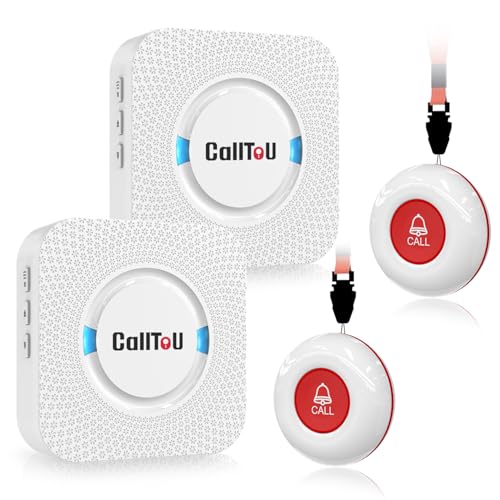
CallToU Caregiver Pager with Two Buttons

CallToU Caregiver Pager with Three Buttons

Fajocru Rechargeable 130dB Bluetooth SOS Personal Alarm with Dual Speakers
Inside Each Recommended Option
A siren is most useful when it is already attached to a purse, belt loop, or key ring. The Kimfly set includes white, pink, and blue versions, giving several people separate alarms or giving one person color options that are easy to identify.
For an active older adult, the rechargeable format removes the need to replace cells while away from home. The stated 130 dB siren can sound for as long as 90 minutes, while the strobe and flashlight add visibility during an evening walk.
Strengths Worth Knowing
- Three color choices make the alarms practical for family members.
- USB charging takes about 30 minutes, with standby stated at one year.
- The 130 dB siren provides prolonged audible attention.
- Both a pull pin and double-button activation offer simple options.
- The integrated flashlight is handy for dark paths and locating items.
Small Caveats
- USB charging access must be part of your regular routine.
- The 90-minute continuous alarm setting needs substantial battery capacity.
Quick Facts
Made For
This set suits active older adults who want a rechargeable alarm for daily errands or evening walks.
Another Choice May Suit
CallToU Caregiver Pager with One Button serves older adults who need to notify a caregiver inside the home instead.
The ESSAGER alarm trades rechargeable convenience for ordinary replaceable batteries. That makes it a practical fit for someone who does not want to manage a charging cable or remember to plug in a device before leaving the house.
At 1.1 ounces, it can sit comfortably on a handbag, backpack, or key ring. Compared with the Kimfly three-pack, this single unit offers a more streamlined setup for one person.
Where It Helps
- Replaceable LR44 batteries remove the need for USB charging.
- Pulling the pin activates the 130 dB siren immediately.
- The included carabiner and keychain support several attachment styles.
- A hold-to-use LED helps with paths, keys, and bags.
- Battery life is stated at one year with three emergency pulls each week.
Practical Considerations
- You will need spare compatible batteries on hand.
- Its light is for visibility and locating items, not outdoor illumination.
Feature Snapshot
Right Fit
This alarm suits older adults who travel locally and prefer replaceable batteries over regular charging.
Look Elsewhere When
Fajocru Rechargeable 130dB Bluetooth SOS Personal Alarm with Dual Speakers fits you better when smartphone-based emergency messaging is important.
One-button operation reduces the number of steps between recognizing trouble and making noise. The Naibudx alarm combines a 130 dB siren with a flashing strobe, giving outdoor walkers an audible and visual signal.
Its back clip and included keychain offer different ways to carry it. For morning walks or exercise near home, that flexibility is more useful than a keychain-only design, though you should confirm comfortable placement before relying on it.
Practical Pluses
- One-button activation keeps emergency use straightforward.
- The siren and strobe provide two forms of attention.
- Four light modes add visibility options for different settings.
- A back clip supports attachment to clothing or a belt.
- The included keychain offers a second carrying method.
Where It May Fall Short
- Triple-button activation is required to switch it off.
- Recharging access is needed to keep the alarm ready.
Who Will Love This
This model suits older adults who regularly walk, jog, or exercise outdoors near dusk.
Swap It Out When
CallToU Caregiver Pager with Three Buttons is a better fit when calls must reach several receivers throughout a larger home.
A bedside call button answers a different need from a pocket siren. The CallToU system includes one receiver and one wireless button, allowing an older adult to signal a nearby caregiver with a press.
The receiver can move between the bedroom, kitchen, or living room while the button stays within reach. Its stated open-area range exceeds 500 feet, though walls and household layout can affect real coverage.
What Stands Out
- One receiver keeps a single-caregiver setup uncomplicated.
- The portable receiver can follow a caregiver between rooms.
- A press-button call is easier than operating a smartphone.
- The stated open-area range supports movement around a home.
Points To Keep In Mind
- The receiver requires a plugged-in power connection.
- One button offers less coverage than the larger CallToU sets.
- Check signal reception in the rooms where help is needed.
Core Details
The Right Fit
This pager suits an older adult whose main need is calling one caregiver from within the home.
Reach For A Different Pick When
CallToU Caregiver Pager with Two Buttons fits you better when separate sleeping or living areas need their own call points.
Two call points cover a common home-care layout without moving to a larger multi-room system. The CallToU set includes two receivers and two wireless buttons, so the bedroom and living room can each have an accessible button.
That arrangement suits an older adult who may need help from different parts of the home. The receiver remains portable, but each one needs a nearby outlet, which is the main setup consideration.
Reasons It Performs
- Two buttons serve separate rooms more conveniently.
- Two receivers let caregivers monitor from different locations.
- The stated 500-plus-foot open-area range supports indoor mobility.
- Buttons remove the need to unlock or operate a phone.
Possible Compromises
- Both receivers need access to electrical outlets.
- Two-button coverage may still be limited in a large home.
- Signal reception should be checked between the button and receiver.
Who Should Grab It
This two-button system suits older adults who need help alerts in two separate areas of a home.
Where A Sibling Pick Shines
CallToU Caregiver Pager with Three Buttons suits you better when the kitchen, bedroom, and living area all need call points.
Three buttons cover the parts of a home where an older adult is most likely to need assistance: the bedroom, kitchen, and living room. This CallToU package includes three receivers and three wireless call buttons for that broader setup.
The open-area range is stated at more than 500 feet, so the receiver can follow a caregiver around the home. Unlike the portable sirens, this system is designed to notify a nearby caregiver rather than create a loud public alarm.
The Value In It
- Three call points cover several everyday home spaces.
- Three receivers give caregivers flexible monitoring locations.
- Wireless buttons remain convenient beside a bed or armchair.
- Alerting a caregiver directly suits indoor assistance needs.
Practical Considerations
- Three receivers require three suitable outlet locations.
- Wall layout may reduce the stated open-area range.
- The system is intended for caregiver monitoring at home.
Product Snapshot
Built With In Mind
This system suits older adults who spend time in several rooms and have a caregiver nearby.
A Better Fit Elsewhere
Naibudx Rechargeable 130dB Personal Alarm with Four Light Modes is the better choice for outdoor walks rather than indoor caregiver calls.
The Fajocru alarm adds a phone connection to the familiar idea of pulling a keychain pin. Its 130 dB dual-speaker siren and strobe can attract attention locally, while Bluetooth SOS messaging can send an alert and location to a preset contact.
That extra connection changes the setup. You need a compatible smartphone, Bluetooth pairing, phone permissions, network service, and advance configuration of the emergency contact, so the system may feel less simple than the ESSAGER alarm.
Real-World Strengths
- The local siren provides immediate audible attention.
- Dual speakers create a broader alert around the device.
- The strobe adds visibility in dark surroundings.
- Bluetooth can message a contact with location information.
- USB-C charging supports a modern connection setup.
Things That May Matter
- Smartphone permissions and network service are required.
- The emergency contact must be configured beforehand.
- Bluetooth messaging supplements rather than replaces local signaling.
Technical Highlights
Whose Shelf It Belongs On
This alarm suits smartphone-familiar older adults who want both a local siren and remote emergency messaging.
Not Your Match When
ESSAGER 130dB Personal Safety Alarm with LED Light and Carabiner fits you better when you prefer simple replaceable batteries without phone setup.
What Matters Before You Bring an Alert Device Home
Start with the response you need. A loud siren can summon help in public, while a wireless caregiver pager can quietly notify someone in another room. Your normal setting matters more than any feature you might rarely use.
Carrying Style and Activation
Keychain alarms suit regular errands and walks, while wearable buttons work well beside a bed or armchair. Pull-pin activation is direct, and one-button operation reduces confusion under stress. Your hand strength and familiarity with the device should guide this decision.
Power and Routine Maintenance
Rechargeable models need charging access, while replaceable-battery models need compatible spares. Charge dates or battery checks should fit your routine, since an alarm only helps when it has power. For caregiver pagers, account for every receiver and its outlet location.
Home Range and Setup
Call buttons offer a stated open-area range of more than 500 feet, but walls can change reception. Place the receiver where a caregiver spends time, then check the signal from every call point. Extra buttons can improve coverage in larger homes.
Two Details That Change Your Decision
Mistakes Worth Dodging
Choosing an alarm by loudness alone overlooks the actual response plan. A siren helps nearby people hear an emergency, while a caregiver pager notifies someone assigned to assist. Check charging access, battery format, carry position, and smartphone setup before ordering.
What Separates Premium From Basic
A higher-tier alarm may add Bluetooth messaging, multiple light modes, rechargeable charging, or more call points. Those extras matter for smartphone users, outdoor routines, or larger homes, but simpler models are often easier to maintain. Pay for added capability only when you will use it.
Frequently Asked Questions
Which type of personal alarm works best for an older adult living alone?
A loud portable alarm suits older adults who walk or travel independently, while a caregiver pager suits someone needing help at home. Choose based on where an emergency would most likely occur.
Are rechargeable personal alarms easier to maintain?
They require regular charging but eliminate periodic battery replacement. Replaceable-battery alarms need occasional cell changes, so your preferred maintenance routine may determine the better fit.
Can a caregiver pager cover several rooms?
The two- and three-button CallToU sets place call points in multiple areas, with separate receivers for caregivers. Reception can vary with walls and room layout, so checking placement before relying on it is sensible.
Does Bluetooth emergency messaging work without a phone?
Bluetooth SOS alerts require a compatible paired smartphone, permissions, network service, and a configured contact. The local siren remains a separate feature.
Should a personal alarm be carried or kept beside the bed?
Carry it for walks, errands, and travel. Bedside placement makes sense for a call button, provided you can reach it comfortably from your bed or chair.
Final Verdict
The best personal alarms for elderly adults depend on your daily movement and support setup. Choose a rechargeable siren for active routines, a replaceable-battery model for low-maintenance travel, a caregiver pager for home monitoring, or a Bluetooth alarm for smartphone-connected alerts. Match the device to the response you need, then make sure its power and setup fit your household.
