

A wall outlet can become unavailable without much warning, leaving a CPAP machine without the power it needs overnight. For people who travel, camp, experience outages, or live where utility access is inconsistent, a portable power station offers a more practical form of backup than loose battery packs. The right model needs enough capacity for your CPAP setup, compatible output, and a size you can still manage.
A Fast Comparison Of The Options

Jackery Portable Power Station Explorer 240 240Wh 110V/200W Renewed

DaranEner 960Wh Power Station

EASYLONGER ES960 PRO 297.6Wh
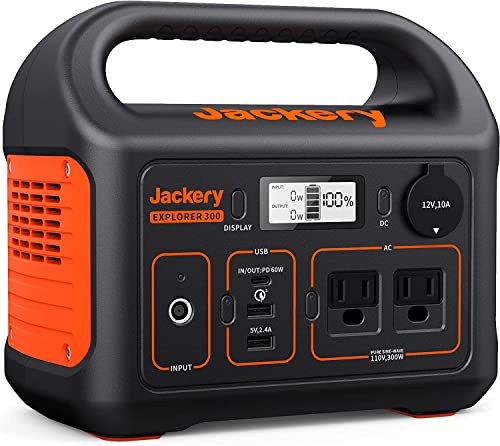
Jackery Portable Power Station Explorer 300 293Wh

EF ECOFLOW DELTA Pro 3600Wh

DaranEner 230.4Wh Power Station
More On The Choices That Made The List
The Explorer 240 is built for trips where carrying weight matters. Its 240Wh battery sits in a roughly 6.6-pound package with a carry handle, making it more approachable than the larger DaranEner CUBUS 1000 PLUS. The 110-volt AC output uses a pure sine wave, which provides steady current for sensitive electronics.
A CPAP machine with a heated humidifier consumes more energy than one used without it, so your actual setup determines the useful runtime. For a weekend away or a short outage, this model’s small footprint may matter more than room for several other devices.
Where It Excels
- The 6.6-pound weight makes the unit practical to move between a tent, vehicle, and bedside table.
- The 200-watt AC output handles a typical CPAP load with room for several smaller electronics.
- USB and 12-volt car outputs reduce the need to carry separate adapters for your phone or other portable devices.
- Wall, vehicle, and compatible solar charging give you several ways to restore capacity.
Points To Note
- The 240Wh capacity is modest, particularly when the humidifier and heated tube remain in use.
- The renewed condition calls for a careful look at the listing’s condition details and included accessories.
Quick Facts
Made For
You benefit most from this model when you need a lightweight CPAP backup for camping, short road trips, or limited outages.
A Better Fit Elsewhere
The EASYLONGER ES960 PRO 297.6Wh serves you better when your CPAP requires a 12V, 19V, or 24V connection.
The CUBUS 1000 PLUS moves beyond a single-purpose CPAP reserve. Its 960Wh battery, 1,000-watt continuous output, and 2,000-watt surge rating create room for a CPAP, refrigerator, communications gear, and several other devices during an outage. That versatility comes with a 23.1-pound carrying weight, so it feels more like stationary backup than a lightweight travel companion.
Unlike the Jackery Explorer 240, this unit includes four pure sine wave AC outlets, USB-A and USB-C ports, an XT60 connection, and an LED light. You gain flexible charging options but need storage that can accommodate a larger station.
Everyday Perks
- The 960Wh capacity provides a substantial reserve for a CPAP setup and other essentials.
- The 1,000-watt rating supports more household devices than the smaller Jackery models.
- Four AC outlets reduce the need for extension boxes and multi-device chargers.
- USB-C charging at up to 100 watts can power compatible laptops directly.
- LiFePO4 cells and a battery management system suit frequent charging cycles.
Practical Considerations
- The 23.1-pound weight is substantial for carrying into a campsite or upstairs during an outage.
- Loads must remain below the 1,000-watt continuous rating.
- Leaving the AC output switched on can continue drawing from the battery.
Right Fit For
You gain the most from this model when a CPAP must share an outage reserve with refrigerators, communications equipment, or other powered essentials.
Look Elsewhere When
The DaranEner 230.4Wh Power Station fits you better when carrying weight matters more than supporting several appliances.
The ES960 PRO starts with a more targeted question than the general-purpose stations: how will it connect to your CPAP? It offers 12V, 19V, and 24V output through four included cables, plus a memory function for recurring setups. That removes much of the guesswork involved in connecting a power station through a wall adapter.
Compatibility extends across specified ResMed, Philips DreamStation, and Luna TravelPAP models. The 297.6Wh LiFePO4 battery supports multi-night use, although the stated two-plus-night result excludes a humidifier and heated tube.
Good Reasons To Consider
- Three output voltages make the unit more directly relevant to several CPAP configurations.
- Four included cables reduce the chance of needing another power supply.
- LiFePO4 chemistry supports repeated use with less concern for deep-discharge habits than common lead-acid batteries.
- The memory function simplifies restoration of a previously used setup.
Things To Consider
- Your exact CPAP model and power requirements need to match the listed compatibility.
- Runtime falls when a humidifier or heated tube remains connected.
Feature Snapshot
Who Will Love This
You benefit most from this model when your CPAP uses a supported device or voltage connection and you value fewer adapters.
Another Choice May Suit
The EF ECOFLOW DELTA Pro 3600Wh serves you better when you need a broad appliance supply rather than CPAP-specific connections.
The Explorer 300 occupies a practical middle ground between the 240Wh Jackery model and the much larger DaranEner CUBUS 1000 PLUS. Its 293Wh battery, 300-watt pure sine wave AC output, and 7.1-pound weight suit a CPAP reserve that also needs to power a phone or small travel device.
Charging flexibility is a clear advantage. You can recharge through a wall outlet, a vehicle outlet, or a compatible Jackery SolarSaga 100 panel, with the wall and 60-watt USB-C inputs working together to reach 80% in about two hours.
Notable Upsides
- Two AC outlets support a CPAP and another small device at the same time.
- The 7.1-pound weight remains manageable for RV and campsite use.
- Several charging paths make it easier to replenish the battery according to your location.
Small Caveats
- Its 293Wh capacity is close to, but smaller than, the EASYLONGER ES960 PRO.
- The renewed condition deserves attention during the listing review.
Built With In Mind
This model suits you when you want a straightforward Jackery station for RV travel, camping, and short household outages.
Reach For A Different Pick When
The DaranEner 960Wh Power Station fits you better when your backup reserve must carry several household appliances.
The DELTA Pro treats CPAP backup as part of a larger household energy plan. Its 3,600Wh LFP battery and 3,600-watt AC output can cover a CPAP alongside refrigerators, lighting, networking equipment, and other essentials. Compared with the 960Wh CUBUS 1000 PLUS, it offers much more stored energy, though that makes it a greater investment of space and weight.
Expandable capacity reaches as high as 25kWh with compatible extra batteries or smart generators. You gain room to grow a backup system, while the 120-volt output remains suited to ordinary household equipment.
Reasons It Performs
- The 3,600Wh capacity provides a large reserve for extended outages.
- The 3,600-watt rating supports substantially higher loads than the portable options here.
- LFP battery chemistry suits frequent cycling and extended use.
- Expansion options let you scale the system as your power demands change.
- The household output avoids reliance on small automotive adapters for a CPAP.
Possible Compromises
- The capacity and output are excessive for a simple overnight CPAP trip.
- Expansion requires compatible additional equipment.
- Its full-size format calls for a permanent storage position.
Core Details
Whose Shelf It Belongs On
You benefit most from this model when your CPAP backup shares an extended outage with substantial household electricity needs.
Swap It Out When
The EASYLONGER ES960 PRO 297.6Wh is a more focused choice for portable, CPAP-specific backup without a large stationary system.
This smaller DaranEner model brings 230.4Wh of capacity into a 6.9-pound package measuring 9 by 5.4 by 6.2 inches. A foldable handle and built-in light with four brightness modes, including SOS, make it easy to keep beside a tent or in a vehicle. You trade some reserve capacity for straightforward portability.
The 350-watt rated output and 700-watt surge level are ample for a CPAP and several small electronics. It makes more sense as a focused travel reserve than as a household emergency system.
What It Does Well
- The 6.9-pound weight suits travel and limited storage.
- The 350-watt continuous output provides room beyond a CPAP.
- The integrated LED adds useful campsite and outage lighting.
Details To Watch
- The 230.4Wh battery is the smallest reserve in this group.
- Runtime will be shorter with a heated humidifier or heated tube.
- It lacks the multiple AC outlets found on the larger DaranEner station.
Essential Details
The Right Fit
You benefit most from this model when you need a small, light reserve for a CPAP during camping, van travel, or a brief outage.
Not Your Match When
The EASYLONGER ES960 PRO 297.6Wh offers more capacity and dedicated CPAP voltage options for longer trips.
What Matters Before You Power Up
Start With Your CPAP’s Requirements
Your CPAP’s power supply, voltage, and connector determine which station can serve you without an adapter. Check the label on the power brick and compare its input range and wattage with the station’s output. A model with 12V, 19V, and 24V options, such as the EASYLONGER ES960 PRO, reduces compatibility guesswork.
Account For Humidifier And Heated Tube
A humidifier and heated tube can add meaningful power demand, particularly during a cool night. Runtime figures based on a CPAP without those accessories will not represent your setup. Capacity matters more than a headline wattage figure, since a larger inverter rating describes output, not stored energy.
Match The Station To Your Movement
The Jackery Explorer 240 and DaranEner 230.4Wh Power Station suit trips where a 6.6- to 6.9-pound unit is easier to manage than a 23.1-pound station. The CUBUS 1000 PLUS makes more sense as vehicle-based or home backup equipment. Measure your storage area and expected carrying distance before choosing.
Plan Around Recharging Access
Wall charging suits home preparation, while vehicle outlets help during road trips. Compatible solar panels add another path for extended stays, but their charging contribution depends on sunlight and panel output. Keep the station charged before leaving rather than relying on one charging method during an emergency.
Two Details That Change the Decision
Mistakes Worth Dodging
Choosing by peak output alone can leave you short on usable energy. Check continuous output, capacity, connector type, and the accessories needed for your exact CPAP setup. A station that looks powerful on paper may still be awkward to carry or lack the right voltage.
What Separates Premium From Basic
Larger capacity, more outlets, faster charging, and expandable systems separate the larger models from compact units. Those additions matter during extended outages or when several devices share the reserve. For occasional travel with only a CPAP, a smaller dedicated unit can provide a more useful balance.
Frequently Asked Questions
How Long Can a Portable Power Station Run a CPAP?
Runtime depends on battery capacity, CPAP settings, humidifier use, and whether the heated tube is active. Divide the station’s watt-hour capacity by your device’s average power draw, then apply a practical allowance for conversion losses and changing demand.
Can a CPAP Run From a Regular Power Station?
Many CPAPs can run from a suitable power station through the correct adapter or direct voltage connection. Confirm the input voltage, current, and connector before purchasing, especially when the station offers several output types.
Is a Pure Sine Wave Output Important for a CPAP?
A pure sine wave provides smooth AC power that is generally well suited to sensitive electronic equipment. It is a useful feature for anyone running a CPAP or other electronics through an inverter.
How Much Capacity Do You Need for Overnight Use?
Choose capacity based on your CPAP’s average draw and the number of nights you want covered without recharging. Humidifier and heated-tube use increase the energy needed, so dedicated runtime figures offer a more useful comparison than weight alone.
Can Solar Panels Recharge These Stations?
Most models support compatible solar input, often through a dedicated port. Charging time depends on panel wattage and sunlight, so treat solar as an additional source rather than your only plan for an outage.
Final Verdict
Your strongest CPAP-only match is the EASYLONGER ES960 PRO because it combines multiple voltage outputs, included cables, and multi-night capacity. For lighter travel, the Jackery Explorer 240 or DaranEner 230.4Wh Power Station are easier to carry, while the larger DaranEner and EF ECOFLOW models make sense when your backup must serve the rest of the home too.
