

Your shoulders rarely drift forward because of one careless hour at a desk. Years of leaning over a phone, hunching during commutes, and sitting through long workdays can leave you searching for support that fits both your body and your routine. A posture corrective brace can provide that structure, though the right choice depends on whether you need upper-back alignment, lower-back stabilization, or a wearable option that moves with you.
The six options below cover different situations, from lightweight desk support to structured lumbar braces and a posture-support bra. Each has a distinct fit, construction, and wearing style, so your priorities should come before the feature list.
The Essentials At A Glance

Adontze Back Brace and Posture Corrector for Women and Men

AOFIT Posture Corrector Upper Back Brace Pink S

Bauerfeind LordoLoc Back Support for Lumbar and Spine Stability
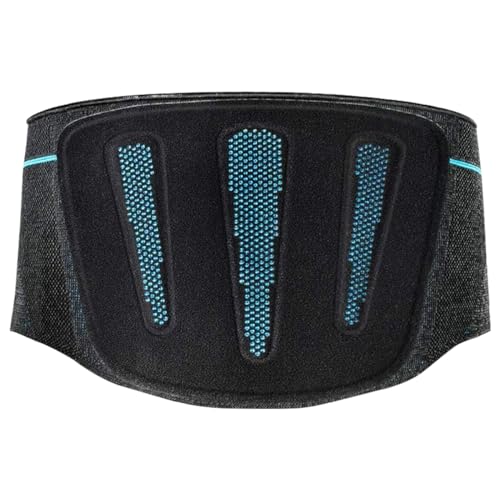
Össur Formfit Pro Back Support, Medium

TOSHOW Posture Corrector Bra, Front Closure

AOFIT Posture Corrector Back Support, XL
The Adontze brace takes a different route from conventional shoulder harnesses. Its open structure helps position the shoulders without wrapping the arms in the way many posture supports do, making it practical for a desk worker who needs reminder support without constant armpit pressure.
Adjustable and retractable parts make this option appealing for shared family use, although the exact fit will depend on body proportions. Compared with the more structured lumbar options later in the list, it focuses on upper-body positioning rather than lower-back compression.
Positive Takeaways
- The open-shoulder design allows freer arm movement during typing and household tasks.
- Adjustable components let you alter the pull as your posture or comfort changes.
- Its lighter structure suits periods of posture training rather than continuous wear.
- Adults and children can use the same basic design, making it useful for the household.
Trade Offs
- Because it does not wrap around the torso like a lumbar brace, it offers little lower-back compression.
- Shared use calls for careful adjustment each time, since a comfortable setting on one person may feel different on another.
Feature Snapshot
Made For
You benefit most from this brace as a desk worker, student, or family member who wants a light posture reminder for upper-back training.
Another Choice May Suit
People needing firmer lower-back stabilization may find the Bauerfeind LordoLoc Back Support more aligned with their needs.
This pink AOFIT model combines an X-shaped pull with a flexible central back support, giving the upper back a defined structure without the broad torso coverage of a lumbar brace. The curved underarm sections are shaped to reduce pinching while leaving your arms relatively mobile.
Its perforated center layer and moisture-wicking fabric make it more interesting for extended wear around a home office or study desk. You will need to verify the small size carefully, since this version is specifically labeled for smaller wearers.
What Works In Its Favor
- The X-cross layout encourages the shoulders back while the central bar adds upper-back support.
- Dual adjustable straps let you balance tension across the shoulders and torso.
- Perforated fabric improves airflow during longer work or study sessions.
Practical Considerations
- This listing is marked size S, so the listed variant may not suit larger body shapes.
- It can sit under or over clothing, but a close-fitting layer may be more comfortable for some wearers.
Who Will Love This
You will likely appreciate this brace as a petite woman seeking a fitted, breathable upper-back support for office or study routines.
Look Elsewhere When
The TOSHOW Posture Corrector Bra is the stronger option for women who prefer posture support integrated into a bra rather than a separate shoulder brace.
The LordoLoc focuses on the lumbar region rather than pulling the shoulders back. Four flexible aluminum rods sit along the lower back to support a more natural spinal curve, while the knit construction aims to balance structure with breathability.
Proprioception describes your body’s awareness of position and movement, and this brace is designed to heighten that awareness around the lower back. That makes it more relevant during lifting, walking, or long periods of standing than a lightweight upper-body reminder.
Standout Benefits
- Four flexible rods provide structured lumbar support without creating a rigid shell.
- The breathable knit is designed to release heat and remains machine washable.
- Hand straps and hook-and-loop fastening make application and adjustment easier.
- The construction is intended to increase lower-back positional awareness during movement.
- A defined waist measurement helps you select the corresponding size.
Details To Watch
- Correct sizing matters because a brace positioned too high or too low will not sit where the lumbar support is intended.
Technical Highlights
Built With In Mind
This brace suits people who need structured lumbar support for standing work, movement, or recovery from a demanding physical routine.
A Better Fit Elsewhere
People focused on rounded shoulders and upper-back alignment may prefer the Adontze Back Brace and Posture Corrector for Women and Men.
The Formfit Pro is a lower-back brace built around adjustable compression and stabilization. Unlike the LordoLoc’s four-rod approach, it prioritizes a closer, strap-adjusted fit that can move between exercise, standing tasks, and ordinary wear.
That versatility makes it a sensible middle ground for an active person who wants more structure than a soft posture reminder. Your comfort will depend on finding a tension level that supports the lower back without making normal breathing or movement feel forced.
A Few Highlights
- Adjustable straps let you control how securely the brace sits and how much compression you feel.
- The lower-back focus suits walking, exercise, and tasks that call for steadier torso positioning.
A Few Limitations
- This listing is the medium version, so you should compare the size chart before ordering.
- Compression is less targeted than the LordoLoc’s rod-based lumbar structure.
- It addresses the lower back rather than rounded shoulders or forward head position.
Right Fit For
This option fits people who want adjustable lower-back compression for sports, errands, and active everyday routines.
Reach For A Different Pick When
The Bauerfeind LordoLoc Back Support is a closer match when your priority is firm lumbar alignment supported by flexible rods.
The TOSHOW option folds posture support into a bra, which simplifies the morning routine. Wide straps and a reinforced X-cross panel draw the shoulders back, while the front hook-and-eye closure avoids twisting your torso to fasten it.
Its wire-free cups also provide shaping without underwire pressure, making the design more relevant to you than a conventional posture harness. The fit still needs attention, particularly for a fuller bust, and the fabric benefits from careful washing.
The Helpful Details
- Front closure makes the bra easier to put on and remove.
- Multiple hook rows help tailor the fit across different body shapes.
- The wire-free cups combine bust support with posture-oriented shoulder straps.
- An elastic underband is designed to resist rolling, digging, and slipping.
Worth Noting
- A fuller bust may require sizing up, and hand washing is recommended for care.
Key Product Details
Perfect Match For
You will find this most useful as a woman who wants posture support, bust shaping, and easy dressing in one garment.
Swap It Out When
The AOFIT Posture Corrector Upper Back Brace Pink S may suit you better when separate upper-back support matters more than combining it with a bra.
This larger AOFIT model uses four flexible back strips to support the upper back, shoulders, and waist without relying on a rigid panel. Its perforated middle layer is the standout detail, allowing more airflow while the moisture-wicking fabric helps manage perspiration.
You may find the XL designation more accommodating than many compact braces, particularly around the waist. The adjustment guide and balanced strap placement remain important, though, because comfort depends on centering the support rather than simply tightening it.
Reasons It Performs
- Four flexible strips provide broad support while allowing the back to move.
- Perforated, moisture-wicking fabric supports longer periods of wear.
Points To Keep In Mind
- The XL version still needs a careful fit check around the waist and shoulders.
- Incorrect adjustment can make the support sit unevenly.
- Persistent injury or chronic discomfort calls for guidance from a qualified healthcare professional.
Core Features
Who Should Grab It
This brace suits people who need broad, flexible support for work, household tasks, and movement without a rigid lumbar structure.
Where A Sibling Pick Shines
The TOSHOW Posture Corrector Bra, Front Closure is the more practical choice when you want posture support built into a garment you already wear.
What Matters Most in a Posture Corrective Brace
Match the Support Area
Your rounded shoulders call for an upper-back brace, while lower-back strain points toward lumbar compression or rods. Upper-body supports that pull the shoulders back will not substitute for a brace designed around the waist, so identify the area that feels most in need of help before comparing construction.
Set a Wear Schedule
A desk worker may benefit from periodic reminders during computer sessions, while a person working on their feet may want firmer support throughout the day. Braces intended for longer wear need breathable fabric, flexible joints, and clothing compatibility. You can adjust the structure based on comfort, but constant tightening is not a substitute for properly fitting the brace.
Check Fit Before Tightening
Use the sizing instructions and measure the body where the support is meant to sit. Pay attention to underarm clearance, strap placement, and whether the brace stays centered during movement. A slightly relaxed fit may be more sustainable than a severe one, especially during extended wear.
Smart Details That Distinguish the Options
Mistakes Worth Dodging
Avoid choosing solely by appearance, since a slim brace may offer little lower-back support. Check the wearing method, size, and cleaning requirements before buying, and do not assume every brace suits the same area of the body.
What Separates Premium From Basic
Higher-tier options often add stronger components, refined adjustment systems, or more specialized materials. Those improvements are worthwhile when you need durable structure, repeated wear, or a precise fit rather than occasional posture reminders.
Frequently Asked Questions
How long should you wear a posture corrective brace each day?
Wear it during the periods when you tend to slouch, such as desk work or commuting. Start with a manageable schedule and increase the duration only when the fit remains comfortable.
Can a posture brace help with rounded shoulders?
A brace can provide a positional reminder for rounded shoulders and forward head habits. It does not replace movement, strengthening, or professional advice for persistent discomfort.
Should a posture brace be worn over clothing?
Many braces work over or beneath clothing, depending on their thickness and construction. A smooth, close-fitting layer may prevent bunching, but you should check the product’s intended wearing method.
What size posture corrective brace should you choose?
Choose according to the manufacturer’s measurement instructions rather than a generic size label. Braces that sit at the waist, chest, or shoulders may each require different measurements.
Can you use a posture brace while exercising?
Light support may suit some low-impact activities, while stronger compression or rigid components can restrict movement. Select a brace designed for your activity and adjust it so you can breathe and move naturally.
Final Verdict
The Adontze Back Brace stands out for light, flexible upper-body support, while the Bauerfeind LordoLoc offers more deliberate lumbar structure. For convenient all-day dressing, the TOSHOW Posture Corrector Bra combines support with shaping, and the Össur Formfit Pro fits active routines that call for adjustable compression. Match the brace to the area you want to support, then prioritize a comfortable fit over maximum tightness.
