

By lunchtime, a student may already be leaning toward a laptop screen, and a long workday can leave your shoulders rounded and your lower back tired. Posture support braces can provide structure during those demanding hours, but the right design depends on where you need support and how much adjustment you want. These options range from slim lumbar belts to youth-oriented braces and electronic posture reminders.
A Side-By-Side Look

XiangAi Kids Back Brace Posture Corrector, Adjustable Lumbar Support Black Small

Portzon Adjustable Back Brace Posture Corrector

BraceAbility Ultra-Thin Women’s Lumbar Support Belt for Posture, Black XL
SOLOEVER Ultra Breathable Back Brace
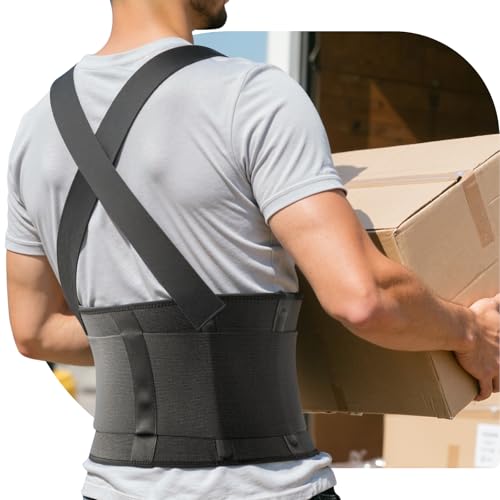
SOLOEVER Adjustable Work Back Brace

Kodgem Straight Plus AI-Powered Posture Corrector Trainer Device
More Details On Our Top Picks
A child hunched over homework or a tablet needs a brace that feels manageable rather than restrictive. The XiangAi design combines two vertical support elements, called a dual-spine structure, to encourage a straighter upper-back position while your child sits, studies, or moves around the house.
Unlike the adult-oriented Portzon brace, this model is sized specifically for smaller bodies and growing teens. Adjustable shoulder straps and a 4.7-inch waistband let you tailor the fit, while breathable mesh and padded underarms aim to keep it comfortable beneath clothing.
Well-Handled Touches
- You gain support across the upper and lower back without a rigid stay.
- The lightweight 0.44-pound body suits school days and home study sessions.
- Adjustable straps accommodate changes in your child’s waist size.
- Breathable polyester mesh helps reduce the warm, bulky feeling common in braces.
Trade Offs
- The small size fits a 19.68- to 25.98-inch waist, so check the measurement carefully.
- Growing teens may need the next size, and sizing up is the manufacturer’s suggestion.
Key Specs
Who It Suits Best
You will find this model most useful for a school-age child or teen who needs a fairly structured upper-back brace during study and screen time.
Where Another Pick Suits Better
Portzon Adjustable Back Brace Posture Corrector offers a better fit for an adult who wants upper-back and shoulder support without youth-specific sizing.
Your desk can quietly pull your shoulders forward, especially during a long spreadsheet session. The Portzon brace surrounds the upper back and shoulders with adjustable sections, giving you a more upright position to work against rather than leaving posture entirely to conscious effort.
You put it on by positioning the shoulder pads, securing the waist section, and stretching the elastic back straps toward the belt. The simple adjustment system makes this a practical option for office workers, students, and anyone alternating between sitting and standing throughout the day.
A Few Highlights
- You can adjust the shoulder, waist, and back sections to suit different postures.
- Soft, breathable fabric feels lighter during extended wear.
- The washable material simplifies care between uses.
Worth Noting
- You need to reposition the elastic straps whenever the waist belt shifts.
- The broad upper-body coverage may feel more substantial under a fitted shirt than the BraceAbility belt.
Made For
You get the most benefit from this brace during mixed desk work, commuting, and standing tasks that call for support across your shoulders and upper back.
Consider Something Else When
BraceAbility Ultra-Thin Women’s Lumbar Support Belt for Posture, Black XL suits you better when discreet lower-back support under fitted clothing matters most.
A brace can be supportive without announcing itself beneath your clothes. The BraceAbility model uses thin, flexible fabric to provide lumbar support, meaning support around the lower portion of your back, while keeping the profile close to your body.
Two tension straps let you increase or reduce compression as your day changes. You can tighten the belt for errands or standing work and loosen it for desk time, while the contoured shape is intended to stay in place around the waist and hips without bunching.
Practical Pluses
- You can wear the low-profile design beneath fitted shirts, dresses, or leggings.
- Two adjustable straps make compression changes straightforward.
- The contoured fit targets the waist and hip rather than relying on a straight panel.
- Latex-free fabric suits you if you prefer to avoid latex contact.
Points To Note
- The listed color and size are black and XL, so check both before ordering.
- Its lower-back focus offers less shoulder coverage than the Portzon brace.
Quick Facts
Right Fit For
You benefit most from this belt when you spend long hours on your feet or at a desk but need lumbar support that remains inconspicuous at work.
Not Your Match When
Portzon Adjustable Back Brace Posture Corrector provides a better match when you want broad shoulder and upper-back coverage in addition to lumbar support.
Long days on your feet call for lower-back support that follows your body rather than sitting as a rigid slab. The SOLOEVER design uses a 26-degree support panel shaped around the lumbar region, the lower section of the spine running from L1 through L5.
That curved approach distinguishes it from the straightforward elastic pull of the BraceAbility belt. You gain a shaped support area for warehouse shifts, standing appointments, or long periods of upright work, though the fixed panel is a different experience from freely adjustable compression straps.
Positive Points
- You get a support surface designed around the natural lumbar curve.
- The breathable construction suits extended wear in warm settings.
- The shaped panel targets the lower back without extending across your shoulders.
Minor Gripes
- The fixed 26-degree geometry may feel more structured than the ultra-thin BraceAbility belt.
- You should check the brace’s physical fit carefully before wearing it through a full shift.
Best Suited To
You will likely appreciate this model during long standing shifts or active workdays when shaped lumbar support matters more than shoulder coverage.
Look Elsewhere When
SOLOEVER Adjustable Work Brace suits you better when you want adjustable tension for different job tasks and lifting demands.
Construction work, warehouse shifts, and repeated lifting call for a brace built around a clear priority: lower-back support during demanding tasks. The SOLOEVER work model keeps that focus narrow and practical, with an adjustable belt that can follow changing movement and body positions.
You can tighten the support while handling a demanding task and reduce it during lighter periods. Unlike the XiangAi youth brace, this option concentrates on the lower back rather than adding upper-back and shoulder elements, making its purpose easier to understand at a glance.
Noteworthy Benefits
- You gain focused support for physically demanding work and repeated lifting.
- Adjustment lets you tune the fit as your position changes.
- The unisex design serves a broad range of body types.
- Durable, comfortable materials suit regular workwear use.
Practical Considerations
- You may need to readjust it between heavy and light tasks.
- Its lower-back coverage does not match the broader upper-body support of the Portzon model.
Core Details
Built With In Mind
You get the most benefit from this brace in warehouse, construction, delivery, or other roles that keep you moving and lifting during long shifts.
A Better Fit Elsewhere
SOLOEVER Ultra Breathable Back Brace offers a better match when you want a curved lumbar panel instead of a straightforward adjustable work belt.
Passive braces depend on tension and your awareness of how you are sitting. The Kodgem Straight Plus takes a different approach with electronic biofeedback, a signal system designed to provide a gentle reminder as your posture changes. The included necklace keeps the device accessible without a bulky back belt.
You benefit most in a quiet office, study space, or home setup where subtle vibration can alert you without interrupting a meeting. Compared with the Portzon model, you trade mechanical support and adjustable straps for a training tool that helps you notice slouching as it happens.
A Strong Showing
- You receive feedback without manually checking your posture in a mirror.
- The subtle vibration suits office and study environments.
- The necklace lets you wear the trainer around your neck.
- The device supports both sitting and standing posture awareness.
Potential Compromises
- You need to charge the battery fully before the first use.
- It offers a reminder rather than the mechanical support of a fitted belt.
Feature Snapshot
Who Will Love This
You will enjoy this device most from an office chair or study desk where posture awareness matters but a full brace feels too restrictive.
Swap It Out When
Portzon Adjustable Back Brace Posture Corrector suits you better when you want constant physical support across your shoulders and upper back.
What to Match Before You Select a Brace
Upper Body or Lower Back?
Start with the area that actually causes trouble during your day. A shoulder-and-upper-back design such as the Portzon model suits desk work and screen-heavy routines, while the BraceAbility belt and both SOLOEVER choices concentrate on the lumbar region.
Adjustment and Support Style
Elastic pull straps, elastic straps with hook-and-loop closures, and curved support panels create different wearing experiences. You gain more control with adjustable tension, while a shaped panel provides consistent contact across a defined section of your lower back.
Comfort Beneath Clothing
Mesh and ultra-thin fabric serve different priorities. You get better airflow with a more ventilated construction, whereas a close-fitting belt can remain less noticeable under fitted clothing. Consider your shirt, work uniform, or daily layers before selecting the profile.
Your Daily Setting
Your school schedule, office chair, warehouse shift, and lifting duties should guide the choice. Electronic feedback makes sense for posture training, while a traditional belt offers direct support whenever you need a firmer reminder during movement.
Common Mistakes and Costly Features
Mistakes Worth Dodging
Avoid choosing by appearance alone, since a slim brace may concentrate on the lower back while a broader model supports your shoulders. Measure your waist and consider the clothing you normally wear. For electronic trainers, account for charging and your reaction to vibration during work or study.
What Separates Premium From Basic
Better materials, refined shaping, and more precise adjustment usually separate higher-tier braces from basic belts. The added expense is most useful when your schedule demands long wear, repeated movement, or discreet placement under clothing. A simpler model remains sensible for occasional support.
Frequently Asked Questions
Which posture brace is best for a child?
The XiangAi Kids Back Brace Posture Corrector offers youth-specific sizing and adjustable shoulder and waist straps, making it the more relevant choice for a child or growing teen.
Can you wear a posture brace under a shirt?
You can wear a slim lumbar belt beneath a fitted shirt, while broader shoulder braces may remain visible. Check the garment’s fit and choose a profile that matches your usual clothing.
How tight should a posture support brace feel?
You need secure support without restricting normal breathing or movement. Start with moderate tension and adjust it according to your comfort and the activity ahead.
Are electronic posture trainers better than braces?
Electronic trainers help you notice posture changes, while braces provide physical support through tension and shaping. Your office environment and preference for constant structure determine which approach suits you better.
How long can you wear a posture brace daily?
Wear time depends on comfort, activity, and the brace’s design. You can start with shorter periods and increase gradually, removing it whenever it causes discomfort, numbness, or restricted movement.
Final Thoughts
The best fit depends on your body, schedule, and clothing: XiangAi serves growing bodies, Portzon covers the upper body, BraceAbility stays slim, SOLOEVER focuses on the lower back, and Kodgem Straight Plus adds electronic reminders. Measure carefully, prioritize the area that needs the most attention, and favor a brace you can comfortably wear without disrupting your day.
