

You want a barbecue sauce that tastes like you simmered it all afternoon, without mystery preservatives. Pick from rich, molasses-backed Kraft Original, honey-kissed Kraft Hint of Honey, caramel-soft Kraft Sweet Brown Sugar, smoky-sweet Head Country Honey, or the tangy Montgomery Inn. Each pours thick, clings to meat, and uses familiar ingredients like brown sugar, honey, vinegar, and spices. Try one as a glaze, marinade, or dip and notice how simple ingredients change the whole meal.
| Kraft Original Slow-Simmered Barbecue BBQ Sauce 18 oz Bottle |
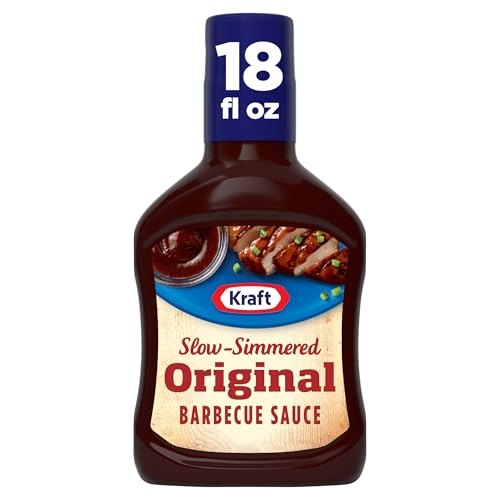
| Family Favorite | Flavor Profile: Bold smoky with molasses and apple cider vinegar | Primary Uses: Marinade, dipping, condiment for chicken/pork/beef | Bottle/Size: 18 oz resealable bottle | VIEW LATEST PRICE | Read Our Analysis |
| Head Country Honey BBQ Sauce – Sweet & Smoky |

| Pitmaster Pick | Flavor Profile: Sweet and smoky with toasted honey notes | Primary Uses: Great on beef, pork, chicken; wings and pulled pork | Bottle/Size: 20 oz bottle (pack of 1) | VIEW LATEST PRICE | Read Our Analysis |
| Montgomery Inn BBQ Sauce – 28oz |

| Heritage Classic | Flavor Profile: Tomato-based, classic barbecue flavor | Primary Uses: Ribs and general grilling/serving | Bottle/Size: 28 oz bottle | VIEW LATEST PRICE | Read Our Analysis |
| Kraft Hint of Honey Slow-Simmered Barbecue BBQ Sauce 18 oz Bottle |

| Sweet & Tangy | Flavor Profile: Sweet honey with smoky and tangy notes | Primary Uses: Grill, oven, crockpot, dipping, marinades | Bottle/Size: 18 oz bottle | VIEW LATEST PRICE | Read Our Analysis |
| Kraft Sweet Brown Sugar Slow-Simmered Barbecue BBQ Sauce 18 oz Bottle |

| Sweetest Choice | Flavor Profile: Sweet brown sugar with molasses and tomato | Primary Uses: Marinade, condiment, dipping; grilled meats and seafood | Bottle/Size: 18 oz resealable bottle | VIEW LATEST PRICE | Read Our Analysis |
More Details on Our Top Picks
Kraft Original Slow-Simmered Barbecue BBQ Sauce 18 oz Bottle
Provided you want a family-friendly, preservative-free barbecue sauce that’s easy to use every night, Kraft Original Slow-Simmered Barbecue Sauce fits the bill. You’ll find a bold, smoky flavor with a touch of sweetness that comforts picky eaters and curious kids. It blends molasses, apple cider vinegar, spices, and smoky hickory into a thick, slow-simmered texture that spreads, cooks, and dips without fuss. Use it as a marinade for chicken, pork, or beef and as a dipping sauce for wings and nuggets. At 60 calories per serving, it keeps meals simple, tasty, and family-approved.
- Flavor Profile:Bold smoky with molasses and apple cider vinegar
- Primary Uses:Marinade, dipping, condiment for chicken/pork/beef
- Bottle/Size:18 oz resealable bottle
- Sweetness Element:Molasses and hint of sweetness
- Dietary Claims:Family-friendly (nutrition noted), 60 cal/serving
- Texture/Consistency:Thick, slow-simmered for easy spreading/dipping
- Additional Feature:Resealable bottle packaging
- Additional Feature:Slow-simmered preparation
- Additional Feature:Hickory smoky notes
Head Country Honey BBQ Sauce – Sweet & Smoky
Provided you want a honey-forward, preservative-free BBQ sauce that still brings bold flavor, Head Country Honey BBQ Sauce is a smart pick. You’ll taste warm, toasted honey up front, then a smoky backbone supported by sturdy spices. It’s gluten free and soy free, and the label lists no allergens or added preservatives, so you can feel confident serving it to guests. Use it on beef, pork, chicken, wings, or pulled pork, and bring it to campfire cookouts or restaurant service. Championship pitmasters pick it for a reason, and you’ll enjoy its honest, homey profile.
- Flavor Profile:Sweet and smoky with toasted honey notes
- Primary Uses:Great on beef, pork, chicken; wings and pulled pork
- Bottle/Size:20 oz bottle (pack of 1)
- Sweetness Element:Honey (toasted honey notes)
- Dietary Claims:Gluten free, soy free, no added preservatives
- Texture/Consistency:Sauce with bold, robust body suitable for grilling
- Additional Feature:Championship pitmaster favorite
- Additional Feature:No added preservatives
- Additional Feature:Gluten- and soy-free
Montgomery Inn BBQ Sauce – 28oz
Should you love bold, tomato-forward barbecue that stays true to tradition, Montgomery Inn BBQ Sauce is a great pick for home cooks who want authentic flavor without fuss. You’ll notice its rich, tangy base made in small batches since 1951, a recipe born in Montgomery, Ohio from Ted Gregory and his wife Matula. You can trust it for ribs, grilling, or as a table sauce, and it’s comforting to know it’s gluten free and contains no high fructose corn syrup. Fans include movie stars and presidents, so you’ll feel confident serving a sauce with genuine history and steady, reliable taste.
- Flavor Profile:Tomato-based, classic barbecue flavor
- Primary Uses:Ribs and general grilling/serving
- Bottle/Size:28 oz bottle
- Sweetness Element:Sweet tomato-based profile (no HFCS)
- Dietary Claims:Gluten free, no high fructose corn syrup
- Texture/Consistency:Small-batch sauce, typical tomato-based barbecue consistency
- Additional Feature:Small-batch production
- Additional Feature:No high-fructose corn syrup
- Additional Feature:Long-standing heritage
Kraft Hint of Honey Slow-Simmered Barbecue BBQ Sauce 18 oz Bottle
Should you love sweet, simple flavors that still pack a little smoke, Kraft Hint of Honey Slow-Simmered Barbecue Sauce is a great pick for home cooks who want a ready-made, preservative-free option that feels homemade. You’ll notice honey upfront, followed by a gentle smoky note and tang from tomato puree and vinegar. It mixes well as a glaze, dip, or marinade, and you can use it in the oven, on the grill, stove, or crockpot. Each two tablespoon serving has 60 calories, no fat, and no cholesterol. It’s kosher certified and stays best after being refrigerated following opening.
- Flavor Profile:Sweet honey with smoky and tangy notes
- Primary Uses:Grill, oven, crockpot, dipping, marinades
- Bottle/Size:18 oz bottle
- Sweetness Element:Honey-sweetened flavor
- Dietary Claims:Certified Kosher, 60 cal/serving, fat- and cholesterol-free
- Texture/Consistency:Slow-simmered, pourable for basting/dipping
- Additional Feature:Certified Kosher
- Additional Feature:Multi-method use (oven/grill/crockpot)
- Additional Feature:Includes paprika and dried onions
Kraft Sweet Brown Sugar Slow-Simmered Barbecue BBQ Sauce 18 oz Bottle
Assuming you love sweet, homey barbecue flavors but want to skip extra additives, this Kraft Sweet Brown Sugar Slow-Simmered BBQ Sauce is a friendly pick for family dinners and easy weeknight meals. You’ll notice real brown sugar and molasses on initial taste, with tomato puree and spices rounding the flavor. It’s slow-simmered to deepen sweetness without being cloying. Use it as a condiment, marinade, or dipping sauce on grilled chicken, pork chops, pulled pork, crock pot ribs, oven barbecue chicken, or shrimp. The 18 oz resealable bottle locks in flavor. There’s no fat and about 70 calories per serving.
- Flavor Profile:Sweet brown sugar with molasses and tomato
- Primary Uses:Marinade, condiment, dipping; grilled meats and seafood
- Bottle/Size:18 oz resealable bottle
- Sweetness Element:Real brown sugar and molasses
- Dietary Claims:No fat, 70 cal/serving
- Texture/Consistency:Thick, slow-simmered for spreading and dipping
- Additional Feature:Made with real brown sugar
- Additional Feature:Resealable bottle convenience
- Additional Feature:Slightly higher calories (70)
Factors to Consider When Choosing Preservatives Free Barbecue Sauces
At the moment you’re picking a preservative free barbecue sauce, look initially at the ingredient list so you understand exactly what’s inside and can spot natural preservation methods like vinegar, citrus, or fermentation. Pay attention to sugar and sweetener types and amounts, check sodium levels for heart-friendly choices, and read allergen and label claims so you avoid concealed triggers. These factors work together to keep your sauce tasty and safe, and appreciating how they relate helps you choose a sauce you’ll feel good about serving.
Ingredient Transparency
Because what’s on the label tells you a lot, start reading the full ingredient list so you know exactly what you’re putting on your food. You’ll feel safer whenever each item is named, like tomato puree, vinegar, sugar, and spices, rather than vague terms such as natural flavors or spices. Look for clear preservative-free claims like no preservatives, no sodium benzoate, or no potassium sorbate and make sure those words don’t contradict other parts of the label. Check ingredient order according to weight to see if whole foods appear first, which usually means fewer concentrated additives. Also watch for high sugar, salt, or vinegar levels that act like shelf stabilizers and consider whether they fit your diet. Should you spot certifications, confirm the certifier’s standards match your goals.
Natural Preservation Methods
Choosing a preservative-free barbecue sauce means paying attention to how nature and good processing keep food safe and tasty, and you can spot the right clues. You’ll want sauces with clear acid sources like vinegar, citrus, or fermented ingredients. Acids lower pH and stop dangerous microbes from growing, so low-pH sauces are safer for room-temperature storage. Also look for salt and ingredients that lower water activity because less available water slows spoilage. Pay attention to labels that mention thermal processing or hot-fill bottling since heat treatment reduces microbes before sealing. Natural antimicrobials such as garlic, mustard, and warming spices add flavor and help inhibit microbes. Finally check packaging and follow refrigeration after opening to limit oxygen and slow rancidity.
Sugar And Sweeteners
You’ve learned how acid, salt, and processing keep preservative-free sauces safer, and sugar plays a quiet but powerful role in that same balance. You’ll notice different sugars change taste, texture, and safety. Sucrose, brown sugar, and molasses add body and mouthfeel while lowering water activity slightly, yet they still can feed microbes provided water stays high. Liquid sweeteners like high-fructose corn syrup thin your sauce, enhance browning, and help shelf-stability, but they raise fermentable sugars that can encourage spoilage unless refrigeration is used. Honey and maple add flavor depth and mild antimicrobial bits, but their water content varies and needs recipe tweaks. Non-nutritive sweeteners give sweetness without feeding microbes, yet you’ll need thickeners or other ways to mimic texture and reduce water activity.
Sodium Content Levels
Sodium in preservative-free barbecue sauces matters more than you might expect, so it’s worth checking the label before you pour. Sodium can range from about 150 mg to over 500 mg per 2-tablespoon serving, so you should compare Nutrition Facts to find a balance you like. Higher sodium often enhances flavor and helps the sauce last without additives, yet a single serving could hit 8–20% of the 2,300 mg daily limit. Should you watch salt, look for low sodium 140 mg or less, or reduced sodium versions that list at least 25% less. Scan ingredients for salt, soy sauce, Worcestershire, and vinegars to spot big sources. You can dilute sauce with low-sodium tomato puree or use less as a glaze to increase sodium savings per serving.
Allergen And Label Claims
After you check sodium, turn your attention to allergens and label claims because they can influence your safety and peace of mind as soon as buying preservative-free barbecue sauce. Read the ingredient list for milk, eggs, fish, shellfish, tree nuts, peanuts, wheat gluten, and soy. Keep in mind absence on the list doesn’t guarantee no cross-contact during manufacturing. Look for clear claims like gluten-free, soy-free, nut-free, or contains no common allergens and see whether a third party backs them. Check might contain or processed in a facility statements to judge cross-contamination risk. Know that natural or preservative-free labels don’t remove mandatory allergen declarations. Should your allergy be severe, call the manufacturer and ask about their allergen controls and testing for up-to-date reassurance.
Flavor Intensity Balance
Whenever you taste a preservative-free barbecue sauce, observe how bright the vinegar and sweet notes stand out because makers rely on natural sugars and acids to carry flavor; that means sauces often taste sweeter and tangier than versions with preservatives, and you’ll want to judge how those elements balance before you buy. Pay attention to acid-sweetness balance because a pH near 3.2 to 4.2 keeps flavors lively without cloying. Notice savory depth next. Makers add salt, tomato concentrate, or mushroom and yeast extracts to lift umami without extra sugar. Also consider intensity of smoky and spicy notes since they start stronger to hold up when heated. Finally check texture. Thicker sauces cling and lengthen taste, so they might need less sugar or shorter reduction to avoid overload.
Packaging And Shelf Life
Consider about the bottle or jar like a small protective house for your sauce; the right home keeps flavors bright and slows spoilage so you can enjoy every last drop. Choose glass jars or opaque PET bottles because they block oxygen better than thin flexible pouches. That matters for preservative free sauces. Also pick airtight resealable containers with tamper-evident seals and controlled headspace. They limit recontamination and slow microbial growth after opening. In the event the sauce is hot-filled or pasteurized into heat-stable packaging, unopened jars will last several months in the fridge. Look for single-use dispensing options like squeeze bottles or portion cups to cut cross-contamination. Finally, clear labeling with refrigerate after opening, a 30 to 45 day use window, and lot or date codes helps you feel confident and safe.
Versatile Cooking Uses
Whenever you want a single sauce that does a lot of work in the kitchen, preservative-free barbecue sauces are a smart choice because their natural acids and sugars do real culinary jobs rather than just adding flavor. You can marinate poultry or pork for 30 minutes to 8 hours, since vinegar or citrus and sugars help the meat absorb taste and tenderize. For grilling or roasting, baste in the final 10 to 15 minutes to build caramelized color without breaking down fresh ingredients. Should you pull meats or make sandwiches, stir sauce into shredded protein off heat so flavors meld gently. For slow cooking or braises, add sauce at the start for 4 to 8 hours to soften connective tissue. Refrigerate opened bottles for 2 to 4 weeks or freeze portions in trays.
