

Like a reliable old friend, the right pinto beans can rescue dinner and fuel your week. You’ll want beans that balance protein, texture, and ease-so you get hearty meals without fuss. I’ll show practical picks for bulk cooks, sprouters, and those who need ready-to-eat pouches, plus what to watch for whenever you buy-keep going to find the best fit for how you cook.
| Food to Live Premium Dry Beans 3-Pack (15 lb) |

| Best Bulk Value | Product Type: Dry bean bundle (5 lb pinto included) | Bean Variety: Pinto (included in 3-pack) | Plant-Based / Diet Suitability: Vegan / plant-based | VIEW LATEST PRICE | Read Our Analysis |
| SOMOS Pinto & Black Beans Ready-to-Eat Pouches (6) |

| Most Convenient | Product Type: Ready-to-eat pouches (pinto & black) | Bean Variety: Pinto (included alongside black) | Plant-Based / Diet Suitability: Plant-based / vegan | VIEW LATEST PRICE | Read Our Analysis |
| Food to Live Organic Dry Beans Bundle (2 Pack) |

| Best Organic Choice | Product Type: Organic dry bean bundle (5 lb pinto included) | Bean Variety: Pinto (included in 2-pack) | Plant-Based / Diet Suitability: Vegan / plant-based | VIEW LATEST PRICE | Read Our Analysis |
| Camellia Dried Pinto Beans (1 lb Pack of 6) |

| Trusted Classic | Product Type: Dry pinto beans (1 lb, pack of 6) | Bean Variety: Pinto (Camellia heirloom pintos) | Plant-Based / Diet Suitability: Vegan / plant-based | VIEW LATEST PRICE | Read Our Analysis |
| High Plains Pinto Beans – 25 lb Bag (Non-GMO) |
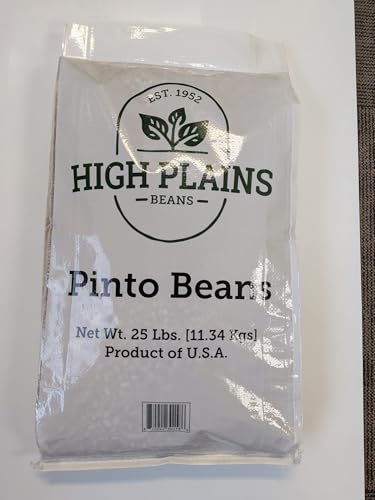
| Best for Stocking | Product Type: Dry pinto beans (25 lb bag) | Bean Variety: Pinto (High Plains pintos) | Plant-Based / Diet Suitability: Plant-based / vegetarian/vegan friendly | VIEW LATEST PRICE | Read Our Analysis |
More Details on Our Top Picks
Food to Live Premium Dry Beans 3-Pack (15 lb)
Should you want a versatile, long-lasting pantry base that fuels plant-based meals, the Food to Live Premium Dry Beans 3-Pack is a smart choice-especially for cooks who value bulk, non-GMO ingredients. You get three 5 lb bags: pinto, black, and navy beans, all raw, sproutable, kosher, vegan, and made in the USA. They deliver plant protein, fiber, folate, and minerals like iron and potassium. Use them in soups, stews, chili, rice and beans, tacos, or to replace canned beans. Dry storage supports batch cooking and long-term meal planning with reliable, economical portions.
- Product Type:Dry bean bundle (5 lb pinto included)
- Bean Variety:Pinto (included in 3-pack)
- Plant-Based / Diet Suitability:Vegan / plant-based
- Non-GMO / Organic Claim:Non-GMO verified
- Primary Nutritional Highlights:High protein, high fiber, folate, minerals (iron, potassium, magnesium)
- Common Culinary Uses:Soups, stews, chili, rice & beans, refried-style uses, vegan dishes
- Additional Feature:Sproutable raw beans
- Additional Feature:Kosher certified vegan
- Additional Feature:Bulk 5 lb bags
SOMOS Pinto & Black Beans Ready-to-Eat Pouches (6)
Should you’re after a quick, nutritious plant-based protein lift, SOMOS Pinto & Black Beans Ready-to-Eat Pouches are ideal for busy people who want microwave-ready meals without sacrificing quality. You’ll get 6 convenient 10 oz pouches of pinto and black beans, fully plant-based, gluten-free and non-GMO, with transparent labels so you know what you’re eating. The pouches heat fast, providing satisfying flavor and nutrition with minimal prep. SOMOS follows strict quality and safety checks from sourcing to packaging and uses eco-friendly materials to cut waste. In case issues arise, dedicated customer support aims to resolve them promptly, ensuring a positive experience.
- Product Type:Ready-to-eat pouches (pinto & black)
- Bean Variety:Pinto (included alongside black)
- Plant-Based / Diet Suitability:Plant-based / vegan
- Non-GMO / Organic Claim:Non-GMO
- Primary Nutritional Highlights:Plant protein source; labeled nutrition info (gluten free)
- Common Culinary Uses:Ready-to-eat as side/ingredient for chili, rice, tacos, quick meals
- Additional Feature:Microwave-ready pouches
- Additional Feature:Eco-friendly packaging
- Additional Feature:10 oz single-serve
Food to Live Organic Dry Beans Bundle (2 Pack)
In case you want a pantry-ready, nutrient-dense bean pair that covers cooking and sprouting needs, the Food to Live Organic Dry Beans Bundle (2 Pack) is ideal – it gives you 5 lb each of organic pinto and black beans that are non‑GMO, sproutable, and suitable for vegan, kosher, and bulk meal planning. You’ll get plant protein, fiber, antioxidants, B6, folate, K, thiamine, magnesium, iron, zinc, phosphorus, and potassium. Use them in soups, stews, chilis, tacos, refried beans, feijoada, or sprout for fresh greens. Properly stored, these dry beans keep up to four years, so you’ll stock a reliable pantry staple.
- Product Type:Organic dry bean bundle (5 lb pinto included)
- Bean Variety:Pinto (included in 2-pack)
- Plant-Based / Diet Suitability:Vegan / plant-based
- Non-GMO / Organic Claim:Organic + Non-GMO
- Primary Nutritional Highlights:High protein, high fiber, vitamins (B6, B9, K) and minerals (magnesium, iron, zinc)
- Common Culinary Uses:Soups, stews, refried, chili, burritos, tacos, sprouting
- Additional Feature:USDA organic certified
- Additional Feature:4-year shelf life
- Additional Feature:Includes both varieties
Camellia Dried Pinto Beans (1 lb Pack of 6)
In case you want a reliable, family-trusted pantry staple that delivers hearty flavor and maximum fiber, Camellia Dried Pinto Beans (1 lb, pack of 6) are a smart pick for meal preppers, vegetarian cooks, and fans of Southwestern and Latin American recipes. You’ll get a premium heirloom pinto that’s non-GMO, gluten-free, and vegan-friendly, supplying plant protein, iron, potassium, and the most fiber among common beans. Its creamy texture and rich taste suit chili, refried beans, soups, stews, casseroles, and rice dishes. Camellia’s family-owned legacy since 1923 and USDA-exceeding quality make these beans consistently dependable.
- Product Type:Dry pinto beans (1 lb, pack of 6)
- Bean Variety:Pinto (Camellia heirloom pintos)
- Plant-Based / Diet Suitability:Vegan / plant-based
- Non-GMO / Organic Claim:Non-GMO
- Primary Nutritional Highlights:Plant protein, high fiber, iron, potassium
- Common Culinary Uses:Chili, refried beans, soups, stews, casseroles, Mexican dishes
- Additional Feature:Heirloom premium variety
- Additional Feature:Family-owned brand
- Additional Feature:Exceeds USDA standard
High Plains Pinto Beans – 25 lb Bag (Non-GMO)
Should you want a reliable, nutrient-dense staple that’s great for bulk cooking and meal prep, High Plains Pinto Beans – 25 lb Bag (Non-GMO) is a top choice. Grown on the High Plains of Colorado, Wyoming, and Nebraska through a 70-year farmer partnership, these medium, oval beans bring bright color and a distinctive earthy flavor that turns solid brown after being cooked. You’ll get creamy texture ideal for refried beans, chilis, soups, casseroles, and freezing following prep. Packed in sturdy BOPP for long shelf life, they’re non-GMO, low-fat, gluten-free, and rich in protein, fiber, potassium, and folate.
- Product Type:Dry pinto beans (25 lb bag)
- Bean Variety:Pinto (High Plains pintos)
- Plant-Based / Diet Suitability:Plant-based / vegetarian/vegan friendly
- Non-GMO / Organic Claim:Non-GMO verified
- Primary Nutritional Highlights:High protein, high fiber, potassium, folate
- Common Culinary Uses:Refried beans, Tex‑Mex/Mexican dishes, chili, soups, casseroles, freezing after cooking
- Additional Feature:Sourced from High Plains
- Additional Feature:25 lb bulk bag
- Additional Feature:BOPP moisture-resistant bag
Factors to Consider When Choosing Protein Pinto Beans
Upon choosing protein pinto beans, you’ll want to compare protein per serving and the amino acid profile to make sure they meet your dietary needs. Check fiber content and reported digestibility, and decide whether organic or non‑GMO certification matters to you. Finally, look at sourcing and origin to assess quality, traceability, and farming practices.
Protein Content Per Serving
Although pinto beans pack a moderate punch of protein, you’ll usually get about 7–9 grams from a practical 1/2-cup (≈90 g cooked) serving, making them a reliable plant-based source per portion. You should base meal planning on cooked weights, since dry-to-cooked ratios and soaking change bean weight but not total protein; measuring after cooking gives the most practical values. Pinto beans deliver roughly 7–9 g protein for about 120–150 kcal per 1/2-cup, a favorable protein-to-calorie ratio compared with many foods. To meet daily targets, two to three 1/2-cup servings provide about 14–27 g protein, which helps hit adult needs of ~46–56 g/day. Pair servings with grains to complement their amino acid limitations.
Amino Acid Profile
Now that you know how much protein pinto beans give per serving, you’ll want to look at the quality of that protein – the amino acid profile – because it determines how well the protein supports your body’s needs. Pinto beans deliver all nine essential amino acids and are particularly rich in lysine, which complements cereal-based diets. However, methionine (a sulfur-containing amino acid) is typically the limiting one, so you’ll get a more complete amino acid pattern through pairing beans with rice, corn, seeds, or nuts. Cooking preserves most indispensable amino acids unless you avoid excessive high-heat processing; be aware that Maillard reactions can reduce lysine in processed products. Aim for dietary variety and smart combinations to meet essential amino acid requirements.
Fiber And Digestibility
Because pinto beans pack about 15–16 grams of fiber per cooked cup, they can play a major role in digestion and satiety while also affecting how well you tolerate and absorb nutrients. You’ll get both soluble fiber (pectin and mucilages) that feeds beneficial gut bacteria and slows glucose absorption, and insoluble fiber that adds bulk and speeds transit to prevent constipation. Should you be sensitive to gas, increase intake gradually and soak or rinse dried beans before cooking to reduce raffinose and stachyose. Use pressure-cooking, discard soaking water, or add digestive aids like ginger, asafoetida, or enzyme supplements to lower oligosaccharides and anti-nutrients. These steps improve comfort and nutrient availability so you may enjoy pinto beans regularly.
Organic And Non‑GMO
Good digestion and nutrient uptake matter, but you’ll also want to think about how the beans were grown. Should you prefer fewer synthetic residues, choose organic pinto beans grown without synthetic pesticides, herbicides, or genetically engineered seeds. Non‑GMO labels mean the seed stock wasn’t genetically modified, which matters in case you want to avoid GE organisms.
Organic certification also enforces soil‑health measures and crop rotation, supporting long‑term fertility and on‑farm biodiversity. Expect a higher price per pound: organic and non‑GMO production often requires more labor and certification, and that premium shows up on the label. Both claims are verified through third‑party certification or testing, so check for official seals or documentation to confirm authenticity before buying.
Sourcing And Origin
Whenever evaluating pinto beans, check where and how they were grown-climate, soil type and regional practices shape flavor, texture and moisture that affect cooking and nutrition. You should verify geographic origin and growing region on labels or supplier sites, since beans from different areas cook and taste differently. Prefer suppliers that provide traceable farm-to-pack information so you can confirm cultivation methods and reduce contamination risk. Should you want assurance about seed genetics and chemical use, choose organic or non-GMO labeled beans. Ask whether stock comes from single-harvest lots or blended batches; single-lot sourcing usually gives more consistent cooking times and quality. Also confirm the source’s post-harvest handling-moisture-controlled, hermetic storage lowers mold risk and preserves bean integrity.
Packaging And Shelf‑Life
While selecting pinto beans, prioritize moisture‑resistant, airtight packaging-like foil‑lined pouches, Mylar with oxygen absorbers, or vacuum‑sealed bags-because those options cut mold and insect risk and slow nutrient and color loss. Choose packages that list a pack or best‑by date and storage instructions so you can rotate stock and track freshness. Properly sealed dry beans stored below 70°F and under 15% relative humidity keep quality for 1–4 years; flavor and texture peak in the initial 1–2 years. Vacuum sealing and oxygen absorbers further reduce rancidity from residual seed oils and slow nutrient degradation compared with paper or perforated bags. After opening, transfer beans to food‑grade buckets with gamma lids, glass jars, or reusable Mylar with absorbers to protect against pests and humidity.
Preparation And Convenience
Consider how you’ll actually cook and use the beans-your choice will shape prep time, storage, and meal flexibility. Should you buy dry pinto beans you’ll need to soak 8–12 hours or use the quick-soak (boil 2 minutes, soak 1 hour) to cut cooking and improve digestibility; unsoaked beans simmer 1.5–2.5 hours. An Instant Pot drops that to about 25–30 minutes plus natural release, ideal for weeknights. Ready-to-eat, canned, or pouch beans remove soaking and long simmering-cans (15–16 oz) and pouches (8–10 oz) give consistent texture and portions but require refrigeration after opening. For meal prep, cooked dry beans freeze well up to six months and are most economical, though they demand the biggest upfront time investment.
