

A late-night bottle feed can be frustrating when your newborn pulls away, swallows air, or struggles to settle afterward. You need a bottle that supports a steady pace, a comfortable latch, and manageable cleaning, without making the setup harder than your day already is.
These seven options cover different newborn feeding priorities, from narrow vented bottles to glass, PPSU, and breast-like designs. The details that matter most include nipple flow, venting, capacity, and how often you want to wash the parts.
The Picks In Brief
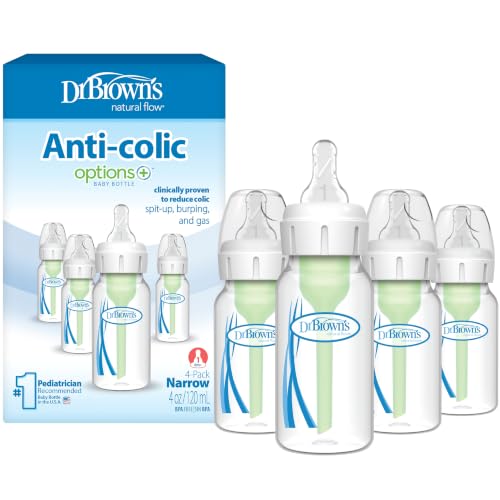
Dr. Brown’s Options+ Anti-Colic Baby Bottle

Tommee Tippee Natural Start Anti-Colic Bottles

Lansinoh Anti-Colic Baby Bottles 8 oz

Philips Avent AirFree Anti-Colic Bottle 9 oz

Thyseed Glass Anti-Colic Bottle 5 oz, Extra Slow

Thyseed Glass Anti-Colic Bottle 8 oz, Slow Flow

Thyseed PPSU Anti-Colic Bottle 5 oz, Extra Slow
Taking A Closer Look At The Options
A narrow bottle can be useful when your newborn takes smaller, more frequent feeds. The Dr. Brown’s Options+ system routes air through its internal vent, helping keep the nipple filled with milk while your baby feeds at their own pace.
For a household balancing bottle feeds with nursing, the breast-shaped silicone nipple offers a familiar shape for the transition between breast and bottle. The honest read is that the 4-ounce size prioritizes controlled portions over fewer refills.
Real-World Strengths
- The internal vent is designed to limit the air drawn into the feed.
- A consistent flow gives your baby more control over the pace.
- The narrow profile can feel manageable during small, frequent feeds.
- Four bottles provide a useful rotation for home, travel, or daycare.
Practical Considerations
- The 4-ounce capacity requires more refills than the 8- and 9-ounce options in this list.
Key Specs
Who It Suits Best
You will get the most benefit from this set if your newborn takes small feeds and you value a narrow bottle with a prominent vent system.
Where Another Pick Suits Better
Choose Tommee Tippee Natural Start Anti-Colic Bottles for a larger 9-ounce capacity and a self-sterilizing design.
The Tommee Tippee Natural Start bottle is built around a flexible, breast-like silicone nipple. That shape, paired with an internal anti-colic valve, can make combined nursing and bottle feeding feel more consistent for newborns.
Nothing flashy, but the practical details are strong: the 9-ounce bottle holds a larger feed, and the self-sterilizing process takes about three minutes. For you, that means less time taking bottles apart and less uncertainty during a busy feeding day.
Everyday Advantages
- The flexible nipple supports a natural latch and pace-led feeding.
- A fully secured ring, nipple, and cap create a leakproof seal.
- The three-minute self-sterilizing process simplifies cleanup.
Small Caveats
- The 9-ounce capacity takes up more space than a 4-ounce newborn bottle.
- Leak resistance depends on the ring, nipple, and cap being secured correctly.
Made For
This bottle suits caregivers who alternate breastfeeding with bottle feeding and want a larger capacity without abandoning a breast-like nipple shape.
Consider Something Else When
Dr. Brown’s Options+ Anti-Colic Baby Bottle makes more sense for very small feeds and a narrow bottle profile.
Three bottles make the Lansinoh set more convenient for families that rotate bottles through feeding, washing, and drying. Each 8-ounce bottle has a wide, soft silicone nipple shaped to support a gentle latch.
The nipple also has a ventilation system intended to limit air intake, while its flexible tip stretches with the baby’s sucking motion. For many households, the three-piece construction and dishwasher-safe design offer an easier routine than a complex multi-part bottle.
Notable Gains
- The wide nipple slope supports a deeper, comfortable latch.
- The vent is designed to reduce swallowed air during feeds.
- Three bottles support a practical washing and drying rotation.
- Freezer and dishwasher compatibility simplifies routine cleaning.
Things To Consider
- The included medium-flow nipples are labeled for babies around 3 to 6 months, so check your newborn’s flow needs.
- Only three pieces make up each bottle, excluding the cap, which keeps assembly relatively direct.
At A Glance
Right Fit For
You will appreciate this three-bottle set if your baby accepts a medium-flow nipple and your household values straightforward cleaning.
Another Choice May Suit
Tommee Tippee Natural Start Anti-Colic Bottles offer a faster self-sterilizing routine for caregivers who want fewer wash steps.
The Philips Avent AirFree bottle centers on a simple goal: keeping milk at the nipple instead of allowing air to collect there. Its vent supports upright feeding even when the bottle is held more horizontally than many caregivers expect.
That arrangement can suit feeds in which swallowing air is a recurring concern, especially with a 9-ounce capacity. The catch is its medium-flow nipple, which may not suit a newborn who needs a slower delivery.
The Helpful Details
- The AirFree vent is designed to reduce the air available for your baby to swallow.
- The bottle supports a more upright feeding position for milk flow.
Points To Note
- Medium flow is a less conservative choice for a newborn who needs a slower nipple.
- The 9-ounce size requires more storage room than the 4-ounce bottles in this list.
Quick Facts
Best Suited To
This bottle fits caregivers whose newborn feeds in a more upright position and accepts a medium-flow nipple.
Where A Sibling Pick Shines
Thyseed Glass Anti-Colic Bottle 5 oz, Extra Slow offers a smaller capacity and a slower newborn flow.
Glass, a 5-ounce capacity, and an extra-slow newborn nipple give this Thyseed bottle a focused setup for early feeds. The base vent is designed to separate air from milk, while the nipple’s small openings create a steadier delivery.
Breastfed babies moving into occasional bottle feeds may appreciate the breast-like nipple and paced flow. The glass makes material choice part of the decision, while the single-bottle pack leaves you with fewer immediate backups.
Standout Benefits
- The base vent is designed to limit bubbles and swallowed air.
- Multiple nipple openings support a smooth, even milk flow.
- The 5-ounce size suits smaller newborn portions.
Possible Compromises
- Extra-slow flow may require more sucking effort than a medium-flow nipple.
- One bottle leaves you without a second bottle for immediate rotation.
Who Should Grab It
Choose this bottle for a breastfed newborn who accepts an extra-slow nipple and whose caregivers prefer glass.
Look Elsewhere When
Dr. Brown’s Options+ Anti-Colic Baby Bottle is the stronger choice for a larger four-bottle rotation.
This two-pack carries the same base-vent approach as the 5-ounce Thyseed bottle, but adds capacity and a slow-flow nipple for babies around three months and older. The vent separates air from milk, while the nipple openings support an even flow.
For a household ready to move beyond the earliest newborn stage, the 8-ounce size reduces refills and the two bottles create a more useful rotation. You should not treat the 3m+ label as an automatic match for every newborn.
The Good Stuff
- The base vent is designed to reduce air in the milk and around the nipple.
- Small nipple openings create a steadier flow for slower feeds.
- The 8-ounce capacity handles larger portions with fewer refills.
- Two glass bottles give you an immediate small rotation.
Worth Noting
- The slow-flow nipple is labeled for 3 months and older.
- The larger capacity takes up more room than a newborn-sized 4- or 5-ounce bottle.
Feature Snapshot
Who Will Love This
This set suits caregivers of babies around three months and older who need a larger glass bottle with a slow-flow nipple.
Reach For A Different Pick When
Thyseed Glass Anti-Colic Bottle 5 oz, Extra Slow is the closer fit for a newborn accepting a slower flow.
PPSU gives this Thyseed option a material alternative to the glass bottles elsewhere in the list. Its extra-slow 0m+ nipple and breast-like shape target newborns, particularly breastfed babies transitioning into occasional bottle feeding.
The base vent is designed to keep air away from the milk, while paced flow lets milk release in response to active sucking. One thing worth considering is the single-bottle pack, which may leave you wanting a second bottle for rotation.
Useful Touches
- The extra-slow nipple is designed for newborns from birth.
- The soft breast-like shape supports a natural latch.
- Paced flow keeps milk moving with the baby’s active sucking.
Small Limitations
- Only one bottle is included, so you may want another bottle for your rotation.
Essential Details
Built With In Mind
This bottle suits breastfed newborns who need an extra-slow nipple and whose caregivers prefer PPSU over glass.
A Better Fit Elsewhere
Tommee Tippee Natural Start Anti-Colic Bottles suit caregivers who prioritize self-sterilizing convenience and a 9-ounce capacity.
What Matters Before You Choose A Newborn Bottle
Match the Nipple Flow First
Nipple flow controls how quickly milk leaves the bottle, so matching it to your baby’s feeding ability matters more than capacity alone. Extra-slow options suit the earliest stage, while medium flow may work better as a baby develops a stronger suck. A poor flow match can leave your baby frustrated or make a feed take longer than expected.
Look at the Venting System
A vent system is designed to divert air away from the milk and keep liquid available at the nipple. This becomes especially relevant for caregivers concerned about frequent gas, burping, or spit-up during bottle feeds. Dr. Brown’s, Philips Avent, and the Thyseed bottles each take a different approach, but the shared goal is a smoother feeding experience.
Balance Capacity Against Refills
A 4-ounce bottle supports small portions but needs frequent refills, while 8- and 9-ounce models reduce interruptions during larger feeds. Newborns may still take only part of a larger bottle, so capacity should reflect typical portions rather than bottle size alone. The Lansinoh three-pack and Thyseed two-pack also reduce the inconvenience of having every bottle in the sink at once.
Plan for Cleaning and Rotation
Some bottles can be self-sterilized in about three minutes, while others are dishwasher safe or consist of fewer pieces. More washable parts create more chances for milk to remain in small openings, while fewer parts make your routine more direct. Think about how many bottles you need in circulation, not just how many arrive in the package.
Common Baby Bottle Buying Traps
Mistakes Worth Dodging
The easiest mistake is choosing capacity before nipple flow, especially for a newborn who still needs a slow delivery. Another common error is assuming every anti-colic feature works the same way, so compare the vent, nipple, and feeding design rather than relying on the label alone.
The Upgrade Payoff
Higher-cost bottles often put more emphasis on specialized materials, narrow feeding geometry, or extra-slow nipples. Those features earn their place when your baby needs a specific flow or you prefer a particular material and cleaning routine. They matter less once the basic fit is already working well.
Frequently Asked Questions
Which bottle in this list is designed for newborns?
Several options include newborn or 0m+ designations, including Dr. Brown’s Options+ Anti-Colic Baby Bottle, Tommee Tippee Natural Start Anti-Colic Bottles, and both 5-ounce Thyseed choices. Match the nipple speed and bottle size to your baby’s feeding pattern.
Are glass or PPSU bottles better for a newborn?
The deciding factor is your preferred material and cleaning routine, since both glass and PPSU appear in this list. A 5-ounce glass bottle offers a smaller volume, while the PPSU version provides a material alternative with the same extra-slow approach.
How do anti-colic vents work?
A vent is designed to move air away from the milk and keep the nipple supplied with liquid. That design may help limit swallowed air during feeds, although each bottle uses a different vent arrangement and nipple profile.
How many newborn bottles do you need?
Having several bottles makes it easier to keep one in use, one drying, and another prepared. A three-bottle set offers the most convenient rotation here, while single-bottle options suit households that already have additional bottles.
Can a newborn use an 8-ounce bottle?
Capacity alone does not determine whether a newborn can use a bottle. The included flow rate and age designation matter more, so the 8-ounce, 3m+ Thyseed set is a closer fit for a baby around three months and older.
Closing Remarks
The right newborn bottle comes down to your baby’s flow preference, the pace of your feeding routine, and the materials you want to handle. Dr. Brown’s offers a compact vented set, Tommee Tippee prioritizes transition and cleaning, and the Thyseed choices cover glass, PPSU, and several flow speeds. Start with the bottle that matches your baby’s latch and portion size, then make sure the rest of your setup supports a repeatable routine.
