

Seeds for weight loss refers to seeds used in measured portions to improve satiety, not to create fat loss on their own. Their fiber, protein, and healthy fats can help you stay full longer, but calorie density and portion control still determine whether they fit your day.
You can use chia seeds, flaxseeds, hemp seeds, pumpkin seeds, sunflower seeds, and sesame seeds to build meals that curb cravings without pushing calories too high.
Why seeds can support a calorie-conscious plan
Fiber does most of the work here because it slows digestion and helps meals last longer. Chia seeds, flaxseeds, and sesame seeds bring more of that effect, while hemp seeds and pumpkin seeds contribute more protein and healthy fats.
Chia seeds are especially helpful because they absorb liquid and form a gel. That changes how fast you eat and how soon hunger comes back, so seed calories and portion size matter more than the seed label alone.
No seed burns fat by itself, and a salad does not become a weight-loss meal just because it holds a spoonful of flax. The real benefit is appetite control, which is why the best seeds for weight loss are the ones that help you feel full with the fewest easy-to-overeat calories.
How fullness works in the body
Viscous fiber slows gastric emptying, so food stays in your stomach longer. A 2023 review in Nutrients linked viscous fibers with a slower post-meal glucose response, which helps explain why chia and flax often feel more satisfying than low-fiber toppings.
That mechanism shows up in ordinary meals. A tablespoon stirred into yogurt can blunt afternoon snacking, while the same calories in a sweet topping often leave you hungry again in an hour.
Why calorie density still decides the result
Seeds are compact, and compact foods add up quickly. Two tablespoons can look small in a bowl, yet the calories land fast because many seeds contain little water and plenty of fat.
That tradeoff matters for you because seeds can help you eat less later, but only when the serving stays modest. The next section ranks the options that give you the most fullness for the least chance of overshooting calories.
That payoff depends on choosing the seeds that deliver the most satiety before calories start climbing.
The most useful seeds ranked by weight-loss value
Chia seeds and flaxseeds sit at the front of the line for satiety, while pumpkin seeds, hemp seeds, and sunflower seeds earn their place through protein and healthy fats. Sesame seeds matter more as add-ins than as stand-alone fullness foods, and that split is easier to see when you compare the numbers side by side.
| Seed | Calories | Fiber | Protein | Practical serving | Best use |
|---|---|---|---|---|---|
| Chia seeds | About 138 per ounce | About 10 g | About 5 g | 1 to 2 tablespoons | Fullness and texture |
| Flaxseeds | About 150 per ounce | About 8 g | About 5 g | 1 to 2 tablespoons, ground | Fiber and absorption |
| Hemp seeds | About 165 per ounce | About 1 g | About 9 to 10 g | 1 to 2 tablespoons | Protein and meal balance |
| Pumpkin seeds | About 160 to 170 per ounce | About 2 g | About 8 to 9 g | Small handful, shelled | Crunch and protein |
| Sunflower seeds | About 165 per ounce | About 3 g | About 6 g | 1 tablespoon to small handful | Topping and crunch |
| Sesame seeds | About 160 per ounce | About 2 g | About 5 g | 1 tablespoon | Flavor and garnish |
| Fennel seeds | About 35 per tablespoon | About 2 g | About 1 g | 1 teaspoon to 1 tablespoon | Flavor and digestive comfort |
Chia earns the strongest fullness score because its fiber swells with water, and flax follows closely because its fiber is dense and useful in small amounts. Hemp and pumpkin are more protein-forward, which can help a meal feel complete at breakfast or lunch. That difference matters when you are deciding which seeds are best for weight loss in your own kitchen.
Best choice by goal
For satiety, chia is the clear front-runner. For protein, hemp and pumpkin are stronger. For flexible daily use, ground flax works well because it blends into oatmeal, yogurt, and smoothies without much taste.
Sesame and fennel play smaller roles. Sesame adds flavor and some fat, while fennel works better as a seasoning seed than as a primary weight-loss food. That distinction matters because not every seed helps in the same way, and the form you choose changes the result.
Form changes everything, because soaking, grinding, or toasting can alter how your body uses the same seed.
Ground, whole, soaked, and roasted seeds in practice
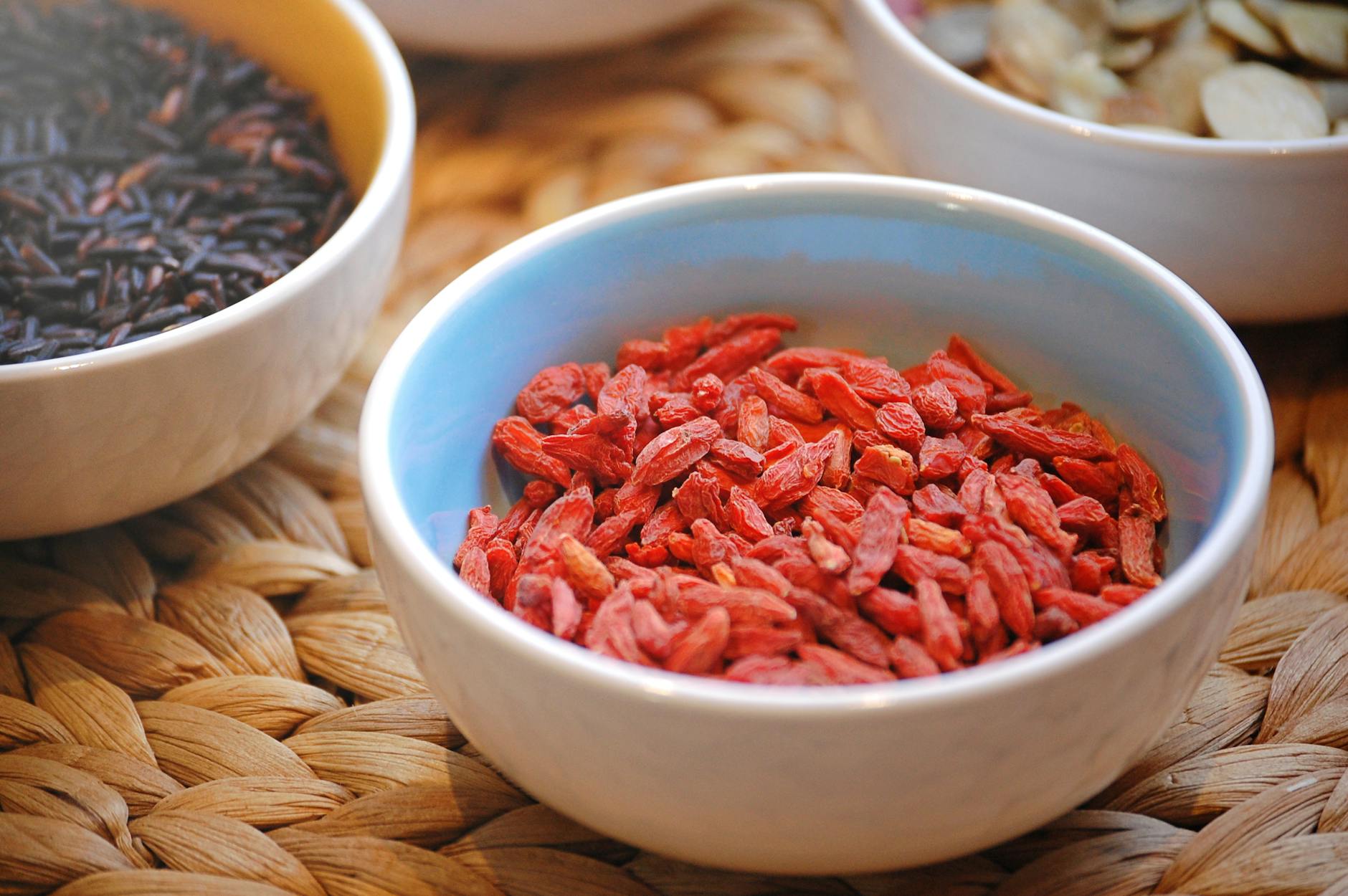
Ground flaxseeds are easier for your body to use than whole flaxseeds because the outer shell can pass through partly intact. A 2018 review in Frontiers in Nutrition discussed how seed structure changes digestibility, which is why the form matters as much as the seed itself.
That detail changes what happens in your meals. The same seed can act differently depending on whether it is whole, milled, or soaked, and that shifts both texture and how satisfied you feel after eating.
Ground flax for better absorption
Ground flaxseed mixes into food without much fuss, which makes it easy to use in oatmeal or yogurt. Whole flaxseed can still add texture, but the body does less with it because the shell resists breakdown.
Your practical move is simple: choose ground flax when the goal is food value and satiety, not just crunch. Store it well because the oils can turn stale faster once the seed is cracked.
Soaked chia for texture and fullness
Soaked chia becomes thick within minutes, and that gel can slow down how fast you eat. The texture also makes it easier to use as a pudding base or a yogurt stir-in, which helps on rushed mornings.
Dry chia still works, but it pulls liquid from the food around it. A tablespoon mixed into a dry snack bar gives a different result than the same spoonful stirred into a cup of yogurt, so the surrounding food matters.
Whole, roasted, and milled forms
Whole pumpkin seeds, sunflower seeds, and sesame seeds fit into salads and trail mixes, but roasted versions can bring extra sodium or oil depending on the brand. Milled forms blend more smoothly, yet they can lose freshness faster than intact seed kernels.
- Whole seeds add crunch and work best in salads or snack bowls.
- Ground seeds blend better and fit into soft foods with less effort.
- Soaked chia thickens meals and can slow down fast eating.
- Roasted seeds taste stronger, but salt and oil can climb fast.
That choice becomes more useful once you sort out portions, because the best form still loses its edge in a too-large serving. Next, you need a simple range that keeps the calories in check.
Even the smartest choice works only when the portion stays tight enough to fit your daily target.
Portions that fit a calorie-conscious day
For most mixed seed use, a sensible daily range is about 1 to 3 tablespoons total, not an open-ended handful. That amount gives you room for fiber and flavor without letting seed calories swallow a snack or breakfast.
One ounce equals about 28 grams, and that is where many seed portions hide the problem. An ounce of pumpkin seeds or sunflower seeds can feel small in your palm, yet it lands near 160 calories, which can erase the benefit of an otherwise light meal.
Measure seeds once or twice with a spoon before you eyeball them. A tablespoon looks tiny in a jar, but that small amount is what keeps the calorie load under control.
Think in tablespoons, not handfuls, if you want the plan to stay realistic. Two tablespoons of chia seeds or ground flaxseeds can fit into breakfast, while a small sprinkle of sesame seeds or sunflower seeds can finish a salad without turning it into a calorie-heavy bowl.
A simple daily range that stays practical
Use one main seed and one accent seed rather than piling on four kinds at once. Chia seeds or flaxseeds can be the main pick, then pumpkin seeds, hemp seeds, sunflower seeds, or sesame seeds can appear in a smaller supporting role.
That structure keeps total intake easier to track. It also lowers the chance that a snack becomes dense enough to leave you hungry again later because you underate protein and overate fat. The easiest way to keep that balance is to build seeds into foods you already eat.
Practical habits matter most, since small additions to familiar meals are easier to sustain than separate snacks.
Simple ways to add seeds without adding too many calories
A spoonful of seed works best inside a food you already eat, not as a separate snack you keep reaching for. Yogurt, oatmeal, salad, and smoothies give seeds a job, and that job is to stretch satiety rather than add another crunchy bite to graze on.
Breakfast is the easiest place to start because the meal is already built around slow digestion. A bowl with Greek yogurt, berries, and chia seeds can feel steadier than a plain bowl of cereal, while ground flaxseeds in oatmeal add fiber without a strong taste.
Breakfast combinations that stick with you
Plain yogurt plus 1 tablespoon chia seeds and sliced berries gives texture, acid, and fiber in the same bowl. Oatmeal plus ground flaxseeds and cinnamon adds body without much extra prep. A smoothie with hemp seeds and spinach can work better than a fruit-only blend because the protein softens the sugar spike.
- Yogurt bowl add chia seeds and berries for thickness and slower eating.
- Oatmeal mix stir in ground flaxseeds for fiber without much flavor change.
- Salad topper use pumpkin seeds or sunflower seeds for crunch and protein.
- Smoothie add-in blend hemp seeds for a fuller, less airy drink.
Snack ideas that cut mindless eating
Apple slices with a thin spread of seed butter and a sprinkle of sesame seeds can feel more satisfying than fruit alone. Cottage cheese with ground flaxseeds adds texture and a mild nutty note, which helps keep a snack from turning into a rummaging session in the pantry.
Salads work too, but keep the seed layer light. A tablespoon of pumpkin seeds or sunflower seeds can lift flavor and texture without pushing the meal into a calorie range that no longer fits your day. That practical limit matters even more if you are using seeds for belly fat goals, because the real win comes from staying in a deficit, not from a special food trick.
A few cautions still apply, especially if allergies, digestive issues, or package labels can trip you up.
Who should be careful with seeds and what to buy
Seed allergies can show up as itching, swelling, stomach upset, or a more serious reaction, so any new seed deserves a cautious start. Digestive sensitivity matters too, because a sudden jump in fiber can leave you bloated or uncomfortable for a day or two.
Medication concerns also matter for some people. Flaxseeds and chia seeds can affect digestion speed and may not fit every situation, especially for anyone with a swallowing issue, a bowel condition, or a care plan that already depends on a specific diet. A qualified clinician can help you sort that out for your situation.
Choose unsweetened seeds with short ingredient lists. Storage matters as much as purchase, so keep ground flaxseeds and shelled seeds in a cool, dry place and use them before they taste stale.
What to buy for steady use
- Plain packaging pick unsweetened seed packs instead of sugary blends.
- Short ingredient list fewer extras make portion control easier.
- Fresh smell stale oils change flavor and make seeds less appealing.
- Ground flax care refrigerate after opening for better freshness.
- Dry storage keep moisture away from chia seeds, sesame seeds, and sunflower seeds.
Belly-fat claims deserve a hard reality check. Seeds do not target fat around the waist, and no single food choice can spot-reduce weight. What they can do is help you feel full enough to stick with a calorie-conscious day, which is where the real progress comes from. That is also why how many seeds to eat per day matters more than any marketing claim.
For the cleanest plan, keep chia seeds and flaxseeds as your satiety anchors, add hemp seeds or pumpkin seeds for protein, and use sunflower seeds or sesame seeds as smaller flavor tools. That mix gives you the best chance of feeling full without quietly overshooting calories.
With the details sorted, the main takeaway is simple: use seeds strategically, not liberally.
Final thoughts
The smartest seed choice is the one that fits your portion, your meal, and your appetite. Chia seeds and flaxseeds do the most work for fullness, while hemp seeds and pumpkin seeds help more with protein, and the whole plan falls apart only when the serving grows too large.
FAQ
Which seeds are most effective for weight loss?
Chia seeds and flaxseeds are the strongest choices for fullness because they bring more fiber into a small serving. Hemp seeds and pumpkin seeds can also help by adding protein and healthy fats that make meals feel more complete.
How many seeds should I eat daily for weight loss?
A practical range for most seed use is about 1 to 3 tablespoons a day, with chia seeds or flaxseeds doing the main work. Larger amounts can still fit, but the calories climb fast, so spoon measurements beat handfuls.
Do seeds really help reduce belly fat?
Seeds do not target belly fat directly. They may help you stay full and snack less, which can fit into a broader calorie deficit, but waist changes still depend on overall intake and activity patterns.
What is the best time to eat seeds for weight loss?
Breakfast and planned snacks are the most useful times because seeds can reduce mid-morning or afternoon hunger. Chia seeds, flaxseeds, and hemp seeds work well in meals that need more staying power.
Should I eat ground, whole, or soaked seeds?
Ground flaxseeds are the easiest to use for digestion and absorption, soaked chia seeds have the best texture for thicker dishes, and whole seeds work well for crunch. The best form depends on the meal you are building.
Can I eat seeds every day while trying to lose weight?
Yes, you can eat seeds every day if you keep portions modest and watch total calories. A daily spoonful or two often works better than a large handful because it supports satiety without crowding out the rest of your meals.
