

A fall can happen between visits, especially during the night or while a loved one is getting out of bed. The right alert system gives you a timely signal without taking control away from the person using it. These options suit different routines, from wearable GPS devices to bed and chair sensors, caregiver pagers, and simple call buttons.
An Overview Of The Picks

Bay Alarm Medical SOS Mobile GPS 4G Medical Alert with Optional Fall Detection

Secure Safety Solutions Chair Alarm

Lunderg Early Alert Bed Alarm System with Extra Chair Pad and Pager

Lunderg Bed Alarm and Chair Alarm System with 20 x 30 Pad

CallToU Caregiver Pager with Call Button
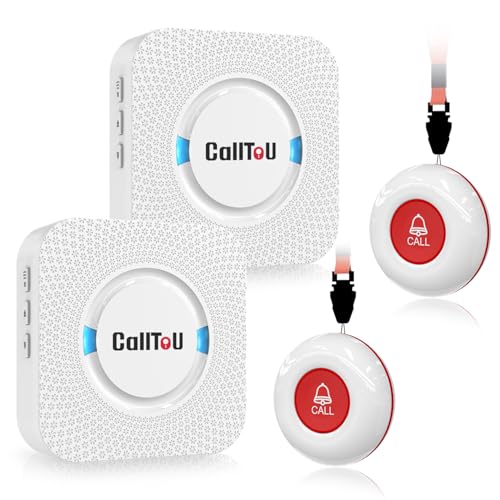
CallToU Caregiver Pager with Two Call Buttons

CallToU Caregiver Pager with Three Call Buttons
A Deeper Look At The Lineup
Unlike the bed and chair pads later in the lineup, this wearable works away from home as well as inside it. The device weighs under 2 ounces and can hang from a lanyard or attach to a belt clip, making it practical for an active senior who does not want to remain near a chair sensor.
For a caregiver managing several responsibilities, 4G connectivity and two-way voice offer a more direct connection than a pager tone alone. The companion app adds visibility into device status, battery level, and activity, although the alert service itself remains necessary for full operation.
What Stands Out
- Works independently, so a nearby smartphone is not required.
- The one-button design gives a trained operator a direct line of contact.
- Water resistance suits daily wear, though it is not intended for every condition.
- Lanyard and belt-clip options make the under-2-ounce device easy to carry.
- The caregiver app provides useful status information without replacing the alert service.
Practical Considerations
- An ongoing service plan is required for complete device functionality.
- Battery life and connectivity depend partly on usage and network conditions.
Feature Snapshot
Made For
This device suits active seniors who need wearable assistance during commutes, errands, walks, or time away from home.
Where Another Pick Suits Better
The Lunderg Early Alert Bed Alarm System with Extra Chair Pad and Pager is a better fit for someone whose main concern is getting out of bed at night.
This chair sensor takes a different approach from the wearable GPS device. A 12-by-12-inch pressure pad sits beneath the person, and removing pressure from it activates a sound in the room, which is useful for a chair or wheelchair user prone to wandering or unsafe egress.
The monitor is designed for attentive caregivers and care teams rather than only a single family member. Compared with the Lunderg wireless sets, it produces an on-site alarm and can connect to a facility nurse-call system with the appropriate cable.
Strong Points
- Automatic reset returns the monitor to standby after the person sits down again.
- The always-on monitor lacks a simple on-off control that could be disabled accidentally.
- Adjustable volume, two tones, and a flashing light support different alert preferences.
- Connectivity to a nurse-call system broadens its use in professional settings.
- The thin, liquid-proof pad is designed for easier cleaning and everyday comfort.
Small Caveats
- Use requires a suitable chair or wheelchair and a firm, even pad placement.
- The monitor is powered by three AAA batteries unless the optional power adapter is used.
- Facility integration requires the separate NCI-1 nurse-call cable.
Core Details
Right Fit For
It works well for home caregivers and professional care teams monitoring a person who may leave a chair or wheelchair.
Consider Something Else When
CallToU Caregiver Pager with Three Call Buttons is easier to deploy when the person can comfortably press a call button.
The defining feature here is the early notification from the bed pad. Pre-alert technology senses the beginning of a standing movement, giving the caregiver more time to respond than a conventional alarm that sounds only after the person leaves the bed.
The included chair pad covers a second common transition, while one wireless pager keeps the setup compact. This combination makes the system appealing for overnight care, especially when the person uses both a bed and a chair or wheelchair during the day.
Positive Points
- Early bed notification can provide valuable response time before a person is fully upright.
- One pager receives alerts from both the 10-by-33-inch bed pad and 10-by-15-inch chair pad.
- The pager supports audible, low-volume, and vibration-only settings.
- Both pads are wipeable and resistant to incontinence.
Trade Offs
- The bed pad needs sufficient space beneath the mattress and correctly positioned beneath the hips.
- Early-alert behavior may require some adjustment to the sensitivity and daily routine.
Quick Facts
Who It Suits Best
It suits overnight caregivers who want advance notice of bed movement and a second alert point around a chair.
Not Your Match When
The Lunderg Bed Alarm and Chair Alarm System with 20 x 30 Pad is the simpler choice when early notification is not needed.
This Lunderg set covers both bedside and daytime seating alerts without introducing the Early Alert bed technology. The 20-by-30-inch bed pad and chair pad connect wirelessly with a single portable pager, giving you one place to monitor movement in two parts of the home.
The honest read is that this is a straightforward response system rather than a wearable emergency service. It fits caregivers whose main concern is being notified after a loved one gets out of bed or rises from a chair, wheelchair, or recliner.
What It Does Well
- Wireless communication reaches a pager from up to 300 feet away.
- Anti-slip stickers help keep the pads positioned and limit movement-related false alerts.
- The pocket pager can also be mounted on a wall for a stationary bedside setup.
Points To Note
- The bed alert occurs after the person stands, so it does not provide the earlier warning offered by the Early Alert model.
- Correct placement beneath the hips and under a fitted sheet matters for dependable bed-pad operation.
Built With In Mind
This set suits caregivers who need uncomplicated bed and chair monitoring across separate nighttime and daytime locations.
A Better Fit Elsewhere
Bay Alarm Medical SOS Mobile GPS 4G Medical Alert with Optional Fall Detection is more appropriate for protection away from home.
A wireless call button takes a completely different approach from movement sensors. The person presses the button, and the portable receiver gives the caregiver a signal from another room, which is useful for someone who can request help but may not remember to stand up.
This set includes one receiver and one call button. The receiver has an open-area range of more than 500 feet and must be connected to power, so you may want to place it near a kitchen, bedroom, or living area where care usually happens.
Features That Help
- The one-button format provides an easy way to request caregiver assistance.
- A portable receiver lets you carry the alert through different rooms.
- More than 500 feet of open-area range covers many homes without a complicated setup.
Room For Improvement
- Only one call button is included, so the person must bring it to each room.
- The receiver requires a plugged-in power connection.
- Walls and household obstructions can affect wireless performance in a large home.
At A Glance
Made For
This model suits a single caregiver caring for one person who can comfortably operate a wearable call button.
Look Elsewhere When
CallToU Caregiver Pager with Two Call Buttons is a better fit for a home with two people who may need assistance.
Two call buttons make this set more practical for a home with separate sleeping or sitting areas. The person can keep one button beside a bed and another near a favorite chair, while the two receivers can alert different caregivers or remain in separate rooms.
Compared with CallToU Caregiver Pager with Call Button, the added components improve access rather than changing the basic response method. Both receivers use a wireless open-area range of more than 500 feet, and each receiver needs a power connection.
The Case For It
- Two call buttons reduce the need to move one button between rooms.
- Two receivers offer flexible placement for two caregivers or separate living areas.
- The plug-in receivers make the alert channel visible and easy to reach.
Details To Watch
- The open-area range does not guarantee the same distance through walls or floors.
- Both receivers need access to outlets, which may limit where they can be placed.
The Right Fit
This set suits families caring for a person who needs assistance in two frequently used locations.
Reach For A Different Pick When
CallToU Caregiver Pager with Three Call Buttons offers broader placement coverage for a larger home or more demanding shared-care arrangement.
Three receivers and three call buttons cover the broadest range of the CallToU sets. You can place call buttons in the bedroom, bathroom, and main sitting area, then position receivers where family members spend time or move the receivers as needed.
This arrangement is useful for a shared-space home where the person should not have to search for the same button after moving between rooms. The receivers also support more than 500 feet of wireless range in open areas, although a plugged-in power source is required.
Strengths Worth Knowing
- Three call buttons support placement in several important daily locations.
- Three receivers give family members separate alert units.
- The simple button-and-receiver method needs no sensor positioning under a bed or chair.
Possible Compromises
- Three receivers require three suitable power outlets.
- Call-button help depends on the person being able to recognize and press the button.
Essential Details
Best Suited To
It fits shared-care homes where one older adult needs button access in several rooms and several relatives can respond.
Where A Sibling Pick Shines
The Lunderg Bed Alarm and Chair Alarm System with 20 x 30 Pad is better for monitoring specific movement areas rather than a button press.
What Matters Before You Choose an Alert System
Match the Alert to the Routine
Start with the most likely source of danger in your home. Bed and chair pads suit people who may rise without calling for help, while wearable buttons suit someone who can communicate but cannot reach a caregiver quickly. A GPS medical alert becomes more relevant when the person regularly leaves home.
Check Connectivity and Placement
Pay attention to where the signal must travel. Wireless ranges are usually stated for open areas, so walls, floors, and large homes can change performance. Sensor systems also depend on correct placement, while receivers need nearby outlets and call buttons need to remain within reach.
Account for the Caregiver Response
An alert only helps when someone can receive and respond to it. Check volume, vibration, visual signals, and the number of caregivers who need notifications. A monitored medical-alert service offers a different response path from a local pager or in-room alarm.
Common Shopping Errors To Avoid
Mistakes Worth Dodging
Choosing solely by the word “fall” can hide an important difference: some systems detect leaving a bed or chair, while others wait for a person to press a button. Check the alert trigger, caregiver notification method, power requirements, and placement restrictions before buying.
What The Higher Tier Buys
Advanced systems often add earlier bed detection, mobile GPS, independent cellular service, or caregiver-app visibility. Those additions help when someone wanders, needs help away from home, or requires a faster response, but a basic call pager may be sufficient for a smaller home.
Frequently Asked Questions
Are senior fall alert systems automatic fall detectors?
Not all of them are. Bed and chair pads detect movement away from a sensor, while the CallToU systems rely on a person pressing a button, and the Bay Alarm Medical device offers optional fall detection.
Which system works best for nighttime wandering?
The Lunderg Early Alert Bed Alarm System with Extra Chair Pad and Pager is the closest fit because its bed pad provides advance notice during the process of standing.
Do these systems require a smartphone?
The Bay Alarm Medical wearable works independently of a smartphone, although a caregiver can use its companion app for status information. The bed, chair, and call-button systems use separate pagers or monitors.
Can one caregiver monitor more than one room?
Yes. Multi-button CallToU sets place call buttons in different rooms, while the Lunderg systems send bed and chair signals to a shared wireless pager.
What should I check before placing a bed sensor?
Confirm that the pad fits beneath the person’s hips and under a fitted sheet, and use the included anti-slip stickers where applicable. Correct positioning is essential for consistent movement detection.
Final Verdict
The right alert system matches the actual behavior and location of the person needing support. Choose an early bed sensor for overnight movement, a chair alarm for wandering concerns, a GPS wearable for time away from home, or a call-button pager for simple room-to-room assistance. Careful placement and a realistic response plan matter as much as the device itself.
