

Most commercial coffee beans lose flavor fast because they were sun grown and stripped of forest complexity, and that changes how your cup tastes. You’ll enjoy shade grown beans because cherries ripen slowly on small farms, which packs more sugars and subtle aromas into each roast. Start with the right bean, match roast to your brew, grind fresh, and store properly to keep those layered fruit, floral, and chocolate nuances vivid in every cup.
| Raven’s Brew Whole Bean Coffee Variety Pack (3x12oz) |

| Best for Variety | Roast Level: Dark/roasty (rich, strong; air-roasted) | Bean Form: Whole bean | Origin / Sourcing Region: Sourced from top plantations (various regions; small family growers) | VIEW LATEST PRICE | Read Our Analysis |
| Peace Coffee Decaf French Roast Whole Bean (12 oz) |

| Best Decaf Choice | Roast Level: Dark (French roast) | Bean Form: Whole bean | Origin / Sourcing Region: Latin America, Indonesia, Africa (blend) | VIEW LATEST PRICE | Read Our Analysis |
| Ruta Maya Organic Coffee Dark Roast Whole Bean 2 Count – 2.2 Lbs. Each |
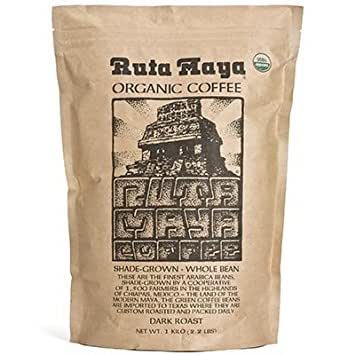
| Best for Ethics | Roast Level: Dark roast | Bean Form: Whole bean | Origin / Sourcing Region: Chiapas, Mexico (Maya cooperative) | VIEW LATEST PRICE | Read Our Analysis |
| Japy Roasted Coffee Beans 8.8 oz – Café Orfeu |

| Best for Flavor Fans | Roast Level: Medium roast | Bean Form: Whole bean | Origin / Sourcing Region: Brazil (Orfeu Group farms) | VIEW LATEST PRICE | Read Our Analysis |
| Café 1820 Costa Rican Whole Bean Dark Roast Coffee |

| Best for Bold Taste | Roast Level: Dark roast | Bean Form: Whole bean | Origin / Sourcing Region: Costa Rica (high‑altitude blend from three zones) | VIEW LATEST PRICE | Read Our Analysis |
More Details on Our Top Picks
Raven’s Brew Whole Bean Coffee Variety Pack (3x12oz)
In case you love strong, smooth coffee that still feels bright and clean, this Raven’s Brew 3-pack is made for you. You get three 12 ounce whole bean bags named Resurrection Blend, Three Peckered Billy Goat, and Deadman’s Reach. They arrive in airtight, light-blocking bags with one-way valves, so you can trust the aromas and flavors stay fresh. Beans are rare and high quality, bought to support small family growers whose care shows in each cup. Air roasting gives even heat, less bitterness, and layered tastes. You’ll enjoy hearty, lively coffee that feels both ethical and satisfying.
- Roast Level:Dark/roasty (rich, strong; air-roasted)
- Bean Form:Whole bean
- Origin / Sourcing Region:Sourced from top plantations (various regions; small family growers)
- Flavor Notes:Layered flavors; strong, rich, smooth (minimal acidity)
- Ethical / Environmental Claims:Supports small family growers; sustainable practices
- Recommended Use / Brewing Notes:General brewing – whole bean for grinding; versatile (fresh, balanced for many methods)
- Additional Feature:Air-roasted for evenness
- Additional Feature:One-way valve packaging
- Additional Feature:Supports family growers
Peace Coffee Decaf French Roast Whole Bean (12 oz)
Provided you want a bold, dark-roast decaf that still feels like a treat, this Peace Coffee Decaf French Roast is made for you. You’ll notice toasted walnut and cozy spice on the initial sniff, then caramelized sugar and chocolate brownie notes as you sip. The mountain water process removes caffeine without chemicals, so flavor stays intact. You get gentle body, soft acidity, and a bold profile that suits French press and other full immersion methods. Beans are shade-grown, Fair Trade, USDA Organic, and B Corp certified, so your cup supports farmers and the planet while tasting irresistible.
- Roast Level:Dark (French roast)
- Bean Form:Whole bean
- Origin / Sourcing Region:Latin America, Indonesia, Africa (blend)
- Flavor Notes:Toasted walnut, spice, caramelized sugar; chocolate, black pepper, stone fruit
- Ethical / Environmental Claims:Fair Trade, shade‑grown, USDA Organic, B Corp
- Recommended Use / Brewing Notes:Full immersion recommended (French press); good across methods
- Additional Feature:Mountain-water decaffeination
- Additional Feature:B Corp certified
- Additional Feature:Suited for French press
Ruta Maya Organic Coffee Dark Roast Whole Bean 2 Count – 2.2 Lbs. Each
Should you care about flavor and fair support for farming families, this dark roast whole bean by Ruta Maya is a great pick for you. You’ll find 100% Arabica beans grown in shaded Chiapas highlands through Maya cooperatives, so the coffee tastes rich and rooted in tradition. The beans are hand picked, gently roasted in Austin, and packed daily to keep freshness. You get two 2.2 pound bags of whole beans, which lets you grind to your brew style. Ruta Maya is USDA and Texas organic certified, and a portion of profits assists Maya cultural and educational programs, so your cup gives back.
- Roast Level:Dark roast
- Bean Form:Whole bean
- Origin / Sourcing Region:Chiapas, Mexico (Maya cooperative)
- Flavor Notes:Smooth, rich; minimal bitterness for a dark roast
- Ethical / Environmental Claims:Organic certified (USDA & Texas), shade‑grown; cooperative benefits
- Recommended Use / Brewing Notes:Whole bean for fresh grinding; daily roasting/packing for home brewing
- Additional Feature:Hand-picked beans
- Additional Feature:Donates to Maya programs
- Additional Feature:Roasted & packed in Austin
Japy Roasted Coffee Beans 8.8 oz – Café Orfeu
You’ll love Japy Roasted Coffee Beans 8.8 oz from Café Orfeu should you want a rich, nut-forward cup that still feels refined and balanced. You’ll notice dark chocolate, chestnut, and hazelnut hints as soon as you grind the whole beans. The medium roast brings sweetness and balanced acidity, so the cup stays graceful even if it’s bold. Because these beans suit espresso machines and manual brewers, you’ll control strength and extraction. Produced by Orfeu Group farms with sustainable care, they offer aromatic depth and a long finish with pleasant bitterness. Grind fresh, brew slowly, and enjoy the craft.
- Roast Level:Medium roast
- Bean Form:Whole bean
- Origin / Sourcing Region:Brazil (Orfeu Group farms)
- Flavor Notes:Dark chocolate, chestnut, hazelnut; nutty, sweet finish
- Ethical / Environmental Claims:Sustainability standards on Orfeu Group farms
- Recommended Use / Brewing Notes:Suited for espresso and manual brewers; grind fresh for optimal extraction
- Additional Feature:Orfeu Group farms
- Additional Feature:Espresso-friendly whole beans
- Additional Feature:Emphasizes nut/chocolate
Café 1820 Costa Rican Whole Bean Dark Roast Coffee
In case you love a bold, full-bodied cup that still keeps bright, fruity notes, Café 1820 Costa Rican Whole Bean Dark Roast is a great fit for your mornings and slow afternoons. You’ll appreciate 100% Arabica beans grown above 1,100 meters in volcanic soils, where three top regions lend depth and balance. Grind just before brewing to release intense flavor with chocolate hints and a fine, pleasant bitterness. Packaging holds freshness so your aroma stays lively. Whether you want a morning lift or an afternoon revival, this 35 oz bag gives you consistent body, color, and a satisfying, refined cup every time.
- Roast Level:Dark roast
- Bean Form:Whole bean
- Origin / Sourcing Region:Costa Rica (high‑altitude blend from three zones)
- Flavor Notes:Fruity undertones, chocolate hints; fine bitterness and full body
- Ethical / Environmental Claims:High‑altitude volcanic soils (implied specialty sourcing); shade‑grown implied by roundup theme
- Recommended Use / Brewing Notes:Grind before brewing; compatible with any coffee maker after grinding
- Additional Feature:Grown >1,100 meters
- Additional Feature:Blend of three regions
- Additional Feature:35 oz value pack
Factors to Consider When Choosing Shade-Grown Roasted Coffee Beans
If you select shade-grown roasted coffee beans, consider how flavor complexity and roast level work together so the cup matches what you enjoy. Check where the beans come from and look for clear origin and organic or ethical certifications so you can trust their story and impact. Also ask about processing and any decaffeination method because those steps shape taste and your health concerns.
Flavor Profile Complexity
Because slower cherry ripening under shade concentrates sugars and aromatics, your sip can reveal many layers of flavor that change as the coffee cools. You’ll notice fruit, floral, nut, chocolate, and spice nuances unfolding like chapters in a short story. Different microclimates and varietals add subtle shifts, so a cup from one farm can feel very different from another. Processing matters too; washed, natural, and honey methods interact with those sugars to lift acidity, deepen body, or bring out fermented fruit tones. Pay attention to cup descriptors like acidity, body, aroma intensity, and aftertaste. They help you compare complexity across beans. Taste slowly, take notes, and let each cooling stage show you new details you could otherwise miss.
Roast Level Match
Start with your taste and brewing habits, and the rest will follow. You like bright, floral cups, so lean toward light or light-medium roasts that preserve origin fruit and acidity. Should you crave comfort and chocolate notes, choose medium-dark to dark for roast-driven sweetness and fuller body. Your brew method matters too. Pour-over and drip bring out clarity in lighter roasts, while French press and espresso reward darker roasts with body and crema. Watch roast date and color or agtron numbers whenever available. Fresh beans roasted within two to four weeks deliver peak flavor. Keep in mind that darker roasts can hide subtle shade-grown nuances, so match roast to what you want to notice in each cup.
Bean Origin Transparency
A clear origin label tells you a lot before you even open the bag, and you’ll feel more confident reaching for beans that list country, region, altitude, and even the farm or cooperative. Whenever you see altitude like 1,000–2,000 m, you can expect brighter acids and denser beans. Look for descriptions about shade type too, since native canopy versus monoculture shade changes biodiversity and taste subtleties. Transparent labels often state harvest methods and cooperative names, which helps you judge care and traceability. In case a bag includes batch or lot numbers with roast dates tied to origin, you can track freshness and link tasting notes back to a site. Those details build trust and make your brewing choices feel grounded and deliberate.
Organic And Ethical Certifications
Whenever you pick up a bag labeled shade-grown, the certifications on the package tell you how trustworthy those claims really are and how the farming choices affected people and wildlife; they’re not just stickers, they’re proof. Look for USDA Organic or national organic seals to know beans were grown without synthetic pesticides or fertilizers. That matters because it protects understory plants and cuts chemical runoff, helping the whole shaded ecosystem. Check Fair Trade to see whether growers received fair prices and community premiums. Also spot Rainforest Alliance or Bird Friendly marks for habitat rules like shade cover and native trees plus audit checks. Finally, notice B Corp or similar seals for roaster behavior and farm-to-roaster transparency. Verify codes and audit dates on the package to confirm scope and validity.
Processing And Decaffeination Method
You’ve already learned how certifications prove that shade-grown beans protect people and wildlife, and now it helps to look at what happens after the cherries leave the farm. Whenever processors use low-heat, gentle drying like raised beds or cool mechanical dryers, delicate flavor compounds stick around and you get brighter, cleaner cups. Whenever decaffeination choices also shape taste. Water-based methods such as Swiss Water and mountain water pull caffeine without chemicals, keeping oils and aroma intact. CO2 and supercritical fluid processes are even gentler and preserve body and scent in premium beans. Whenever solvent methods can trim oils and aroma unless they aren’t carefully done. Labels that name the decaf process let you pick beans that match your flavor priorities. Roasters then tweak roast time and heat to suit decaffeinated beans.
Freshness And Packaging
Freshness matters more than many shoppers realize, and it has a huge effect on how shade-grown beans taste in your cup. You’ll want whole beans because they hold peak flavor longer. Aim to use beans within two to four weeks after roast for the brightest aroma. Look for a clear roast or pack date on the bag so you can plan that timing.
Packaging matters too. Choose bags with a one-way valve so CO2 can escape without letting oxygen in. Opaque, airtight bags that are vacuum or nitrogen flushed will block light and limit air, which slows staling. Keep beans in a cool, dark spot in their original sealed bag or in an opaque airtight container. Skip the fridge unless you freeze for months and portion carefully.
Brewing Method Compatibility
At the point you pick a brew method, consider about how grind size, roast level, and brew time work together so the shade-grown beans show their best flavors. You’ll want coarse grinds for French press or cold brew, because those methods extract slowly and suit medium-dark or dark roasts that hold oils and bold particulars. For espresso, use a very fine, uniform grind and a medium to medium-dark roast to avoid bitter over-extraction while keeping good body. Pour-over and drip need medium grinds to reveal floral and fruity subtleties common in shade-grown coffee. Adjust brewing ratio and contact time according to method, and keep water at 195 to 205°F. Grind right before brewing to lock in aromatics and balance.
Social And Environmental Impact
After you’ve chosen a brew method that brings out the best flavors, it helps to reflect about the people and places behind those beans. Whenever you pick shade-grown coffee, you support farms that keep canopy trees, and that helps birds and insects thrive. The trees also keep soil moist and cut down pests, so farmers use fewer synthetic fertilizers and pesticides. That means cleaner streams nearby, and safer work for farm families. Shade trees store more carbon than open fields, so your cup helps fight climate change in a small way. Look for organic or bird-friendly labels and third-party audits. They verify fair pay and strong environmental rules, and they help you trust that your choice truly benefits people and the planet.
