

Long shifts on hard floors, crowded commutes, and miles of walking can expose how your feet meet each step. Pronation, or the inward rolling tendency of your foot during movement, matters because a shoe insert must control that motion without leaving your feet cramped.
The right insert depends on your arch shape, footwear, and time spent standing. These six options cover structured motion control, cushioned workdays, higher arches, and low-arch boot support.
Your Options, Compared
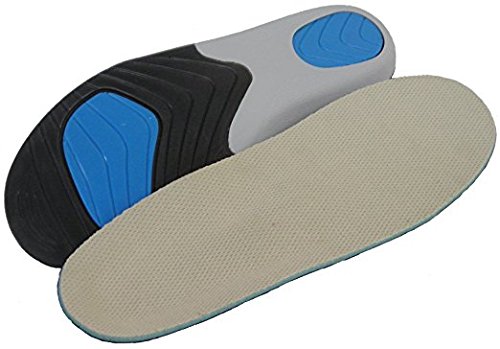
Optimal Motion Control Insole with Met Pad
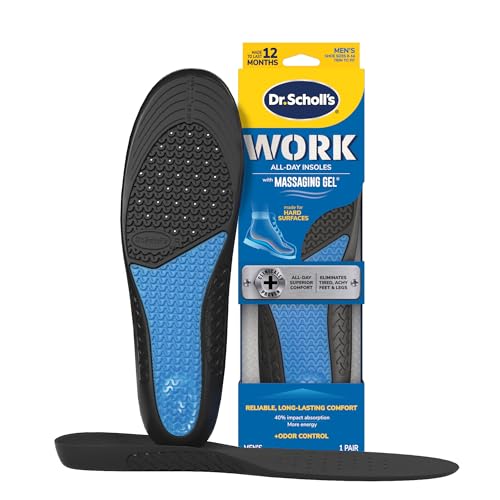
Dr. Scholl’s Work All-Day Gel Insoles

PowerStep Pinnacle Support Insoles

CRUVHEAL 220+ High-Arch Insoles

CRUVHEAL Work Pro Boot Insoles

CRUVHEAL Orthotic Boot Insoles
A Closer Look At Each Pick
Structured feet often need more than a soft surface under the arch. Optimal Motion Control Insole with Met Pad places a semi-rigid support through the midfoot, with a metatarsal pad that helps redirect pressure away from the ball of the foot. That combination makes it the most direct option here for managing inward rolling.
Unlike the cushioned Dr. Scholl’s Work All-Day Gel Insoles, this model concentrates on control rather than a massage-like feel. It appears most practical for people who spend substantial time walking and want a defined arch platform, although the firmer construction may take some getting used to.
Reasons It Performs
- The full-length layout supports the arch, heel, and forefoot as one connected structure.
- A metatarsal pad reduces concentrated loading beneath the ball of the foot.
- The semi-rigid arch offers more directional control than a basic foam insert.
- Two gel cushioning zones soften impact at the heel and forefoot.
Practical Considerations
- The structured profile may feel firmer than the gel-focused options on this list.
- Confirm that the women’s 5-6 sizing and full-length shape suit your shoes.
Feature Snapshot
Who It Suits Best
This option fits people with structured or moderately flexible feet who prioritize pronation control during long walking sessions.
Where Another Pick Suits Better
CRUVHEAL Work Pro Boot Insoles suit low-arch feet that need cushioning and shock absorption inside work boots.
A long shift does not always call for rigid control. Dr. Scholl’s Work All-Day Gel Insoles use massaging gel beneath the foot, giving workers a softer surface during jobs that keep them moving. The trim-to-fit format also makes them more accommodating of different shoe sizes.
Compared with Optimal Motion Control Insole with Met Pad, this pair emphasizes cushioning and comfort rather than a pronounced arch platform. It appears better suited to active professionals who spend hours on hard surfaces and prefer flexibility over a structured correction.
The Good Stuff
- Massaging gel cushions high-contact areas during extended standing.
- The trim-to-fit construction accommodates a range of shoe sizes.
- Soft cushioning suits work shoes that already provide room in the toe box.
Small Caveats
- Massaging gel adds bulk, so snug shoes may feel tighter after installation.
- Arch control is less pronounced than on the Optimal and CRUVHEAL orthotic models.
Quick Facts
Made For
Active workers and commuters who spend long periods standing and want adaptable cushioning more than rigid motion control.
Another Choice May Suit
PowerStep Pinnacle Support Insoles suit people seeking a more defined arch platform with balanced cushioning.
PowerStep Pinnacle Support Insoles sit between soft cushioning and rigid motion control. Their arch shape gives the foot and ankle a more stable platform, while the cushioned construction softens each step. That middle ground works well for everyday walking rather than a single highly specialized task.
Unlike CRUVHEAL 220+ High-Arch Insoles, this model does not center its design around a specific body-weight range. It appears more approachable for mixed daily activities, from errands to long periods of standing, provided the listed size matches.
The Helpful Details
- The arch shape supports stability through the foot and ankle.
- Maximum cushioning softens repeated impact during walking.
- Moderate support balances stability with a less rigid feel.
- The full-length format provides coverage across the entire foot.
- Polyester construction offers a defined base without a bulky appearance.
Points To Note
- The listed size covers men’s 10-10.5 and women’s 12-12.5.
- It offers less direct control than the dedicated motion-control design from Optimal.
The Right Fit
This pair suits daily walkers and standing workers who want moderate arch support without choosing the firmest orthotic profile.
Consider Something Else When
CRUVHEAL 220+ High-Arch Insoles suit people with high arches who need a more substantial support profile.
Some people feel an ordinary insert flatten before the workday ends. CRUVHEAL 220+ High-Arch Insoles are built around a 1.4-inch arch profile and a body-weight range of 220 pounds or more. That structure gives heavier users a more substantial platform for long shifts.
Compared with PowerStep Pinnacle Support Insoles, the support here is taller and more explicitly shaped for high arches. The trade-off is fit: a pronounced arch can feel excessive under a low or flexible foot, so arch matching deserves attention.
What Pays Off
- The 1.4-inch arch creates a pronounced support platform.
- A body-weight range of 220 pounds or more informs the design.
- Work boot compatibility suits physically demanding environments.
Trade-Offs To Consider
- The tall arch may feel too strong for low-arch feet.
- Confirm that the medium size corresponds to your footwear.
- Remove the existing factory insole before checking the fit.
Technical Highlights
Best Suited To
Higher-arch feet and people over 220 pounds need substantial support during long workdays in sturdy footwear.
Look Elsewhere When
CRUVHEAL Work Pro Boot Insoles suit low arches that need gentler support with extra cushioning.
Low arches do not automatically require a high support profile. CRUVHEAL Work Pro Boot Insoles follow a lower arch shape while placing extra cushioning beneath the foot. That makes them a sensible match for people whose main concern is impact through boots rather than a rigid correction.
The comparison with CRUVHEAL 220+ High-Arch Insoles is direct: this model supports flatter feet, while the taller design serves high arches. A velvet upper surface promotes airflow, and raised massage points add targeted pressure that may feel noticeable during the first wear.
Strong Points
- Low-arch support follows a flatter foot shape.
- Additional gel pads cushion the heel and forefoot.
- The breathable velvet upper helps manage warmth and odor buildup.
- Massage points provide subtle stimulation during long shifts.
Details To Watch
- The low profile offers less control than a high-arch orthotic.
- Confirm that the insert fits completely inside your boot without lifting.
Who Will Love This
Low-arch feet worn in work boots benefit most from this cushioned, lower-profile approach.
Swap It Out When
Optimal Motion Control Insole with Met Pad suits structured feet that need a more deliberate arch platform.
Standing for an entire shift asks more from an insert than a single foam layer. CRUVHEAL Orthotic Boot Insoles combine a cushioning layer, arch support, a deep U-shaped heel cup, and shock-absorbing pads. Those elements work together to keep the heel settled and distribute pressure across the workday.
Compared with Dr. Scholl’s Work All-Day Gel Insoles, this option has a more structured heel and orthotic layout. It appears especially useful for people who need stable support in boots, although the deeper heel cup may alter how snug the footwear feels.
Where It Delivers
- The deep U-shaped heel cup gives the rear foot a defined resting position.
- Shock-absorbing pads soften impact during extended standing.
- Layered cushioning balances support with underfoot comfort.
Possible Compromises
- The structured heel may feel restrictive in a shallow boot.
- Confirm that the XL designation matches your shoe size.
Core Features
Built With In Mind
Warehouse staff, hospitality workers, and others who stand for hours benefit from its layered support and heel stability.
Reach For A Different Pick When
CRUVHEAL Work Pro Boot Insoles suit low arches that need less pronounced heel structure and more visible gel cushioning.
Match Support to Your Movement and Workday
Identify the Motion Pattern
Pronation describes the foot’s tendency to roll inward during movement. A structured insert may help limit excessive motion, while a lower-profile option can support flatter feet without adding a pronounced arch. People who alternate between running, standing, and long periods of walking benefit from a balanced design rather than one extreme.
Account for the Workday
Work boots demand different support from walking shoes because their soles, heels, and toe boxes are already structured. Insoles designed for boots commonly add heel control, cushioning, or a deeper cup. Match the insert to the shoe instead of judging it outside the footwear, since a supportive insert can change the available interior space.
Check Fit Before Support
Arch height, shoe size, and foot shape need to agree. A tall insert can feel wrong beneath a low arch, while a gently contoured insert may feel insufficient beneath a high arch. Removing the factory insole before fitting also makes it easier to judge clearance and prevent the replacement insert from shifting.
Consider Cushioning Alongside Control
Arch support handles position and motion, while cushioning manages pressure at the heel and forefoot. Combining a moderate support platform with gel or foam can suit people who want both stability and comfort. Firm, focused control makes more sense for structured feet, whereas soft cushioning generally works better for long shifts and less demanding movement.
Common Mistakes to Avoid
Mistakes Worth Dodging
Choosing only by the condition named on the package overlooks the bigger issue: arch shape and footwear fit. A plantar fascia-focused insert can still use a low, medium, or high arch profile. Compare the insert’s geometry with your foot, then confirm that the replacement will lie flat without changing the shoe’s fit.
What Separates Premium From Basic
Higher-tier inserts usually devote more attention to layered cushioning, defined heel cups, support geometry, or material durability. The extra investment matters most for daily, extended wear, where a basic foam insert may lose its shape sooner. A simpler trim-to-fit gel model remains sensible for occasional use or shoes that cannot accommodate extra bulk.
Frequently Asked Questions
Do these shoe inserts completely stop pronation?
No insert should be expected to eliminate every natural inward movement. A motion-control model can provide a firmer platform and help limit excessive rolling during walking.
Which option suits high arches?
CRUVHEAL 220+ High-Arch Insoles offer the tallest specified arch profile at 1.4 inches. Lower-arch and neutral-feet options may feel unnecessarily strong beneath a high arch.
Can shoe inserts for pronation be trimmed?
Dr. Scholl’s Work All-Day Gel Insoles are designed to be trimmed to fit. The other listed models have specific size or construction details, so check their fit requirements before cutting.
Are boot insoles different from everyday shoe inserts?
Boot inserts are usually shaped around deeper heels, roomy interiors, and the repetitive impact of standing or walking in work footwear. Everyday inserts may prioritize trimming, lighter profiles, or flexible cushioning instead.
Should I remove the insole that came with my shoes?
Removing the factory insole lets the replacement sit on the shoe’s actual footbed and makes space easier to judge. Keep it nearby because the fit may change once the new insert is added.
Closing Verdict
The best match depends on where your foot needs the most help. Optimal Motion Control Insole with Met Pad offers the most structured pronation control, CRUVHEAL options cover high-, neutral-, and low-arch work environments, and Dr. Scholl’s provides adaptable gel cushioning. Confirm your arch and shoe size first, then choose the level of support that feels practical rather than overly rigid.
