

A soft electric toothbrush should make a twice-daily routine feel comfortable, not turn brushing into a negotiation with your gums. Your best choice depends on pressure control, cleaning modes, brush-head design, charging needs, and how much space the handle occupies in a busy bathroom or travel bag.
The models below range from compact battery-powered brushes to connected rechargeable systems with detailed coaching and multiple cleaning settings. Each earns a place for a different combination of features, while honest trade-offs help you narrow the field before checkout.
The Main Contenders

Philips Sonicare 7300 Electric Toothbrush, 3 Heads

Philips Sonicare 5950 Electric Toothbrush, Black

Oral-B iO10 Electric Toothbrush, Black

GUM Sonic Powered Toothbrush Refills, 2 Count

Operan Rechargeable Sonic Toothbrush, 5 Modes, Pink
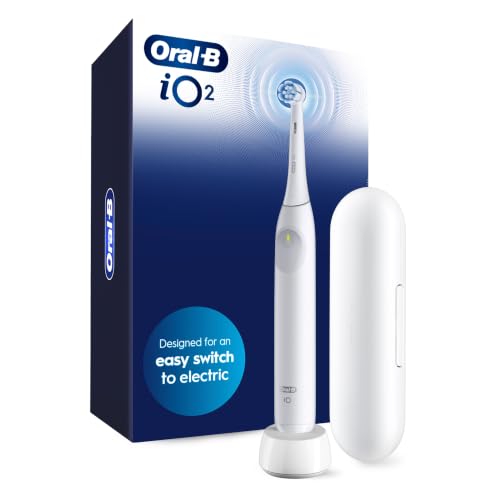
Oral-B iO Limited Electric Toothbrush, White

Oral-B iO Series 3 Electric Toothbrush, Black

Philips Sonicare DiamondClean 9500 Toothbrush
More Details On Our Top Picks
Pressure control is the 7300’s strongest feature for anyone who tends to brush too firmly. A light ring appears at the base of the handle when excessive force is detected, giving you a visible cue to ease up without interrupting your routine.
The four modes and three intensity levels make this a flexible pick for a household with different preferences. Compared with the simpler Oral-B models later in the list, it offers more coaching and timing support, although the app and charging stand add more to manage.
Where It Helps
- Visible pressure feedback helps you adjust technique during each session.
- Clean, Sensitive, Gum Health, and White modes cover varied routines.
- The BrushPacer divides a two-minute session into 20-second sections.
- App-based coaching offers guidance without replacing hands-on brushing.
- Three A3 brush heads and a travel case support regular replacements and trips.
Practical Considerations
- The charging stand requires a nearby outlet, and the power adapter is not included.
Feature Snapshot
Made For
You benefit most from the 7300 if you want gentle pressure guidance, several modes, and detailed routine coaching in one rechargeable toothbrush.
Another Choice May Suit
The Philips Sonicare 5950 suits you better when you want pressure feedback without app-based guidance or a larger set of brushing modes.
Sometimes a useful toothbrush needs to do its job without turning every morning into a settings exercise. The 5950 focuses on a rechargeable format, Sonicare Fluid Action, and a built-in pressure sensor, which provides a gentle physical signal when you press too hard.
That combination works well in a shared bathroom where someone wants dependable feedback without learning an app. It is less detailed than the Philips Sonicare 7300 because the 5950 does not present the same broad selection of modes, intensity levels, and coaching features.
Real-World Strengths
- Haptic pressure feedback supports a gentler brushing rhythm without looking at the handle.
- Fluid Action helps direct movement around spaces between teeth and along the gumline.
- Two included brush heads provide a practical replacement starting point.
- Recharging supports consistent daily use without replacing a disposable battery.
Worth Noting
- Its feature set is less adjustable than the Philips Sonicare 7300.
- Two brush heads mean replacement planning starts sooner than it would with a larger multi-head bundle.
The Right Fit
The 5950 fits you best if you value dependable pressure feedback and a simple rechargeable routine over app coaching and multiple intensity settings.
Consider Something Else When
The Operan Rechargeable Sonic Toothbrush is the better fit for a shared household that values five modes, a silicone grip, and eight replacement heads.
The iO10 appeals to people who enjoy visible information while brushing. Its interactive display presents the chosen mode and brushing feedback, while seven cleaning modes give you room to tailor a routine without relying on guesswork.
The round iO brush head uses a different motion pattern from the long, angled A3 head on the Philips Sonicare 7300. For travel, the charging case is a notable addition, and four brush heads reduce the need for an early replacement purchase.
Useful Highlights
- Seven modes provide more choices than most compact models in this roundup.
- The interactive display keeps mode and brushing information visible.
- Four brush heads support several replacement cycles.
- The charging travel case suits trips and overnight bags.
- Oral-B states that the iO head removes more plaque than a manual brush.
Less Ideal Details
- The display and seven settings may feel elaborate for someone wanting one-button operation.
- The larger accessory set takes more room beside the charging base.
Key Product Details
Who Will Love This
You will appreciate the iO10 most if visible feedback, numerous modes, and a well-stocked accessory set make your routine feel more engaging.
A Better Fit Elsewhere
The Oral-B iO Limited Electric Toothbrush suits beginners who want pressure assistance and fewer modes without an interactive display.
The GUM set takes a different route from the rechargeable models here. It uses sonic vibrations and an AAA battery, which can simplify packing for weekends away or keeping a second brush in a compact bathroom.
Its two-count format also gives you a ready option for two locations. Compared with the feature-heavy Oral-B iO10, the controls stay simple, making this model easier to consider for travel or a guest bathroom.
What Stands Out
- Compact battery operation avoids carrying a separate charging base.
- Two units suit separate bathrooms, travel bags, or temporary use.
- Bi-level tapered bristles provide a more structured brushing head.
- GUM states that the sonic movement improves plaque removal compared with a manual brush.
Small Caveats
- You will need a spare AAA battery during extended periods away from home.
- Its two-piece bundle offers fewer replacement heads than several rechargeable sets.
Built With In Mind
This GUM set fits you best when compact storage, simple operation, and two separate brushes matter more than screens or numerous modes.
Look Elsewhere When
The Philips Sonicare DiamondClean 9500 Toothbrush is the better fit for a permanent bathroom setup with advanced sonic movement and three included heads.
Family bathrooms benefit from a toothbrush that can handle different preferences without a complicated setup. The Operan offers Normal, Soft, Gum Care, Whitening, and Clean modes, plus a two-minute timer for routine consistency.
Its silicone handle improves grip in a wet environment, and the IPX7 waterproof rating gives you greater freedom around the sink. Compared with the Philips Sonicare 7300, the Operan trades app coaching for a broader accessory bundle and a lower-cost-style feature spread.
Everyday Advantages
- Five modes cover different preferences within one household.
- The silicone grip feels practical for wet hands and younger users.
- Eight brush heads support a large family or extended replacement schedule.
- IPX7 waterproofing suits regular shower use.
- The travel case and rechargeable design simplify trips.
Points To Note
- Eight heads require more storage than a smaller replacement-head bundle.
- The 40,000 VPM figure describes motor movement, while the brush head determines the exact feel at your teeth.
Feature Facts
Best Suited To
The Operan suits families and shared bathrooms where multiple modes, replacement heads, and a comfortable grip matter more than app guidance.
Reach For A Different Pick When
The Oral-B iO Series 3 Electric Toothbrush is the better choice for a compact daily setup centered on three modes and smart pressure alerts.
Making the switch from a manual brush is easier when the controls do not require much attention. This Oral-B model starts on its sensitive setting, uses a one-touch button, and automatically reduces its speed when the pressure sensor detects excessive force.
The white finish and included travel case give it a neat appearance for a guest bathroom or overnight bag. It offers fewer choices than the Oral-B iO10, but that restraint is precisely what helps the interface remain approachable.
Good Reasons To Consider
- Automatic pressure assistance reduces speed when you press too hard.
- The one-touch control keeps daily operation uncomplicated.
- Starting on the sensitive setting gives new users a gentle introduction.
- Three modes cover the needs of most routines without excessive complexity.
- The travel case helps maintain the habit away from home.
Some Limits To Know
- Three modes offer less customization than the seven-mode Oral-B iO10.
- Its white exterior may require more care to keep free of visible marks in a shared sink.
Made For
This Oral-B model fits you best if you are new to electric brushing and want automatic pressure assistance with uncomplicated controls.
Swap It Out When
The Philips Sonicare 7300 Electric Toothbrush suits you better when app coaching, timed sections, and more intensity levels are central to your routine.
The iO Series 3 narrows the focus to a deep-cleaning routine with three modes and a smart pressure sensor. That balance makes it useful for daily brushing without the larger display, more modes, and four-head bundle found with the Oral-B iO10.
Its smooth spinning motion and fine vibrations offer a different feel from the long, angled A3 head on the Philips models. Two replacement heads and a travel case keep the package practical, while the sensor gives you prompt feedback during the session.
Practical Pluses
- Three modes provide enough variation without making the interface crowded.
- The smart pressure sensor alerts you when the applied force is excessive.
- Two replacement heads reduce the need for an immediate extra purchase.
- The travel case suits regular commuting or overnight use.
- Oral-B states that the iO technology removes more plaque along the gumline than a manual brush.
Minor Gripes
- Two included heads offer a smaller replacement cushion than the four-head iO10 set.
- Three modes are less adaptable than the five available on the Operan.
Core Details
The Right Fit
The iO Series 3 suits you best if you want focused daily brushing, pressure feedback, and a moderate accessory set without an interactive display.
Where Another Pick Shines
The GUM Sonic Powered Toothbrush Refills are the better fit for compact travel and locations where a charging base would add unnecessary bulk.
The DiamondClean 9500 combines fast sonic movement with the multi-angle A3 brush head for a thorough, careful clean. The head’s longer, angled bristles reach around individual teeth, while Fluid Action moves water between teeth and along the gumline.
Compared with the Philips Sonicare 7300, the 9500 places more emphasis on the premium brush-head system and stain removal, while the 7300 adds app coaching, a visible pressure ring, and more intensity choices. Your priority is the head and cleaning motion rather than digital guidance.
Advantages To Know
- The A3 head uses multi-angle bristles for reach around individual teeth.
- Fluid Action helps move water into spaces around the teeth and gumline.
- The high motor speed supports a thorough brushing sensation.
- Three included brush heads support planned replacements.
- Philips states that the head provides additional stain removal compared with a manual brush.
Details To Watch
- Three brush heads require more storage than a single-head setup.
- The premium emphasis on the A3 head makes the overall setup less minimalist than simpler models.
Technical Highlights
Whose Shelf It Belongs On
The DiamondClean 9500 fits you best if advanced sonic movement and the A3 brush head matter more than app-based coaching or numerous intensity levels.
Not Your Match When
The Oral-B iO Limited Electric Toothbrush is the better match for someone who prioritizes simple controls and automatic pressure assistance over a premium brush-head system.
What to Look for in a Gentle Electric Toothbrush
Pressure guidance comes first
A pressure sensor detects unusually heavy brushing and signals you through a light, vibration, or speed change. This feedback is particularly useful for people who tend to press hard or want a gentler starting point. The Philips Sonicare 7300 offers visible guidance, while the Oral-B iO Limited handles it automatically.
Match the modes to your routine
Sensitive mode is useful for a delicate-feeling start, while daily clean and gum-oriented modes serve different preferences. More modes offer flexibility, but they can also make the brush feel complicated. A one-touch model may suit a new user better than a seven-mode system.
Consider the brush head and storage
Long, angled bristles and small round heads create different brushing sensations. Account for the size of the handle, charging base, travel case, and replacement heads before arranging the bathroom shelf. The Operan includes eight heads, while the Oral-B iO10 includes four.
Check charging and travel needs
Rechargeable brushes are convenient for daily use at home, while AAA-powered models can be easier to pack. A charging case adds protection for trips but also takes up space. Think about where the brush will live and how often it will leave the house.
Making the Right Feature Choices
Mistakes Worth Dodging
Choosing by the longest specification list can hide the features you will actually use. Start with pressure feedback, then select a comfortable head and the number of modes you need. Also account for the charging stand and replacement heads before assuming a large set will fit your bathroom.
What Separates Premium From Basic
Higher-tier models generally spend more on brush-head design, motion technology, displays, and routine guidance. Those additions suit someone who values detailed feedback or a more refined brushing experience. A basic model remains sensible when straightforward controls, a compact footprint, and a straightforward routine matter most.
Frequently Asked Questions
What is the softest electric toothbrush for sensitive gums?
The Oral-B iO Limited Electric Toothbrush starts on its sensitive setting and automatically reduces speed when its pressure sensor detects excessive force. The Philips Sonicare 7300 is another strong option because it combines a Sensitive mode with a visible pressure ring and three intensity levels.
Do soft electric toothbrushes need pressure sensors?
A pressure sensor is helpful because it gives feedback when you press too hard. It does not replace a gentle brushing technique, but it can make that technique easier to maintain during a rushed morning or at the end of a tiring day.
Are rechargeable electric toothbrushes better than battery-powered models?
Rechargeable models suit a fixed bathroom routine and usually include more convenient charging accessories. Battery-powered brushes can be lighter to pack and avoid a separate charging base, so your travel habits and available counter space determine the better choice.
How often should you replace an electric toothbrush head?
Replacement timing depends on your brushing habits and the wear visible on the bristles. The Philips Sonicare 7300 includes a replacement reminder that tracks use, which can make the schedule easier to follow.
Which electric toothbrush is best for a family?
The Operan Rechargeable Sonic Toothbrush offers five modes, a silicone grip, eight brush heads, and a travel case. The Philips Sonicare 7300 is the better fit for one person who wants app coaching, timed brushing prompts, and more detailed intensity control.
Final Verdict
A gentle electric toothbrush becomes easier to choose once you separate the essentials from the extras. Pressure feedback, a comfortable brush head, and enough modes for your routine matter more than a long feature list. The Philips Sonicare 7300 leads for coaching, the Oral-B iO10 for detailed feedback, the GUM set for compact travel, and the Operan for a shared household.
