

A narrow airplane seat can make a long flight feel even longer, especially when the seat is thin or angled. The right travel cushion can reduce pressure under your tailbone, add softness, and fit into a carry-on without taking over your bag. Foam contours suit frequent flyers, while inflatable models make sense for travelers who pack light.
The Shortlist At A Glance

FORTEM Tailbone Relief Cushion

BlissTrends Extra Thick Cushion

Therm-a-Rest Z Seat

Bepuo Memory Foam Coccyx Cushion with Hollow Center and Non-Slip Base

Whispering Winds Inflatable Cushion
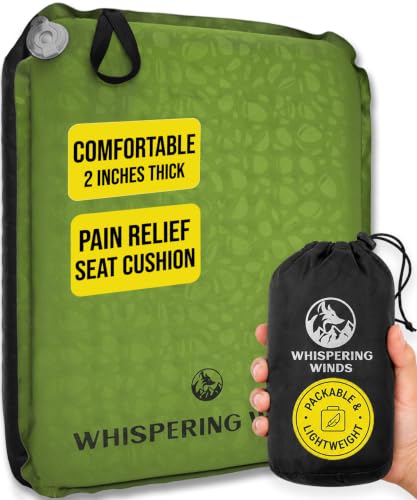
Whispering Winds Inflatable Cushion for Airplane Travel
A Closer Look At Each Pick
A hard airplane seat puts direct pressure on a small area that can become uncomfortable during a long flight. The FORTEM Tailbone Relief Cushion uses a U-shaped opening to leave that area less directly loaded, while contoured foam adds support around it.
That design makes more sense than simply adding a flat layer of padding for travelers who notice tailbone pressure on long journeys. You may find it particularly comfortable on a narrow aircraft seat, although its office-chair shape takes up more room than an inflatable model.
Positive Takeaways
- The U-shaped opening helps keep the tailbone from pressing directly against a firm seat.
- Contoured foam supports the surrounding hip area rather than creating one flat platform.
- A non-slip base helps limit shifting during long seated periods.
- The fixed shape suits travelers who prefer a ready-to-use cushion.
Practical Considerations
- Its larger, structured shape takes more carry-on space than a packed inflatable cushion.
- The opening may feel unfamiliar during the first few minutes of a flight.
Quick Facts
Who It Suits Best
You will likely appreciate this cushion most on long flights where tailbone pressure is your main seating concern.
A Better Fit Elsewhere
Carry-on space matters more than contoured support, so the Whispering Winds Inflatable Cushion for Airplane Travel may suit you better.
Extra thickness can make a hard plane seat feel softer, but too much padding can raise you awkwardly or feel unstable. The BlissTrends Extra Thick Cushion takes a middle path with a broad 18.5-by-16.9-inch surface and raised side wings that help contain your hips.
You get more usable seating area than with a compact pad, which can be helpful during longer flights. The trade-off is bulk, and the high edges may take some getting used to in a narrow row.
A Few Highlights
- The expanded 18.5-by-16.9-inch area provides more room around your thighs.
- Raised wings help keep your hips from sliding toward the edges of a narrow seat.
- A 4.4-inch center thickness adds substantial cushioning for long flights.
- The high-sided shape can also work in an office chair or car seat.
Things To Consider
- The wide design is less convenient to carry than a cushion that compresses into a small bag.
- Raised edges may press against your legs on an especially narrow aircraft seat.
- Its substantial thickness offers less freedom to adjust your seating position.
Feature Snapshot
Made For
This is a practical choice for you if you prefer generous padding and have room in your carry-on for a structured cushion.
Consider Something Else When
The FORTEM Tailbone Relief Cushion may fit your travel bag better when a central opening matters more than the BlissTrends cushion’s raised wings.
Weight becomes a serious travel consideration when every ounce occupies precious suitcase space. At two ounces, the Therm-a-Rest Z Seat is among the lightest choices here, using closed-cell foam that folds into an accordion shape instead of taking up a full cushion’s volume.
That portability makes it useful beyond airplanes, especially for camping, outdoor seating, and stadium benches. On a plane, you may prefer its lightweight simplicity over the more targeted contouring offered by foam cushions, depending on how sensitive your tailbone is.
A Few Strong Suits
- The two-ounce weight keeps it far from the bottom of your luggage.
- Closed-cell foam resists absorbing moisture during outdoor use.
- The folding design provides a usable seat without an inflation step.
- It works for camping, bleachers, and other situations beyond air travel.
Trade Offs
- Its broad flat shape offers less tailbone-specific shaping than the FORTEM or Bepuo cushions.
- Closed-cell foam provides less deep compression than thick memory foam.
The Right Fit
You will value this seat most when carrying minimal luggage and using the cushion across several travel or outdoor settings.
Swap It Out When
Targeted pressure distribution takes priority, so the Bepuo Memory Foam Coccyx Cushion may suit you better for a long flight.
The Bepuo Memory Foam Coccyx Cushion approaches airplane comfort with a hollow internal shape and curved profile. Its open center leaves more room around the tailbone and pelvis, while memory foam provides a softer landing than a rigid seat surface.
You can also use it in an office chair, wheelchair, or car, making it more versatile than a cushion designed strictly around air travel. The catch is its shape and foam construction may occupy more bag space than the inflatable options.
The Practical Payoff
- The hollow center reduces direct contact between the seat and the most sensitive area.
- Memory foam adapts to your seated shape more closely than a flat foam pad.
- A non-slip base helps keep the cushion positioned during a long journey.
- Its curved design supports several seating environments beyond aircraft cabins.
Where It May Fall Short
- The contoured design is less convenient for packing than an inflatable cushion.
- Its broad base may not sit entirely within a very narrow aircraft seat.
Who Should Grab It
This cushion best serves you when pressure reduction and use across office, wheelchair, or vehicle seating matter equally.
Where A Sibling Pick Shines
The Therm-a-Rest Z Seat is the better travel fit for you when low weight and compact packing matter more than shaped cushioning.
Inflatable cushions appeal to travelers who would rather carry a small bundle than a structured foam pad. The Whispering Winds Inflatable Cushion deflates to 8 by 3.5 inches, which makes it easy to tuck into a carry-on, day bag, or jacket pocket.
Once inflated, it adds a portable layer between you and a hard airplane seat. You will find it especially handy for long flights, stadium seating, and other temporary seats, though you need to inflate it before use.
The Case For It
- The compact 8-by-3.5-inch packed size saves room in your luggage.
- Inflatable construction lets you adjust the setup by adding or releasing air.
- The cushion works for flights, stadiums, camping, and vehicle travel.
- No bulky foam frame needs to fit inside your carry-on.
Small Caveats
- You must inflate it before boarding or use.
- Air-filled support may feel less substantial than the BlissTrends Extra Thick Cushion.
Important Details
Built With In Mind
This inflatable cushion is built for you when carrying space is limited and you want one pad for flights, outdoor seating, and travel.
Look Elsewhere When
The FORTEM Tailbone Relief Cushion may suit you better when a shaped opening and non-inflation setup matter more than compact packing.
The Whispering Winds Inflatable Cushion for Airplane Travel combines a small packed size with a broader range of uses than a typical aircraft accessory. It deflates to 8 by 3.5 inches and weighs under eight ounces, so it can move between a flight, a stadium, and a campsite without taking over your bag.
Its portable foam construction gives you a place to sit wherever you land, although the inflatable format means you sacrifice the deep, shaped support of memory foam. For light-packing travelers, that is usually a sensible exchange.
What Stands Out
- Its sub-eight-ounce weight suits travelers who monitor every carry-on gram.
- The 8-by-3.5-inch packed shape fits neatly into limited luggage space.
- Inflatable foam creates a portable seat for airplanes, stadiums, and campsites.
- You can use it for travel, outdoor seating, or vehicle trips.
Less Ideal Details
- You must inflate and deflate it to gain and reclaim the extra seating space.
- Its general-purpose shape does not provide a tailbone-specific opening.
The Main Details
Whose Shelf It Belongs On
You will get the most use from this cushion if you travel lightly and regularly need seating beyond standard furniture.
Reach For A Different Pick When
The Bepuo Memory Foam Coccyx Cushion may suit you better when shaped pressure distribution is more important than low packed weight.
What Matters Before You Board
Pressure Distribution Comes First
A flat layer of padding feels soft at first, but a shaped opening can make a more noticeable difference when a narrow aircraft seat concentrates pressure under your tailbone. Check the opening’s position and width against your seating needs, especially for longer flights.
Packability Shapes Travel Comfort
Foam cushions generally feel ready for immediate use, while inflatable models trade some thickness for a smaller packed footprint. Compare the cushion’s storage size with your luggage, then consider whether you will have time and space to inflate it before use.
Fit Matters More Than Thickness
A cushion that extends beyond the seat may interfere with the armrest or your legs. Look for a surface that sits within a narrow row, provides enough central support, and remains stable without making you feel perched above the seat.
Details That Prevent Regret
Common Shopping Slip Ups
A bulky cushion can be difficult to fit beneath a seat, and a compact inflatable model may not provide the shaped support you want. Measure the available luggage space and note whether you need a tailbone opening, raised edges, or simply a light layer of padding.
What Separates Premium From Basic
Higher-cost models often add memory foam, shaped side walls, or more substantial materials. The upgrade pays off for you when targeted support matters across long flights; a simple inflatable pad remains sensible for occasional travel and light luggage.
Frequently Asked Questions
Are Inflatable Seat Cushions Better Than Foam Ones?
Inflatable seat cushions win for compact packing, while foam models usually provide more stable, shaped support. Choose based on whether luggage space or contoured cushioning matters more to you.
Can a Seat Cushion Fit on an Airplane Seat?
Most cushions fit within a standard airplane seat, but raised edges or a wide base may extend into the armrest area. A narrow or center opening works well when your seat is especially tight.
What Is the Best Cushion for a Long Flight?
The FORTEM Tailbone Relief Cushion suits travelers sensitive to direct tailbone pressure, while the BlissTrends Extra Thick Cushion favors broader cushioning and raised support. Long-haul comfort depends on your body shape and pressure points.
Should I Bring a Cushion on a Plane?
A cushion is useful on long or thin seats, particularly when you know your tailbone or hips become uncomfortable. Inflatable models take less luggage space, while contoured foam cushions offer more targeted support.
Can I Use an Inflatable Cushion for Camping?
Inflatable cushions work well for camping because they add portable padding to folding chairs or the ground. The closed-cell foam design in the Therm-a-Rest Z Seat also suits outdoor use where moisture resistance matters.
Final Verdict
The FORTEM Tailbone Relief Cushion makes the most sense for pressure-sensitive flyers, while the two Whispering Winds models serve travelers who prioritize carry-on space. Choose the level of contouring and packing format that matches your longest travel day, then keep the cushion within easy reach for boarding.
