

You could suppose store-bought sauces can’t match homemade flavor, but the right jar proves otherwise. You want bright tomato, balanced acidity, and a base that won’t swamp your toppings, and these five picks deliver exactly that. They suit different diets and techniques, from quick weeknight pies to crisp, high-heat bakes—so keep going to see which one suits your pizza plan.
| Colavita Recart Sauces – Pizza Sauce 13.76oz Recart |

| Authentic Italian | Product Type: Pizza sauce (Recart) | Tomato Base: 100% Italian tomatoes, crushed | Vegan-Friendly: Vegan-compatible (plant-based ingredients) | VIEW LATEST PRICE | Read Our Analysis |
| Classico Signature Recipes Traditional Pizza Sauce 14 oz Jar |

| Classic Favorite | Product Type: Pizza sauce (jar) | Tomato Base: Diced tomatoes | Vegan-Friendly: Vegan-compatible (tomato/olive oil base) | VIEW LATEST PRICE | Read Our Analysis |
| Ragu Homemade Style Pizza Sauce (14 oz) |

| Family Staple | Product Type: Pizza sauce (jar) | Tomato Base: Farm-grown tomatoes | Vegan-Friendly: Vegan-compatible (tomato & spices) | VIEW LATEST PRICE | Read Our Analysis |
| Yo Mama’s Keto Classic Pizza Sauce (2-Pack) |
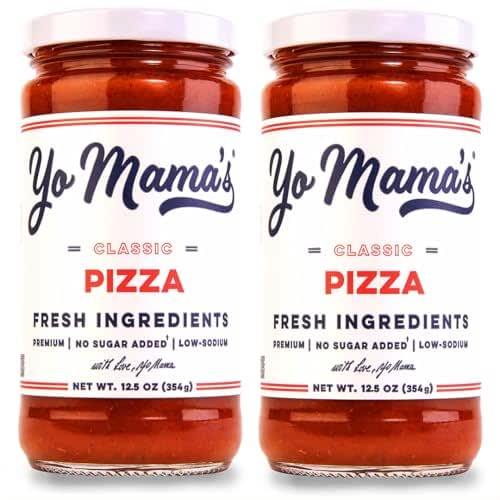
| Keto & Clean | Product Type: Pizza sauce (2-pack) | Tomato Base: Whole fresh tomatoes (non-GMO) | Vegan-Friendly: Explicitly vegan | VIEW LATEST PRICE | Read Our Analysis |
| Prego Pizzeria Style Pizza Sauce 14 oz Jar |

| Pizzeria-Style | Product Type: Pizza sauce (jar) | Tomato Base: Vine-ripened tomatoes | Vegan-Friendly: Explicitly vegan | VIEW LATEST PRICE | Read Our Analysis |
More Details on Our Top Picks
Colavita Recart Sauces – Pizza Sauce 13.76oz Recart
Should you want an authentic Italian tomato base that’s ready to spoon onto dough, Colavita’s 13.76 oz Recart Pizza Sauce is a smart pick — it uses 100% garden-ripened Italian tomatoes with a touch of oregano, so you’ll get a traditional pizza flavor without fuss. You’ll appreciate its crushed, premium Italian tomatoes and restrained seasoning that let natural tomato brightness drive your pie. The Recart packaging stores neatly and stays convenient for single pizzas, calzones, bagels, rolls, or as a dipping sauce for mozzarella sticks. Made in Italy from a traditional recipe, it’s a reliable, flavor-forward vegan option.
- Product Type:Pizza sauce (Recart)
- Tomato Base:100% Italian tomatoes, crushed
- Vegan-Friendly:Vegan-compatible (plant-based ingredients)
- Intended Use:Pizza, calzones, pizza bagels/rolls, dipping
- No Added Sweeteners / Simple Recipe:Traditional recipe with oregano (no added sugar listed)
- Packaging Format:Recart (13.76 oz)
- Additional Feature:Product of Italy
- Additional Feature:Touch of oregano
- Additional Feature:Recart convenient storage
Classico Signature Recipes Traditional Pizza Sauce 14 oz Jar
Should you want a straightforward, no-fuss vegan pizza base, Classico Signature Recipes Traditional Pizza Sauce delivers a classic tomato taste in a 14 oz resealable glass jar. You’ll find diced tomatoes and olive oil create an authentic, hearty red sauce that’s ready to simmer and spread on dough. Use it as your pizza foundation, then add dairy-free cheese and toppings, or serve as a dipping sauce for garlic bread and mozzarella sticks. The jar’s recyclable glass keeps it fresh—just refrigerate after opening and consume within five days. It’s SNAP/EBT eligible and part of Classico’s Signature Recipes line.
- Product Type:Pizza sauce (jar)
- Tomato Base:Diced tomatoes
- Vegan-Friendly:Vegan-compatible (tomato/olive oil base)
- Intended Use:Pizza base, simmer & serve, dipping
- No Added Sweeteners / Simple Recipe:Made with real ingredients (tomatoes, olive oil) — simple recipe
- Packaging Format:Glass jar (14 oz, resealable)
- Additional Feature:Diced tomatoes included
- Additional Feature:Olive oil base
- Additional Feature:Recyclable glass jar
Ragu Homemade Style Pizza Sauce (14 oz)
Pick Ragu Homemade Style Pizza Sauce whenever you want a dependable, ready-to-use base that tastes like a home-cooked marinara. You’ll get a 14 oz jar of traditional pizza sauce made from farm-grown tomatoes and a blend of spices that delivers a rich, well-rounded flavor. Use it for quick, easy Italian pizzas at home — it’s ideal for family pizza night and pairs with any topping: vegan cheeses, vegetables, or plant-based meats. Ragu’s been bringing families together since 1937, so you’re choosing a trusted, homemade-style starting sauce that simplifies pizza prep without sacrificing familiar, comforting flavor.
- Product Type:Pizza sauce (jar)
- Tomato Base:Farm-grown tomatoes
- Vegan-Friendly:Vegan-compatible (tomato & spices)
- Intended Use:Pizza base for homemade pizza, family meals
- No Added Sweeteners / Simple Recipe:Homemade-style tomato & spices — simple recipe
- Packaging Format:Glass jar (14 oz)
- Additional Feature:Farm-grown tomatoes
- Additional Feature:Homemade-style recipe
- Additional Feature:Brand since 1937
Yo Mama’s Keto Classic Pizza Sauce (2-Pack)
Whenever you follow a keto or low‑carb lifestyle and still want a classic pizza flavor, Yo Mama’s Keto Classic Pizza Sauce (2‑Pack) delivers—made from whole, fresh non‑GMO tomatoes and garlic with no added sugar or preservatives. You’ll get a premium, preservative‑free sauce crafted from the finest ingredients, mirroring Yo Mama’s careful approach used in their ketchups and dressings. It’s vegan, gluten‑free, paleo friendly, low‑carb and low‑sodium, so it fits Keto, Low‑Glycemic and Whole30 plans. Use it on pizza, sandwiches or as a condiment to enhance flavor. The 2‑pack offers versatility and a reliable, quality option for everyday cooking.
- Product Type:Pizza sauce (2-pack)
- Tomato Base:Whole fresh tomatoes (non-GMO)
- Vegan-Friendly:Explicitly vegan
- Intended Use:Pizza, sandwiches, general condiment use
- No Added Sweeteners / Simple Recipe:No added sugar, preservative-free
- Packaging Format:Two-unit pack (size per unit not specified)
- Additional Feature:No added sugar
- Additional Feature:Keto & Whole30 friendly
- Additional Feature:Fresh garlic included
Prego Pizzeria Style Pizza Sauce 14 oz Jar
Assuming you want a thick, smooth vegan pizza sauce that’s ready to spread, Prego Pizzeria Style Pizza Sauce (14 oz) fits the bill — it’s made with vine‑ripened tomatoes and other quality ingredients, is gluten free, and works great in quick, family-friendly pizza recipes. You’ll appreciate its spreadable texture that gives even coverage without thinning your crust. Use it straight from the jar for easy weeknight pies, or season slightly to match your toppings. It’s part of Prego’s lineup of varieties, so you can pick flavors that please your household while keeping prep simple and reliable.
- Product Type:Pizza sauce (jar)
- Tomato Base:Vine-ripened tomatoes
- Vegan-Friendly:Explicitly vegan
- Intended Use:Pizza preparation, family recipes
- No Added Sweeteners / Simple Recipe:Thick, smooth tomato-based recipe (no added sugar specified)
- Packaging Format:Glass jar (14 oz)
- Additional Feature:Thick, smooth texture
- Additional Feature:Vine-ripened tomatoes
- Additional Feature:Multiple flavor varieties
Factors to Consider When Choosing Vegan Pizza Sauces
When you pick a vegan pizza sauce, check the ingredient list for clear labeling so you know what’s actually inside. Pay attention to added sugars, sodium levels, and any preservatives that could affect flavor and health. Also look for allergen warnings and notes about cross-contact should you have allergies or sensitivities.
Ingredient Transparency
Because labels don’t always tell the whole story, you should read ingredient lists and look for concealed animal-derived additives—anchovy paste, whey, casein, lactose, gelatin, or fish sauce can show up under unfamiliar names. Also confirm oils and emulsifiers; products should name sources like olive oil or sunflower lecithin because some emulsifiers and colorants come from animal sources. Prefer brands that disclose thickeners and stabilizers—pectin, xanthan gum, or cellulose—so you know they aren’t blended with collagen or gelatin. If labels include vague terms such as natural flavors or spice blends, seek explicit vegan certification or a clear vegan statement.
Sugar And Sweeteners
Sugar and sweeteners play a big role in how a vegan pizza sauce tastes and how it fits your diet, so check labels for both the Nutrition Facts and the ingredient list. Many commercial sauces add about 1–3 g sugar per 2-tablespoon serving to balance tomato acidity, so notice grams of sugar per serving. Sweeteners vary: cane or beet sugar, agave, fruit concentrates, or noncaloric options like stevia and erythritol; avoid honey and other non‑vegan sweeteners. In case you’re low‑carb or keto, choose “no added sugar” or sauces under 1 g total sugar per serving. Scan ingredient lists for terms like “cane sugar,” “corn syrup,” or “fruit concentrate.” Lower‑sugar sauces taste tangier, so plan to round them with herbs, roasted garlic, or a pinch of alternative sweetener.
Sodium Content Levels
Although salt helps round tomato acidity, you’ll want to check the sodium per serving on the Nutrition Facts label—many jarred vegan pizza sauces pack 200–400 mg in a 1/4–1/3 cup serving, and anything under 140 mg is considered low‑sodium. Compare serving sizes closely—manufacturers sometimes list smaller portions, so scale numbers to how much you actually use (for example, per 1/2 cup). Scan ingredients for added salt or sodium-containing additives that raise total sodium. Should you be watching sodium for health reasons, aim for sauces providing under 10% of the 2,300 mg daily limit per serving, choose reduced-sodium options, or dilute sauce with herbs or plain tomato puree. Also factor in salty toppings—pick a lower-sodium sauce when using high-sodium toppings.
Added Preservatives Presence
Whenever you’re choosing a jar of vegan pizza sauce, scan the ingredient list for common preservatives like sodium benzoate, potassium sorbate, calcium propionate, or sulfites—these extend shelf life but could clash with a whole‑food or clean‑label approach. In case you prefer preservative‑free options, look for sauces that rely on acidification (vinegar or citric acid), higher tomato solids, or aseptic packaging for safety. Seek explicit “no preservatives” claims and verify through reading the full ingredient statement. Note that some natural options—rosemary extract or ascorbic acid (vitamin C)—are often acceptable substitutes; check whether these are used instead of synthetic additives. Lastly, interpret shelf‑life and storage notes: long unrefrigerated stability usually signals added preservatives or specialized packaging.
Allergen And Cross-Contact
Alongside preservatives and packaging choices, you should also check sauces for undisclosed animal ingredients and cross-contact risks that can defeat a vegan or allergy-safe pick. Read ingredient lists carefully for concealed animal-derived additives like anchovy paste, beef or chicken stock, whey, casein, or gelatin. Scan labels for allergen statements and “may contain” or “shared facility” warnings—cross-contact with dairy, egg, shellfish, nuts, or soy can occur during manufacturing. Take into account that tomato-based sauces sometimes use cheese-derived enzymes or dairy flavorings; should labels be vague, contact the manufacturer. In the event you have nut or soy allergies, watch for soybean oil, soy protein, or nut oils and shared-equipment notes. For severe allergies, prioritize certified vegan products or sauces made in dedicated allergen-free facilities and keep packaging or batch numbers for tracing.
Flavor Profile Balance
Upon selecting a vegan pizza sauce, aim for a balanced flavor that supports your toppings without stealing the show: target a 2:1 to 3:1 sugar-to-acid perception so tomatoes taste bright but not jammy, layer umami from slow-cooked tomatoes, roasted garlic, or a touch of miso or mushroom, and keep herbs, salt, and oil measured so the sauce adds body and cling without tasting greasy or overpowering. You should dial sweetness and acidity so tomato character stays forward, add savory depth to replace dairy richness, and use oregano or basil with a pinch of black pepper or red pepper flakes for clarity. Start conservatively with about 1/2 teaspoon salt per 12–14 oz sauce and 1–2 tablespoons oil.
Texture And Consistency
While flavor tells the story, texture and consistency determine how your sauce performs on the crust: aim for a medium-thickness, smooth, well-emulsified sauce that spreads thinly without pooling, holds a yogurt-like viscosity for even 1–2 mm layers on Neapolitan pies (slightly thicker for pan styles), and keeps water content below about 65% so the dough doesn’t go soggy; choose sauces thicker than pasta sauce but still spreadable to prevent excess moisture and guarantee even cooking. Smooth, homogenous sauces distribute toppings and create a consistent mouthfeel, while chunky options add rustic bite but need thinner spreading. Prefer sauces with higher tomato solids or strained purées for thin crusts. Emulsification matters — well-blended oil and water improve adhesion and stop separation during bake.
Packaging Sustainability
Because packaging determines a sauce’s real-world environmental cost, pick containers you can actually recycle or that cut transport emissions—such as glass jars, widely accepted PET, or lightweight aseptic cartons—over mixed-material packs that usually end up landfilled or incinerated. You should favor glass (infinitely recyclable) or PET (widely accepted) and lightweight shelf-stable cartons that lower freight emissions and use less material per volume. Avoid bonded plastic-aluminum layers, hard-to-separate caps, or other mixed materials that complicate recycling. Check labels for resin codes, “widely recyclable” claims, and clear disposal instructions so you can sort properly. If feasible, choose brands that publish packaging life-cycle metrics or percent post-consumer recycled content to compare real environmental impacts.
