

Most people don’t know that many soy sauces hide fish products or unclear additives, so picking genuinely vegan bottles takes a bit of care. You’ll find options that taste rich without animal ingredients, from mellow tamari to barrel-aged umami, and I’ll walk you through choices that suit stir-fries, dressings, sushi alternatives, low-sodium diets, and gluten-free needs. Along the way, you’ll learn how to read labels, what brewing methods matter, and which swaps keep flavor while avoiding allergens, so you can pick confidently and enjoy deeper, plant-based savor.
| Kikkoman Soy Sauce 1.25 qt |

| Most Versatile | Ingredients (primary): Water, wheat, soybeans, salt | Production style / brewing: Naturally brewed and aged (traditional method) | Flavor profile / taste focus: Complex umami, delicate aroma, reddish-brown color | VIEW LATEST PRICE | Read Our Analysis |
| Kikkoman Traditionally Brewed Gluten-Free Soy Sauce (20 oz) |

| Best For Gluten-Free | Ingredients (primary): Water, wheat, soybean, salt | Production style / brewing: Traditionally brewed | Flavor profile / taste focus: Authentic, rich umami flavor, pleasant aroma | VIEW LATEST PRICE | Read Our Analysis |
| Kikkoman Reduced Sodium Soy Sauce 10 fl oz |

| Low-Sodium Choice | Ingredients (primary): Water, wheat, salt, lactic acid (contains wheat & soy) | Production style / brewing: Traditionally brewed (reduced-sodium formulation) | Flavor profile / taste focus: Authentic Kikkoman flavor with lower sodium, umami-preserving | VIEW LATEST PRICE | Read Our Analysis |
| Aloha Shoyu Original Blend Soy Sauce (24 oz) |
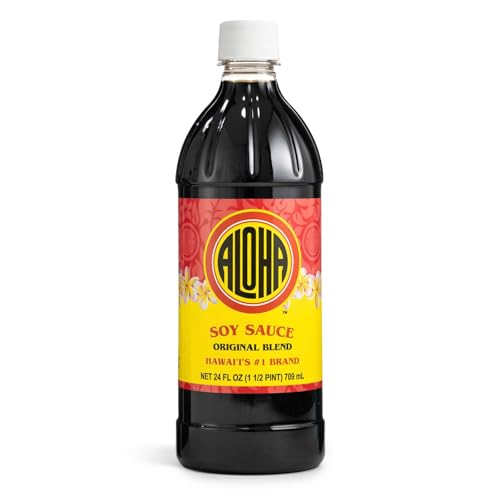
| Best for Hawaiian-Style | Ingredients (primary): Water, wheat gluten, salt, sugar, fermented soybeans, caramel coloring | Production style / brewing: Fermented (shoyu-style) with added sugar, island-style recipe | Flavor profile / taste focus: Sweet and light; smooth, savory, balanced shoyu flavor | VIEW LATEST PRICE | Read Our Analysis |
| Kikkoman Lite Soy Sauce 64-Ounce Bottle |

| Best Low-Salt Value | Ingredients (primary): (Not fully listed) Brewed from soy and wheat (standard Kikkoman ingredients: water, wheat, soybeans, salt) | Production style / brewing: Brewed (Kikkoman quality standards, USA-brewed) | Flavor profile / taste focus: Rich umami flavor, retains taste with less sodium | VIEW LATEST PRICE | Read Our Analysis |
| Yamaroku Tsuru Bisiho 4-Year Barrel-Aged Soy Sauce |

| Premium Artisanal | Ingredients (primary): Soybeans, wheat, salt, water | Production style / brewing: Traditional fermentation; aged 4 years in kioke barrels | Flavor profile / taste focus: Deep, full, rounded umami; sweet-salty, mellow finish | VIEW LATEST PRICE | Read Our Analysis |
| Yamaroku 4-Year Barrel-Aged Premium Japanese Soy Sauce |

| Tabletop Luxury | Ingredients (primary): Soybeans, wheat, salt, water | Production style / brewing: Traditional fermentation; aged 4 years in kioke barrels | Flavor profile / taste focus: Rich umami; deep, balanced taste | VIEW LATEST PRICE | Read Our Analysis |
More Details on Our Top Picks
Kikkoman Soy Sauce 1.25 qt
Should you want a reliable, everyday soy sauce that won’t clash with your cooking, Kikkoman Soy Sauce 1.25 qt is a great pick for home cooks and plant-based eaters alike. You’ll notice its naturally brewed, aged process gives a deeper, balanced taste that lifts vegetables, grains, and marinades. It’s made from water, wheat, soybeans, and salt, so you won’t find odd additives. The reddish brown color and delicate aroma make dishes look and smell inviting. Since it’s certified kosher and popular with vegans, you can use it confidently across many recipes without masking your food’s true flavors.
- Ingredients (primary):Water, wheat, soybeans, salt
- Production style / brewing:Naturally brewed and aged (traditional method)
- Flavor profile / taste focus:Complex umami, delicate aroma, reddish-brown color
- Common culinary uses:All-purpose seasoning, enhances foods (cooking, dipping, marinades)
- Packaging type / bottle:Large bottle (1.25 qt) – likely plastic bottle (standard Kikkoman)
- Preservatives / additives note:No specific preservatives listed (naturally brewed)
- Additional Feature:Certified kosher
- Additional Feature:Vegan-friendly favorite
- Additional Feature:Reddish-brown color
Kikkoman Traditionally Brewed Gluten-Free Soy Sauce (20 oz)
Provided that you want a reliable, gluten-free soy sauce that still tastes like the real thing, Kikkoman Traditionally Brewed Gluten-Free Soy Sauce is a smart pick for people who cook for themselves or feed family members with wheat sensitivities. You’ll notice a pleasant aroma and an authentic, rich umami that lifts simple meals. You can use it for seasoning, marinating, and dipping across many cuisines. The bottle pours cleanly so you control salt and flavor. Ingredients list includes water, wheat, soybean, and salt with under 1% sodium benzoate, and it’s marketed as a healthier option you can trust.
- Ingredients (primary):Water, wheat, soybean, salt
- Production style / brewing:Traditionally brewed
- Flavor profile / taste focus:Authentic, rich umami flavor, pleasant aroma
- Common culinary uses:Seasoning, marinating, dipping; versatile for many cuisines
- Packaging type / bottle:20 oz bottle with pour-control design
- Preservatives / additives note:Contains <1% sodium benzoate (preservative)
- Additional Feature:Gluten-free certified
- Additional Feature:Pour-control bottle
- Additional Feature:Contains sodium benzoate
Kikkoman Reduced Sodium Soy Sauce 10 fl oz
In case you’re watching your salt but still want real soy sauce flavor, Kikkoman Reduced Sodium Soy Sauce in the 10 fl oz bottle is a smart pick for your kitchen. You get a smaller, easy-to-handle bottle that fits in tight spaces and stays ready for quick meals. It uses water, wheat, salt, lactic acid, and a touch of sodium benzoate to keep it fresh. You’ll notice less sodium yet the familiar Kikkoman umami shines through, so you can use it in stir-fries, marinades, dips, and dressings without losing depth or comfort.
- Ingredients (primary):Water, wheat, salt, lactic acid (contains wheat & soy)
- Production style / brewing:Traditionally brewed (reduced-sodium formulation)
- Flavor profile / taste focus:Authentic Kikkoman flavor with lower sodium, umami-preserving
- Common culinary uses:Stir-fries, marinades, dipping sauces, dressings
- Packaging type / bottle:10 fl oz compact bottle
- Preservatives / additives note:Contains small amount of sodium benzoate; lactic acid included
- Additional Feature:Reduced-sodium formula
- Additional Feature:Compact 10 fl oz
- Additional Feature:Includes lactic acid
Aloha Shoyu Original Blend Soy Sauce (24 oz)
Provided that you love a slightly sweet, mellow soy sauce that brightens grilled chicken and lifts simple salads, Aloha Shoyu Original Blend is a great pick for your pantry. You’ll notice a smooth, savory flavor with little acidity, and it pairs well for dipping, marinating, and cooking. Made in Hawaii since 1946, it blends island warmth with Japanese roots. The recipe uses fermented soybeans, wheat gluten, sugar, and light caramel for that authentic shoyu taste, plus preservatives for shelf life. You can rely on premium ingredients and a balanced umami that gently boosts everyday meals.
- Ingredients (primary):Water, wheat gluten, salt, sugar, fermented soybeans, caramel coloring
- Production style / brewing:Fermented (shoyu-style) with added sugar, island-style recipe
- Flavor profile / taste focus:Sweet and light; smooth, savory, balanced shoyu flavor
- Common culinary uses:Cooking, dipping, marinating (grilled chicken, salads, etc.)
- Packaging type / bottle:24 oz bottle
- Preservatives / additives note:Contains sodium benzoate and potassium sorbate; caramel coloring and sugar
- Additional Feature:Made in Hawaii
- Additional Feature:Sweetened with sugar
- Additional Feature:Island heritage since 1946
Kikkoman Lite Soy Sauce 64-Ounce Bottle
Provided that you want a lower-sodium soy that still brings big umami flavor to stir-fries, marinades, and everyday seasoning, Kikkoman Lite Soy Sauce in the 64-ounce bottle is a smart pick. You’ll notice rich, savory notes that lift both Asian and Western dishes without drowning them in salt. Because it has 38% less sodium than regular Kikkoman, you can use more freely while cooking or finishing plates. It’s brewed in the USA to trusted Kikkoman standards and comes certified Kosher, so you’ll feel confident about quality. The large bottle suits avid cooks and busy kitchens who want steady, reliable flavor.
- Ingredients (primary):(Not fully listed) Brewed from soy and wheat (standard Kikkoman ingredients: water, wheat, soybeans, salt)
- Production style / brewing:Brewed (Kikkoman quality standards, USA-brewed)
- Flavor profile / taste focus:Rich umami flavor, retains taste with less sodium
- Common culinary uses:Cooking, seasoning, marinades (Asian & Western dishes)
- Packaging type / bottle:64 oz (2 qt) bottle
- Preservatives / additives note:No specific preservatives listed in summary; reduced sodium formulation
- Additional Feature:64-ounce bulk size
- Additional Feature:38% less sodium
- Additional Feature:Brewed in USA
Yamaroku Tsuru Bisiho 4-Year Barrel-Aged Soy Sauce
You’ll love Yamaroku Tsuru Bisiho provided you want a soy sauce that tastes like craftsmanship and time; its four years of barrel aging in 100-year-old kioke wooden barrels grants dishes deep, rounded umami and a mellow, sweet-salty balance that works for both everyday meals and special occasions. You’ll notice simple, honest ingredients: soybeans, wheat, salt, water and nothing else. You’ll feel the heritage in slow fermentation and rare kioke barrels used by only about one percent of producers. You can drizzle it on sushi, tofu, grilled fish, ramen, make ponzu or teriyaki, or try it on vanilla ice cream for a caramel surprise.
- Ingredients (primary):Soybeans, wheat, salt, water
- Production style / brewing:Traditional fermentation; aged 4 years in kioke barrels
- Flavor profile / taste focus:Deep, full, rounded umami; sweet-salty, mellow finish
- Common culinary uses:Sushi/sashimi, tofu, grilled fish, ramen, sauces (ponzu/teriyaki)
- Packaging type / bottle:18 oz glass dispenser bottle
- Preservatives / additives note:No added preservatives, no artificial coloring or fillers
- Additional Feature:Aged 4 years
- Additional Feature:No preservatives/additives
- Additional Feature:Kioke wooden barrels
Yamaroku 4-Year Barrel-Aged Premium Japanese Soy Sauce
Provided you care about deep, authentic flavor and want a soy sauce that was made the old-fashioned way, the Yamaroku 4-Year Barrel-Aged Premium Japanese Soy Sauce is a smart pick for home cooks and sushi lovers alike. You’ll notice rich umami from soybeans and wheat aged four years in 100-year-old Kioke wooden barrels. It’s traditional, with no preservatives or artificial additives, so you can trust the natural taste. The 5 oz glass dispenser pours smoothly and looks refined on your table. Use it on sashimi, grilled fish, ramen, ponzu, or teriyaki to lift dishes with balanced, warm depth.
- Ingredients (primary):Soybeans, wheat, salt, water
- Production style / brewing:Traditional fermentation; aged 4 years in kioke barrels
- Flavor profile / taste focus:Rich umami; deep, balanced taste
- Common culinary uses:Sushi/sashimi, grilled fish, ramen, ponzu, teriyaki, general cooking
- Packaging type / bottle:5 oz glass dispenser bottle
- Preservatives / additives note:No preservatives or artificial additives noted
- Additional Feature:Small 5 oz bottle
- Additional Feature:Elegant glass dispenser
- Additional Feature:Traditional kioke aging
Factors to Consider When Choosing Vegan Soy Sauces
When you pick a vegan soy sauce, consider about how the flavor balance will work with your food and whether the label clearly lists every ingredient. You’ll also want to check sodium levels and any allergy or gluten info to keep meals both tasty and safe, and consider packaging and shelf life so the sauce stays fresh. These factors connect closely because ingredient transparency affects health choices and flavor, while packaging influences longevity and convenience.
Flavor Profile Balance
Even though picking a vegan soy sauce can feel overwhelming, you can narrow your choice through focusing on how umami, salt, sweetness, acidity, and texture work together in a bottle. Consider ratios: aim for roughly 40–50% umami, 30–40% salt, and 10–20% sweet notes so flavors sit well. Observe color and fermentation time because darker, long-fermented sauces bring caramelized depth and stronger umami, while lighter brews stay bright and grainy. Pay attention to tangy lactic or acetic notes since they add lift and cut richness. Also feel the mouthfeel because syrupy sauces cling and taste sweeter, while thin ones spread flavor gently. Finally, consider cooking use since heat deepens sweetness and umami, while cold use shows delicate saline aromatics.
Ingredient Transparency
You’ve just learned how flavor balance guides your choice, and now it helps to look behind the label so the sauce matches your values and needs. When you read ingredients, expect simple, plant-based items like soybeans, wheat, water, salt, sugar, and yeast. Watch for animal additives such as fish sauce, oyster extract, or gelatin; their names mean the product is not vegan. Also check allergen statements and processing notes like “may contain shellfish” since they reveal cross-contamination risks. Prefer bottles that list fermentation method and ingredient origin rather than vague phrases like “soy sauce concentrate.” Look for disclosure of preservatives and colors so you can decide whether they fit your standards. In case anything is unclear, choose products with a vegan label or third-party certification.
Sodium And Health
Because sodium adds flavor but can sneak up on you, it helps to be thoughtful about how much soy sauce you use and which kind you buy. Regular soy sauce can pack 900 to 1,000 mg of sodium per tablespoon, so even one splash matters. Low sodium options drop that to roughly 300 to 600 mg, and that difference can help your heart and energy over time. You can also use soy sauce sparingly, dilute it in marinades, or add a few drops to a dish to keep umami without the salt. Try low sodium tamari, homemade low salt blends, or enhance flavor with vinegar, citrus, and mushrooms. Track sodium across meals should you follow a restricted diet.
Allergy And Gluten Safety
Whenever you’re picking a vegan soy sauce, allergy and gluten safety matter as much as taste, so read labels like you mean it. You’ll want to spot “gluten-free” or a recognized gluten-free certification right away because many soy sauces use wheat. In case you have a soy allergy, don’t use soy sauce at all; try coconut aminos or chickpea-based sauces instead. Also watch for concealed wheat words such as malt or hydrolyzed wheat protein and check ingredient lists for preservatives that could bother you. Pay attention to “made in a facility that also processes wheat or soy” warnings since cross-contact can be risky. Look for vegan, kosher, or allergen-free certifications for extra reassurance and to lessen concern while you cook.
Packaging And Shelf Life
After you’ve checked labels for allergens and gluten, don’t stop-packaging and shelf life will decide how long your vegan soy sauce stays tasty and safe. Choose airtight, opaque or dark glass bottles so light won’t fade flavor or color. Clear bottles left in sunlight or near a stove will speed up degradation. Check for preservatives like sodium benzoate or potassium sorbate; preservative-free, traditionally brewed sauces often need faster use once opened. Note production or best-before dates and store bottles in a cool, dark spot away from heat. Once opened, refrigerate to keep peak flavor, where many sauces last six to twelve months. Also inspect caps and pour spouts for tight seals to cut oxidation and contamination risks.
