

You want oils that cook well, taste neutral, and help you eat smarter. Start with refined canola or sunflower for high heat and everyday frying because they stay stable and don’t mask flavors. Should you prefer a heart-friendlier choice, pick high-oleic sunflower or avocado oil for more monounsaturated fat. For baking or big batches, go with affordable refined soybean or mixed vegetable oil. Keep annatto oil for bright color and aroma once you finish dishes. Store bottles cool and replace them should they smell off, and there’s more to contemplate next.
| Amazon Grocery Vegetable Oil 48 Fl Oz |

| Everyday Essential | Product Name: Amazon Grocery Vegetable Oil (48 fl oz) | Primary Use: General-purpose cooking (sautéing, pan-frying, baking) | Size/Volume: 48 fluid ounces (1.5 qt) | VIEW LATEST PRICE | Read Our Analysis |
| Crisco Pure Vegetable Oil 1 Gallon |
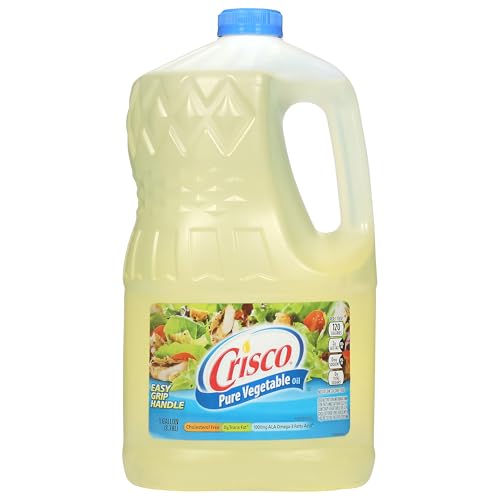
| Best for Bulk | Product Name: Crisco Pure Vegetable Oil (1 gallon) | Primary Use: Cooking, baking, frying, dressings, marinades | Size/Volume: 1 gallon | VIEW LATEST PRICE | Read Our Analysis |
| WESSON Pure Vegetable Oil 0 g Trans Fat Cholesterol Free 24 oz. |
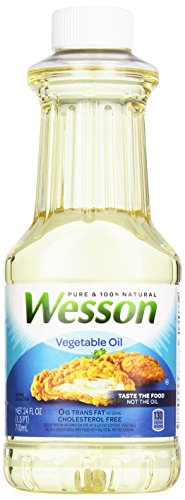
| All-Purpose Favorite | Product Name: WESSON Pure Vegetable Oil (24 oz) | Primary Use: All-purpose cooking (baking, frying, sautéing) | Size/Volume: 24 ounces | VIEW LATEST PRICE | Read Our Analysis |
| La Favorita Annatto (Achiote) Seasoning Oil 16.9oz |

| Flavor & Color Boost | Product Name: La Favorita Annatto (Achiote) Seasoning Oil (16.9 fl oz) | Primary Use: Coloring/flavoring in Latin American dishes; general cooking | Size/Volume: 16.9 fluid ounces (500 ml) | VIEW LATEST PRICE | Read Our Analysis |
| Crisco Pure Vegetable Oil 1 Gallon (Pack of 2) |
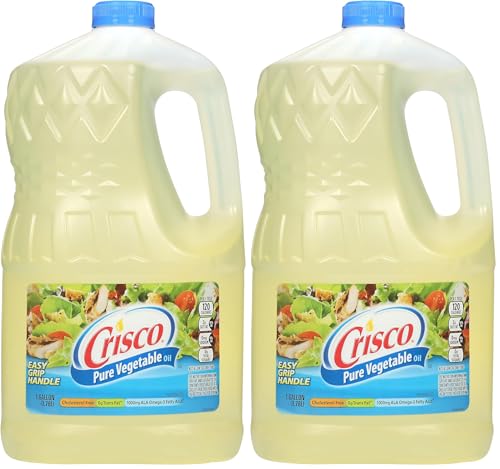
| Best Value Pack | Product Name: Crisco Pure Vegetable Oil (1 gallon, Pack of 2) | Primary Use: Cooking, baking, frying, dressings, marinades | Size/Volume: 1 gallon (per bottle) – pack of 2 | VIEW LATEST PRICE | Read Our Analysis |
More Details on Our Top Picks
Amazon Grocery Vegetable Oil 48 Fl Oz
Supposing you want a reliable, no-fuss cooking oil for everyday meals, Amazon Grocery Vegetable Oil 48 fl oz is a solid choice that fits busy kitchens and tight budgets. You’ll find one big bottle that keeps on giving, so you won’t rush to the store. The formula hasn’t changed though packaging could look different during the Happy Belly to Amazon Grocery switch. You can sauté, pan-fry, and bake with confidence because it has 0 g trans fat per serving and no cholesterol. You’ll appreciate the steady performance, straight pricing, and how it helps you get meals on the table without drama.
- Product Name:Amazon Grocery Vegetable Oil (48 fl oz)
- Primary Use:General-purpose cooking (sautéing, pan-frying, baking)
- Size/Volume:48 fluid ounces (1.5 qt)
- Trans Fat:0 g trans fat per serving
- Cholesterol:Cholesterol free
- Flavor Profile / Neutrality:Neutral/general-purpose (lets food flavor show)
- Additional Feature:Former Happy Belly branding
- Additional Feature:General-purpose cooking oil
- Additional Feature:48 fl oz bottle
Crisco Pure Vegetable Oil 1 Gallon
Suppose you cook for a big family or like to keep your pantry ready for any recipe, Crisco Pure Vegetable Oil, 1 gallon, is a dependable choice that you’ll reach for often. You can bake, fry, or toss it into dressings and marinades with confidence. It has a light taste so your meals stay the star. You’ll like that it’s cholesterol free and has zero grams trans fat per serving. Each serving gives 14 grams total fat and 1000 mg ALA, a heart-friendly omega 3. It’s gluten free and kosher pareve, so it fits many diets and kitchens.
- Product Name:Crisco Pure Vegetable Oil (1 gallon)
- Primary Use:Cooking, baking, frying, dressings, marinades
- Size/Volume:1 gallon
- Trans Fat:0 g trans fat per serving
- Cholesterol:Cholesterol-free
- Flavor Profile / Neutrality:Light taste / neutral
- Additional Feature:1000 mg ALA per serving
- Additional Feature:Gluten-free & Kosher
- Additional Feature:Neutral/light taste
WESSON Pure Vegetable Oil 0 g Trans Fat Cholesterol Free 24 oz.
Should you want a simple, reliable oil that won’t compete with your recipe, Wesson Pure Vegetable Oil is a solid pick for everyday cooking. You’ll appreciate that it’s pure soybean oil, cholesterol free, and has 0 g trans fat, so you can cook with confidence. Use it for frying, sautéing, or baking whenever you desire the food to shine. It brings out natural flavors without masking them, so family recipes stay familiar. The 24 ounce bottle fits your pantry and your pace. You’ll find it affordable, steady, and easy to reach for any meal prep need.
- Product Name:WESSON Pure Vegetable Oil (24 oz)
- Primary Use:All-purpose cooking (baking, frying, sautéing)
- Size/Volume:24 ounces
- Trans Fat:0 g trans fat
- Cholesterol:Cholesterol free
- Flavor Profile / Neutrality:Lets you taste the food, not the oil (neutral)
- Additional Feature:Made from soybean oil
- Additional Feature:24 oz bottle
- Additional Feature:Lets food flavors shine
La Favorita Annatto (Achiote) Seasoning Oil 16.9oz
Provided you love bold color and gentle, earthy flavor in your cooking, La Favorita Annatto Seasoning Oil is a great choice for home cooks who want authentic Latin American taste without extra fuss. You’ll find a 16.9 fl oz bottle from Ecuador that brightens rice, stews, and more with natural bixina from annatto seeds. It blends soybean oil and palm olein, so you should observe the soy allergen. Each serving gives 45 mg carotenes, adding nutrition and rich color. Store it at room temperature. You’ll enjoy how it colors and flavors dishes simply and reliably, like a trusted pantry friend.
- Product Name:La Favorita Annatto (Achiote) Seasoning Oil (16.9 fl oz)
- Primary Use:Coloring/flavoring in Latin American dishes; general cooking
- Size/Volume:16.9 fluid ounces (500 ml)
- Trans Fat:(Not explicitly stated) – formulated as vegetable oil (no trans fat claim given)
- Cholesterol:(Not explicitly stated) – vegetable oil based (no cholesterol claim given)
- Flavor Profile / Neutrality:Annatto-flavored/seasoning oil (adds color and distinct flavor)
- Additional Feature:Infused with annatto (bixina)
- Additional Feature:Contains palm olein + soy
- Additional Feature:Adds color and flavor
Crisco Pure Vegetable Oil 1 Gallon (Pack of 2)
In case you cook for a busy household or like to stock up so you’re never caught without oil, Crisco Pure Vegetable Oil in the two one gallon pack is a smart choice that often keeps your kitchen ready. You’ll find it versatile for frying, baking, dressings, and marinades, so one bottle can serve many meals. It has a light taste that lets your food’s flavors come through, and it’s cholesterol free with zero trans fat per serving. It also supplies 1000 mg ALA per serving, is gluten free and kosher pareve, and suits everyday family cooking needs.
- Product Name:Crisco Pure Vegetable Oil (1 gallon, Pack of 2)
- Primary Use:Cooking, baking, frying, dressings, marinades
- Size/Volume:1 gallon (per bottle) – pack of 2
- Trans Fat:0 g trans fat per serving
- Cholesterol:Cholesterol-free
- Flavor Profile / Neutrality:Light taste / neutral
- Additional Feature:Pack of two gallons
- Additional Feature:1000 mg ALA per serving
- Additional Feature:Gluten-free & Kosher
Factors to Consider When Choosing Vegetable Oils
When you pick a vegetable oil, you’ll want to consider about smoke point and how much heat you’ll use so your food doesn’t burn or taste off. Also pay attention to flavor and fat makeup since those decide whether an oil will brighten a salad or stand up to frying, and whether it supports heart-healthy cooking. Finally consider how the oil was processed because refinement changes both taste and nutrition and that helps you match the oil to the dish.
Smoke Point Considerations
Although it can feel confusing, grasping smoke points helps you pick the right oil for each cooking job, and that keeps your food tasting good and safer to eat. You want to know whenever an oil will visibly smoke and start to decompose because smoking makes acrid flavors and can form harmful compounds. For high heat methods like frying or searing, choose oils with smoke points above about 375 to 450°F 190 to 232°C. Refined oils usually handle heat better since impurities and free fatty acids are removed. Also bear in mind fat type matters: polyunsaturated oils oxidize more at heat, while monounsaturated and saturated oils stay more stable. Should your oil smoke, discard it and avoid reusing. Aim to cook well below the oil’s smoke point.
Flavor Profile Impact
Suppose you want your dish to taste the way you envision, pay close attention to an oil’s flavor before you cook with it. You’ll notice strong oils like sesame, walnut, or annatto add nutty, earthy, or reddish orange notes that can take over delicate ingredients, so use them sparingly or as a finishing touch. At the same time, neutral oils such as refined vegetable, canola, or sunflower let your other flavors shine, so they work well in baking and light sautés. Recall unrefined or cold pressed oils keep more aroma and volatile compounds, which enhances complexity but lowers heat stability and can bring bitterness when overheated. Finally, match oil amount and method: dressings concentrate flavor, big volumes for frying can mute subtle seasonings.
Nutritional Fat Composition
You’ve just learned how an oil’s flavor can change a dish, and now it helps to look at what’s inside the bottle. When you choose an oil, check the fat types first. Oils rich in monounsaturated fat like oleic acid support heart health and lower bad cholesterol. Polyunsaturated fats supply essential omega-6 and omega-3 that your body can’t make, so you need them. Watch saturated fat amounts because higher levels raise LDL and heart risk compared with unsaturated oils. Also pick oils with zero or very low trans fat since even small amounts harm the heart. Consider the omega-6 to omega-3 balance too. Finally take into account heat use because polyunsaturated fats oxidize at high heat, while monounsaturated or saturated oils hold up better.
Processing And Refinement
At the time you pick an oil, how it was processed matters almost as much as the type of fat inside, because processing changes flavor, nutrients, and how you can use the oil. You’ll see refined oils go through high heat, bleaching, and deodorizing to remove impurities and neutralize taste. That makes them more stable and gives higher smoke points for frying, but it strips some antioxidants and color. Cold pressed or unrefined oils keep more flavor, tocopherols, carotenoids, and polyphenols because they’re squeezed without heat or solvents, so they feel fresher and more lively. Solvent extraction raises yield and lowers cost, yet often needs further refining to clear solvents and off flavors. So you’ll balance stability, nutrient retention, and storage needs whenever choosing an oil.
Culinary Use Compatibility
Whenever you choose an oil for a recipe, consider about how you’ll cook with it and what you want the finished dish to taste and feel. Match the oil’s smoke point to the method so it won’t burn. Use high smoke point oils for deep frying and searing. Use medium smoke point oils for sautéing and pan frying. Use low smoke point oils for dressings and finishing. Reflect about flavor too. Neutral oils let other ingredients shine. Flavored or nutty oils add personality in dressings and marinades. Also pick oils that emulsify well whenever you need a stable vinaigrette or smooth batter. For repeated high heat choose thermally stable oils with low free fatty acids to avoid off flavors. Finally, keep nutrition in mind and favor unsaturated fat profiles for regular use.
Storage And Shelf Life
Storing oils properly protects flavor and keeps you from wasting money, so make a few simple habits part of your routine. Keep oils in a cool, dark spot away from the stove and sunlight because heat speeds oxidation and makes oils go bad faster. Use tightly sealed bottles to limit oxygen exposure, and note the moment you open a container since most refined oils remain good 6 to 12 months after opening. You can refrigerate oils that are high in polyunsaturated fats to extend life, but they might turn cloudy or solidify and will clear at room temperature. Always check smell and taste for bitterness, foaming, or off odors and toss any oil that seems rancid. Follow label dates and treat unrefined oils as shorter lived.
